
Understanding Orthodontics at Any Age
Orthodontics can work well for children, teens, and adults. Teeth move because gentle forces stimulate the bone around them to remodel. A 45-year-old wonders if braces can still help. The answer is yes, with a plan tailored to gum health, bite goals, and lifestyle.
This is the heart of age and orthodontics: the biology that lets teeth move remains active throughout life. In adults, movement can be slower, and the gums and supporting bone need careful attention. We start with a complete exam, X‑rays, and a periodontal check. If there is gum disease, it is treated first to protect the bone that holds teeth. This sequencing reduces risks and improves long-term stability.
Several factors guide adult treatment choices:
- Gum and bone health, including any history of periodontal disease.
- Existing dental work, such as crowns, implants, or root canals.
- Bite and jaw relationships, since adult jaws no longer grow.
- Tooth wear, chips, or missing teeth that may change goals.
- Appliance preferences, comfort, and ability to keep teeth clean.
- Medical conditions or medicines that affect bone or healing.
Adults have options. Braces and clear aligners both apply light, controlled forces; the best choice depends on the bite, tooth shapes, and hygiene. Teeth with prior restorations can still move, though attachments and forces are adjusted. After alignment, a retainer is essential, usually worn nightly, since teeth can drift over time. Many adults also finish with minor shaping or restorative work like crowns and bridges to correct wear edges or rebuild ideal tooth size. Thoughtful planning links tooth movement with lasting gum health and a stable bite.
If you have healthy gums and clear goals, orthodontics can be effective at any age. Healthy teeth can move at any age.
Benefits of Adult Orthodontic Treatment
Adult orthodontic treatment can improve chewing comfort, make teeth easier to clean, and create a more balanced smile. Straightening teeth can help distribute biting forces more evenly, which supports long-term tooth and gum health. These gains apply whether you seek small refinements or larger bite improvements. You notice new crowding in your thirties and flossing becomes harder.
Aligned teeth are simpler to brush and floss, which supports healthy gums. Smoother contact points reduce plaque traps between teeth, and a more even bite can limit chipping on edges that take too much load. When front teeth meet properly, speech clarity and incisor function often feel more natural. As spacing and rotations improve, patients tend to report less food catching and fewer sore spots. These daily benefits build over time, leading to a mouth that is easier to maintain.
Orthodontics can also set the stage for strong restorative care. Uprighting a tipped molar, for example, can make a future crown fit better and last longer. Thoughtful tooth movement can open or close spaces to plan for implants, improve the path of insertion for bridges, and harmonize smile lines before cosmetic work. By aligning the bite first, your dentist can use more conservative restorations and keep more healthy tooth structure. This sequence often makes treatment simpler, and results more predictable.
Comfort and lifestyle matter too. Modern techniques use light, controlled forces that most adults adapt to quickly. Many choose discreet options that fit work and family schedules, such as clear aligner care in Glendale. With regular cleanings and home care, adults can achieve stable, healthy outcomes that look natural. When small chips or shape issues remain, finishing touches like conservative dental bonding can refine edges and symmetry.
When people ask about age and orthodontics, the benefits focus on cleaner, stronger, and more comfortable teeth. Small changes can make daily care easier.
Different Types of Braces Available
Adults can choose from several types of braces: metal braces, ceramic braces, lingual braces, and clear aligners. All can straighten teeth effectively; the best option depends on your bite, gum health, and how visible you want the appliance to be. You attend client meetings and want a discreet option. We help match the appliance to your goals and daily routine.
Metal braces use small brackets and a wire to move teeth with precision. They are strong, efficient for many complex bites, and give the orthodontist fine control. Ceramic braces work the same way but use tooth-colored brackets that blend in, which many adults prefer. They can feel slightly bulkier and need careful cleaning around the ties. If stainable elastics are used, they are changed regularly to keep a clean look.
Clear aligners are removable trays that gradually move teeth. They make brushing and flossing simple, which helps gum health, but they must be worn as prescribed to work. Some movements need small tooth-colored attachments or elastics for better control. Lingual braces place brackets on the inside surfaces, so they are hidden from view; they can affect speech at first and require careful hygiene. Research comparing early wire choices in fixed braces finds limited high-certainty differences, so planning and technique matter more than a specific wire type [1].
Any system may use helpful extras, such as elastics or tiny temporary anchorage devices, to guide harder movements. Your lifestyle, oral hygiene, and bite complexity shape the decision, not just appearance. Many patients plan finishing touches after alignment, like professional teeth whitening for a brighter final result. If tooth shape or size needs refinement, custom porcelain veneers can correct edges or close small gaps after teeth are in the right position.
When people ask about age and orthodontics, the type of braces is just one part of a safe, effective plan. The right choice balances control, cleanliness, and comfort.
Braces vs. Clear Aligners for Adults
Both braces and clear aligners can straighten adult teeth effectively. The better choice depends on your bite, gum health, and daily habits. You present on video calls and prefer a low-profile look. In age and orthodontics discussions, goals and hygiene often guide the decision more than age itself.
Braces are fixed to the teeth, so they work all day without you thinking about them. They give precise control for rotations, root torque, and vertical changes, which helps in more complex bites. Clear aligners are removable trays, worn most of the day, and can handle many movements using small attachments and elastics. This flexibility is helpful, but results depend on consistent wear. A simple way to choose is to ask which appliance best fits your bite needs and your routine.
Hygiene is a key difference. Braces can trap plaque around brackets and wires, so you must clean carefully with floss aids and small brushes. Aligners come out for brushing and flossing, which can support gum health and a balanced oral microbiome. A systematic review found differences in oral microbiota patterns between aligners and braces, highlighting the importance of tailored hygiene during treatment [2]. Eating is different too. With braces, you avoid hard or sticky foods to prevent breakage. With aligners, you remove trays for meals, then clean and reinsert them; avoid sipping sugary drinks with aligners in place.
Appointments also feel different. Braces usually need in‑office wire adjustments at set intervals. Aligners may allow longer gaps between visits, and some practices use virtual check‑ins when appropriate, which many patients find convenient [3]. No matter the system, treatment time depends on the complexity of tooth movement, not on the appliance alone. After alignment, retainers keep teeth stable, usually worn nightly. If you are weighing choices, compare how each option fits your cleaning habits, speech needs, and schedule. For planning your visit, see our current hours.
Age-Related Considerations for Treatment
Age shapes how we plan orthodontic care, not whether you qualify. Children, teens, adults, and older adults can all benefit, but the goals, timing, and follow‑up differ. Questions about age and orthodontics usually come down to planning and pace. A 62-year-old aligns teeth before an implant.
In children, we guide jaw growth and time treatment with tooth eruption. Early phases may create space, stop harmful habits, or reduce crowding so later care is simpler. For teens, growth can help correct bites, but brackets need careful cleaning to prevent white spot lesions. Third molars are often assessed during or after treatment to manage space and alignment; when needed, we coordinate with wisdom tooth removal services to keep results stable.
Adults and older adults often have prior dental work, missing teeth, or gum concerns. We use lighter forces, longer intervals between adjustments, and close monitoring of roots and bone. Medications, such as some osteoporosis therapies, and conditions like diabetes or dry mouth, may influence healing and cavity risk, so we coordinate with your physician and adjust hygiene support. When spaces are planned for implants, we stage tooth movement first, then restore; this sequence can improve comfort and longevity. For patients rebuilding a full arch, orthodontics may help align remaining teeth or create space before considering solutions like snap-in implant dentures.
Across all ages, gum health and daily cleaning drive success. Braces can trap plaque around brackets, so we teach targeted brushing and floss aids. Aligners remove for meals and cleaning, but they must be worn as directed to work well. Retention is essential. Nighttime wear keeps teeth steady as tissues adapt, and fixed retainers may be advised in areas prone to relapse. If jaw joint symptoms, airway issues, or tooth wear are present, we integrate these into the plan so the bite feels natural and functions well.
Thoughtful timing, gentle forces, and coordinated care make treatment safer and more predictable at any age. The right plan fits your biology and goals.
Time Commitment for Adult Orthodontics
Most adults can expect orthodontic treatment to take steady, manageable time, not constant visits. Typical cases finish in about 12 to 24 months, while minor alignment can be shorter and complex bite changes can take longer. You travel for work and ask how often you must come in. Visit frequency varies by appliance and goals, but we try to space appointments to fit real schedules.
Time varies because teeth move as bone remodels around them. Adults have slower turnover than children, so we use lighter, sustained forces and allow tissues to adapt between adjustments. Gum health also shapes timing. If periodontal therapy is needed first, we plan that phase, then move teeth gently to protect the bone that holds them.
Appliance choice influences your weekly routine more than your calendar. Braces stay on and work all day, but they need in‑office adjustments at set intervals. Clear aligners come out for meals and brushing, yet must be worn most of the day to stay on track. Consistency matters; missed wear, broken brackets, or skipped elastics can add weeks. Cleanliness matters too, since plaque around brackets can slow progress and create sore gums that need extra visits. When life gets busy, virtual check‑ins or slightly longer gaps between visits are sometimes possible, but we base that on how your teeth are responding.
Planning ahead keeps treatment efficient. We sequence steps, such as small enamel reshaping or space opening, so each visit moves you forward. If you need dental work during treatment, we coordinate timing so orthodontics stays on schedule. After your teeth are aligned, retainers protect the result with very little time each day. In age and orthodontics discussions, the real key is fit: choose a plan you can sustain, then keep appointments and home care consistent. A steady routine makes the calendar work for you.
Managing Expectations: Results Over Time
Orthodontic results build in clear stages. Small shifts often appear within a few weeks, then crowding and rotations improve over the next months. Bite detailing and fine adjustments come later, followed by retainers to hold your new position. You check the mirror weekly and wonder if teeth are moving.
Early weeks focus on alignment you can see, such as straighter front teeth. As treatment continues, the work shifts toward root position and how your teeth meet when you chew. This phase feels slower because changes are measured in millimeters, not big visual jumps. For most people, light soreness is common after adjustments or new aligners, then it settles as tissues adapt. A steady pace protects teeth and gums while still moving forward.
It helps to know what is normal. Teeth can feel slightly loose during active movement because the bone around them is remodeling. With clear aligners, speech may feel different for a few days, then your tongue adapts. With braces, cheeks and lips may need time to acclimate; wax and smooth brushing help. Spaces can open as teeth uncrowd, then close with planned movements. If the gums between teeth were previously thinned or receded, small “black triangle” gaps can appear; shaping and careful tooth positioning can reduce their appearance, and we discuss these possibilities before they happen. In age and orthodontics planning, pacing and gum health guide every step.
Near the finish, we refine your bite so teeth share the load evenly. This “detailing” period improves chewing comfort and helps long‑term stability. After appliances come off, retainers hold the result while fibers in the gums relax and the bite settles. Most adults wear retainers at night on an ongoing schedule because teeth can drift with time. Expect small refinements at the end, such as smoothing edges or polishing, to make everything feel natural. Clear goals, consistent wear, and good hygiene turn gradual steps into a lasting result.
Orthodontics is a sequence of steady gains, not an overnight change.
Consulting with an Orthodontist: What to Know
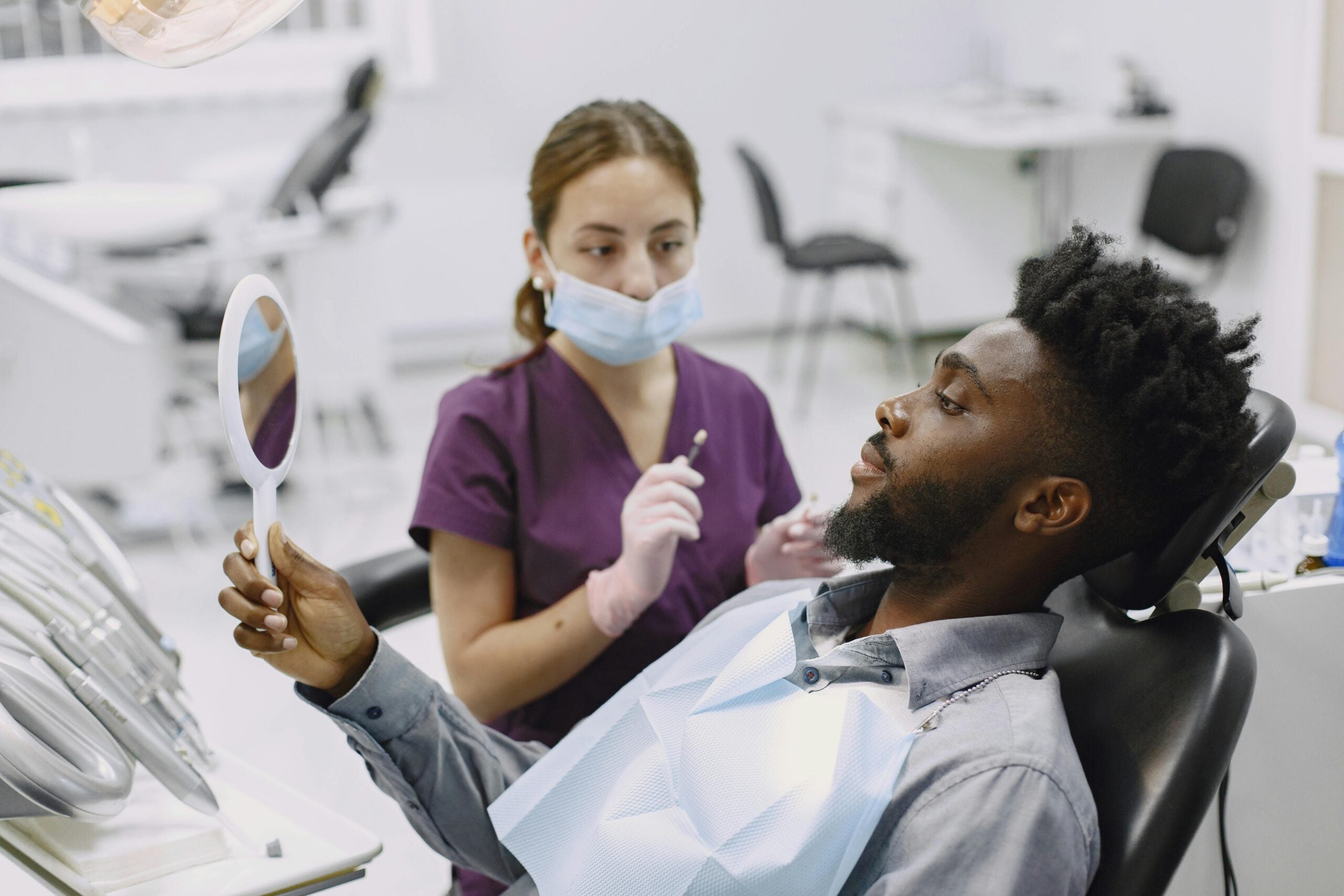
Your first visit focuses on your goals, your oral health, and whether orthodontics fits your needs right now. Expect a clear explanation of options, risks, and likely timelines, tailored to your mouth. You bring a short list of questions after noticing new crowding. Bring your questions about age and orthodontics, gum health, and any prior dental work.
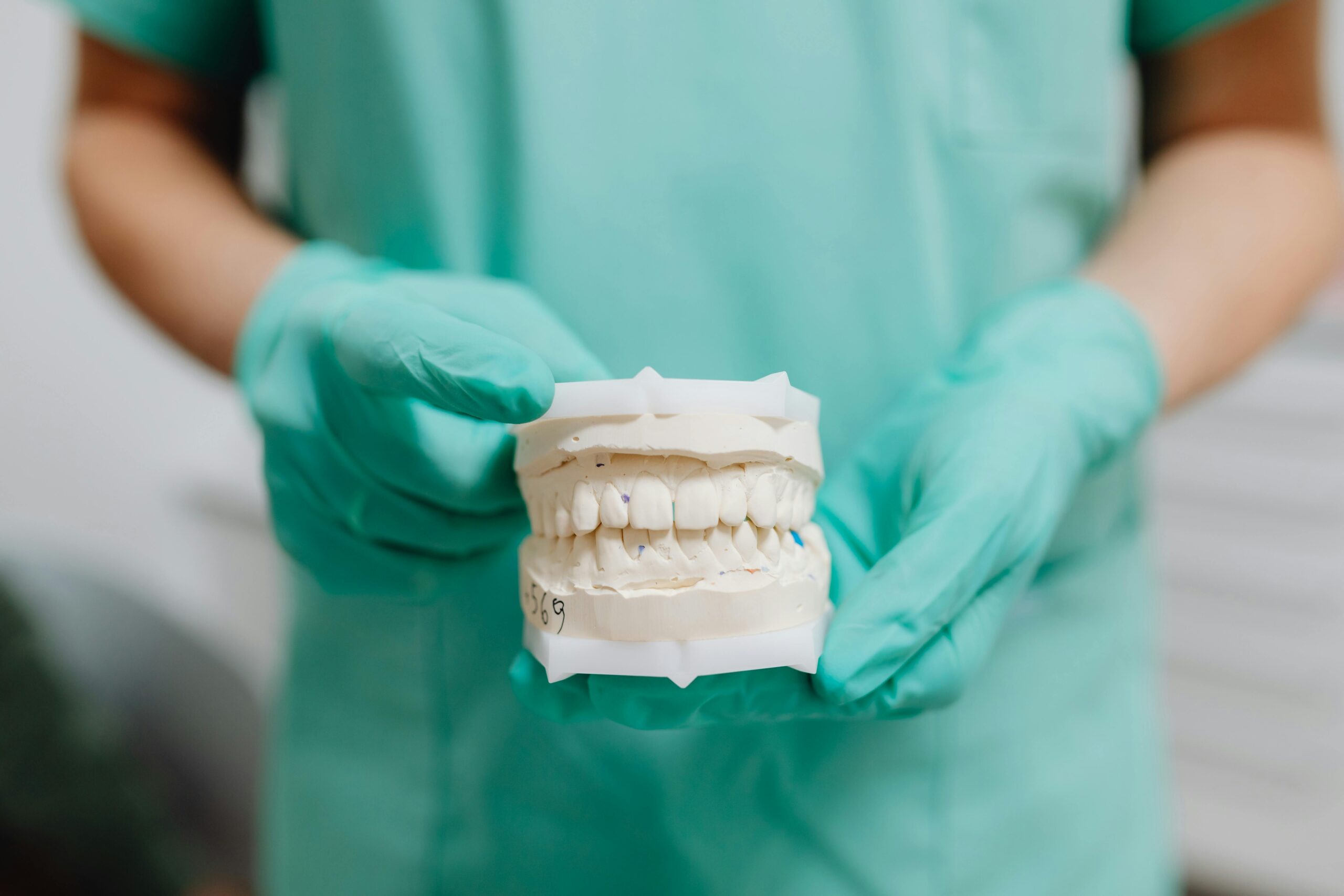
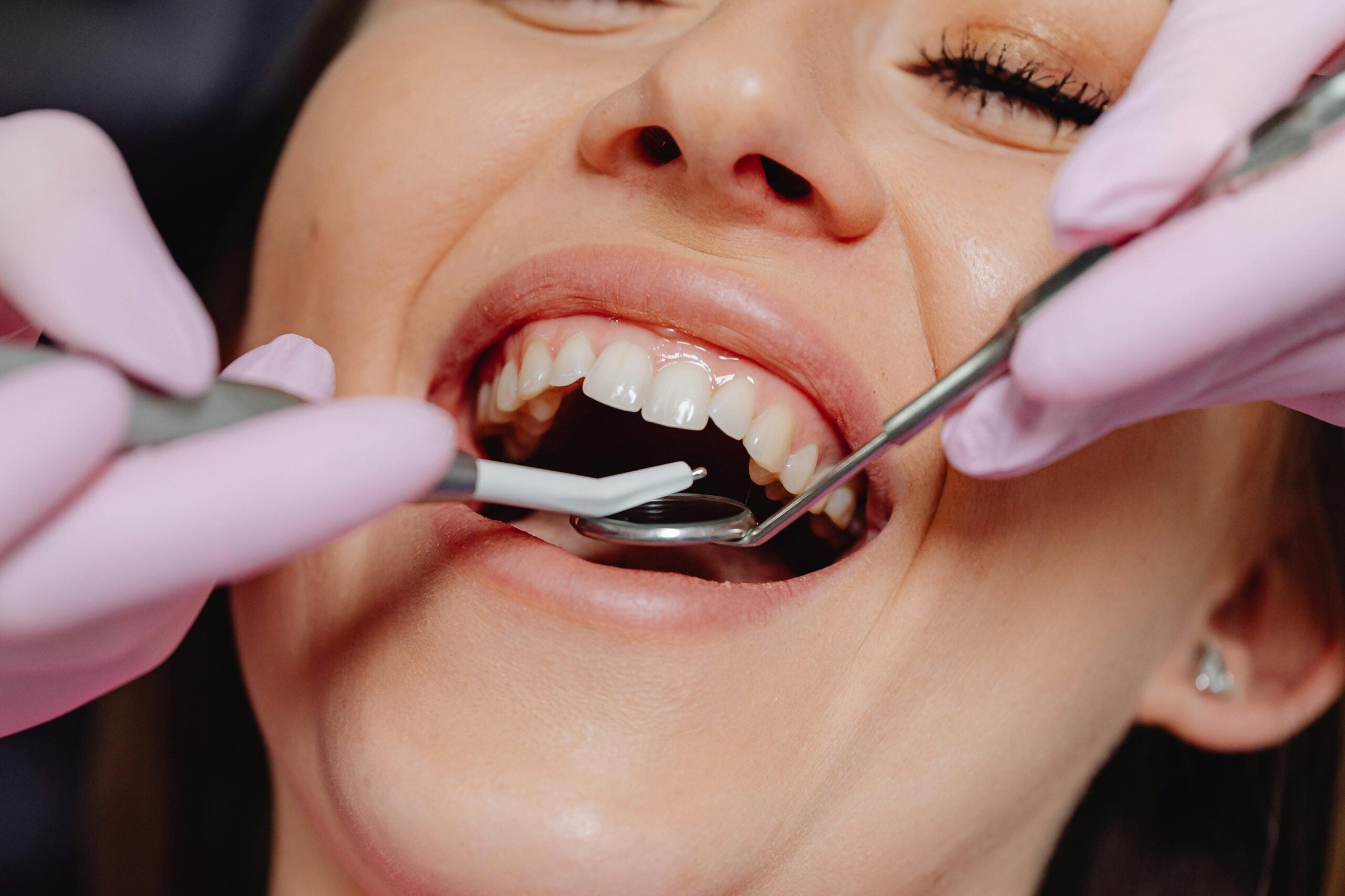
The exam looks at your bite, jaw function, and gums, then gathers records. Most offices take photos, a panoramic X‑ray or 3D scan when indicated, and digital models to map tooth movement. Periodontal screening checks for bleeding, pockets, or recession so treatment protects the supporting bone. Teeth that have had root canal treatment can usually move safely with light forces, while dental implants do not move, so plans work around them. This assessment shapes a plan that balances movement, hygiene, and long‑term stability.
Your medical history matters. Tell your dentist about medications that affect bone or healing, such as some osteoporosis drugs, and conditions like diabetes or dry mouth. If gum therapy is needed first, it is scheduled before active tooth movement to keep tissues healthy. You will also review common experiences, like short‑lived soreness after adjustments, and less common risks, such as root changes or gum irritation. If dental anxiety is a barrier for related procedures, ask about gentle oral sedation options that can be coordinated when appropriate. Clear expectations reduce surprises and support steady progress.
Finally, you and your orthodontist align on the plan. You will discuss appliance choices, what daily wear or cleaning involves, visit frequency, and how retainers will hold the result. If other dental work is needed, sequencing is outlined so each step builds on the last. You leave with a written summary, an estimated timeline, and simple next steps. With the right information in hand, choosing when and how to start feels straightforward. Good planning makes treatment smoother and safer.
Addressing Common Myths About Age and Braces
Many beliefs about age and braces are outdated. Adults and older adults can begin orthodontic care when gums are healthy and the plan fits their needs. Teeth respond to gentle forces because the bone around them can remodel throughout life. A 58-year-old wonders if braces can still work safely.
Age changes planning, not possibility. Movement in adults may be a bit slower, but timing depends more on the bite and goals than a number. Comfort is manageable with light forces, and temporary soreness usually fades as tissues adapt. A careful start, including a gum check and X-rays, helps protect the supporting bone and guides safe movement.
Another myth is that braces damage gums in adults. In reality, stable periodontal health and good hygiene keep tissues healthy during tooth movement. If gum disease is present, it is treated first, then teeth are moved gently so the bone stays strong. Prior dentistry is not a barrier. Teeth with crowns or root canals can still move with adjusted forces and attachments. Dental implants do not move, but plans can align nearby teeth while keeping the implant in place. Feeling that teeth are slightly loose is normal during active movement, then stability returns as bone reorganizes and retainers hold position.
People also think braces are only cosmetic. In fact, better alignment can improve chewing, reduce edge chipping, and make daily cleaning simpler. Another myth is that extractions are automatic; space can often be created with careful tooth shaping, planned enamel reduction, or controlled expansion when appropriate. What matters most in age and orthodontics is a well-sequenced plan, steady hygiene, and consistent retainer use after treatment. With the right plan, adults can move teeth safely and predictably.
How Orthodontics Can Improve Your Smile
You avoid photos because one front tooth twists inward. Orthodontics improves your smile by aligning teeth, leveling the bite, and balancing how your teeth, gums, and lips show when you smile. Straighter teeth reflect light evenly, which makes them look brighter and more symmetrical. A leveled, centered bite helps your smile look natural and relaxed.
Tooth positions shape the way your smile looks. Rotations and crowding break up smooth lines, while alignment restores consistent edges and contact points. Careful control of tooth angles supports a pleasing smile arc, so the edges of the upper teeth follow your lower lip. We also assess the gumline and occlusal plane; if the smile tilts or one side shows more gum, measured movements can reduce the tilt and even the display.
Bite corrections matter for appearance too. When back teeth fit together properly, the front teeth can be positioned for ideal length and shape without overloading their edges. Coordinating arch width can soften dark spaces at the corners of the smile, creating a fuller look when appropriate. Where small “black triangle” gaps appear, planned contact reshaping and controlled root positioning can reduce their visibility. Gum health guides these steps, and habits like smoking can negatively affect tissue response during orthodontic treatment, so we plan accordingly [4].
Finishing details help the result look polished. Minor enamel contouring smooths tiny chips, and precise root alignment supports even tooth display across the smile. Retainers hold the new positions while the supporting tissues settle, which keeps the look consistent over time. In age and orthodontics conversations, the goal is the same at every stage of life: balanced tooth positions, a stable bite, and a smile that feels natural in daily use. Small, well-sequenced changes often create the biggest visual improvement.
Maintaining Oral Health During Treatment
Keeping your mouth healthy during orthodontic treatment means daily plaque control, smart eating, and regular professional care. Brush twice a day with fluoride toothpaste, clean between teeth, and keep gums from bleeding. A simple routine protects enamel and gums while teeth move. After getting braces, you wonder how to keep everything clean.
Appliances create new plaque traps, so technique matters. Angle your brush at the gumline, sweep around brackets or attachments, and take a full two minutes. Clean between teeth daily with floss threaders, interdental brushes, or a water flosser so the gums stay quiet. Eat on a schedule, not with constant snacking, and limit sugary or acidic drinks. If you wear aligners, remove them for meals and anything but water, brush or rinse before reinserting, and clean trays with cool water and approved methods. Some cleaning agents can alter aligner color and surface roughness, so choose products shown to be safe for trays [5].
Adults often start with old fillings, mild recession, or past gum therapy, so monitoring is key. If gums bleed, add a focused gumline pass with a soft brush, and consider a nightly fluoride rinse. Your dentist may recommend high‑fluoride toothpaste or in‑office varnish if you have a history of white spot lesions. Dry mouth from medications raises cavity risk, so sip water often, use sugar‑free xylitol gum, and avoid tobacco. In age and orthodontics planning, some patients benefit from more frequent hygiene visits to keep tissues stable while teeth move.
Between visits, watch for warning signs. Persistent bleeding, sore swollen gums, or fuzzy aligners that smell sweet suggest plaque is winning. Call if a bracket loosens or a retainer rubs, since small repairs prevent bigger problems. Consistent home care keeps appointments short and progress steady, and it protects your final result when you transition to retainers. Healthy gums make treatment smoother and outcomes last longer.
Long-Term Care Post-Orthodontic Treatment
Long-term care means keeping teeth in their new positions, protecting enamel and gums, and monitoring your bite. You finish aligners and ask how to keep your smile straight. Most adults wear retainers at night on an ongoing schedule, since teeth can drift over time. Simple home care and periodic checks make results last.
Retention is the cornerstone. Removable retainers are easy to clean and replace if they wear out. Fixed, tooth-bonded retainers hold key teeth, but they require careful brushing and threader floss to keep gums healthy. Case reports describe gingival recessions in lower front teeth associated with fixed lingual retainers, so hygiene and routine monitoring are important [6]. If a bonded retainer loosens or a removable retainer feels tight, call promptly. Small repairs prevent relapse and keep treatment minor.
Enamel and gum health deserve attention after appliances come off. If you developed white spot lesions, your dentist may use high-fluoride toothpaste, varnish, or guided remineralization, then reassess. Post-orthodontic white spots can carry ongoing preventive needs over time, as modeling studies have shown [7]. Where tiny “black triangle” gaps appear, careful contact reshaping and root positioning can soften their look, often paired with floss coaching to keep papillae full. If you clench or grind, a separate night guard can protect edges once the bite has settled.
Your plan may also include restoring missing teeth to keep spacing stable and improve chewing. After orthodontics opens or organizes space, options range from implants to well-designed removable replacements. For some patients, a conservative step like thoughtful partial denture design maintains alignment while rebuilding function. Schedule regular cleanings, bring retainers to visits for a fit check, and replace them if they no longer seat fully.
In age and orthodontics discussions, long-term care stays simple: consistent retainer wear, clean gums, and timely maintenance. Small habits protect a big result.
Frequently Asked Questions
Here are quick answers to common questions people have about Am I Too Old for Braces? in Glendale, AZ.
- Is age a barrier to orthodontic treatment?
Age is not a barrier to orthodontic treatment. Teeth can be moved at any age because the bone surrounding them can remodel throughout life. Whether you are a child, teenager, or adult, orthodontics can align your teeth safely. The key is a well-tailored plan that considers gum health, existing dental work, and lifestyle needs. In each stage of life, the approach and timing may vary to optimize results.
- What should adults consider before starting orthodontic treatment?
Before starting orthodontic treatment, adults should consider factors like gum and bone health, existing dental work, and the relationship between their bite and jaw. It is important to assess any medical conditions, medications, and lifestyle needs that may affect treatment. An initial examination, including X-rays and periodontal screening, helps tailor the plan for safe and effective results. Addressing these considerations strengthens the foundation for successful treatment.
- Can orthodontics benefit adults beyond straightening teeth?
Yes, orthodontics not only straightens teeth but also enhances overall oral health for adults. Treatment can improve chewing comfort, make cleaning easier, and distribute biting forces evenly to protect teeth and gums. Proper alignment reduces plaque traps and can enhance speech clarity. These functional benefits lead to easier daily maintenance and stronger long-term dental health.
- How do braces differ from clear aligners for adults?
Braces and clear aligners both straighten teeth, but they differ in several ways. Braces are fixed and continuously exert pressure, ideal for complex movements. They require careful cleaning around brackets. Clear aligners are removable trays that allow easy brushing and flossing but must be worn as prescribed. Both options have unique benefits, and the choice depends on personal preferences and orthodontic needs.
- Why is gum health important in orthodontics?
Gum health is crucial in orthodontics because healthy gums and supporting bone provide a strong foundation for moving teeth. Before starting treatment, any gum disease must be treated to avoid complications. Healthy gums prevent inflammation and support the stability of teeth during and after treatment. Regular periodontal check-ups and good hygiene practices are vital for achieving successful outcomes.
References
- [1] Initial arch wires used in orthodontic treatment with fixed appliances. (2024) — PubMed:38319008 / DOI: 10.1002/14651858.CD007859.pub5
- [2] Changes in the Oral Microbiota with the Use of Aligners vs. Braces: A Systematic Review. (2024) — PubMed:39685893 / DOI: 10.3390/jcm13237435
- [3] Patient perspectives on teledentistry and face-to-face doctor interaction during orthodontic treatment. (2023) — PubMed:36411229 / DOI: 10.1016/j.ajodo.2021.11.019
- [4] Evaluation of the Impact of Smoking on Orthodontic Treatment. (2024) — PubMed:39664131 / DOI: 10.7759/cureus.73431
- [5] Comparative evaluation of the effect of different cleaning agents on colour and surface roughness of Invisalign clear aligners: a cross-over randomized controlled trial. (2025) — PubMed:41188779 / DOI: 10.1186/s12903-025-06928-w
- [6] The Treatment of Gingival Recessions in the Lower Anterior Region Associated with the Use/Absence of Lingual-Fixed Orthodontics Retainers: Three Case Reports Using the Laterally Closed Tunnel Technique and Parallel Incision Methods. (2025) — PubMed:40136721 / DOI: 10.3390/dj13030093
- [7] Comparison of potential long-term costs for preventive dentistry treatment of post-orthodontic labial versus lingual enamel cavitations and esthetically relevant white-spot lesions: a simulation study with different scenarios. (2019) — PubMed:31399113 / DOI: 10.1186/s13005-019-0204-x