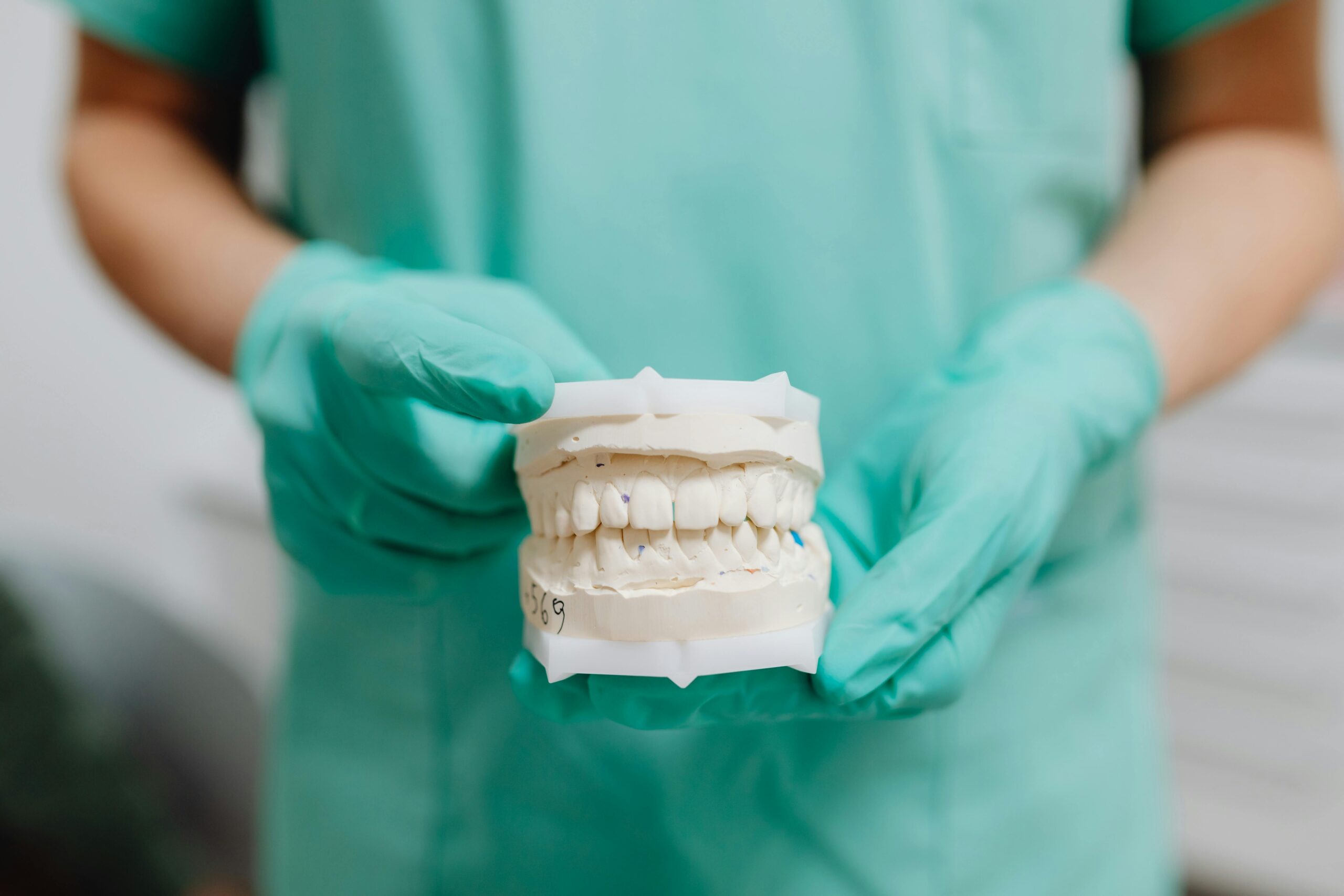

Case Overview
This case describes a creative full-arch solution in a challenging upper jaw. A tall sinus septum and a non-restorable molar made standard implant paths risky. In this all-on-4 sinus septum coronectomy case, we combined angled implant placement with a selective coronectomy to protect the sinus and preserve usable bone.
Picture a patient who cannot tolerate a loose upper denture. A maxillary sinus septum is a bony ridge inside the sinus that can block access and change membrane shape. It limits implant length and angulation, and raises the risk of sinus membrane perforation. When a molar root sits near that septum, removing only the crown and smoothing the root (coronectomy) can avoid a sinus communication while keeping surrounding bone stable for the final prosthesis. This approach reduces surgical complexity when sinus lifting is less desirable.
Planning began with a CBCT scan to map the septum, ridge width, and cortical anchors. With that map, we placed two anterior implants more axially in denser bone near the canine pillars, then angled the posterior implants to avoid the septum and engage stronger bone without entering the sinus. Multiunit abutments corrected angulation, creating a shared path for a screw-retained provisional. Immediate temporization was considered only after confirming primary stability and a light, balanced bite. The coronectomy site was carefully sealed and left undisturbed, minimizing the chance of sinus communication while the implants integrated.
For the patient, this plan aimed to avoid a sinus lift, shorten treatment time, and deliver a fixed provisional they could wear comfortably while healing. It also preserved key bone around the septum for long-term support. If you are exploring fixed full-arch options, learn more about our full-arch All-on-4 treatment. Thoughtful planning can navigate unusual sinus anatomy.
Initial Presentation
The patient arrived asking for fixed upper teeth that feel stable and look natural. Chewing was difficult, speech felt slurred, and sore spots under a loose denture were common. At intake for this all-on-4 sinus septum coronectomy case, a recently fractured upper molar and uneven posterior bone height were noted on screening imaging. The patient hoped to avoid long grafting and return to normal eating quickly.
On the medical review, there were no recent sinus infections, fevers, or facial pain. Blood pressure was controlled, and diabetes screening was acceptable. The patient clenched at night, reported jaw fatigue, and felt anxious about lengthy dental visits. We discussed comfort strategies, including gentle oral sedation options, to keep appointments calm and efficient.
Clinical exam showed healthy cheeks and palate, mild inflammation where the denture rubbed, and adequate mouth opening. Interarch space was sufficient for a screw-retained full-arch prosthesis without making teeth look too long. Bite records showed a light, repeatable closure with room to balance contacts. The smile line exposed the upper front teeth but not the full gumline, which helped with prosthetic design. We compared fixed and removable implant paths so expectations were clear, including the option of removable snap-in implant dentures for patients who prefer fewer appointments.
A panoramic radiograph suggested variable sinus floor height near the failed molar, so careful three-dimensional planning was indicated. Soft tissue thickness, keratinized band width, and vestibular depth were recorded to guide incision design and hygiene access after delivery. We also documented dietary limits, speech goals, and esthetic priorities to shape the provisional plan. These findings set the stage for targeted imaging and a safe surgical path that respects the sinus and preserves bone.
With the patient’s goals and risks defined, we moved to detailed imaging and surgical planning. Clear goals make complex treatment safer.
Diagnostic Workup
The diagnostic workup identified safe implant paths, confirmed whether a coronectomy was advisable, and set realistic loading goals. We combined thorough health screening with detailed 3D imaging to map the maxillary sinus septum, the failed molar, and usable bone. This created a clear plan for angulation, abutment selection, and soft tissue access in our all-on-4 sinus septum coronectomy case.
Think of it like mapping a route around a steep ridge before hiking. Cone-beam CT provided cross-sectional views to locate the septum’s height and orientation, measure ridge width and vertical bone, and check sinus membrane thickness. We noted the proximity of the posterior superior alveolar artery and traced the nasal floor and canine pillars for stable anterior anchorage. Virtual planning tested implant trajectories that bypass the septum while aiming for screw-access channels that emerge cleanly on the prosthesis. This step also informed multiunit abutment angles and the need for tissue-level contouring.
The compromised molar was evaluated to decide if selective coronectomy would reduce sinus risk. We checked for active infection, mobility, and periapical changes, since those findings would favor extraction instead of leaving roots. When coronectomy is appropriate, we plan root reduction below bone level and a sealed site so the sinus membrane is undisturbed during healing. Parallel to this, we assessed soft tissue thickness and the band of keratinized tissue to ensure future hygiene access and comfortable cleaning around the final bridge.
Occlusion and function guided loading decisions. We verified interarch space for a rigid framework, a light, repeatable bite, and signs of clenching that might overload a fresh prosthesis. If primary stability and a balanced occlusion are confirmed intraoperatively, immediate temporization is considered. If not, a staged approach protects integration. These details, assembled before surgery, reduce surprises and help the procedure move efficiently.
For patients, this careful workup means fewer mid-course changes and a smoother surgery day. It also sets up the next step, where the surgical plan is executed to protect the sinus and preserve bone. Thoughtful planning makes complex anatomy manageable.
Treatment Plan
The plan is to keep the sinus safe, preserve bone, and deliver fixed teeth. We will remove only the crown of the compromised molar, smooth and seal the roots, and place four implants to support a screw-retained bridge. The two front implants will be more upright in strong bone, and the two back implants will be angled to bypass the sinus septum. In this all-on-4 sinus septum coronectomy case, a same-day provisional is used only if stability and a light bite are confirmed.
On surgery day, the goal is steady and predictable. Comfort is set first, with local anesthesia and, when appropriate, deeper sedation for anxious patients; we offer deep sedation care when medically suitable. A precise flap gives clear access around the septum and the failed molar. The coronectomy removes enamel and dentin to below bone level, leaving calm roots undisturbed, then the site is sealed so the sinus membrane is not provoked. Clear visualization reduces membrane risk and protects future hygiene contours.
The implant and prosthetic sequence follows a tested order:
- Seat anterior implants in dense bone with a shared path for screw access.
- Angle posterior implants to avoid the septum and engage cortical anchors.
- Place multiunit abutments to correct angulation and protect soft tissue.
- Verify primary stability and adjust the bite to very light, even contacts.
- If stability is adequate, fabricate a rigid, screw-retained provisional the same day.
- If stability is marginal, deliver a protective healing phase and delay loading.
After surgery, the focus shifts to clean healing and controlled function. We schedule short, regular checks for tissue health and bite balance, then convert to the final bridge after integration and soft tissue maturation. For patients who clench, a night guard is added once the final is in place to protect the work. This plan keeps the sinus quiet, shortens treatment where safe, and sets up a smooth transition to the definitive restoration. Next, we move to careful execution of these steps in the operating phase.
Procedure Highlights
This procedure focused on safe sinus navigation, stable implant anchorage, and a clean path to a fixed bridge. In this all-on-4 sinus septum coronectomy case, the key moves were angling the back implants around the septum and removing only the crown of a risky molar to avoid a sinus opening. Careful bite control and soft tissue management supported comfort and healing. Each step protected bone while keeping the plan efficient.
To respect the septum, the posterior implants were started with small pilot drills and verified for direction before widening. Angulation was set to engage strong cortical bone while keeping the sinus membrane untouched. Anterior implants were placed more upright to share load and create straight screw access. With this spread, the framework gains rigidity, and forces are directed along safer paths during early healing.
Imagine leaving surgery breathing clearly through your nose with no sinus pressure. The fractured molar’s crown was reduced below bone level, the remaining roots were smoothed, and the site was sealed so it stayed quiet under the sinus. Multiunit abutments were selected to align screw channels and protect soft tissue during hygiene. A rigid provisional was considered only after confirming torque stability and a light, even bite. The occlusion was adjusted so front contacts guided movement, and heavy back contacts were avoided to reduce micromovement.
Soft tissue closure was tension free, with sutures placed to allow easy cleaning around the temporary bridge. Irrigation was gentle, and the area was checked to confirm no air leak into the sinus. Short, scheduled checks after surgery focused on tissue health, screw security, and bite balance. For the patient, these choices shorten treatment where safe, protect the sinus, and pave the way to the final bridge with fewer surprises. Thoughtful execution supports predictable, comfortable healing.
All-on-4 Technique Explained
The All-on-4 technique replaces a full arch of teeth using four dental implants to support a fixed bridge. Two implants are placed near the front, usually upright. Two are placed farther back at a planned angle to use stronger bone and avoid fragile areas like the sinus. When stability and bite are right, a screw-retained provisional can be delivered the same day.
Angled posterior implants are not a shortcut; they are biomechanical tools. Tilting increases the front-to-back spread, shortens cantilevers, and allows engagement of cortical bone in supportive areas, without entering the sinus. Multiunit abutments correct angulation to bring all screw channels to a common path. Picture leaving with a fixed bridge the same day. In this all-on-4 sinus septum coronectomy case, the tilt let us bypass a tall sinus septum, while coronectomy kept the sinus membrane undisturbed and preserved bone for support.
Careful planning is essential. CBCT mapping defines bone volume, septa, and prosthetic space, then virtual planning sets implant trajectories with screw access emerging through cleanable, nonesthetic zones. During surgery, primary stability guides loading decisions, and occlusion is adjusted to light, even contacts to limit micromovement during healing. Soft tissue design aims for a keratinized band around abutments and easy hygiene. If stability or bite control is uncertain, we delay loading and protect the implants with a healing phase before converting to the final bridge.
For patients, this approach can avoid sinus grafting, reduce appointments, and provide a secure, natural-feeling smile sooner. For clinicians, it offers a repeatable framework that adapts to variable sinus anatomy. Next, we apply these principles step by step to the maxillary case described.
Sinus Septum Utilization
Sinus septum utilization means using the septum’s position and shape to guide a safe, efficient implant plan. We do not work through the septum; instead, we use it as a landmark to set implant angles, lengths, and safe corridors. Picture a bony speed bump inside the sinus steering where drills can safely pass. This approach protects the sinus membrane while preserving bone for a stable full-arch result.
On CBCT, the septum defines boundaries that help choose posterior implant tilt and entry points. By aiming around the septum, we engage dense cortical areas while keeping screw-access channels in clean, maintainable zones. Multiunit abutments then bring the angulations to a common path so the bridge seats passively. This planning reduces cantilevers and keeps forces aligned during early healing.
Septa are common and vary in height, thickness, and orientation, so mapping them before surgery matters. Radiographic studies show that these patterns differ across patients, making preoperative identification important for safe maxillary plans [1]. That map guides the working distance from the membrane, the use of smaller pilot drills for direction control, and the choice of final implant length. It also clarifies when a lateral window or sinus graft would add risk or complexity, so we can consider alternative paths.
When a posterior root sits near a tall septum, selective coronectomy can keep the membrane quiet. Removing the crown, smoothing the root below bone level, and sealing the site preserves surrounding bone and avoids a sinus opening. With the obstruction defined, the posterior implants can be angled around it, while anterior implants remain more upright for load sharing. In our all-on-4 sinus septum coronectomy case, this combination created a rigid framework without disturbing the sinus.
For patients, septum utilization means less sinus irritation, fewer surprises, and a clearer path to fixed teeth. It can shorten treatment when conditions are right, and it supports a comfortable, cleanable bridge. In the next section, we translate this plan into the immediate and healing-phase steps that protect integration. Careful septum mapping keeps complex anatomy predictable.
Coronectomy of Tooth #11
A coronectomy of Tooth #11 means removing only the crown of that upper front tooth, then smoothing and sealing the remaining root below the bone. In this case, the goal was to preserve the thin front bone and soft tissue, avoid a nasal or socket opening, and keep the ridge stable for the full-arch bridge. This choice kept the area quiet while implants healed and the temporary bridge functioned comfortably.
Imagine a front tooth broken to the gumline the week before surgery. Extracting it fully can collapse the thin facial bone, which makes prosthetic contours harder and may require grafting. By reducing the crown and submerging the root, the periodontal ligament remains, which helps maintain the surrounding bone and gum profile. We select coronectomy only when the root is firm, free of active infection, and positioned away from obvious pathology. If these conditions are not met, conventional extraction or other steps are safer.
During surgery, local anesthesia is placed, and a small access is created to clearly see the fracture and bone crest. The crown is sectioned and removed, the remaining root is reduced a few millimeters below the bone edge, and all sharp enamel or dentin is smoothed. The site is cleaned, then covered and closed so it heals undisturbed under the soft tissue. This protects the facial plate, supports a natural-looking gum contour, and keeps the provisional bridge flangeless and easy to clean. In our all-on-4 sinus septum coronectomy case, this also simplified implant paths by keeping the anterior ridge intact.
For the patient, this approach reduces trauma, lowers the chance of an opening into the nose, and can avoid extra grafting. The area is monitored at follow-up visits. If signs of root pathology ever appear, we re-evaluate and treat, including removal if needed. Before choosing coronectomy, we discuss alternatives such as endodontic treatment options when appropriate, along with the timeline for the final bridge. Next, we focus on post-operative care and the steps that protect implant integration.
Preserving bone here simplifies the final bridge.
Post-Operative Care
Post-operative care focuses on keeping the sinus calm, protecting the implants, and letting tissues heal. For the first week, rest, control swelling, and avoid pressure changes in your nose and mouth. Keep the provisional bridge clean but undisturbed, and follow a soft diet so the implants remain stable.
Picture the morning after surgery with mild cheek swelling and a stuffy nose. Do not blow your nose, and sneeze with your mouth open to lower pressure. Avoid straws, smoking, and heavy lifting for several days, since these increase sinus pressure and can disturb the sealed areas. The coronectomy site sits under the gum and should not be probed with fingers, brushes, or appliances. In this all-on-4 sinus septum coronectomy case, quiet sinus behavior supports smooth integration.
Hygiene starts gently. For the first 24 hours, avoid brushing the surgical areas and do not use a water flosser. Beginning the next day, rinse lightly with warm saltwater several times daily, and brush the non-surgical teeth softly. Clean around abutments with a very soft brush as instructed, keeping the provisional in place and stable. Sleep with your head elevated for two nights, and use intermittent cold packs on the cheeks for the first day to limit swelling. Choose cool, soft, high-protein foods, take small bites, and avoid hard or chewy items until you are cleared.
Some swelling, bruising, and light oozing are normal in the first 48 to 72 hours. Contact our office if you notice persistent nose bleeding, liquid moving from your mouth to your nose when drinking, increasing sinus pressure or pain after day three, fever, foul taste, or any looseness of the bridge. A sudden change in your bite also deserves an evaluation. Short, scheduled visits check tissue health, screw security, and bite balance, then we guide a gradual return to normal function as the implants integrate.
Good daily care now leads to a more comfortable, on-time conversion to the final bridge. Protect the sinus, keep the bite light, and let the implants rest.
Outcome & Follow-Up
The immediate outcome was stable implants, a calm sinus, and a sealed coronectomy site. Primary stability and a light, even bite allowed a screw-retained provisional at delivery. In this all-on-4 sinus septum coronectomy case, there were no sinus symptoms, and the soft tissues closed without tension. At two weeks, the patient reported easy chewing of soft foods.
Early follow-up focused on soft tissue health, screw security, and occlusion. At 1 week, we checked the incisions, confirmed no air leak into the nose, and verified that contacts remained light. At 2 to 3 weeks, we refined the bite and reviewed hygiene around the abutments, keeping the provisional undisturbed. Gentle cleaning techniques were reinforced to keep the tissue margins healthy and reduce inflammation.
Bone and implant integration were assessed at 8 to 12 weeks with clinical testing and radiographs, looking for stable crestal bone and absence of pain to percussion. If stability remained strong, final records were made, including verification of implant positions and a framework try-in for passive fit. For patients who clench, we planned a night guard after final delivery to protect the new bridge. Throughout this period, diet advanced from soft to normal as comfort and stability allowed.
Coronectomy follow-up included monitoring for root migration or late symptoms. If the submerged root remained quiet and below the bone crest, no additional treatment was needed. Any signs of tenderness, swelling, or radiographic change would prompt re-evaluation and, if necessary, removal through a small access. Sinus-related warning signs, such as fluid moving from mouth to nose when drinking or persistent pressure, were reviewed so the patient knew when to call promptly.
Long term, maintenance visits every 4 to 6 months support tissue health and screw security. Professional cleanings around the abutments, regular occlusal checks, and patient home care keep the bridge clean and comfortable. If you need appointment timing or access details, see our current hours. Careful follow-up helps protect integration and preserves the result.
Patient Satisfaction
Patients tend to feel satisfied when teeth are stable, comfortable, and natural looking. In this case, chewing improved, speech felt clear, and sinus pressure was avoided. The bridge did not cover the palate, so taste and temperature were normal. Together, these changes supported confidence in daily life.
Picture biting into toast without a denture rocking. The fixed bridge stayed steady because the implants were placed in strong bone and the bite was balanced. Avoiding a sinus lift lowered congestion risk and helped the nose feel normal after surgery. Coronectomy kept thin bone and gum shape in the right place, which supported a natural smile line.
Comfort also came from small details. A light, even bite reduced clenching stress on new implants, which can make early days gentler. The provisional bridge was smooth and easy to clean, so the gums stayed calm. Clear cleaning steps, simple diet guidance, and short check-ins made recovery feel manageable and predictable. These steps often matter as much as the surgery itself.
Function and speech were common wins. With no plastic across the palate, words sounded crisp and food textures felt normal again. As healing progressed, the diet moved from soft to regular foods. Regular visits allowed bite refinements so chewing stayed even and comfortable. If a patient prefers removable solutions, we discuss expectations and fit for modern partial dentures as an alternative.
Expectations were set early, which protects satisfaction. We explained likely timelines, the look and feel of a provisional, and daily care needs. We also reviewed signs that deserve a call, such as changing bite or sinus symptoms, so worries did not build. In this all-on-4 sinus septum coronectomy case, steady progress, a quiet sinus, and a cleanable design supported a confident return to normal routines.
Simple, stable function builds lasting satisfaction.
Future Implications for Treatment
This case points toward safer, faster maxillary full-arch care with fewer grafts. Using the septum as a planning landmark, not a target, helps define implant angles that protect the sinus. Selective coronectomy, when criteria are met, can preserve bone near the sinus or nasal floor and simplify the implant path. Immediate loading remains a conditional choice, guided by primary stability and a very light bite.
Picture a future visit where planning is finished before a flap is raised. Wider use of CBCT, digital wax-ups, and guided or navigated surgery can turn complex sinus anatomy into predictable corridors. Septum mapping will likely become a standard step, improving selection of posterior tilt, implant length, and screw-access position. This reduces membrane risk, limits cantilevers, and supports rigid frameworks without entering the sinus.
Coronectomy in strategic areas suggests a broader ridge-preservation toolkit in the maxilla. The lesson is not to leave roots by default, but to consider coronectomy only when the root is quiet, away from infection, and offers clear benefits for bone and soft tissue support. Routine follow-up and clear re-entry plans are part of that commitment. In an all-on-4 sinus septum coronectomy case, this thinking can preserve anatomy that would otherwise need grafting.
Prosthetic design also evolves. Screw-retained bridges with cleanable contours, a keratinized tissue ring, and serviceable components support long-term maintenance. Occlusion should favor light, even contacts and anterior guidance, with protective night guards for bruxers after final delivery. Clear thresholds for immediate versus delayed loading, based on torque, micromobility, and bite control, help teams act decisively on surgery day.
When bone or stability is limited, contingency pathways matter. Short or wider implants, pterygoid or zygomatic anchorage, and staged loading can keep treatment on track without provoking the sinus. Patients benefit from choices that match anatomy, comfort goals, and timelines, all framed by simple home care and scheduled checks. These insights support steady progress from planning to a durable final bridge.
Thoughtful planning around the sinus protects patients and simplifies future care.
Frequently Asked Questions
Here are quick answers to common questions people have about Case Report: Creative All-on-4 in a Complex Maxilla in Glendale, AZ.
- What challenges do sinus septa pose in dental implants?
Sinus septa are bony ridges that can affect dental implant placement by altering the shape and access to the sinus membrane. They can make standard implant paths risky since they limit the length and angle at which implants can be placed. Sinus septa increase the risk of sinus membrane perforation during implant surgery. To navigate these challenges, detailed planning and imaging like CBCT scans are essential to map out safe and effective implant strategies.
- How does the coronectomy procedure aid in dental implant cases?
A coronectomy involves removing only the crown of a tooth, leaving the root intact and below bone level. This procedure helps preserve the surrounding bone, which is beneficial in dental implant cases. It avoids creating an opening into the sinus or nasal cavity, thus reducing surgical complexity and maintaining stability. This approach is suitable when the root is free of active infection and stable, ensuring the sinus membrane remains undisturbed during healing.
- Why are angled implants used in the All-on-4 technique?
In the All-on-4 technique, angled implants are used to take advantage of stronger bone structures and to avoid sensitive areas like the sinus. Tilting the posterior implants increases the spread from front to back, reduces the length of cantilevers, and securely anchors the implants in solid bone areas. This strategy helps provide a stable base for a fixed dental bridge and usually allows for immediate loading of a temporary bridge.
- What is the significance of immediate loading in dental implants?
Immediate loading refers to placing a temporary bridge on implants soon after surgery, allowing patients to enjoy a fixed dental solution right away. This approach relies on achieving primary stability and ensures a light, even bite to avoid stressing the fresh implants. Immediate loading can enhance patient satisfaction by shortening overall treatment time and improving early function, but it is only considered when specific conditions are met to ensure implant success.
- How does careful planning improve outcomes in complex maxillary implant cases?
Careful planning is critical in complex maxillary implant cases to navigate anatomical challenges like sinus septa. This involves using cone-beam CT imaging to map out the sinus and bone structure, allowing for precise implant placement that avoids sinus perforation. Well-thought-out plans include choosing implant angles wisely, preserving bone with procedures like coronectomy, and minimizing surgical intervention. Such meticulous planning leads to more predictable outcomes and successful implant integration.
References
- [1] What are the radiographic prevalence and anatomical patterns of maxillary sinus septa in a Turkish cohort? (2025) — PubMed:40450223 / DOI: 10.1186/s12903-025-06268-9