
Understanding Silver Diamine Fluoride
Silver diamine fluoride (SDF) is a clear liquid that can stop active tooth decay without drilling. It kills cavity-causing bacteria and helps the softened tooth surface harden, which slows or halts the lesion. The treated area often turns dark, showing where the decay has been inactivated, and follow-up applications are usually planned.
Picture a small cavity that keeps snagging floss. In a short visit, the tooth is isolated, gently dried, then SDF is brushed onto the spot. The silver controls bacteria, the fluoride supports remineralization, and the ammonia keeps the solution stable. The surface of the cavity becomes harder and may feel less sensitive over time. Dentists use SDF for silver diamine fluoride caries arrest on open lesions and root surfaces where the liquid can reach the decay.
SDF works best when the cavity has not reached the pulp, and when a dark stain will not be a cosmetic problem. It can be helpful for young children, older adults, people with medical conditions, and anyone who wants to delay traditional drilling while keeping the tooth stable. If a tooth is very broken down, painful, or needs rebuilding for chewing, a restoration is still important. In those cases, options like custom crowns and bridges can protect the tooth and restore function. Your dentist may also place a small filling after SDF once the area is clean and firm.
Think of SDF as a way to control disease and buy time for the right restorative plan. Some teeth with deep decay may also need gentle root canal treatment to remove infection before final restoration. Decisions depend on cavity size, location, moisture control, and your goals for comfort and appearance. Next, we will look at who benefits most and how SDF fits into long-term care. SDF slows decay, often without drilling or numbing.
Benefits of SDF for Caries Arrest
Silver diamine fluoride helps stop active cavities so they do not get deeper. It goes on in minutes, usually without drilling or numbing. By slowing the decay process, it lets the tooth keep more of its natural structure. Many people can delay more involved treatment while the disease is controlled.
Picture a child with early spots between back teeth. Clinical studies show that SDF can arrest decay in young children when placed on accessible lesions [1]. Research in adults also reports caries arrest, including on root surfaces that are common in older patients [2]. Trials have even evaluated SDF against fluoride varnish for cavities between baby molars, which helps guide material choice for specific situations [3]. Together, these findings support silver diamine fluoride caries arrest across age groups. This evidence helps us match the treatment to the tooth and the person.
- Preserves natural tooth structure while controlling disease activity.
- Short chair time, helpful for multiple areas in one visit.
- Minimal equipment and no aerosol, useful for infection control.
- Can stabilize spots before a definitive filling or crown is planned.
- Often comfortable for anxious patients or those with medical conditions.
- Useful for root-surface cavities that are hard to restore.
These benefits matter in everyday care, from busy families to medically complex patients. Your dentist will monitor treated areas and plan the next steps based on comfort, chewing needs, and appearance. Next, we will outline who is a good candidate and when another approach may be better. Early control keeps more options open.
Cosmetic Concerns with SDF Treatment
Silver diamine fluoride can darken the treated cavity, usually turning it brown to black. This color change is permanent in the decayed area, so it may show on front teeth or near the gumline. Healthy enamel around the spot usually does not change color. Temporary stains can occur on gums or skin and tend to fade.
Picture a small spot near the gumline on a front tooth after SDF. The dark color happens because silver reacts inside the softened tooth layer, creating stable dark compounds. This is a sign the decay is no longer active, but it affects appearance. Research is exploring ways to reduce silver-related dentin staining while keeping the benefits of SDF [4]. If appearance matters, your dentist can often place a thin tooth-colored cover after the decay is arrested; a small bonded filling can mask the dark spot with a conservative approach using minimally invasive dental bonding.
Planning helps balance looks and disease control. Back teeth, root surfaces, or areas hidden when you smile are good places to start, since the color is less noticeable there. On front teeth, some people accept temporary staining to stop the decay, then cover it once the surface is firm. When larger areas or a high smile line are involved, more coverage may be needed after arrest, such as carefully planned porcelain veneers for color matching once the tooth is stable. Talk through these steps before treatment so the sequence and the final look are clear.
Daily brushing and flossing reduce plaque that can collect stain, and careful isolation during application lowers the chance of gum discoloration. Clothing can stain if SDF contacts fabric, so protective barriers are used. When planning silver diamine fluoride caries arrest, share which teeth must stay tooth-colored and which areas can be hidden. Together, we can choose where SDF fits and when to add coverage. Plan for color before you start.
The Safety Profile of SDF
Silver diamine fluoride has a strong safety profile when used as directed. It is applied in tiny amounts to the tooth surface, and most effects are local to the treatment area. The most expected change is darkening of the treated decay, not the surrounding healthy enamel. Serious reactions are uncommon.
Picture a quick visit where a small brush touches only the cavity. Because SDF is topical, dentists isolate the tooth and use suction to limit swallowing and keep it off the gums and skin. When soft tissues are contacted, effects are usually mild and short lived, such as brief irritation, a metallic taste, or temporary staining. Published reviews in older adults report mainly mild, local events and no consistent serious harms across studies [5]. People with a known silver allergy should avoid SDF, and it should not be placed on areas of open sores in the mouth.
Safety considerations are similar whether SDF is used for sensitivity control or for silver diamine fluoride caries arrest. The liquid’s components work locally, so systemic exposure is minimal, especially with good isolation and a small drop. Dentists apply petroleum jelly to lips, protect clothing, and rinse or wipe promptly if the solution touches soft tissues. Eyes are shielded, and the operator controls the applicator to prevent splatter. These steps help keep the material where it belongs.
For patients, this means SDF can be a low-burden option when drilling or numbing is not ideal. Tell your dentist about allergies, recent mouth ulcers, and any medical conditions so the plan can be tailored. After treatment, the tooth surface may feel drier or less sensitive as it hardens, and your team will check the spot at follow-up visits. If stain on a visible tooth is a concern, future coverage with a tooth‑colored restoration can be planned once the area is stable. Most side effects are mild and local when SDF is used correctly.
How Silver Diamine Fluoride Works
Silver diamine fluoride works by stopping bacteria and rebuilding minerals in the softened tooth layer. In the cavity, silver targets the germs that drive decay, and fluoride helps the weakened dentin harden. The reaction creates a tougher, more acid-resistant surface that resists breakdown. The dark color that appears marks the treated, inactive layer.
A parent wonders how a liquid can harden a soft spot. The answer is chemistry and contact time. Silver ions disrupt bacterial membranes and enzymes, so the biofilm becomes less harmful. Fluoride promotes remineralization, forming stable crystals and a fluoride reservoir that continues to protect between visits. Ammonia keeps the solution alkaline and stable, allowing the drop to penetrate deep into porous dentin.
Within the lesion, silver compounds precipitate, blocking tiny tubules and sealing the surface, which can also lessen sensitivity. Saliva supplies chloride and phosphate, helping form silver chloride and silver phosphate at the surface. The outer zone becomes more mineralized and mechanically stronger, while enzymes that break down dentin collagen are inhibited. Laboratory work shows SDF can preserve the dentin matrix and increase stiffness of the treated layer over time [6]. This hardened barrier resists acids from meals and bacteria.
Clinically, this means SDF is most effective on accessible, non-pulpal lesions and root surfaces, and it can be reapplied to maintain control. Many dentists use it to stabilize disease, then place a conservative restoration once the surface is firm and clean. This two-step approach reflects silver diamine fluoride caries arrest paired with planned rebuilding. Good isolation, a dry field, and reapplication at recall improve outcomes. Understanding the mechanism helps set expectations for color change, feel, and follow-up.
Who Can Benefit from SDF?
SDF can help people who have active cavities but want to avoid drilling, numbing, or longer visits. It is useful for young children, older adults with root decay, people with special health care needs, and anyone who has trouble sitting through traditional care. It also helps when a patient wants to slow decay and plan a later filling or crown. For many, silver diamine fluoride caries arrest offers control without drilling.
Families often choose SDF for a quick, comfortable visit that calms a sensitive spot. Children who find dental shots difficult can get their cavities stabilized in minutes, then return for small restorations once the area is hard. Older adults with gum recession often get root‑surface decay; SDF can reach these open areas, reduce sensitivity, and slow breakdown while daily care improves. People with limited mobility or transportation benefit because fewer, shorter appointments are needed.
Medically complex patients may also be good candidates. Those on blood thinners, with recent surgery, or managing chronic illness can avoid the stress of drilling while disease is brought under control. SDF can be placed with simple isolation and no aerosol, which suits patients who prefer a low‑intervention approach. Picture a frail adult with root decay near the gumline avoiding drilling during a short visit.
SDF is most helpful when the cavity is open enough for the liquid to contact the soft area and when a dark stain is acceptable or can be covered later. It is not a fix for pain, swelling, or a broken tooth that needs structure. In those cases, SDF may still be part of the plan, followed by a tooth‑colored filling or a crown once the surface is firm. If anxiety remains a barrier when definitive work is needed, some patients pair treatment with thoughtful oral sedation options to stay comfortable.
If you want to buy time, reduce sensitivity, or keep care simple, ask whether SDF fits your goals and smile. The right candidate gets disease control now and more choices later.
Application Process of SDF
Silver diamine fluoride is applied by painting a tiny drop onto a cleaned, dried cavity. The tooth is kept dry with cotton and gentle suction so the liquid stays where it is needed. Contact time is brief, and no drilling or numbing is usually required. Most visits take only a few minutes per tooth.
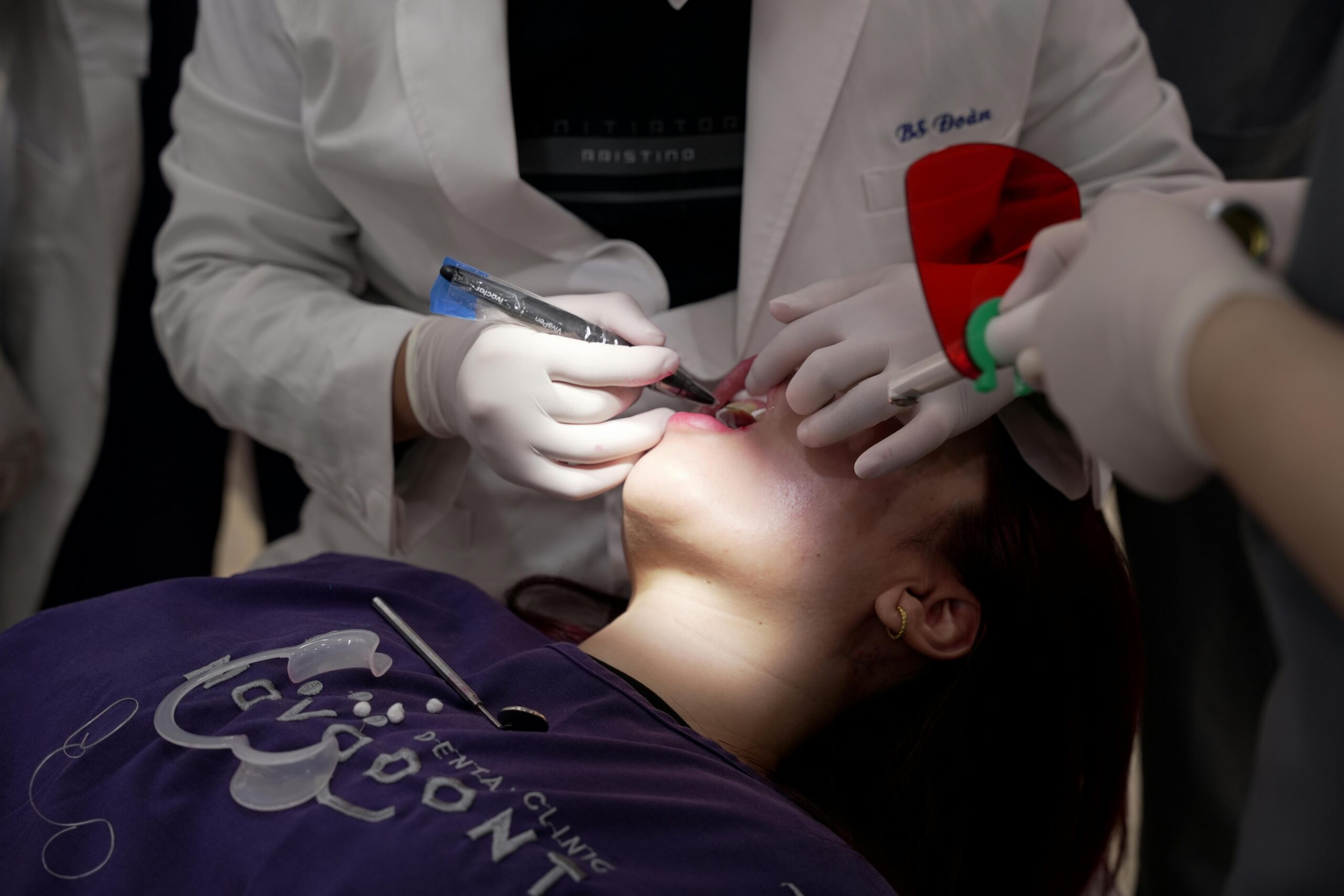
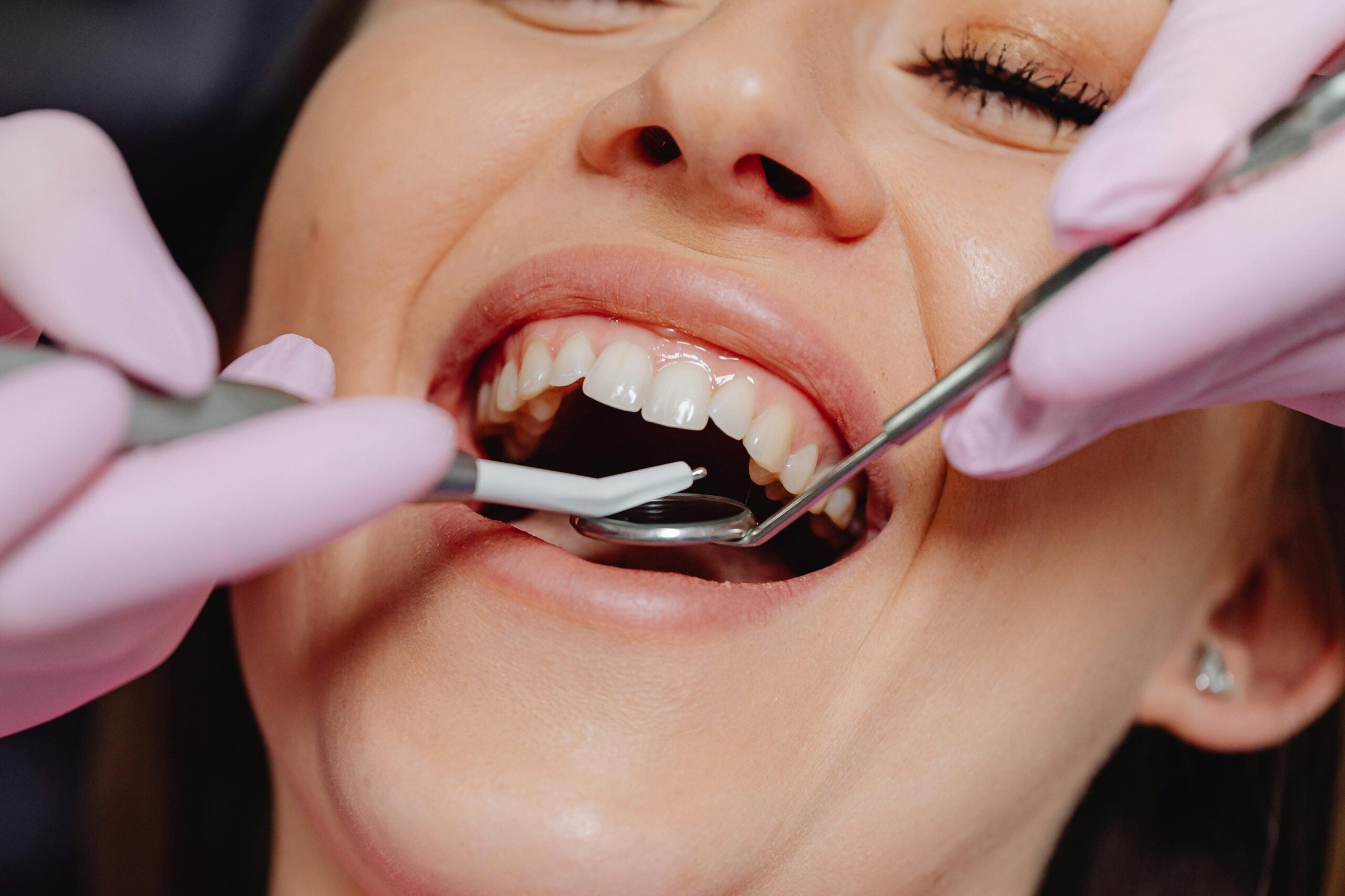
A child sits still as the dentist paints a small spot. First, the area is checked and the soft surface is gently cleaned with a hand instrument or gauze. Lips and cheeks are protected with petroleum jelly, and cotton rolls or pads isolate the tooth. Next, the dentist dries the area and uses a small brush to place SDF, allowing it to soak into the lesion for about a minute. Excess is blotted, then the surface may be covered with a clear coat to lessen taste and protect the site. One drop treats several spots, and the team limits any swallowing with suction.
After the visit, avoid eating and drinking for 30 to 60 minutes so the liquid sets well. Do not brush the treated spot that night, then resume normal brushing the next day. The dark color usually develops over hours to days as the soft area becomes inactive. The dentist checks the site at follow-up; a hard, shiny surface suggests arrest, while softness signals that more work is needed. Some lesions get a second application in 2 to 4 weeks, then maintenance every 3 to 6 months based on risk and access.
When the surface is firm, a small tooth-colored filling can be placed later to rebuild shape and hide stain if needed. These steps support silver diamine fluoride caries arrest while keeping visits short and comfortable. If you are planning around school or work, see our current hours to time follow-up. Simple, careful steps help SDF work well.
Expected Outcomes After SDF Use
After silver diamine fluoride is applied, the treated cavity usually darkens over the next few days. The softened area should harden, feel less sensitive, and stop getting deeper. Some spots need a second application to reach full arrest. Your dentist will check that the surface is firm and dry at follow-up.
In the first weeks, most people notice little to no discomfort. A successful result looks and feels hard, does not trap food as easily, and stops changing in size. If the area remains soft or keeps chipping, more cleaning, reapplication, or a small restoration may be needed. Moisture control, plaque levels, and access to the lesion all influence success, so home care and regular checks matter.
On baby teeth and root surfaces, SDF often arrests decay and reduces sensitivity. Twelve-month clinical data in primary teeth show that lesions can arrest and take on the typical dark appearance, which signals inactivity [7]. Outcomes improve when expectations about color change, the need for reapplication, and future coverage are discussed in advance, as parents value clear information about what they will see and feel after treatment [8]. These points also apply to adults who want a simple, low-burden approach.
Long term, SDF is a disease-control tool, not a rebuilding material. Once a spot is inactive and hard, your dentist may place a small tooth-colored filling to restore shape and hide stain if appearance matters. If a tooth is cracked, painful, or missing structure for chewing, a definitive restoration will still be planned after the lesion is stable. Used this way, silver diamine fluoride caries arrest preserves tooth structure while keeping future options open. Clear goals and follow-up make the results more predictable.
Expect color change, a firmer surface, and close monitoring to confirm arrest.
Limitations of Silver Diamine Fluoride
Silver diamine fluoride (SDF) does not remove decay or rebuild missing tooth structure. It arrests disease, but a separate restoration is often needed for shape and chewing. The treated decay turns permanently dark, which can be noticeable on front teeth. SDF also works best when the liquid can directly contact the cavity and the area can be kept dry.
A parent asks why a dark spot remains after SDF on a front tooth. The stain is expected and is a common reason families avoid SDF in visible areas, since acceptance of the color change varies among caregivers [9]. SDF cannot treat pain, swelling, or an abscess, and it is not suitable if the cavity has reached the pulp. People with a known silver allergy should not receive it, and open mouth sores should be avoided until healed.
Access matters. SDF needs an open path to the soft dentin; it is less effective if the lesion is sealed off under intact enamel or a tight contact. Moisture control matters too, since saliva can dilute the drop and limit penetration. Cavities near the gumline or in deep grooves can be harder to isolate, so results can vary. In those cases, a traditional filling or a staged approach may be more reliable.
Follow-up is essential because arrest is not guaranteed after a single visit. Many lesions need reapplication based on risk, access, and how hard the surface becomes at recall. Clinic workflow, documentation, and policy also affect how consistently SDF is offered and maintained, which can influence outcomes and access to care [10]. These practical factors help explain why two similar teeth may not respond the same way.
Planning the sequence prevents surprises. SDF is a disease-control tool first, then a restoration can cover stain and restore form once the surface is firm. When choosing silver diamine fluoride caries arrest, weigh stain tolerance, access to the lesion, and the need for later rebuilding. Knowing its limits helps you and your dentist set clear goals.
Choose SDF when its strengths fit your tooth and your goals.
Real-Life Applications of SDF
SDF fits real life when you need to stop decay quickly and simply. It is used to harden soft spots, calm sensitivity, and buy time until a filling or crown is planned. Because it is painted on and works fast, SDF can help people who prefer short, gentle visits.
A child with a small cavity before a holiday trip needs a calm visit. In pediatrics, SDF often stabilizes early lesions on chewing surfaces or between baby molars. The liquid reaches the soft dentin, arrests activity, and lets families delay drilling until the area is hard. Once arrested, a small tooth‑colored filling can be placed to rebuild shape and hide the dark spot if it shows when the child smiles.
For older adults with gum recession, root‑surface decay is common and can feel sensitive to cold. SDF soaks into the open, porous root dentin and can reduce sensitivity while halting further breakdown. This is helpful when hand dexterity is limited, or when longer procedures are not practical. Short, periodic applications keep the area stable while daily brushing and flossing improve plaque control.
SDF also helps in staged care. If a tooth has decay but still needs a bigger restoration, SDF can arrest the lesion now, then the dentist restores form later once the surface is firm. This is useful when planning care around work, travel, or medical treatments. It can even protect key teeth while you are designing and fitting a new appliance, such as when planning a well-fitting partial denture. In community clinics and outreach settings, SDF extends care to people who might otherwise wait months; the same principle applies in a private office for busy families.
These examples show how silver diamine fluoride caries arrest adapts to many needs without drilling or numbing. Ask how it can support your goals now, then fit into a longer plan. Simple steps today can keep more options open tomorrow.
Frequently Asked Questions
Here are quick answers to common questions people have about SDF: Stopping Cavities Without a Drill in Glendale, AZ.
- What is silver diamine fluoride (SDF) used for?
Silver diamine fluoride (SDF) is primarily used to stop the progression of active tooth decay, especially in cases where drilling or more invasive treatments are not suitable or desired. It works by controlling cavity-causing bacteria and hardening the softened areas of the tooth. SDF is especially helpful for children, older adults, and those with medical conditions who may find traditional dental procedures challenging. It is applied directly to the decay and helps preserve the natural structure of the tooth.
- Why does silver diamine fluoride turn cavities dark?
When silver diamine fluoride is applied to a cavity, it reacts with the decayed part of the tooth, creating a dark stain that appears brown to black. This color change indicates that the decay has been inactivated. It is a result of a chemical reaction between silver ions in the solution and components in the damaged tooth structure. While the darkening is permanent on the decayed area, healthy enamel usually does not change color.
- How long does it take to apply SDF?
The application of silver diamine fluoride is quick and usually takes only a few minutes per tooth. During the procedure, the dentist isolates and dries the tooth before gently applying the SDF with a small brush. The liquid needs to sit on the cavity for a short time—generally about a minute. This makes it a convenient option for patients who benefit from shorter appointments.
- Can SDF be used on all types of cavities?
SDF is most effective on accessible cavities that have not yet reached the tooth pulp. It works best on open lesions and root surfaces where the substance can penetrate and act on the decayed area. If a cavity is too deep or located in a hard-to-reach area where moisture control is poor, traditional treatments may be more effective. SDF is not suitable for cavities that cause pain or swelling, as these might require additional treatment.
- What should you do after an SDF treatment?
After receiving SDF treatment, avoid eating or drinking for 30 to 60 minutes to ensure the solution sets properly. Brushing the treated area should be avoided the same night but can be resumed the next day as part of normal oral hygiene. The dark color change typically develops over a few days. Follow-up visits are important to monitor the treatment’s effectiveness and decide if further applications or restorations are necessary.
- Is silver diamine fluoride safe for everyone?
Silver diamine fluoride is generally considered safe when used correctly. However, there are precautions. Individuals with a known allergy to silver and those with open mouth sores should avoid SDF. Most side effects are mild and localized, like temporary irritation or metallic taste. Proper application techniques limit exposure and enhance safety. If you have specific health concerns, discuss them with your dentist before treatment.
References
- [1] Silver Diamine Fluoride in Arresting Dental Caries Among Young Children: a Randomized Clinical Trial. (2025) — PubMed:41282046 / DOI: 10.5455/medarh.2025.79.399-405
- [2] Effectiveness of Silver Diamine Fluoride in Arresting Caries in Adult Patients. (2025) — PubMed:40655795 / DOI: 10.4103/jpbs.jpbs_240_25
- [3] Silver diamine fluoride versus sodium fluoride varnish in the treatment of proximal caries in primary molars: A randomized clinical trial. (2025) — PubMed:40397187 / DOI: 10.1007/s44445-025-00012-3
- [4] Incorporation of Green Capping Agents to Reduce Silver-Mediated Dentine Staining. (2022) — PubMed:35871511 / DOI: 10.1159/000525505
- [5] Clinical use of silver diamine fluoride in older adults: A scoping review. (2025) — PubMed:40759309 / DOI: 10.1016/j.jdent.2025.106019
- [6] Long-term effect of ammonia- and water-based silver fluoride on dentin collagen matrix. (2025) — PubMed:41193348 / DOI: 10.1016/j.dental.2025.10.016
- [7] Caries arrest and lesion appearance using two different silver fluoride therapies on primary teeth with and without potassium iodide: 12-month results. (2021) — PubMed:33370847 / DOI: 10.1002/cre2.367
- [8] Enhancing patient-provider encounters when proposing SDF therapy by utilizing a qualitative analysis of parental feedback. (2024) — PubMed:39364345 / DOI: 10.3389/froh.2024.1421157
- [9] Validation of the Malay Version Questionnaire for ‘Parental Perception and Acceptance of Black Staining of Teeth Following Silver Diamine Fluoride Treatment in Children’. (2025) — PubMed:41249769 / DOI: 10.1111/ipd.70051
- [10] Examining clinical, patient, and policy factors associated with silver diamine fluoride adoption in safety-net dental clinics. (2025) — PubMed:41410639 / DOI: 10.1016/j.adaj.2025.10.015