
Common Questions
Patients often ask how long does a deep cleaning take, what it feels like, and how to plan for it. Most deep cleanings, called scaling and root planing, are done in one or two visits that last about 60 to 90 minutes each. Time varies with how many areas need care and your comfort needs.
You set aside a lunch break and wonder if it is enough. We typically treat one to two “quadrants” per visit, which is one fourth to one half of the mouth. Heavier tartar, deeper pockets, or inflamed gums take longer because the roots need more careful smoothing. Local anesthesia is used so you are comfortable, and we can pace the visit with short breaks. If anxiety makes longer visits hard, you can learn about oral sedation options that help you relax while staying responsive.
- Will it hurt? You are numbed first, so you should feel pressure, not sharp pain.
- Can I go back to work after? Many patients do, though lips and cheeks may feel numb for a few hours.
- How long does numbness last? Usually 2 to 4 hours, depending on the anesthesia and your metabolism.
- What about sensitivity? Teeth and gums can feel tender for a few days; a soft brush and mild toothpaste help.
- Can I eat after? Wait until numbness fades to avoid biting your cheek or tongue; choose soft foods at first.
- Is one visit or two better? We decide together based on findings, comfort, and schedule.
After treatment, we check healing at a follow-up visit and re-measure the gums. This shows where inflammation has resolved and whether any sites need more care. Good home care and regular cleanings help keep gums healthy. If you are planning around work or childcare, check our current hours so visits fit your day. A little planning makes the visit smooth.
What is Deep Cleaning?
Deep cleaning, also called scaling and root planing, is a focused gum treatment for periodontal disease. It removes hardened tartar and bacterial biofilm from below the gumline and smooths the root surface so the gums can heal. This is different from a routine cleaning, which polishes teeth and clears plaque above the gums.
You notice bleeding when brushing and a sour taste along the gums. These signs often come from chronic inflammation caused by bacteria that live in deepened gum pockets. During deep cleaning, instruments are used to carefully scale away plaque and calculus from the tooth root, then the root is planed to make it less sticky to bacteria. Smoother roots are easier to keep clean at home, which supports healing.
Before treatment, we record gum measurements around each tooth and review radiographs to see bone levels. This exam guides which areas need care first. In pockets that trap bacteria, the inner lining is thin and inflamed. Removing the deposits reduces that bacterial load, which can lower bleeding and tenderness over the following weeks. Some sites may also be rinsed with an antimicrobial solution, which helps disrupt biofilm during the visit.
The goal is to stop active gum disease, reduce pocket depths, and protect the bone that supports your teeth. As swelling settles, the gum can tighten against the tooth, making daily brushing and flossing more effective. Most people then move to a tailored maintenance schedule to keep the area healthy. If certain sites remain deep or difficult to clean, we discuss next steps, including localized therapies or referral for surgical options.
Before asking how long does a deep cleaning take, it helps to understand what happens and why. Knowing the purpose and steps makes the time on the schedule feel purposeful and manageable. The next section explains how we plan visits and what affects timing. Healthy gums start with a clean foundation.
What to Expect at Your Visit
You can expect a calm, step-by-step visit focused on comfort and clear communication. We review your health history, confirm the plan, and answer questions. The area is numbed, then plaque and tartar are removed from below the gums with gentle instruments. You will feel water spray and vibration, not sharp pain.
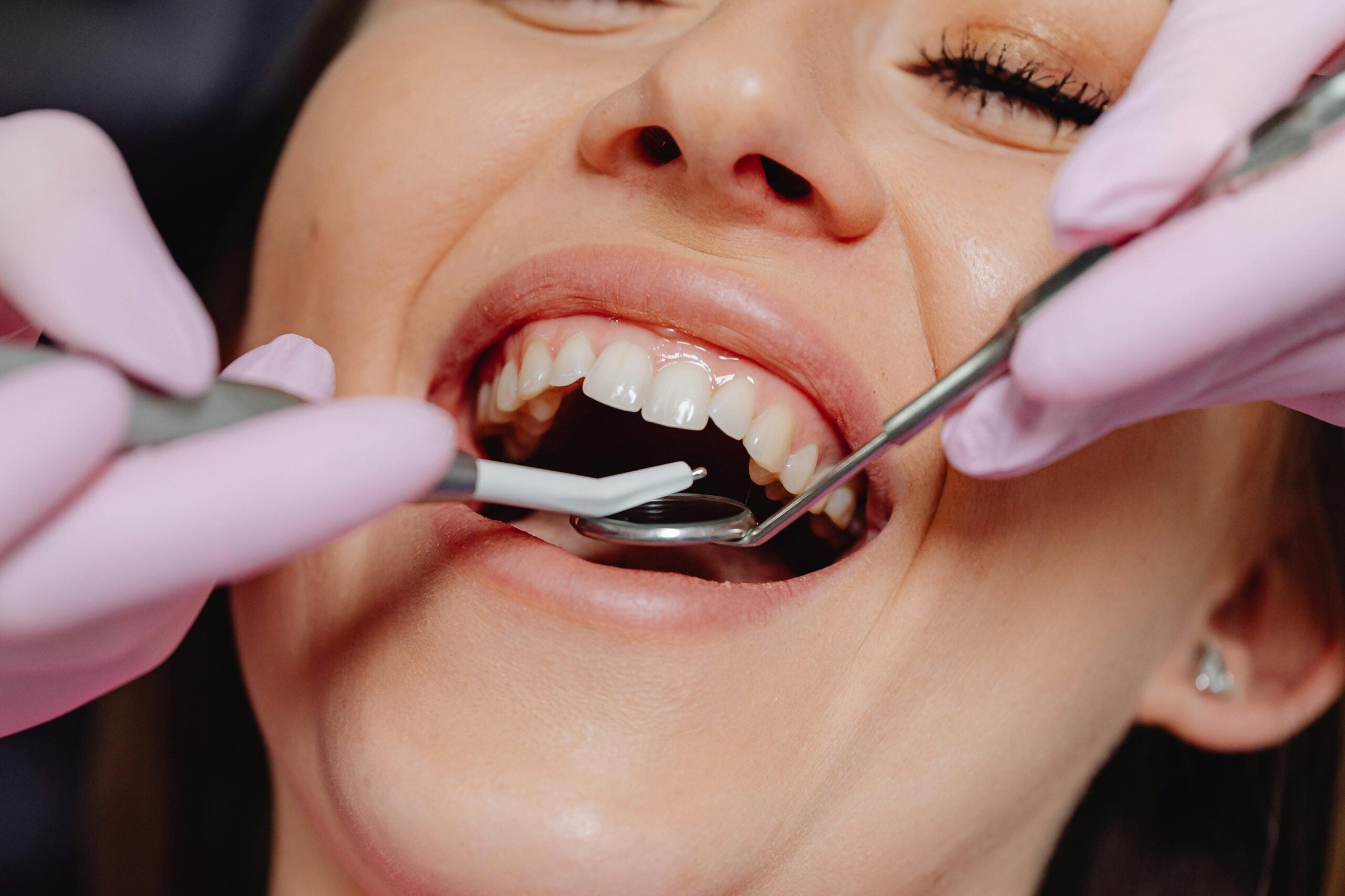
You take a seat and hear the scaler’s gentle buzz. We place protective glasses and a bib, then apply a topical gel before local anesthesia so numbing starts smoothly. A small bite rest may support your jaw. During treatment, we use an ultrasonic scaler to break up deposits and hand instruments to smooth the roots. Suction keeps the area clear, and we can rinse with water to wash away debris.
We move methodically, one small area at a time, so each site is cleaned and checked before we continue. If a spot is extra sensitive, we pause and add more anesthetic. You can raise a hand anytime for a break or a question. We also use short stretch breaks to prevent jaw fatigue. Near the end, we recheck the cleaned surfaces to ensure they feel smooth, since smoother roots are easier to keep clean at home.
How long does a deep cleaning take depends on the number of areas treated and how your gums respond that day. Early in the visit, we outline the sequence so you know what is next. You will hear periodic updates on progress and remaining time. If you prefer shorter or longer appointments, we adjust the plan so it fits your comfort and schedule.
Before you leave, we review what to expect as numbness fades, how to brush gently along the gums, and when to resume flossing in the treated areas. We may place a desensitizing or fluoride varnish if your teeth tend to feel tender. You will receive simple home tips and a timing plan for your next visit, which helps healing stay on track. A clear roadmap makes recovery and maintenance easier.
Duration of Deep Cleaning Procedures
Most deep cleanings are completed over one or two sessions, depending on your needs. Each session usually finishes well under two hours, since we focus on specific areas at a time. The exact length depends on numbing, the depth of gum pockets, and the amount of buildup. If you wonder how long does a deep cleaning take, plan a focused visit that leaves time for numbness to wear off afterward.
You plan a midday appointment between meetings. The visit begins with a quick review of your health and recent images, then numbing is placed. Numbing onset can add several minutes, especially for back teeth that need a nerve block. We also confirm pocket measurements so the cleaning targets the right spots. These steps keep the actual scaling time efficient and thorough.
Tooth and root anatomy can affect pace. Curved roots, deep grooves, or areas where roots split may need more careful strokes. Heavier tartar or bleeding in inflamed areas also slow the process, since we work in small passes to keep the root smooth. Ultrasonic tips break up large deposits, then hand instruments refine the surface. If we use localized antimicrobials or a desensitizing varnish, expect a few extra minutes for placement and instructions.
Comfort and scheduling matter too. Some patients prefer shorter sessions that treat one section, which keeps jaw fatigue low and allows easy returns to work. Others prefer a longer appointment to complete more areas at once. We check in during the visit and can pause for stretch breaks or add anesthesia where needed. At the end, we rinse, review gentle home care for the treated sites, and outline timing for the next session or your recheck visit. This plan helps healing stay on track and sets expectations for the remainder of your care. Clear timing leads to less stress and better results.
Bottom line, the schedule fits your mouth, comfort, and goals.
Comfort Options During Deep Cleaning
You have several ways to stay comfortable during deep cleaning. We start with topical gel and local anesthesia so you feel pressure, not sharp pain. For anxiety or a strong gag reflex, we can add nitrous oxide or consider medication-based sedation. We tailor the plan to your health, comfort goals, and schedule.
You feel nervous on the drive in and want a smooth visit. First, numbing is planned thoughtfully. A surface gel takes the edge off before the injection. We use slow, well-placed anesthesia and a small bite rest to support your jaw, which reduces muscle strain. Short stretch breaks help, and a hand signal lets you pause treatment anytime.
For added relaxation, nitrous oxide helps you stay calm while remaining awake and responsive. It starts quickly and wears off fast after the nose mask is removed, so many people can return to routine activities once numbness fades. Oral medication can be considered for moderate anxiety, but it requires a careful health review and an adult escort after the visit. In select cases where anxiety is severe or a strong gag reflex prevents care, we can discuss deep sedation options provided in appropriate settings with monitoring.
We also reduce sensitivity during and after care. Gentle instruments, water cooling, and light, repeated strokes limit irritation. At the end, a desensitizing or fluoride varnish can be placed if roots are reactive. Clear home tips, such as soft brushing along the gumline and avoiding very hot or cold drinks the first day, support comfort as tissues settle.
Comfort choices can influence how long does a deep cleaning take. Numbing and checks may add a few minutes, and sedation adds setup and recovery time. We balance these steps with your schedule so the visit feels calm and predictable. Before you leave, we confirm what to expect as numbness wears off and how we will adjust comfort at your next appointment. Comfort and timing work best when planned together.
Aftercare Following Deep Cleaning
After a deep cleaning, expect mild gum tenderness, temporary tooth sensitivity, and light bleeding for a day or two. Brush gently the same day, but wait for numbness to fade before flossing so you do not injure your cheeks or tongue. Eat soft, cool foods once sensation returns, and sip water often to keep the area clean. Warm saltwater rinses can soothe tissues as they heal.
You leave mid-afternoon and want to know what to do that evening. Use a warm saltwater rinse, 1/2 teaspoon in 8 ounces of water, two or three times a day. Avoid very hot or spicy foods, alcohol-based mouthrinses, and smoking, which can slow healing. If needed, take over-the-counter pain relief as directed by your physician. An ice pack on the face, 10 minutes on and 10 minutes off, can ease soreness during the first few hours.
The gums have been inflamed, so they may look puffy at first, then tighten over one to two weeks as swelling settles. As the gum shrinks to a healthier shape, teeth may look slightly longer, and small spaces can appear between teeth. This is a normal sign that inflammation is decreasing, and it helps you clean more effectively. Use a soft brush with short strokes along the gumline, and consider a desensitizing or fluoride toothpaste if cold triggers discomfort. If a prescription antimicrobial rinse is provided, use it exactly as directed and avoid rinsing with water right after, so it has time to work.
Light pink saliva is common the first day, but call if bleeding is heavy, swelling worsens after 48 hours, you have fever, or pain is not controlled. Most patients return to normal routines quickly; skip strenuous exercise the first day if bleeding increases with activity. A recheck is often planned in four to six weeks to measure healing and confirm home care is effective. Knowing this plan also helps when asking how long does a deep cleaning take, since recovery includes the first weeks of healing and the follow-up visit. Steady, gentle care at home makes the results last.
Signs You May Need a Deep Cleaning
You may need a deep cleaning if your gums bleed when you brush or floss, or feel swollen and tender. Ongoing bad breath or a sour taste, tartar that sits along the gumline, or gums that look puffy or are pulling back are also warning signs. Teeth that feel a bit loose, food packing between teeth, or gum pockets your dentist measures as deeper than normal can point to disease below the gums that routine cleanings cannot reach.
You spit pink after brushing at night. Bleeding is a sign of inflamed gum tissue, usually from plaque that has hardened into tartar under the gumline. These rough deposits irritate the gums and create tiny spaces called pockets that trap more bacteria. Trapped bacteria can cause tender gums, odor, and a bad taste. Because tartar bonds to the root surface, a toothbrush, floss, or home tools cannot remove it once it is below the gum.
Your exam adds important clues. We gently measure the space between the tooth and gum; shallow numbers suggest health, while deeper readings with bleeding signal active gum disease. X-rays may show tartar below the gums or early bone changes that match what we see clinically. Recession, new gaps between teeth, or slight tooth mobility mean the support around teeth is being affected. When these findings occur together, scaling and root planing is recommended to remove the deposits, smooth the roots, and allow the gums to heal.
Not all mouth discomfort points to gum disease. Sharp pain to cold in one tooth, a pimple on the gums, or swelling in a single area can come from a cavity or a cracked or infected tooth, which needs a different treatment plan. If you notice bleeding, puffiness, or breath changes for two weeks or more, an evaluation helps catch problems early. Knowing these signs also helps you plan care and ask how long does a deep cleaning take for your situation. Early attention usually means a simpler, shorter path back to health.
Healthy gums start with noticing small changes and acting sooner.
Frequency of Deep Cleaning Appointments
Most people need deep cleaning as a short course, not forever. It is usually completed in one or two visits, followed by a recheck in about four to six weeks. After that, you move to periodontal maintenance, which is typically every three months. Additional deep cleaning is only repeated in specific spots if disease signs persist.
You finish treatment in May and wonder what comes next. At the recheck, we measure pocket depths, look for bleeding, and assess home care. If pockets have tightened and bleeding is low, we set a maintenance interval that matches your risk. Three months is common because subgum bacteria mature over weeks, and shorter intervals disrupt them before they cause inflammation again.
Some factors point to closer visits. Deep pockets, bleeding on probing, diabetes, smoking, or difficult root anatomy can make sites harder to keep stable. These cases may stay at two to three months for a time. As tissues calm and daily care improves, many patients can extend to three or four months. A few low‑risk patients with shallow pockets and excellent home care may stretch to six months, but only if the gums stay healthy between checks. The goal is to prevent relapse, not to repeat deep cleaning on a fixed schedule.
Periodontal maintenance differs from a routine cleaning. We scale where needed below the gumline, review home techniques, and monitor changes with measurements and images when appropriate. If a site remains deep or shows ongoing bleeding, we target it first, sometimes with localized therapy. If several sites worsen, a limited retreatment plan may be discussed. Clear records at each visit guide these decisions, so your interval can be adjusted without guesswork.
When considering how long does a deep cleaning take, also plan how often to return so results last. A steady, personalized maintenance schedule keeps healing on track and reduces the chance of needing retreatment. Consistency protects your gums and your time.
How Deep Cleaning Differs from Regular Cleaning
Deep cleaning treats disease below the gums, while regular cleaning focuses above the gums. A regular cleaning removes soft plaque and tartar you can see, then polishes the teeth to reduce future buildup. Deep cleaning, also called scaling and root planing, goes under the gumline to clear hardened deposits on the roots and smooth them so the gums can heal. Because it reaches sensitive areas, deep cleaning often uses local anesthesia and may be done in sections.
At a routine checkup, you ask why your cleaning needs numbing. The reason is location and goal. In gum disease, bacteria collect in pockets that form between the tooth and gum. These pockets trap calculus on the root surface. Deep cleaning removes that subgum calculus and then planes the root so it is less rough. Smoother roots hold less plaque, which helps the tissue tighten and bleed less over time. A regular cleaning, in contrast, stays at or above the gumline and aims to prevent disease in a healthy mouth.
The exam guides which approach is right. We measure pocket depths around each tooth and look for bleeding points, which signal inflammation. Radiographs help us see bone levels and tartar that hides below the gums. When pockets are deeper or bleed easily, scaling and root planing is recommended so bacteria are removed where a toothbrush and floss cannot reach. If the gums are healthy and pockets are shallow, a routine cleaning is usually enough.
There are practical differences you will notice. Deep cleaning targets fewer teeth per visit and includes numbing, careful scaling under the gums, and root smoothing. You may feel pressure and water spray, not sharp pain, and mild tenderness afterward is common. A regular cleaning is typically a single visit without anesthesia, with light scaling above the gums and polishing for stain. Understanding these differences also helps you estimate how long does a deep cleaning take and why it may be scheduled in stages. Clear goals guide an efficient, comfortable plan.
Frequently Asked Questions
Here are quick answers to common questions people have about How Long Does a Deep Cleaning Take? in Glendale, AZ.
- How long does it take for gums to heal after a deep cleaning?
Gums typically start to heal immediately after a deep cleaning, with tenderness and sensitivity reducing within a few days. Complete healing can take a few weeks, during which gums tighten and inflammation decreases. Consistent home care, like gentle brushing and flossing, supports healing and prevents recurrence of gum issues. Monitor gum health during follow-ups to ensure proper recovery.
- What is the purpose of local anesthesia during a deep cleaning?
Local anesthesia is used during deep cleaning to numb the gums and roots, ensuring you feel comfortable and experience no sharp pain. It allows thorough cleaning of deeper gum pockets where tartar and bacteria accumulate. Although you may feel pressure during the procedure, the anesthesia helps in preventing any discomfort.
- How does deep cleaning affect gum pocket depth?
Deep cleaning can significantly reduce the depth of gum pockets. By removing tartar and bacteria, the inflammation decreases, allowing the gums to tighten around the teeth. This reduction in pocket depth helps secure the gum to the tooth more effectively, lowering the risk of gum disease progression.
- Can I eat immediately after a deep cleaning?
It is best to wait until any numbness from anesthesia fully wears off before you eat. This typically lasts about 2 to 4 hours. Once the sensation returns, start with soft foods to avoid irritating your gums or biting your cheeks accidentally. This care helps prevent discomfort as your gums heal.
- What are some common side effects after a deep dental cleaning?
After a deep dental cleaning, common side effects include gum tenderness, mild swelling, altered tooth sensitivity, and slight bleeding. These symptoms typically resolve in a few days. If bleeding or discomfort persists, consult with your dentist. Gentle oral hygiene and following aftercare instructions can help manage these effects.
- Why do some people need more than one deep cleaning session?
Multiple deep cleaning sessions might be needed if there is heavy tartar buildup, extensive pocket depth, or inflammation, as these require careful handling. Breaking the cleaning into sessions ensures thorough treatment while maintaining comfort. The treatment plan adapts to your gums’ response and ensures the best outcomes.