Understanding Bruxism and Its Causes
Bruxism means grinding or clenching your teeth, often without noticing. It can happen while you are awake or asleep. Causes are not the same for everyone; they involve the brain, sleep, breathing, and daily habits. Understanding the pattern helps guide safe, practical care.
You wake with a sore jaw and a chipped tooth. Sleep bruxism often occurs during brief arousals in sleep, when the body shifts breathing and heart rate. In some people, the jaw muscles tighten as a reflex that may help steady the airway. Researchers are exploring a bruxism airway connection, especially in those who snore or have sleep apnea.
Several factors can raise bruxism risk. One factor rarely acts alone, so patterns over time matter.
- Daytime stress or anxiety
- Poor sleep quality with frequent awakenings
- Snoring or obstructive sleep apnea
- Alcohol, caffeine, or nicotine near bedtime
- Certain medications such as some antidepressants
- Nasal congestion or a narrow airway
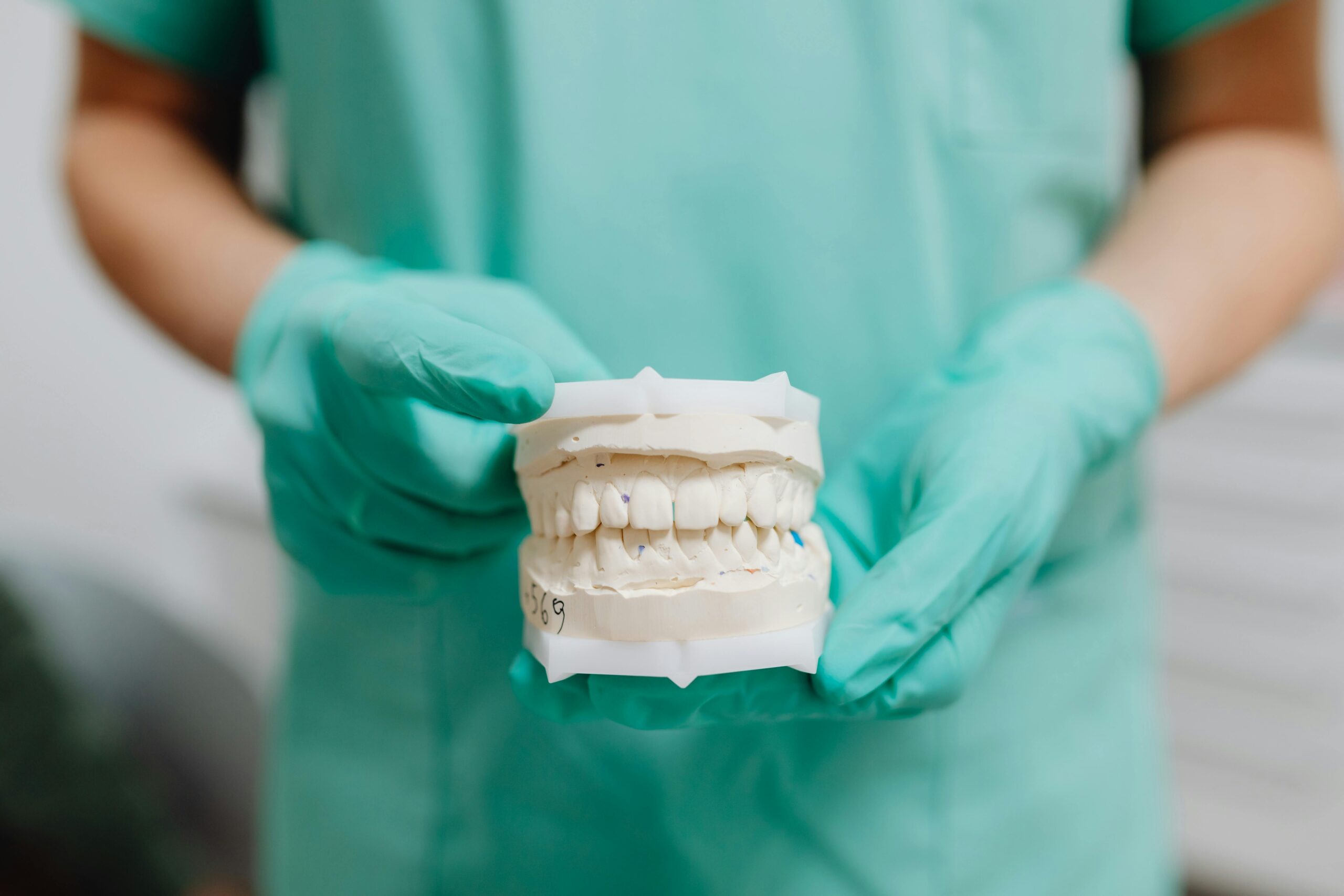
Teeth grinding can flatten tooth edges, chip enamel, and stress fillings. Sore jaw muscles, morning headaches, and tooth sensitivity are common signs. If teeth are already worn or cracked, restoring strength and bite stability may be considered with durable dental crowns and bridges. Protecting teeth with a professionally fitted night guard is often part of a broader plan.
Small chips or shape changes can sometimes be smoothed or repaired with conservative dental bonding. At the same time, improving sleep routines, treating nasal blockage, and reviewing medications with your physician can reduce triggers. Because causes vary, a careful exam and simple questions about snoring, tiredness, and jaw soreness help us connect the dots.
This foundation sets up the next step: how breathing and airway function may drive grinding patterns. A clear picture leads to safer, simpler care.
How Airway Issues Contribute to Bruxism
Airway problems can trigger teeth grinding and clenching, especially during sleep. When breathing becomes narrow or blocked, the brain briefly “wakes” the body to reopen the airway, and the jaw muscles often tighten at the same time. This protective response can look and sound like grinding. Many patients notice this most when they snore or sleep with their mouth open.
You wake to a dry mouth and a tight jaw after a night of snoring. Here is what likely happened: airflow dropped because of nasal congestion, a narrow throat, or the tongue falling back. The brain signaled a quick arousal, heart rate rose, and the jaw closed to bring the lower jaw and tongue forward. Teeth may touch or slide as the airway stabilizes. This bruxism airway connection is most apparent in people with frequent arousals. Not everyone with airway issues grinds, but the more disrupted the breathing, the more often these muscle bursts can occur.
Airway strain does not only happen at night. Chronic mouth breathing or blocked nasal passages can change tongue posture and head position, which may keep jaw muscles on “standby.” Some people then clench while concentrating or exercising. Over time, this pattern can add to dental wear and muscle fatigue. Understanding whether your grinding clusters around snoring, colds, allergy flares, or sleeping on your back helps target the real driver rather than only the teeth.
Practical clues include loud snoring, gasping, dry mouth on waking, a scalloped tongue edge, and daytime sleepiness. If these show up with tooth wear, protecting the teeth is helpful, yet it does not fix airflow. Improving nasal breathing, adjusting sleep position, and timing alcohol earlier in the evening can reduce arousals. When sleep apnea is suspected, medical evaluation matters; treating the airway often lessens grinding episodes. Dental appliances can be designed to protect teeth, and in select cases to gently hold the lower jaw forward during sleep, which may support breathing. Clear breathing and calm muscles tend to go together.
The Impact of Sleep Disorders on Bruxism
Sleep disorders can increase teeth grinding and clenching by disrupting normal sleep rhythms. Conditions like snoring, obstructive sleep apnea, insomnia, and restless sleep trigger brief arousals, which often activate the jaw muscles. These bursts of activity can protect the airway, but they also wear teeth and strain joints. The more fragmented the sleep, the more chances the jaw has to overwork.
You wake three times at night and your jaw feels tight by morning. In snoring and sleep apnea, airflow narrows or pauses, the brain arouses to reopen the airway, and short rhythmic jaw contractions often follow. Some studies suggest these contractions can act as a protective response in primary snoring, helping to stabilize breathing, even as they create grinding episodes [1]. This pattern explains why bruxism can cluster around micro‑arousals rather than occurring steadily through the night. Understanding when episodes occur, and what precedes them, guides safer care.
Not all sleep problems affect bruxism in the same way. Insomnia and frequent awakenings raise overall muscle tension and sympathetic tone, so some people clench more during light sleep transitions. Population-based work has mapped pathways linking sleep fragmentation, snoring symptoms, and stress-related factors with sleep bruxism risk, highlighting that several influences often act together [2]. In some patients, sleep apnea travels with orofacial pain conditions, which can complicate diagnosis when morning jaw soreness and headaches overlap [3]. Care plans should look beyond the teeth to sleep quality, breathing, and medications that may amplify jaw activity.
What does this mean for you? If grinding pairs with loud snoring, gasping, dry mouth on waking, or unrefreshed sleep, screening for airway issues makes sense. Protecting teeth with a well-fitted night guard helps, yet treating the sleep problem addresses the driver. When we evaluate the bruxism airway connection, we coordinate with sleep physicians as needed and then tailor dental protection. The next section will focus on practical ways to assess sleep and breathing at home and in the clinic. Better sleep often means calmer jaws.
Signs and Symptoms of Bruxism
Bruxism shows up as jaw muscle activity that you may not notice in the moment. Common signs include sounds of grinding during sleep reported by a partner, jaw stiffness on waking that eases within minutes, and new chipping or fractures in teeth or fillings. Some people also notice cheek or tongue bite marks and a feeling of tightness near the temples.
During the day, clenching often appears while concentrating, driving, or using screens, and it may pair with neck or shoulder tension. At night, sleep bruxism tends to occur in short bursts linked to brief sleep arousals, not as a steady grind. When episodes cluster with snoring, mouth-open sleep, or relief after clearing the nose, the pattern can hint at a bruxism airway connection. Paying attention to when symptoms occur helps separate daytime habits from sleep-related muscle bursts.
Dental clues include cracked cusps, loose or worn fillings, shiny facets on the biting surfaces, and notches near the gumline that are not due to brushing. The chewing muscles can look or feel enlarged, and the jaw joints may click, pop, or feel stiff on first opening. In clinics, pain patterns and joint findings often differ between awake and sleep bruxism, which helps guide diagnosis and care planning [4]. These features can be subtle at first, so small changes over time matter.
Context also matters. A sudden rise in clenching after a new medication, especially some antidepressants, is a useful clinical clue. Studies report higher bruxism prevalence in users of selective serotonin or serotonin-norepinephrine reuptake inhibitors, which can align with new jaw tension or broken restorations [5]. If symptoms flare during colds or allergy seasons, that timing can further point toward sleep-related triggers.
What should you watch for next? Track when jaw tightness, joint noises, or tooth mishaps occur, and ask a bed partner about sounds or pauses in breathing. These details help us decide whether to focus on daytime habit coaching, sleep-related protection, or airway screening. Small, accurate observations make evaluation faster and safer.
Clinical Implications of Bruxism and Airway Issues
When teeth grinding is linked to airway problems, it changes clinical decisions. The risks include faster tooth wear, fractures, and jaw joint strain, and it can point to sleep-disordered breathing. Care often combines tooth protection with screening and, when needed, medical treatment of snoring or sleep apnea. You chip a molar after a night of loud snoring.
Airway-driven bruxism tends to cluster around brief sleep arousals, so dental exams should include questions about snoring, dry mouth on waking, and unrefreshed sleep. This context guides appliance choice. Some devices only protect teeth, while others can also advance the lower jaw to support breathing during sleep. In patients with suspected or confirmed obstructive sleep apnea, mandibular advancement devices are a medical therapy that can improve airflow and may lessen related jaw muscle bursts [6]. Understanding this link helps align dental protection with airway care.
Treatment planning also shifts. Restorations should be designed for high bite forces, and occlusion should be stable to avoid concentrating stress on single teeth. If cracks deepen and the nerve becomes inflamed, timely root canal treatment can save the tooth, followed by a strong full-coverage restoration. Night guards can reduce tooth wear, yet in airway-vulnerable patients they should not push the jaw backward. In select cases, a custom oral appliance that gently holds the lower jaw forward at night can protect teeth and support breathing, with medical oversight.
There are broader safety implications. Sedation, long appointments, and supine positioning can worsen airway collapse in susceptible patients, so teams plan breaks and keep the nose clear. Dentists are also well placed to notice scalloped tongue edges, narrow arches, or mouth-breathing patterns and to coordinate with sleep clinicians or ENT physicians. In children, dental teams play a key role in spotting breathing problems early and guiding referral pathways [7]. These steps help prevent repeat fractures and reduce morning muscle pain.
For patients, the goal is simple: protect teeth while improving sleep breathing. When we see a likely bruxism airway connection, we pair dental care with thoughtful screening and referral so treatment fits the real driver. Small adjustments often lead to calmer nights and fewer dental emergencies. Protect teeth, and respect the airway.
Assessment Techniques for Bruxism
We assess bruxism by combining your history, a careful exam, and, when needed, objective monitoring. First, we separate awake clenching from sleep‑related grinding because they have different triggers and treatments. Bed‑partner reports and simple sleep questions add useful context. In select cases, overnight recordings or a sleep study with jaw muscle sensors clarify what is really happening.
Your partner hears grinding at 2 a.m., but you also clench while driving. We start with timing, triggers, and a short diary to map patterns. Screening covers stress, caffeine or nicotine use, new medications, and symptoms of snoring or mouth‑open sleep. This helps identify a possible bruxism airway connection and guides whether dental protection, sleep screening, or both are needed.
The clinical exam looks for shiny wear facets, micro‑chips, tooth mobility, notches near the gumline, and muscle tenderness. We check jaw range, note joint sounds, and look for tongue scalloping or dry mouth on waking. Because awake and sleep bruxism often behave differently, we document each separately and use targeted questions to avoid mixing them [8]. When objective data will change care, surface electromyography can record jaw muscle bursts and help distinguish true episodes from other movements [9].
Imaging is used to rule out cracks or other dental problems, not to diagnose bruxism alone. Research shows panoramic radiographs can reveal bone morphometric differences in people with bruxism, but such findings are supportive rather than definitive [10]. If snoring, gasping, or unrefreshed sleep are present, airway screening is added. Depending on risk, we may coordinate home sleep apnea testing or refer for an in‑lab study that includes jaw muscle leads to capture sleep‑related activity. Results guide the plan, from a protective night guard to airway‑focused steps with a medical team.
Good assessment keeps treatment simple and targeted. Clear patterns make safer choices.
Effective Treatment Options for Bruxism
Bruxism treatment focuses on two goals: protect the teeth and calm the muscles. A well-fitted night guard can reduce wear, while addressing sleep, stress, and possible breathing issues can lower triggers. Plans are tailored to whether grinding happens during the day, at night, or both. You wake with a sore jaw after a noisy night of snoring.
Custom occlusal splints cushion the bite and spread forces so teeth and fillings last longer. Evidence suggests splints can reduce symptoms for many patients, especially when combined with education and follow up [11]. Comfort, fit, and simple coaching matter because they improve nightly use and treatment success [12]. For airway‑vulnerable patients, designs should avoid pushing the jaw backward during sleep. Daytime bruxism often responds to brief habit‑awareness cues and scheduled jaw‑relaxation breaks.
If snoring, dry mouth on waking, or gasping are present, screening for sleep‑disordered breathing is sensible. Treating nasal blockage, improving sleep timing, and reducing evening alcohol can lessen arousals that trigger jaw bursts. In select cases, medical teams use mandibular advancement devices or other therapies to support airflow during sleep. When the bruxism airway connection is likely, protecting teeth while supporting breathing usually gives the best results.
Jaw muscle care can include gentle stretching, heat, and short courses of anti‑inflammatory measures when appropriate. In limited cases with severe muscle overactivity or hypertrophy, botulinum toxin A has been studied for reducing masseter thickness, though careful case selection is important [13]. If teeth are already shortened or sharp from wear, conservative esthetic repair can restore shape and protect edges. For front teeth, carefully planned porcelain veneers may be considered once the grinding pattern is controlled.
What is the path forward? Start by identifying when grinding occurs, then match protection and habit strategies to that pattern. If airway signs are present, add sleep screening before finalizing any night appliance. Simple, well‑timed steps usually work better than one big change. Protect teeth, calm muscles, and support breathing.
The Role of Oral Appliances in Therapy
Oral appliances help in two main ways. They protect teeth from the forces of grinding, and in select patients they can also support breathing during sleep. The right device depends on whether your problem is mostly tooth wear, an airway issue, or both. Careful selection and follow up keep treatment safe and effective.
Protective night guards, often called occlusal splints, cushion the bite and spread forces so teeth, fillings, and joints face less stress. They do not stop every episode, but they reduce damage and can ease morning muscle soreness. Comfort, fit, and a design that matches your bite matter for nightly use. A brief scenario: you wake with sore jaw muscles after a stressful week, but your teeth are protected and intact.
Mandibular advancement devices are different. They gently hold the lower jaw forward during sleep to help keep the airway open, which can reduce snoring and breathing pauses. By improving airflow and limiting arousals, jaw muscle bursts that cluster with awakenings may lessen. These appliances are prescribed for diagnosed sleep apnea with medical coordination, and they have known benefits and predictable side effects, including bite changes that require monitoring [14].
Choosing the right appliance starts with a clear map of your pattern. If bruxism peaks during daytime focus, a simple guard and habit coaching may be enough. If grinding pairs with loud snoring, dry mouth on waking, or witnessed pauses in breathing, screening for sleep-disordered breathing comes first. For people with a likely bruxism airway connection, a protective design that does not push the jaw backward is preferred, and a mandibular advancement device may be considered when sleep apnea is confirmed [14]. Regular checks help track tooth contacts, joint comfort, and any bite shifts. Small adjustments, morning exercises to settle the bite, and periodic reassessment keep therapy on track.
In short, appliances work best when they match your specific risks and goals. The next step is to pair device choice with simple sleep and habit strategies so results last. Well-matched appliances protect teeth and respect the airway.
Preventing Bruxism Through Lifestyle Changes
You can often reduce teeth grinding by shaping daily habits that support calm muscles, steady sleep, and clear breathing. Keep a regular sleep schedule, limit late stimulants, and let your teeth rest slightly apart during the day. These simple steps lower jaw tension and protect your teeth. Small changes add up over time.
You wake at 2 a.m. after wine and scrolling, jaw tight. Evening alcohol and heavy meals can fragment sleep, which raises brief awakenings when the jaw may clench. Caffeine and nicotine close to bedtime also increase arousals, so choose earlier timing and lighter evenings. A dark, cool, quiet room and a wind-down routine help your sleep stay deeper and more stable.
For daytime clenching, awareness is the first tool. Check your “jaw rest” a few times each hour: lips together, teeth apart, tongue resting on the palate. If you clench while focusing, set short reminders to relax the face, breathe through the nose, and drop the shoulders. Avoid hard or chewy snacks used as “stress tools,” and give your jaw microbreaks during long tasks. Better hydration and brief movement breaks can also reduce tension.
Breathing habits matter, especially at night. Aim for nasal breathing; keep the nose clear with gentle rinse routines, and discuss allergy care with your clinician if congestion is common. Try side sleeping, limit alcohol within three to four hours of bed, and finish vigorous exercise earlier in the evening. These steps reduce sleep arousals that can trigger jaw bursts, which is important given the bruxism airway connection. Regular exercise and a healthy weight also support easier breathing and calmer sleep.
Pay attention to patterns. If grinding shows up with loud snoring, dry mouth on waking, or gasping, mention this during your dental visit so sleep screening can be considered before choosing a night guard. If clenching is mostly daytime, habit coaching usually helps fastest. The next section will build on this by linking your specific pattern to the right evaluation and protection. Small, steady habits calm jaws.
How to Improve Airway Function
Improving airway function starts with easier nasal breathing and steadier sleep. Clear the nose, choose positions that keep the throat open, and avoid evening habits that disrupt rest. In some cases, medical care or a custom oral appliance that holds the lower jaw slightly forward can support airflow at night. The aim is quieter breathing, fewer arousals, and calmer jaw muscles.
You wake at night, roll to your side, and breathing eases. Side sleeping helps keep the tongue forward, and a slightly elevated head can reduce throat collapse. If allergies or colds block the nose, saline rinses and clinician‑guided care improve airflow. These steps reduce brief awakenings that can trigger jaw muscle bursts, which is important when a bruxism airway connection is suspected.
Daytime habits matter too. Practice gentle “nose-first” breathing and keep the tongue resting on the palate, teeth apart, lips together. Short checks during the day reinforce this posture and lower jaw tension by evening. Good hydration, earlier exercise, and a calm wind‑down routine help the body settle so sleep is deeper and more continuous. Alcohol close to bedtime, heavy late meals, and late caffeine raise arousals, so move them earlier to protect breathing and sleep quality.
When symptoms suggest sleep-disordered breathing, add evaluation. Loud snoring, gasping, dry mouth on waking, or unrefreshed sleep point toward medical screening. Some people do best with CPAP prescribed by a sleep physician. Others qualify for a custom mandibular advancement device made by a dental team in coordination with medical care. If a protective night guard is used, its design should avoid pushing the jaw backward during sleep. For persistent nasal blockage, an ENT assessment can address structural and inflammatory causes so nasal breathing becomes the default again.
Track what helps. Note sleep position, evening choices, and morning comfort for two weeks, then share the pattern at your visit. This makes it easier to match dental protection with airway support. Clearer breathing usually means quieter jaws.
Collaborative Care: Dentists and Sleep Specialists
Collaboration works because teeth grinding often overlaps with sleep and breathing problems. Dentists identify tooth wear and jaw strain, while sleep specialists diagnose and treat snoring or sleep apnea. Together they align tooth protection, airway support, and follow up so care stays safe and effective. You snore, wake tired, and your molar chipped last week.
Here is how a shared plan usually flows. In the dental visit, we screen for snoring, mouth‑open sleep, dry mouth on waking, and morning headaches. If risk is present, we coordinate medical evaluation, which may include home testing or an in‑lab sleep study. The sleep team confirms a diagnosis and selects therapy. The dental team then fits a protective night guard or, when appropriate and prescribed, a custom mandibular advancement device, and monitors bite comfort and tooth contacts. Designs are chosen to protect teeth without pushing the jaw backward during sleep. Clear notes and outcome reports move both teams in the same direction.
This teamwork also helps match timing. If the pattern suggests a bruxism airway connection, airway treatment often comes first, then dental protection is tuned to the new baseline. If nasal blockage or frequent colds drive arousals, an ENT consult can be added. Medication reviews and stress‑management steps can be layered in as needed. Regular check‑ins let us adjust jaw position, relieve pressure points, and verify that sleep treatment remains effective. Small, staged changes are easier to live with and track.
Patients play a key role. Share details about snoring, gasping, dry mouth, and when grinding occurs. Bring any sleep reports to your dental visit, and tell your sleep team about new jaw or bite changes. If you have questions about timing or visits, you can check our current hours. When dental and sleep teams communicate, treatment is simpler, safer, and more durable. One plan, two teams, better sleep and stronger teeth.
Frequently Asked Questions
Here are quick answers to common questions people have about Bruxism and Airway: The Hidden Link in Glendale, AZ.
- What is the link between bruxism and airway issues?
Bruxism, or teeth grinding, is often linked to airway issues, particularly during sleep. When the airway narrows or becomes blocked, the brain can trigger brief awakenings, during which jaw muscles contract, potentially leading to grinding. This response is thought to help stabilize the airway. Many people notice increased grinding if they snore or sleep with their mouth open, suggesting a bruxism-airway connection.
- How do sleep disorders like apnea affect bruxism?
Sleep disorders such as apnea can increase bruxism by disturbing normal sleep patterns. Conditions like obstructive sleep apnea cause interruptions in breathing, leading to brief arousals and activating jaw muscles. These muscle bursts can protect the airway but result in teeth grinding and wear. The more fragmented the sleep, the more these episodes can occur.
- Can stress contribute to bruxism?
Yes, stress is a common contributor to bruxism. Many people clench their teeth during times of stress or anxiety, which can lead to the overuse of jaw muscles. During the day, clenching can occur unconsciously when focusing, driving, or using screens, often alongside tension in the neck and shoulders.
- What lifestyle changes can help prevent bruxism?
Preventing bruxism often involves adopting practices that promote relaxation and healthy routines. Keeping a regular sleep schedule, avoiding stimulants like caffeine and nicotine before bed, and reducing stress through relaxation techniques can help. Additionally, practicing good “jaw rest” by keeping the lips together and teeth apart during the day can reduce muscle tension over time.
- How are airway and breathing issues treated to reduce bruxism?
Treating airway and breathing issues often involves improving nasal breathing and sleep quality. This can include using saline rinses for nasal congestion, sleeping on the side to keep the airway open, and avoiding alcohol before bed. In some cases, medical guidance or appliances that advance the jaw can enhance airflow during sleep, reducing related muscle bursts.
References
- [1] Polysomnographic assessment of sleep bruxism as a potential protective factor in primary snoring. (2025) — PubMed:41361422 / DOI: 10.1186/s12903-025-07475-0
- [2] Sleep Bruxism: Mapping Potential Direct and Indirect Risk Pathways in EPISONO Adult Population-Based Study. (2025) — PubMed:41359377 / DOI: 10.1111/joor.70128
- [3] Sleep apnea and orofacial pain: an integrative clinical perspective. (2025) — PubMed:41070565 / DOI: 10.22514/jofph.2025.046
- [4] Temporomandibular disorders in a tertiary clinic: associations with pain, chronicity, sleep versus awake bruxism, and psychological factors-a retrospective study. (2026) — PubMed:41607328 / DOI: 10.22514/jofph.2026.010
- [5] Prevalence of bruxism in users of selective serotonin reuptake inhibitors and serotonin-norepinephrine reuptake inhibitors: A retrospective cross-sectional study. (2026) — PubMed:41506319 / DOI: 10.1016/j.jormas.2026.102710
- [6] Oral Health Implications of Obstructive Sleep Apnea: A Literature Review. (2024) — PubMed:39061956 / DOI: 10.3390/biomedicines12071382
- [7] Respiratory sleep disorders in children and role of the paediatric dentist. (2019) — PubMed:30919636 / DOI: 10.23804/ejpd.2019.20.01.01
- [8] Assessment of Awake and Sleep Bruxism in Fibromyalgia Patients with Temporomandibular Disorders. (2026) — PubMed:41598399 / DOI: 10.3390/jcm15020460
- [9] Experimental Analysis of Automatic Discrimination Performance Between Simulated Bruxism and Non-Bruxism Under Conscious Conditions Using Electromyography and Machine Learning. (2026) — PubMed:41583109 / DOI: 10.1155/ijod/7874254
- [10] Fractal and Morphometric Analysis of Mandibular Bone in Individuals With Bruxism: A Retrospective Cross-Sectional Study Using Panoramic Radiographs. (2026) — PubMed:41609317 / DOI: 10.1111/joor.70160
- [11] Bruxism treatment outcomes: A systematic review and meta-analysis. (2025) — PubMed:41366915 / DOI: 10.1097/MD.0000000000046247
- [12] Factors Influencing Adherence to Therapy With Occlusal Splints-A Multicentre Questionnaire Based Study. (2025) — PubMed:40707404 / DOI: 10.1111/joor.70023
- [13] Can Occlusal Splint or Botulinum Toxin A Therapy Reduce Masseter Muscle Thickness in Patients With Bruxism? (2025) — PubMed:40935351 / DOI: 10.1016/j.joms.2025.08.009
- [14] Obstructive Sleep Apnea: The Expanding Role of Dental Sleep Medicine-A Systematic Review of Mandibular Advancement Devices, Treatment Efficacy, and Occlusal Complications. (2026) — PubMed:41590186 / DOI: 10.3390/dj14010062