What Are Atraumatic Extraction Techniques?
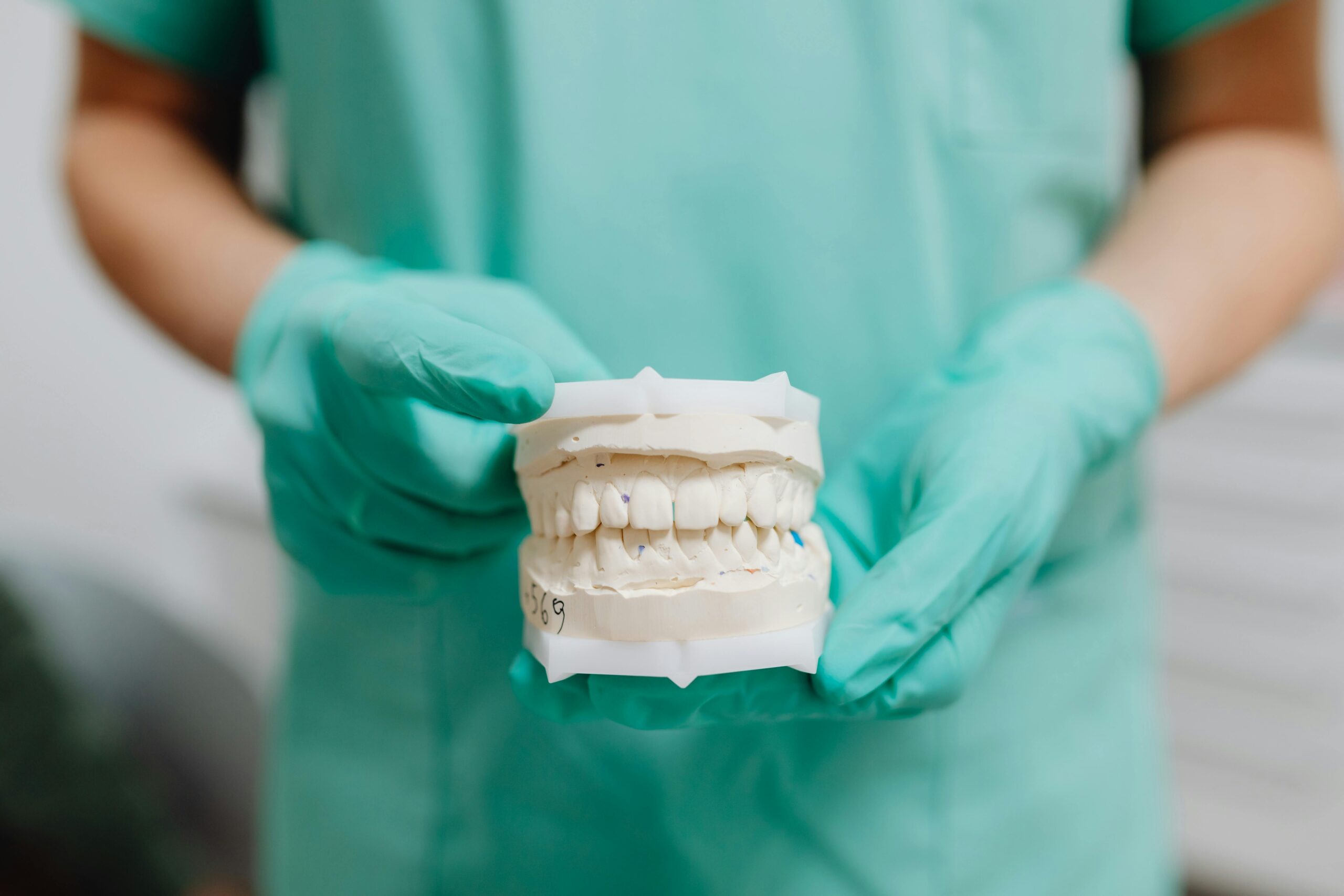
Atraumatic extraction techniques are gentle ways to remove a tooth while protecting the surrounding bone and gums. Instead of pulling hard, the dentist carefully loosens the tooth and removes it in small, controlled steps. This approach aims to reduce tissue damage, speed healing, and keep more jawbone for future dental options.
Picture loosening soil around a tent stake before sliding it out. In dentistry, the “soil” is the periodontal ligament and a thin shell of bone that we try to preserve. By releasing the ligament fibers and using precise tools, the tooth can be guided out with less force. This helps maintain the natural shape of the socket, which supports better function and appearance later.
- Gently releasing the periodontal ligament with fine instruments.
- Sectioning multi‑rooted teeth into smaller pieces for controlled removal.
- Removing only a minimal amount of bone, and only if needed.
- Using ultrasonic or micro‑saw techniques for precise cuts.
- Shaping and stabilizing the socket to protect the blood clot.
- Placing sutures, and when indicated, grafting material to support the ridge.
These steps matter because bone and gum tissue do not grow back in the same way once lost. Preserving them can reduce complications like gum tears or bone fractures, and it often makes future implants, bridges, or dentures fit and look better. For back molars, especially third molars, a conservative plan can make a noticeable difference in comfort after surgery; learn more about our approach to gentle wisdom tooth removal.
In short, atraumatic methods aim for less force, more precision, and healthier healing. If you have been told a tooth needs removal, asking about atraumatic steps helps you understand how your tissues will be protected. Gentle today often means more options tomorrow.
Benefits of Atraumatic Extractions
Atraumatic extractions aim to protect your bone and gums while removing a tooth. The next day, you want to chew and rest, not struggle. Patients often notice less swelling and tenderness, and healing usually feels smoother. Keeping more natural bone also leaves better options for future tooth replacement.
Because less force is used, nearby tissues are not crushed or torn as much. Gentle elevation, precise sectioning, and careful socket shaping help preserve blood flow. A stable blood clot forms more predictably, which is the first step toward healthy healing. With calmer tissues, there is often less need for strong pain medicine, and daily activities can resume sooner.
Preserving the thin outer bone plate helps keep your gumline shape. This supports a more natural-looking ridge as the site heals. It can also make oral hygiene easier during recovery, since the area is less inflamed and easier to keep clean. Fewer bruises and less swelling mean talking and eating soft foods are more comfortable.
Long term, saved bone gives your dentist more choices. Immediate or early implant placement is more feasible when the socket walls remain intact, and grafting, when needed, is often simpler. A well-preserved ridge can also improve the fit and appearance of future bridges or full-arch solutions like modern All-on-4 implant dentures.
For comfort, pairing atraumatic extraction techniques with calming measures can help. If dental visits make you anxious, consider discussing supportive options such as gentle oral sedation for dental care. Understanding these benefits helps you plan a procedure that protects your health today and your smile tomorrow. Gentle care now creates stronger foundations later.
How Atraumatic Techniques Work
Atraumatic techniques work by loosening the tiny fibers that hold a tooth without crushing the surrounding bone. Instead of pulling, the dentist slides slim instruments between the tooth and bone, then applies small, controlled movements. Multi‑rooted teeth are gently separated into pieces so each part follows its natural path out. The goal is precision, low force, and steady support for the bone and gums.
Picture wiggling a tight jar lid until it loosens. First, careful imaging guides the plan, including where to start and whether a small flap is needed. Periotomes and fine elevators are placed along the root surface to release the periodontal ligament in stages. Short rotations and gentle lifts “fatigue” the ligament so the tooth lets go. When needed, the tooth is sectioned with fine burs or ultrasonic tips, keeping cuts within the tooth, not the socket wall. Constant irrigation cools the site and helps protect bone cells from heat.
As the tooth frees, tissue protection stays front and center. The thin outer bone plate is preserved by avoiding forceful twisting and by supporting the gum edges. Sharp edges are smoothed only as needed, and the socket is kept intact so a stable blood clot can form. If a wall is thin or missing, a small graft or collagen plug may be placed, then sutures bring the gum edges together. These steps help maintain ridge shape, which supports future solutions such as well‑shaped crowns and bridges with natural contours.
For patients, this approach often feels calmer during and after the visit, with fewer sore spots and a simpler recovery. Thoughtful, gentle movements protect your options later, whether you plan a single implant or full‑arch care like stable snap‑in implant dentures. Small forces, smart planning, better healing.
Patient Experience During the Procedure
During the procedure, you should feel pressure but not sharp pain. We start by numbing the area with a topical gel, then a slow, careful anesthetic. We test the tooth and gums to confirm full numbness before any movement begins. Most patients say the visit feels calm and controlled.
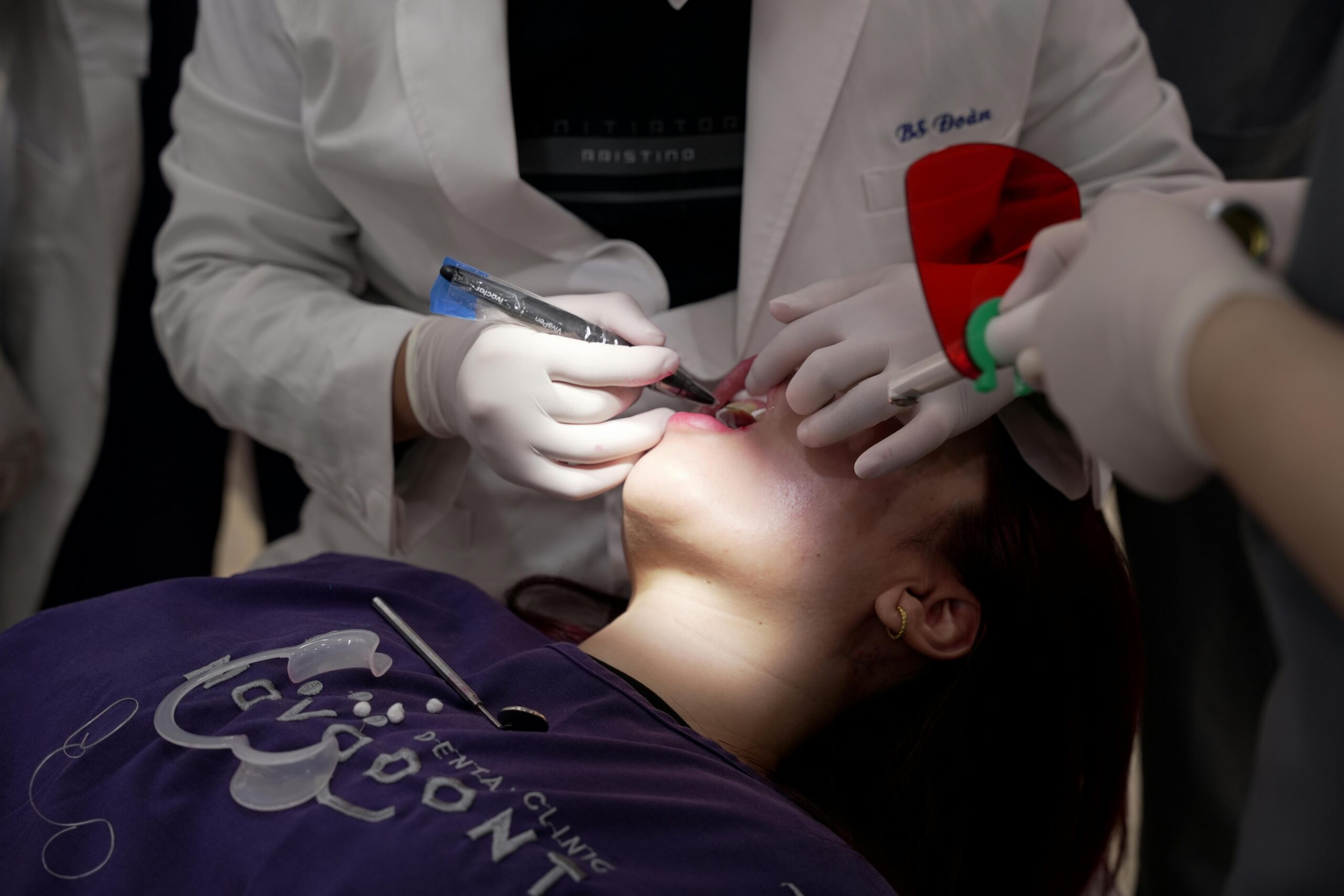
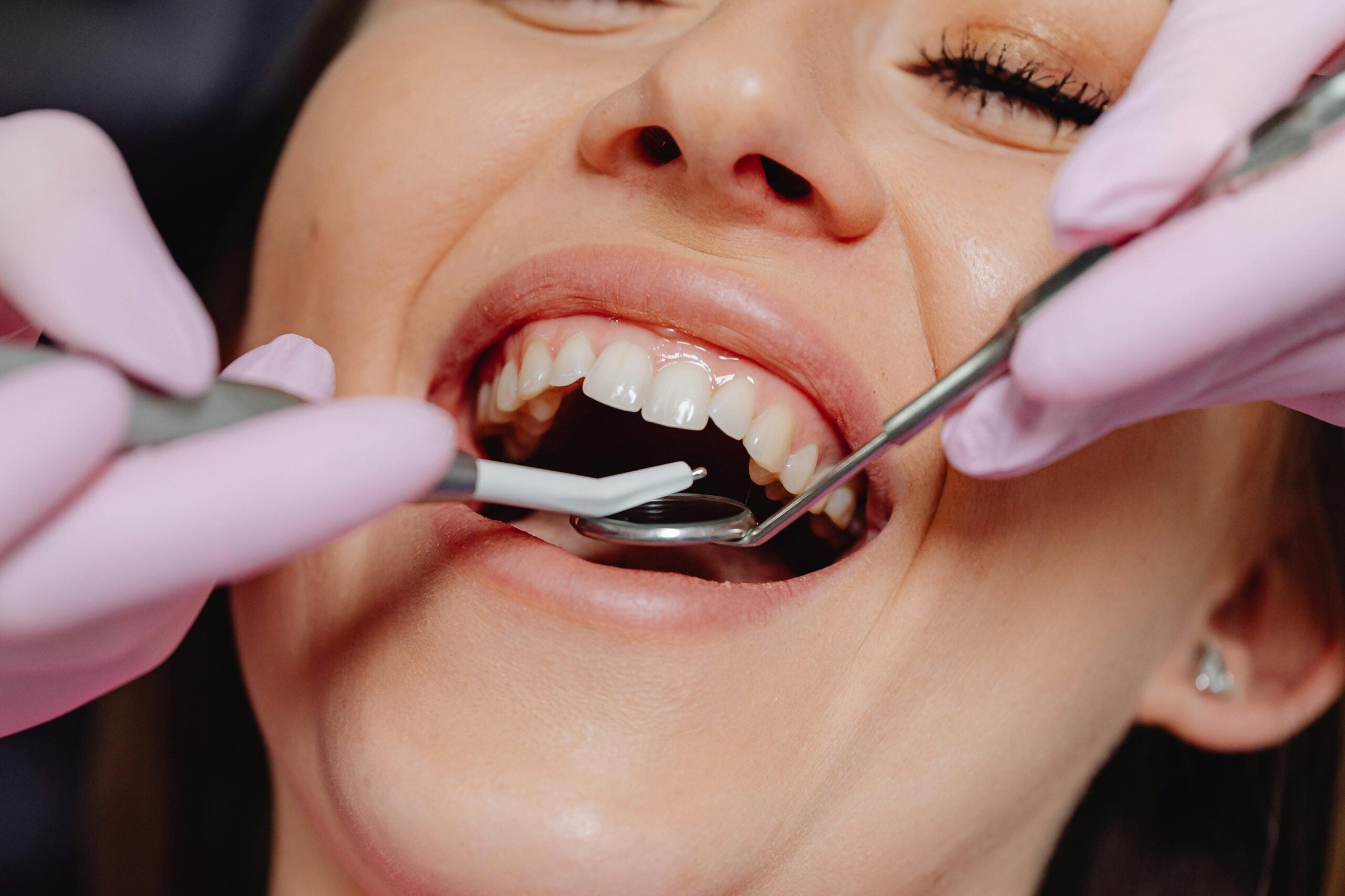
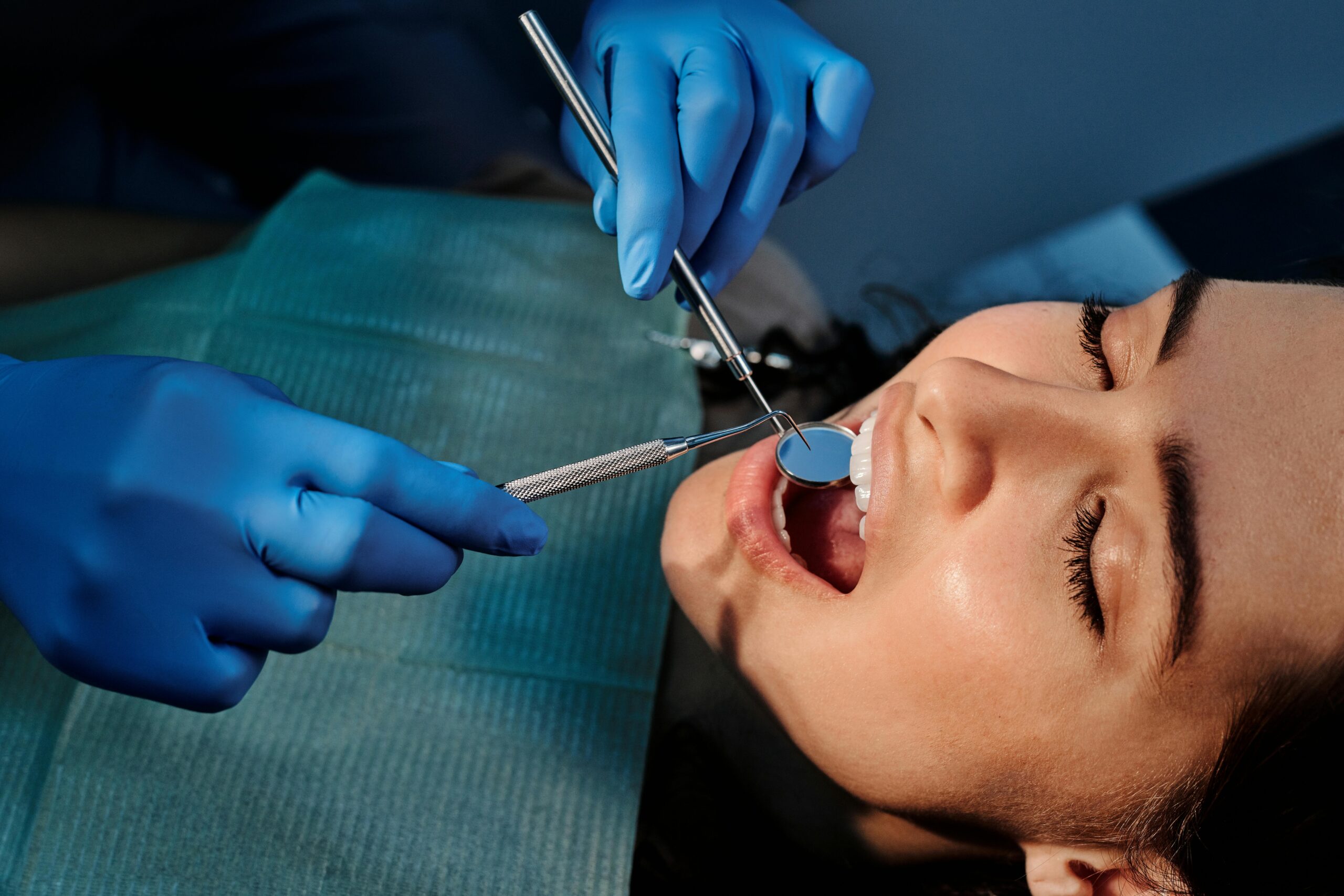
You feel steady pressure, not sharp pain, while the tooth loosens. Small instruments slide between the tooth and its ligament to gently release it. You may hear light tapping or a soft vibration if the tooth is sectioned into pieces. Suction keeps the area clear, and cool water irrigation protects the tissues.
We work in short, precise steps to limit fatigue for your jaw. A bite block may support your bite so you can relax your muscles. With atraumatic extraction techniques, most patients notice less force and calmer tissues during the visit. If anything feels too strong, a hand signal pauses the procedure so we can add more numbing or adjust.
For higher anxiety or complex teeth, sedation can make the experience easier; ask about safe, monitored deep sedation options for dental surgery. Time in the chair varies; simpler teeth often take minutes after numbness, while multi‑rooted teeth can take longer due to careful sectioning. Throughout, we protect nearby gums and bone, and we avoid wide stretching that can cause soreness.
As the tooth comes out, we focus on a clean, stable socket. Sharp edges are smoothed only if needed, then a clot is encouraged to form. If helpful, a small collagen plug or graft is placed, and sutures gently bring the gum edges together. You will bite on gauze for a few minutes while we review simple aftercare.
Knowing what you will feel, hear, and do during the visit lowers stress and supports smoother healing next. Gentle, precise steps make for a more comfortable appointment.
Post-Extraction Care and Recovery
Good recovery starts with protecting the blood clot in the socket. Bite gently but firmly on the gauze for the time your dentist recommends, then replace it if light bleeding continues. Rest with your head elevated, use cold packs on and off to limit swelling, and choose soft, cool foods the first day.
Think of the clot as a natural bandage that should not be disturbed. Avoid forceful rinsing, spitting, or drinking through a straw for the first day because suction can dislodge it. Keep activity light, and avoid smoking or vaping, which can slow healing. Small sips of water help you stay hydrated without creating suction, and sleeping with an extra pillow can reduce overnight swelling.
Pain and swelling are usually most noticeable during the first 24 to 48 hours, then ease. Use the medications your dentist advised, often timed anti‑inflammatories with food and plenty of water. After the first day, start gentle warm saltwater rinses to keep the area clean, and brush the rest of your teeth as usual. Take care near the socket, especially if you have stitches. If sutures are dissolvable, they typically loosen and fall out on their own in about a week.
A small amount of oozing is normal on day one. If steady bleeding occurs, place fresh gauze or a damp tea bag and apply firm pressure for 20 to 30 minutes. Call if bleeding soaks through multiple changes, if pain worsens after feeling better, or if you notice foul taste or odor from the socket. Fever, spreading swelling, or trouble swallowing needs prompt attention. Patients on blood thinners or those who had complex surgery should follow the specific plan given at the visit. Even with atraumatic extraction techniques, following these steps keeps recovery smooth.
As the site calms, your dentist will review next steps, such as timing for implant planning or temporary tooth options. If you need a short‑term solution while healing, ask about comfortable partial denture choices for gap coverage. Clear steps today protect healing and make future treatment easier. Gentle care now leads to steadier healing later.
Comparing Atraumatic and Traditional Methods
Atraumatic and traditional extractions differ in how force is used and how tissues are protected. Atraumatic methods use small, targeted movements to loosen the tooth while preserving bone and gums. Traditional forceps techniques often rely on greater leverage and may remove more bone to free the tooth. Both aim to remove the tooth safely, but the path to healing can feel different.
Picture easing a plant from its pot instead of yanking the stem. With atraumatic extraction techniques, fine instruments release the ligament fibers and, when needed, the tooth is sectioned so each piece follows its natural path. This lowers stress on the thin bone plate that shapes your gumline. Traditional methods can be efficient for simple, mobile teeth, yet higher forces increase the chance of bone loss or gum tears in tight or curved roots.
These differences show up after the visit. Preserving the socket walls supports a stable blood clot and can reduce swelling and bruising, which makes eating and speaking more comfortable. It also helps maintain ridge shape, which can simplify grafting and make immediate or early implant planning more feasible. In contrast, wider bone removal may still heal well, but it can lengthen the path back to a natural contour.
Choice of method depends on the tooth and your goals. Roots that are fused to bone, severe fractures, or dense, hooked roots may require more traditional steps, while many teeth respond well to gentle, staged releases. If keeping the tooth is possible, your dentist may discuss alternatives such as modern root canal treatment to remove infection and preserve natural structure.
For patients, the main differences are how the visit feels and how recovery starts. Lower forces often mean fewer sore spots and a smoother first week. If you are planning ahead, check our current hours and bring your questions so we can match the technique to your needs. Gentle choices today can protect options tomorrow.
Factors Influencing Healing Time
Healing time after a tooth extraction depends on the tooth, the procedure, and your health. For example, a smoker with a badly infected molar usually heals more slowly. Gentler surgery, healthy blood flow, and steady home care help the area close faster. Age, certain medicines, and medical conditions also play a role.
Local factors matter first. Simple, single‑rooted teeth with little infection tend to heal faster than multi‑rooted molars. Less surgical trauma, shorter procedure time, and careful socket handling protect the blood clot that starts healing. When the tooth is sectioned precisely and bone is preserved, the socket is more stable, which supports quicker soft tissue closure. This is one reason atraumatic extraction techniques can set up a smoother first week.
Your overall health and habits shape the pace, too. Good blood sugar control supports normal healing, while poorly controlled diabetes can slow tissue repair. Nicotine from smoking or vaping narrows blood vessels, which can increase dry socket risk and delay relief. Adequate protein, hydration, and rest help build new tissue. Some medicines, such as steroids or drugs that affect bone or immunity, can change timing, so share your full medical list before treatment.
Aftercare choices influence the clock each day. Protecting the clot, keeping activity light, and following cleaning steps reduce setbacks. Most swelling peaks in 48 hours, then eases. In many routine cases, gum tissue begins sealing within 1 to 2 weeks, while deeper bone strengthens over several months. Sites that started with infection, required more bone removal, or needed grafting can take longer. Well‑placed sutures and a calm bite on gauze support that early seal.
Planning ahead helps match expectations to your case and goals. If you hope to replace the tooth soon, preserving bone now can shorten the path to your next step. Ask how your specific health, the tooth’s anatomy, and the surgical plan may affect your timeline. Small, thoughtful choices today lead to steadier healing.
When Atraumatic Extractions Are Recommended
Atraumatic extractions are recommended when protecting your bone and gums will affect how you heal and look later. They are especially helpful if you plan to replace the tooth soon, if the front gumline shape matters, or if the outer bone is thin. This approach also suits teeth with complex roots or when important structures like the sinus or nerve are close.
Picture a front tooth cracked below the gum the week before photos. In esthetic areas, gentle steps help preserve the thin facial bone and papilla, which support a natural smile line. When an immediate implant is planned, keeping the socket walls intact improves planning and can support early stability. Long-term studies show that immediate placement and loading in carefully selected fresh sockets can maintain stable marginal bone levels [1].
Complex root shapes, curved tips, or fused roots benefit from controlled movements and precise sectioning. Using less force lowers the chance of breaking the thin outer bone or tearing gums, which can otherwise delay healing. If the tooth sits near the maxillary sinus or the lower nerve, careful, low-force removal reduces the risk of pushing roots into sensitive spaces. This measured approach also helps when a tooth has fractured under a crown, leaving fragile walls that could crush with heavy pressure.
Medical and healing factors matter, too. Patients who smoke, take blood thinners, or have conditions that slow healing often do better when surgical trauma is minimized. Reducing force and heat at the site can mean less swelling and bruising afterward, which supports steady clot formation. For infected teeth, staged and gentle removal can limit the spread of inflammation and make socket cleaning and grafting, when indicated, more predictable.
If you want the fastest path to a natural shape or a future implant, ask whether atraumatic extraction techniques fit your tooth and health. A short, thoughtful plan today can protect options for tomorrow’s restoration. Gentle planning now supports smoother healing next.
Potential Risks and Considerations
Every tooth removal has risks, even when done gently. Possible issues include bleeding, infection, dry socket, sinus or nerve problems, and damage to nearby teeth or fillings. Your medical history, medicines, and the tooth’s shape all affect risk. Careful planning lowers the chances, but no method removes risk completely.
A common concern is dry socket, when the blood clot dissolves early and bone is exposed. It usually starts with throbbing pain a few days after surgery. Smoking, strong rinsing, and suction from straws can raise the chance, so protecting the clot matters. Atraumatic extraction techniques help by minimizing tissue injury, which supports a stable clot, but good home care is still key.
Bleeding is expected at first, then should slow to light oozing. Blood thinners and some supplements can make bleeding last longer. Do not stop prescribed medicines without guidance. Firm pressure with gauze, keeping the head elevated, and avoiding heavy exercise usually control it. Infection can occur, especially if there was severe decay or gum disease, though prompt cleaning of the socket and follow-up care keep this uncommon.
Anatomy plays a role. Upper back teeth sit near the sinus, and a thin sinus floor may open during removal. This often closes with specific care, like avoiding nose blowing and using gentle rinses. Lower molars sit near nerves that give feeling to the lip and tongue. Temporary tingling can happen and usually improves with time; lasting change is rare. Roots can fracture or be curved, and a small piece may be left or require careful retrieval to avoid harming thin bone.
Other considerations include medical conditions and medicines. Diabetes, immune conditions, prior head and neck radiation, and drugs that affect bone turnover may change the plan and healing timeline. Nearby teeth or crowns can chip under high force, so controlled movements protect them. Talk through imaging, grafting needs, sedation options, and aftercare so the plan fits your health and goals. Understanding these points helps you weigh benefits against risks with confidence.
Good questions before surgery lead to safer, calmer healing.
Testimonials from Patients
Patients often describe their visits as calm, precise, and easier than expected. Many say they felt pressure, not pain, and noticed only mild swelling afterward. Several share that eating soft foods and speaking felt comfortable sooner than they thought. A few mention sleeping well the first night with simple home care.
One patient shared returning to work the next day without strong pain. Feedback often centers on comfort during the visit, clear numbness before starting, and steady, gentle steps. People appreciate knowing what sounds to expect and having a hand signal to pause. These small touches help lower stress and make the appointment feel controlled.
Afterward, comments often focus on how the area looks and feels while healing. Patients notice less bruising and easier mouth opening when force is kept low. They value simple, written instructions that explain gauze use, food choices, and when to start gentle rinses. Many report that regular over‑the‑counter pain medicine was enough, and that swelling peaked early, then eased on schedule.
Longer term, people often say they feel more confident about next steps. When bone and gums are preserved, the ridge usually keeps a natural shape, which patients find reassuring. They like hearing that future options remain open, whether that means a planned implant or another tailored solution. This sense of a roadmap reduces worry and helps them focus on healing.
Patients also point to the value of communication. They appreciate hearing why atraumatic extraction techniques aim to protect the socket, and how that protection may support less tenderness and steadier healing. When questions come up, quick answers about what is normal and what needs a call make recovery feel simpler. Clear guidance builds trust and keeps small issues from becoming stressful.
If you are weighing your choices, these experiences may help you picture your own path. Calm steps, good numbness, and steady aftercare often add up to a smoother week. Gentle care today supports better options tomorrow.
Summary of Key Points on Atraumatic Extractions
Atraumatic extractions focus on removing a tooth gently while protecting bone and gums. The dentist uses low, controlled force and precise steps so tissues stay calm and stable. This approach supports a smoother first week and keeps more natural bone for future treatment. A patient may leave speaking comfortably and start soft foods the same day.
In practice, the tooth’s tiny ligament fibers are released in stages with slim instruments. Multi‑rooted teeth are sectioned so each part slides out along its own path, not against thin bone. The outer bone plate, which shapes your gumline, is preserved by avoiding heavy twisting and by supporting the gum edges. The socket is kept intact, then allowed to form a stable blood clot, which is the first step toward healthy healing. Cooling irrigation and minimal bone removal protect living bone cells.
These steps matter because less trauma usually means less swelling and tenderness, and simpler home care. Preserved socket walls can make implant planning easier and may reduce the need for larger grafts later. In front teeth, keeping the thin facial bone supports a natural gumline shape. Near the sinus or lower nerve, careful, low‑force movements lower the chance of pushing roots into sensitive spaces. Good numbness, patient pauses, and, when needed, light sedation keep the visit calm.
Candidacy depends on tooth anatomy, infection, and overall health. Curved or fused roots, thin bone, or fragile tooth walls benefit from measured, stepwise removal. Smoking, poorly controlled diabetes, or blood thinners do not rule this out, but they require tailored planning and clear aftercare. Results also depend on protecting the clot at home, using gentle rinses after day one, and keeping activity light during early healing. Using atraumatic extraction techniques sets the stage, and smart aftercare helps finish the job.
Use this summary to discuss goals, timeline, and next steps with your dentist. Gentle choices today can protect options for tomorrow.
Frequently Asked Questions
Here are quick answers to common questions people have about Atraumatic Extractions: Gentler, Faster Healing in Glendale, AZ.
- What should I expect during an atraumatic extraction procedure?
During an atraumatic extraction, your dentist will numb the area to ensure you feel no sharp pain, only gentle pressure. Using fine instruments, the dentist will carefully release the tiny fibers holding the tooth, aiming to minimize stress on the surrounding bone and tissue. The process includes precise movements, sometimes sectioning multi-rooted teeth, while protecting the gum line. Suction and irrigation keep the area clear and cool. Throughout, your comfort is a priority, and you can signal if more numbing or an adjustment is needed.
- How does an atraumatic extraction benefit healing time?
Atraumatic extractions aid healing by minimizing damage to bone and gums. By using gentle techniques and less force, they encourage a stable blood clot to form, which is crucial for healing. This method also reduces swelling and bruising, easing discomfort and allowing for quicker recovery. Because soft tissues and bone are handled with care, they can heal more predictably, allowing for smoother and often faster recovery overall.
- Are atraumatic extractions less painful than traditional methods?
Atraumatic extractions are generally less painful than traditional methods because they use minimal force. The focus on precision and gentle handling means less trauma to tissues, reducing the typical post-procedure soreness and swelling. During the extraction, the techniques lower the chances of crushing or tearing tissue, so patients often experience a more comfortable recovery with less need for pain medication.
- Why is bone preservation important in dental extractions?
Bone preservation in dental extractions is important because it maintains the natural shape of the jaw, providing better support for future tooth replacements, such as implants or dentures. Preserving bone prevents complications like gum recession or bone loss that can affect the fit and appearance of restorative dental solutions. Keeping the thin bone plate intact supports a natural-looking gumline and healthy alignment, which are beneficial for overall oral health.
- What are some common aftercare tips for atraumatic extractions?
After an atraumatic extraction, focus on protecting the blood clot. Use gauze to control bleeding, rest with your head elevated, and apply cold packs to reduce swelling. Avoid rinsing, spitting, or drinking through a straw on the first day to prevent dislodging the clot. Consume soft, cool foods and maintain light activity. As healing progresses, gentle saltwater rinses and normal brushing routines can be resumed, being cautious around the extraction site.
References
- [1] Immediate Loading Using the Digitalized Customized Restoration of Single-tooth Implants Placed in Fresh Extraction Sockets in the Aesthetic Anterior Maxilla: A 10-Year Prospective Study of Marginal Bone Level. (2024) — PubMed:38690692 / DOI: 10.5005/jp-journals-10024-3659