Understanding Temporary Crowns
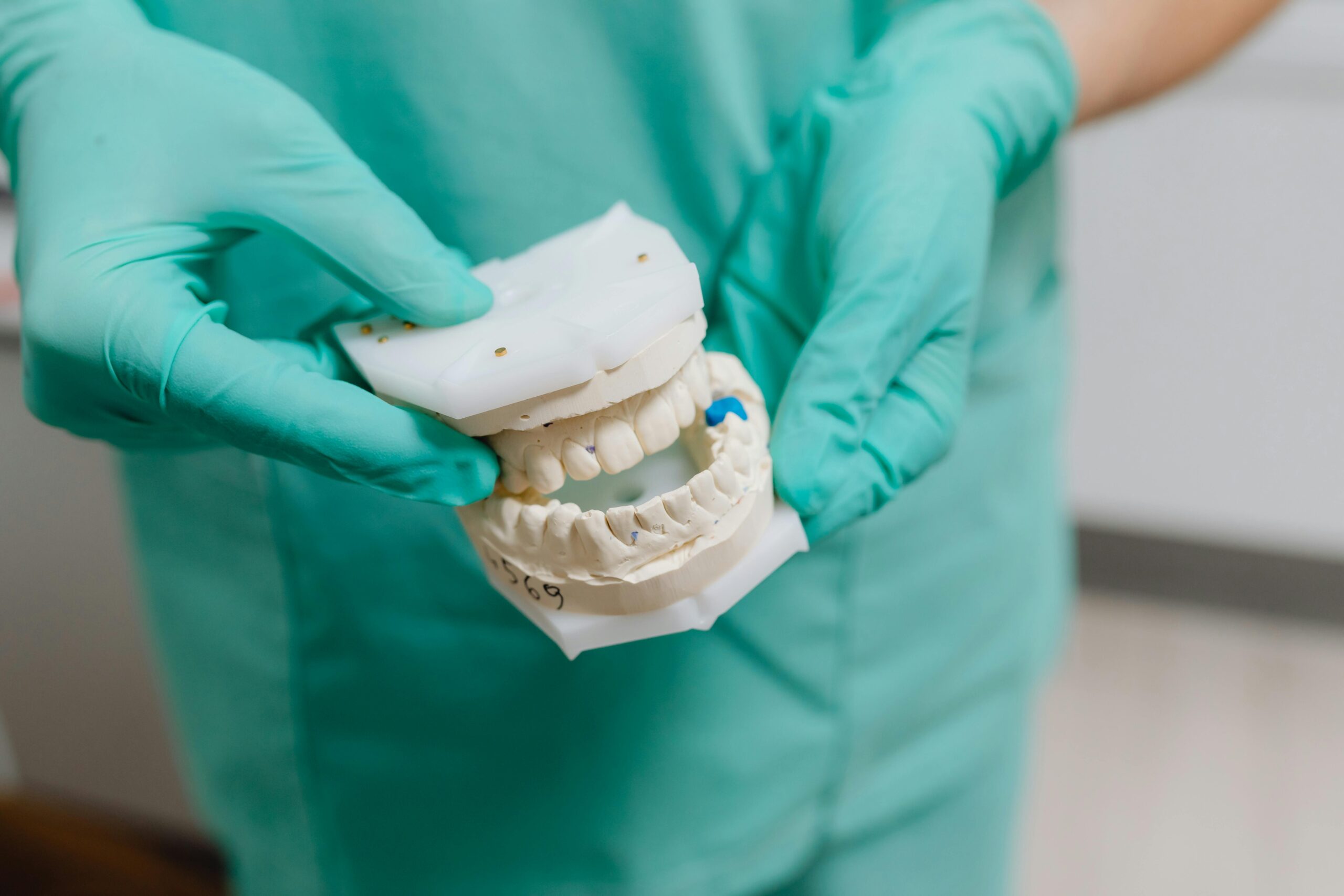
A temporary crown is a short-term cover placed on a tooth after it is shaped for a final crown. It protects the tooth and keeps your bite stable while the lab makes your permanent crown. Temporary crowns are made quickly in the office, and they are meant to be worn for days to a few weeks.
You bite on a granola bar and feel a cap loosen. That cap is often made from acrylic or resin and is held with temporary cement. The materials and cement are chosen so your dentist can remove the crown without harming the tooth. Temporary cements are designed for retrievability and are generally weaker and more soluble than permanent luting agents [1]. If you want to see how this fits into overall treatment, you can learn about dental crowns and bridges.
Temporary crowns do several important jobs during this short phase:
- Shield the prepared tooth from temperature and bacteria.
- Keep teeth from drifting, preserving space for the final crown.
- Support the gum shape for healthy, easy-to-clean margins.
- Let you chew gently and test your bite comfort.
- Offer a preview of look and length for front teeth.
- Reduce sensitivity while the lab fabricates the permanent crown.
Because temporary crowns are intentionally less strong, they can loosen if you chew sticky foods, grind, or floss aggressively. That is normal design, not failure of your final treatment. Understanding their role helps you handle small issues calmly and know what matters most: protecting the tooth and keeping position until the definitive crown is placed. In the next section, we explain what to do if your temporary crown fell off, what to do right away, and when to call.
Why Temporary Crowns Might Fall Off
Temporary crowns can come loose because they are designed to be removable and use weaker, short-term cement. Small changes in your bite, saliva dissolving the cement over time, or forces from chewing can break the seal. The size and shape of the prepared tooth also affect grip. When retention is limited, a temporary is more likely to loosen.
You sip hot coffee, then chew something sticky, and the cap shifts. The internal shape of the tooth matters a lot. Short teeth, smooth walls, or too much taper give the temporary less to hold onto, so it relies mainly on the thin cement film. If there was a large old filling or a fracture, there may be less natural tooth, which further reduces retention. Minor leakage of saliva at the margin can also weaken the cement and make loosening more likely.
Forces from your bite can work like prying motions on a small cap. High spots on a temporary, clenching at night, or chewing on one side put extra stress at the edges. Over several days, that stress can create tiny gaps, then the crown starts to rock. The temporary material itself can wear or warp slightly, especially at the margin, which reduces the snug fit.
Gums that are puffy or bleed can prevent a dry field during cementation, so the initial seal is less ideal. As tissues settle and the swelling reduces, the margin may no longer hug the tooth as closely. Teeth that recently had a buildup, or had a root canal with a large access opening, may have less remaining structure to resist dislodgement. If you want to understand how treating the nerve can affect crown support, you can learn about root canals and tooth reinforcement.
If a temporary crown fell off what to do next often relates to the reason it loosened. Knowing the likely cause helps you protect the tooth and avoid repeat problems. In the next section, we will outline simple steps to keep the area safe and explain when to come in.
Immediate Steps to Take
If your temporary crown fell off, what to do first is protect the tooth. Find the crown, rinse it and your mouth, and gently try it back on dry to check orientation. If it seats fully and feels comfortable, you may use a small amount of over‑the‑counter temporary dental cement to hold it until your appointment. If it does not seat easily, do not force it; keep it safe in a clean container and avoid chewing on that side.
You finish lunch and the cap is in your napkin. Look at the inside of the crown and the tooth for debris. Any hardened food or cement can prevent a full seat, so lightly brush the tooth and rinse the crown before trying again. When placing it with temporary cement, press it straight down, bite gently to confirm it is all the way on, then clean away excess. Slide floss out to the side rather than pulling up to avoid dislodging it.
If the crown rocks, feels high when you bite, or causes pain, leave it off and protect the area. You can cover a sharp edge with a small piece of orthodontic wax or sugar‑free gum for comfort. Keep the site clean with gentle brushing, and avoid sticky, hard, or very hot foods on that side. These steps reduce sensitivity, lower the chance of the tooth shifting, and help your gum line stay stable for the final crown.
Call for a recement visit soon, especially if the crown is broken, you cannot reseat it, or you notice swelling. Timely recementing keeps space and bite relationships accurate, which makes your permanent crown fit more predictably. If you need to plan around availability, you can check our current hours. Quick, calm steps now make the next appointment smoother.
How to Clean Your Mouth
Clean your mouth gently to keep the tooth and gums healthy until we see you. Rinse, brush, and floss with care so you do not irritate the area or knock the cap again. If a temporary crown fell off what to do first is remove loose debris, then keep the site clean and calm. A clean, comfortable mouth makes the next visit smoother.
You notice a gritty taste and a sharp edge with your tongue. Start with a warm saltwater rinse, 1/2 teaspoon salt in a cup of warm water, for 30 seconds. Swish slowly and let the water fall out rather than forcefully spitting. This soothes tissues, loosens food, and reduces surface bacteria. Avoid strong alcohol or whitening rinses, which can sting and dry the tissues.
Brush the area with a soft toothbrush using light, short circles. Clean the exposed tooth, the gumline, and the two neighboring teeth so plaque does not collect at the margins. Use a standard fluoride toothpaste, and skip gritty whitening pastes that can feel harsh on a sensitive surface. Floss carefully between those teeth, guiding the floss under the contact, then slide it out to the side instead of pulling up. If you use a water flosser, choose a low setting and aim from the cheek side, not directly into the exposed margin.
Clean the loose temporary crown as well. Rinse it under cool water and lightly brush the inside to remove food, then set it aside to air dry. Do not scrub away any thin, chalky lining inside the cap, since that helps it fit. Avoid soaking the crown in peroxide or alcohol, which can change the surface and affect seating. A dry tooth and a dry inner crown help temporary cement work better, so after cleaning, gently blot the tooth and your crown with tissue before any attempt to reseat.
If the crown will not go back on smoothly, keep it safe in a clean container and maintain gentle daily cleaning around the tooth. In the next section, we will explain what foods and habits to avoid and when to come in promptly. Clean, gentle care now protects the tooth and your gums.
Common Questions about Temporary Crowns
Patients often ask how long a temporary should last, what they can eat, and whether sensitivity is normal. In general, a temporary crown should stay on until your final crown visit, softer foods on the other side are fine, and brief cold sensitivity can occur. If a problem arises, protect the tooth and arrange a quick check. Most issues are manageable for a short time.
You wake up and find the small plastic cap on your pillow. If your temporary crown fell off what to do depends on whether it still fits fully. If it seats completely and feels normal, using an over-the-counter temporary cement can hold it for a short time. If it will not seat or feels high, keep it off and avoid chewing on that side until it can be evaluated.
How long is it safe to be without the temporary? Short gaps of a day or two are usually fine, but longer gaps can let teeth shift slightly or let gums swell into the space. That movement can change how the final crown fits. Keeping the temporary in place preserves the tooth’s position and the gum shape, which helps the final crown seat smoothly.
Is it normal for the temporary to feel different from your real tooth? Yes. Temporaries are made quickly, so they may feel a bit rough, look slightly different in color, or trap food more easily. The permanent crown is shaped and polished for a precise fit and smoother cleaning. Light cold sensitivity can be normal while the tooth is covered with a temporary; worsening, lingering pain or swelling is not.
Can you play sports or travel with a temporary? Yes, but wear a mouthguard for contact sports and avoid very sticky or hard foods that can pry on the cap. Flying and changes in altitude do not usually affect a temporary. If the temporary cracks or a corner chips but still covers the tooth, it can often be smoothed or resecured at a short visit.
If you are unsure, take a photo of the area and the inside of the cap and ask your dentist for guidance. Small, calm steps now help your final crown fit predictably.
What to Expect at Your Visit
We will examine the tooth, the temporary crown, and your bite, then decide whether to recement the cap or make a new one. Expect gentle cleaning, a dry field, and careful checks to be sure the crown seats fully and feels natural. If there is a sharp edge or sensitivity, we will smooth and calm the area. Before you leave, we will review how to protect the site until your final crown visit.
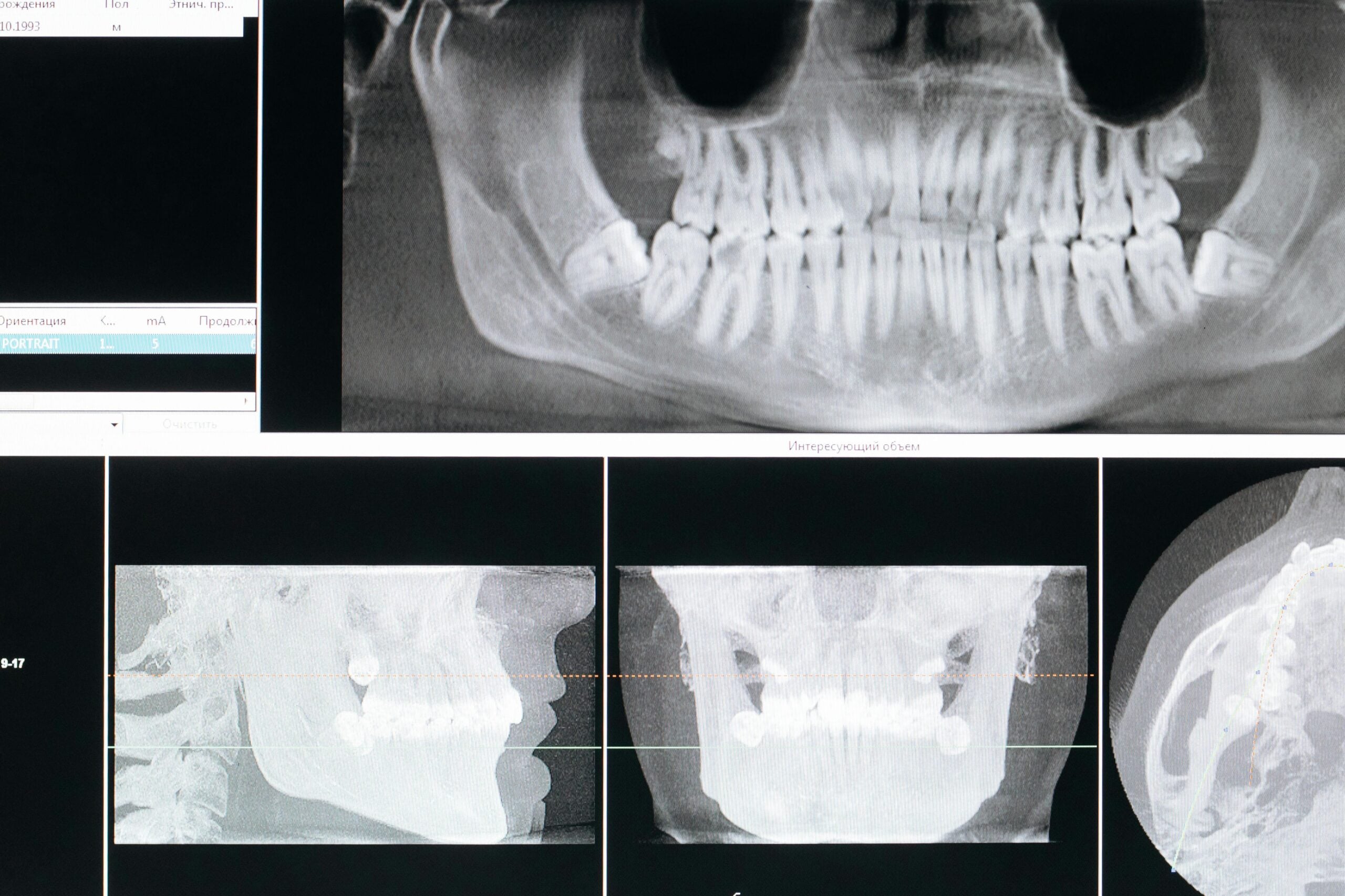
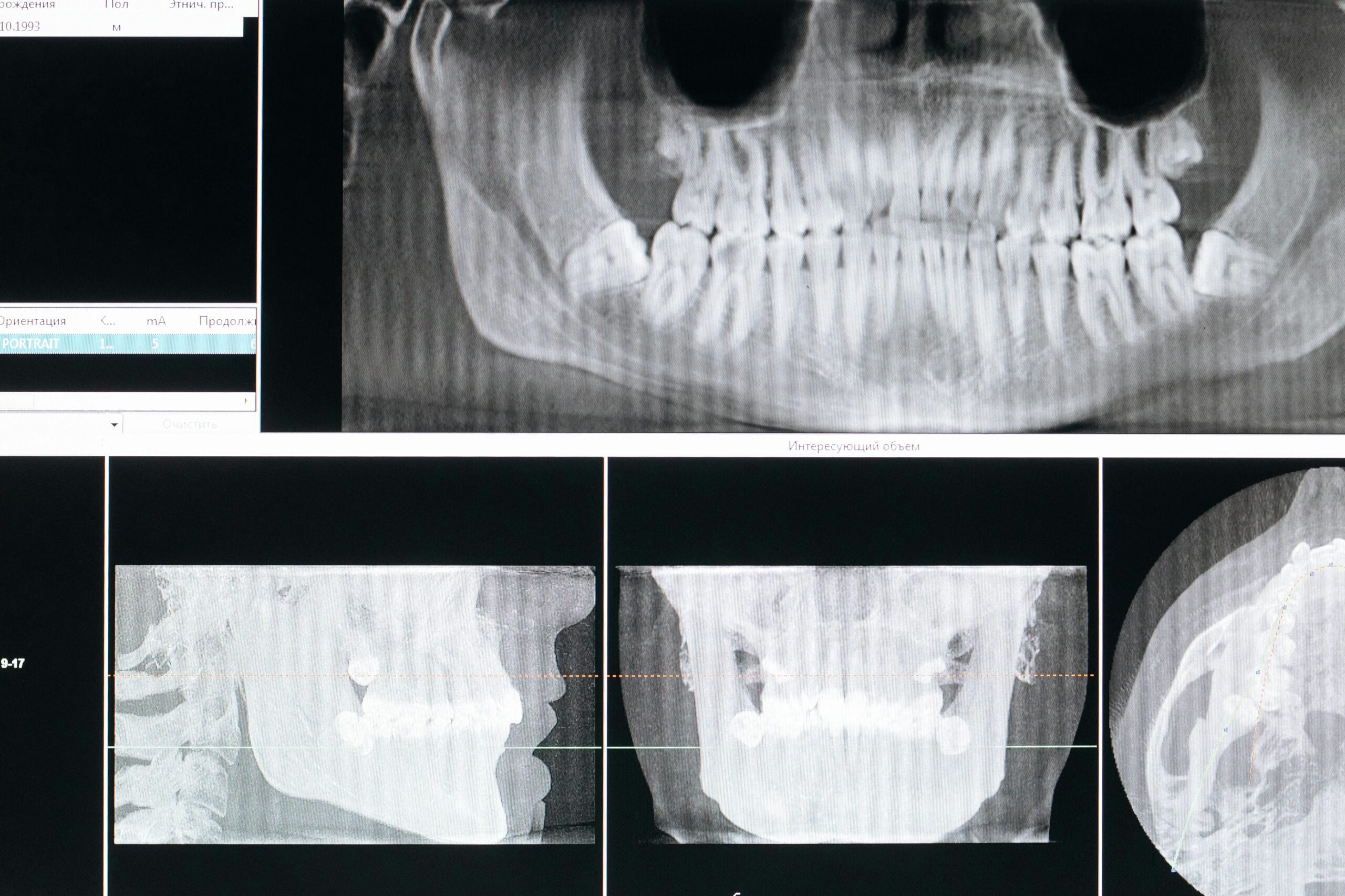
You hand us the loose cap in a small bag. First, we look for cracks, debris, or old cement on both the tooth and the inside of the crown. If needed, a small X‑ray or a cold test helps us assess the nerve and check for hidden decay. We then isolate the tooth, control any moisture, and verify that the crown orients and seats completely without rocking.
If the temporary fits well, we polish the margins and recement it with fresh temporary cement, then adjust your bite so there are no high spots. If it will not seat fully or is damaged, we will make a new temporary that hugs the margins, supports the gum, and feels smooth to your tongue. Short-term instructions follow, such as sliding floss out to the side and chewing gently on the other side for a day.
When retention is limited, we may add small retentive features to the temporary or choose a stronger interim cement to reduce the chance of repeat loosening. If a small corner of tooth chipped, we can often repair it with a quick, tooth‑colored material so the new temporary holds better. You can read more about simple, same‑day repairs on our dental bonding page.
If you have deep, lingering pain, we will perform focused tests to check the nerve and discuss next steps. Some teeth benefit from a core buildup, and a few may need endodontic treatment before the final crown so comfort and support are predictable. If you are very anxious, we can review calm, medication‑assisted options; learn about our gentle oral sedation approach.
Many people search “temporary crown fell off what to do,” and the visit simply focuses on safe cleaning, secure seating, and a comfortable bite. Clear steps at this appointment help your final crown fit on schedule.
When to Call a Dentist
Call a dentist if you cannot reseat the temporary fully, if it feels high when you bite, or if it keeps coming off. Contact us the same day for strong or lingering pain, swelling, a bad taste, or if the crown cracked. If you must leave the cap off longer than a day or two, schedule a prompt visit to protect the tooth and your final crown fit. If you searched temporary crown fell off what to do, these are the times to call.
You bite a cracker and feel the cap move. An exposed prepared tooth can be sensitive because inner dentin is open to the mouth. Without a secure temporary, bacteria and food pack around the margin and can irritate the tooth and gums. The temporary also holds space; even small tooth shifts can make the final crown harder to seat. If you reseat the cap and it rocks, or it only partly seats, it needs an in‑office check.
Some situations are urgent. Facial swelling, throbbing pain that wakes you, drainage, fever, or a foul taste suggest infection and need same‑day care. A sharp edge cutting your tongue or cheek also deserves a quick smoothing visit. If the temporary pops off but seats fully and feels normal with gentle bite contact, a short wait of 24 to 48 hours is usually acceptable. Still, arranging a near‑term appointment helps prevent movement of the tooth or gum overgrowth into the space.
Pay attention after you reseat the cap. If your bite feels off, chewing can pry the crown loose again and bruise the tooth. If you recently had a deep cavity or a large buildup, sensitivity may be higher, so earlier evaluation is wise. Do not force a tight crown onto the tooth, since that can trap it halfway and injure the gum. When in doubt, keep the crown safe, protect the area, and call for guidance.
Quick contact keeps the tooth comfortable and your final crown on schedule. When uncertain, call sooner.
Preventing Future Issues with Crowns
Most crown problems can be prevented with simple habits that protect the tooth and the crown’s edges. Keep the margins clean, manage bite forces, and come in for checks if something feels off. Avoid very sticky or hard foods, especially if you clench or grind. Small steps now help your crown last longer and feel natural.
You crunch an ice cube and feel a sharp zing. Decay at the margin is the most common reason crowns need replacement, so daily plaque control matters. Brush twice a day with a fluoride toothpaste and clean between teeth to keep the edge of the crown smooth and healthy. If your mouth is dry, sip water often and ask about extra fluoride, since low saliva increases cavity risk at margins.
Bite forces also play a big role. Night grinding can chip porcelain and loosen cement over time. A custom nightguard spreads pressure and protects the crown and the tooth underneath. If your bite changed after other dental work or orthodontics, a quick adjustment can prevent one spot from taking too much force. When teeth are crowded or tipped, selective alignment can reduce uneven load; learn how gentle tooth alignment may help on our Invisalign page.
Between appointments, pay attention to small warning signs. Food packing at one spot, a catch when flossing, or a rough edge can mean the margin needs polishing or the contact needs adjustment. Do not ignore brief, repeated cold zings, since early care is easier than fixing a cracked cusp. If you have a history of crowns loosening, your dentist may suggest a different interim cement, a stronger core buildup, or small retentive features so the final crown stays secure.
While you wait for your permanent crown, treat the temporary like a placeholder that protects position and gum shape. If it loosens, reseat it gently or keep it safe and avoid chewing on that side until it can be checked. Many people search “temporary crown fell off what to do,” but the best prevention is clean margins, even bite forces, and timely follow‑ups. Good daily care makes crowns last.
Maintaining Oral Health with Temporary Crowns
Keeping your mouth healthy with a temporary crown means calm gums, a clean margin, and steady habits. Brush and clean gently every day, choose tooth‑friendly foods, and avoid habits that stress the cap. These steps protect the tooth, prevent irritation, and help the final crown fit smoothly.
You sip citrus water all day and notice the gum looks puffy. Plaque that sits at the edge of a temporary crown can inflame the gum, which may bleed and feel sore. Swollen tissue can also creep toward the margin and make the final crown harder to seat. Clean the area well each morning and night, and take a few extra seconds on the gumline so it stays tight and comfortable.
Diet choices matter. Frequent sugar or acidic drinks bathe the prepared tooth and can irritate exposed dentin, which increases sensitivity. Try to keep sweets with meals, limit sipping between meals, and follow acids with plain water. If your mouth feels dry, sip water often and consider sugar‑free gum to boost saliva. Fluoride toothpaste at bedtime supports the weakened area until the permanent crown is placed.
Be gentle with tools. Avoid toothpicks and harsh scrapers that can nick the margin or wedge under the cap. If you use small interdental brushes, choose a size that slides loosely and keep it parallel to the gumline. For brief zings to cold, a toothpaste for sensitivity and steady cleaning help calm the nerve over a few days. If you wondered “temporary crown fell off what to do,” good daily care lowers that risk by keeping the fit and gum seal stable.
Pay attention to warning signs. Ongoing bleeding, a sour taste, or a rough edge that catches your tongue means the temporary may need smoothing or reseating. Bringing the cap, a clear photo, and a note of what you felt helps your dentist fix the problem quickly. Consistent, gentle care now keeps your gums healthy and supports a precise final crown. Small daily habits make a big difference.
Signs of a Crown-Related Problem
Watch for pain when you bite, a loose or rocking cap, or a crown that suddenly feels “high.” Ongoing cold or heat sensitivity, a bad taste, or gum tenderness around the edge can also signal trouble. Food packing at one spot, floss that snags or shreds, or a visible crack or gap at the margin are common warning signs. You bite down and feel a sharp twinge on the capped tooth.
Symptoms often point to the cause. A crown that feels high can bruise the ligament around the tooth, so chewing becomes sore and the tooth may ache after meals. If cold sensitivity zings and fades quickly, the nerve is likely irritated; if it lingers more than a few seconds, the pulp may be more inflamed and needs attention. A loose or rocking crown usually means the cement seal has weakened, which lets saliva and food slip under the edge and irritate the tooth.
Gum changes give useful clues. Redness, puffiness, bleeding when brushing, or a sour taste near the crown suggest plaque is trapped at the margin. That can happen if the edge is rough, the contact between teeth is too open, or the crown does not sit fully. Food that packs between the crown and its neighbor can also make the gum sore and create a bad smell. If you notice a dark shadow or a new line at the edge, the crown or the tooth underneath may be chipped.
Some signs are urgent. Facial swelling, throbbing pain that wakes you, fever, or a pimple-like bump on the gum mean you need prompt care. Sudden severe pain on release after biting can signal a crack, while a crown that will not stay on exposes sensitive dentin and should be addressed soon. If your temporary crown fell off what to do next depends on which of these signs you notice. The next section explains simple steps to protect the tooth until you are seen. Early attention keeps your final crown on track.
Frequently Asked Questions
Here are quick answers to common questions people have about My Temporary Crown Fell Off: Now What? in Glendale, AZ.
- Why did my temporary crown fall off?
Temporary crowns are designed to be removable and use weak, short-term cement. They can come loose due to changes in your bite, saliva dissolving the cement, or chewing forces. The tooth’s shape and size also affect grip, making retention crucial. If your bite changes or the internal tooth shape is not ideal, it may not hold well. Sticky food or clenching can further contribute to loosening.
- What should I do immediately if my temporary crown falls off?
If your temporary crown falls off, first locate it and rinse both the crown and your mouth. Gently try it back on the tooth to check the fit. If it seats fully and feels comfortable, you can use temporary dental cement to hold it until your appointment. Avoid forcing the crown into place and refrain from chewing on that side.
- How can I clean my mouth after a temporary crown falls off?
After your temporary crown falls off, clean the area carefully. Rinse with warm saltwater to soothe the tissues. Use a soft toothbrush to clean the exposed tooth and nearby teeth gently. Floss with care, sliding it out sideways rather than pulling upward. Proper cleaning helps prevent irritation and keeps the area ready for your next dental visit.
- Is it normal to experience sensitivity when a temporary crown falls off?
Cold sensitivity can be normal if a temporary crown falls off and exposes the tooth. The inner dentin is more sensitive to temperature. Ensure you keep the area clean and avoid triggering foods. If sensitivity persists or worsens, contact your dentist promptly to check for underlying issues.
- How can I prevent my temporary crown from falling off again?
To prevent your temporary crown from falling off again, avoid sticky, hard foods and chewing directly on the temporary. Manage stress on your teeth by wearing a mouthguard if you grind at night. Regularly clean your teeth with a soft brush and floss gently. These habits protect the crown and help it stay in place until you receive your permanent crown.
References
- [1] Update on Dental Luting Materials. (2022) — PubMed:36354653 / DOI: 10.3390/dj10110208