Indicators of Poor Office Cleanliness
Poor cleanliness shows up as visible dirt, clutter, and sloppy infection-control habits. You sit down and notice dust on the light and a full trash can. If barriers are not changed between patients, or staff do not wash or sanitize hands, that is a concern. Restrooms that look unkept often mirror how treatment rooms are cleaned.
Look for these red flags during your visit:
- Dust, spills, or splash marks on counters, light handles, or chair controls.
- Trays set with unwrapped or already-opened instruments before you arrive.
- Gloves not changed after touching non-sterile items, or no hand hygiene between patients.
- Plastic barriers missing on high-touch areas, or visibly reused.
- Overfilled trash, soiled bib clips, or dirty protective eyewear.
- Restrooms without soap, paper towels, or with persistent odors.
Why this matters is simple. Germs spread from surfaces and hands to instruments and your mouth. Proper sterilization seals instruments in pouches until use, with indicator strips that change color when cycles reach the right temperature and time. Open or torn pouches, rusty tools, or instruments laid out long before your appointment raise the risk of cross-contamination. Sterile conditions are especially critical for procedures like root canal treatment, where bacteria control protects healing.
Water quality also counts. Dental unit waterlines can collect biofilm, so teams should flush lines, use clean water sources, and maintain equipment. Chair-side suction tips and air-water syringes should have fresh barriers or be replaced for each patient. You should see staff clean and disinfect between visits, then wash hands or change gloves before they touch you or any sterile items. Clean environments for wisdom tooth removal help reduce post-op complications and keep recovery on track.
If you notice several of these issues, consider them signs of a bad dental office. Next, pay attention to how the team communicates safety steps and answers your questions. A clear process usually reflects a clean, well-run practice.
High Rates of Dental Work Revisions
High rates of dental work revisions mean patients often return soon to fix, adjust, or remake recent treatment. One small tweak can be normal, but repeated failures across many patients suggest deeper problems. It points to issues in diagnosis, planning, or technique, not just bad luck. You get a new crown, and it pops off twice in a month.
Revisions rise when the original problem was misdiagnosed. For example, a cracked tooth treated with a large filling may keep hurting until it receives the right coverage. Moisture control also matters, because adhesive dentistry needs a clean, dry field to bond well. If isolation is poor during fillings or crown cementation, margins can leak, causing sensitivity, stains, or early failure. Bite checks are another pivot point. High spots can lead to pain, fractures, or loose crowns if the occlusion is not carefully adjusted.
Impressions and digital scans must be accurate, and labs need clear instructions. Margins that are rough or short make restorations harder to clean and more likely to fail. Good offices set expectations, show before-and-after images or X-rays, and explain how they will prevent repeats. If a cap keeps coming off, ask about stronger bonding protocols, bite guards for grinding, or whether the tooth needs a different design. When a restoration truly needs replacement, well-fitting crowns and bridges can restore strength and reduce the chance of another redo.
As a patient, watch for patterns, not one-offs. Fillings that chip within months, crowns that repeatedly debond, or pain that lingers long after treatment all deserve a clear plan, not endless quick fixes. Ask your dentist how long the work should last with good home care, what steps they use to keep teeth dry during bonding, and how they verify your bite. If several recent treatments are failing, consider a second opinion. A pattern of frequent redo work can be one of the signs of a bad dental office. If you plan a visit, check the current hours. Durable dentistry starts with careful diagnosis and meticulous steps.
Feeling Rushed During Appointments
Feeling rushed means you do not get enough time to share concerns, ask questions, or understand choices. It shows up as brief exams, quick handoffs, or decisions pushed without clear explanations. When the clinician keeps checking the clock or talks from the doorway, important steps can be missed. You sit, questions ready, but the exam ends in five minutes.
Quality dentistry needs time for history review, a thorough exam, and clear consent. Shortcuts can skip basics like periodontal charting, oral cancer screening, or careful bite checks. Limited time also squeezes post‑op instructions, so you leave unsure how to care for a procedure. Even simple cleanings benefit from unhurried time to discuss bleeding gums, sensitive areas, or habits that affect your mouth.
Complex care is especially sensitive to time pressure. Procedures that involve medication or anxiety control, such as oral sedation planning and monitoring, require detailed medical review, dosing checks, and recovery guidance. Orthodontic choices need space for records and goal setting, because your bite, airway, and enamel health matter for predictable results. Rushed planning before clear aligner treatment can lead to unrealistic timelines or avoidable refinements.
As a patient, notice patterns. If you rarely finish your questions, do not receive written instructions, or feel pushed to decide immediately, speak up. Ask how much time is scheduled for today’s visit, and whether more time can be set aside for complex treatment or second opinions. Bringing a short written list helps the team prioritize what matters to you. If the schedule cannot flex, consider a practice that offers longer visits or staged consultations.
Consistently rushed visits are among the signs of a bad dental office. Your care should feel unhurried, safe, and explained in plain language. If that is not your experience after you ask for more time, it may be worth seeking another opinion. Unhurried time supports better diagnosis, treatment, and comfort.
Signs of Disorganization in the Office
Disorganization shows up as long waits, lost or repeated forms, mixed‑up appointments, and unclear billing. You arrive on time, but your chart or X‑rays cannot be found. Staff give different answers about your treatment or insurance, and messages are not returned. When basic systems break down, care quality often follows.
Organization matters because dentistry depends on accurate records and timing. If medical histories are incomplete, allergies or important medications can be missed. Poor documentation can also lead to wrong-tooth treatment, skipped follow-ups, or delays in needed care. The risks grow with complex care that involves careful scheduling, consent, and monitoring, such as procedures under deep sedation, where clear checklists and handoffs help keep patients safe.
Communication systems are part of this picture. Reliable reminders reduce no-shows, and clear post-visit summaries help you follow instructions. When imaging or lab results come in, there should be a process to review them, then contact you with next steps. Multi-visit plans, like coordinated full-arch implant care, require accurate sequencing and lab coordination, so mix-ups can cause extra visits, added cost, or treatment changes. A well-run office outlines who does what, and when, so your case does not drift.
What you experience at the front desk often mirrors what happens chairside. If check-in is smooth, forms are ready, and staff greet you by name with the right reason for your visit, the clinical area is more likely to run on time. During the exam, you should see the team confirm your medications, review past findings, and update today’s plan in your record. If you raise a concern about delays or confusion, the response should be specific and prompt, not vague.
If repeated scheduling errors, missing records, or unclear plans persist after you speak up, consider them signs of a bad dental office. Your time and health deserve steady systems, clear communication, and predictable follow-through. Next, pay attention to how the team explains findings, options, and risks in plain language. Well-run systems protect your time, records, and health.
Staff Attitude and Professionalism
Staff attitude and professionalism show in how the team greets you, listens, and protects your privacy. You ask a question, and the assistant pauses, listens, then answers clearly. Professional teams explain what will happen, why it is needed, and invite your consent before starting. They speak respectfully, use plain language, and make space for your concerns.
Beyond manners, professionalism protects safety and comfort. Red flags include dismissive or rushed answers, eye-rolling, or staff discussing other patients where you can hear. Pressure to agree immediately, or refusal to discuss alternatives, undermines informed consent. Clear talk about pain control, with offers to pause if you feel discomfort, shows respect. When something goes wrong, professionals acknowledge it, explain next steps, and document the plan.
Professionalism also means consistency. You should hear the same plan from the dentist and assistants, with who-does-what explained before care begins. Records and explanations should match, from your medications to post-visit instructions. Teams that introduce themselves, wear readable name badges, and follow through on promised callbacks make your visit less stressful and more predictable.
Communication affects results, not just feelings. When you feel safe to speak up, you share allergies, anxiety, and budget limits, which helps the team tailor care. Complex choices require calm, two-way discussions, such as when you consider partial dentures and need to compare fit, maintenance needs, and durability. Written instructions, clear timelines, and a point of contact reduce confusion between visits. These habits build trust and help prevent avoidable problems.
As a patient, notice patterns over several visits. If you feel disrespected, cannot get straight answers, or are pressured to decide without time for questions, speak up. If the response stays defensive or vague, treat it as one of the signs of a bad dental office and seek a second opinion. Respectful care should feel calm, clear, and consistent.
Communication Issues with Your Dentist
Communication issues show up when your dentist does not explain findings, skips options, or rushes consent. You ask about choices, but only hear “we will fix it” with no plan. Good care includes plain-language explanations before, during, and after visits. If you leave confused about the problem or next steps, that is a warning sign.
Clear communication matters because informed consent protects you. You should hear the diagnosis, benefits, risks, and reasonable alternatives, plus what happens if you wait. Dento-legal reviews note that weak communication and incomplete consent often underlie complaints and claims, especially when records are vague or missing [1]. Discussing risks and alternatives in a way you understand is a core risk-management standard in dentistry [2].
Communication also affects choices. For example, if you are exploring a smile change, you should hear how much enamel removal is needed, what maintenance looks like, and noninvasive options. A thoughtful talk about when porcelain veneers might be appropriate versus when to monitor or delay care helps you decide with confidence. Photos, drawings, or models can make complex ideas simple.
Alternatives should be real, not an afterthought. Many chips or small gaps can be managed with conservative options, like precise dental bonding for minor shape changes, while other cases need different solutions. A dentist who invites questions, summarizes the plan in writing, and documents your consent shows respect for your role. This same approach reduces surprises during and after treatment.
As a patient, look for two-way conversation. Do you understand the problem, options, risks, and expected follow-up, and do your records reflect that talk? If your questions are brushed aside, consent feels rushed, or messages go unanswered, these patterns can be signs of a bad dental office. Consider a second opinion if clarity does not improve after you speak up. Clear talk supports safer, more comfortable care.
Inconsistent Treatment Recommendations
Inconsistent treatment recommendations happen when different dentists suggest very different plans for the same issue, or when a plan keeps changing without new findings. Two dentists give opposite plans for the same tooth. Some variation is normal, but large swings should be explained with photos, X-rays, and clear reasoning. If no one can show why one option fits your diagnosis better, pause and ask for clarity.
Good plans start with complete information. That includes a careful history, bite and gum measurements, vitality tests when needed, and appropriate images. Reasonable dentists can disagree, but they should explain the benefits, risks, and why each choice matches your goals. Changes to a plan should follow new evidence, such as a crack seen on imaging or worsening symptoms, not scheduling pressure. You should also hear what happens if you wait and what maintenance each option requires.
Watch for mismatches between the problem and the proposed fix. For surface stains, a talk about cleaning and options like professional teeth whitening should come before irreversible drilling. Large fillings on cracked teeth may fail, so full coverage might be discussed, but your dentist should show where the crack is and why coverage helps. If wear or mild chipping is the concern, bonding or a guard may be enough, and that should be stated plainly. Clear visuals and a written summary help you compare choices at home.
Big treatment jumps deserve extra questions. Extracting a restorable tooth in favor of implants needs strong, documented reasons, and alternatives like saving the tooth or using a partial should be covered. For full-arch situations, plans such as stabilized snap-in implant dentures should be compared with other approaches, including how they look, feel, and are maintained. Ask for a phased plan, expected lifespan, and costs of upkeep over time. When explanations are vague, keep changing, or pressure replaces answers, consider a second opinion as one of the signs of a bad dental office. Consistency, backed by evidence, builds trust.
Lack of Updated Technology and Techniques
A lack of updated technology and techniques shows when an office relies only on film X‑rays, has no intraoral camera, or skips basic isolation during adhesive work. These gaps make diagnosis harder, increase the chance of errors, and can affect comfort and outcomes. You ask about a crack, but there is no camera to show it. Not every practice needs every new device, but core updates matter for safe, predictable care.
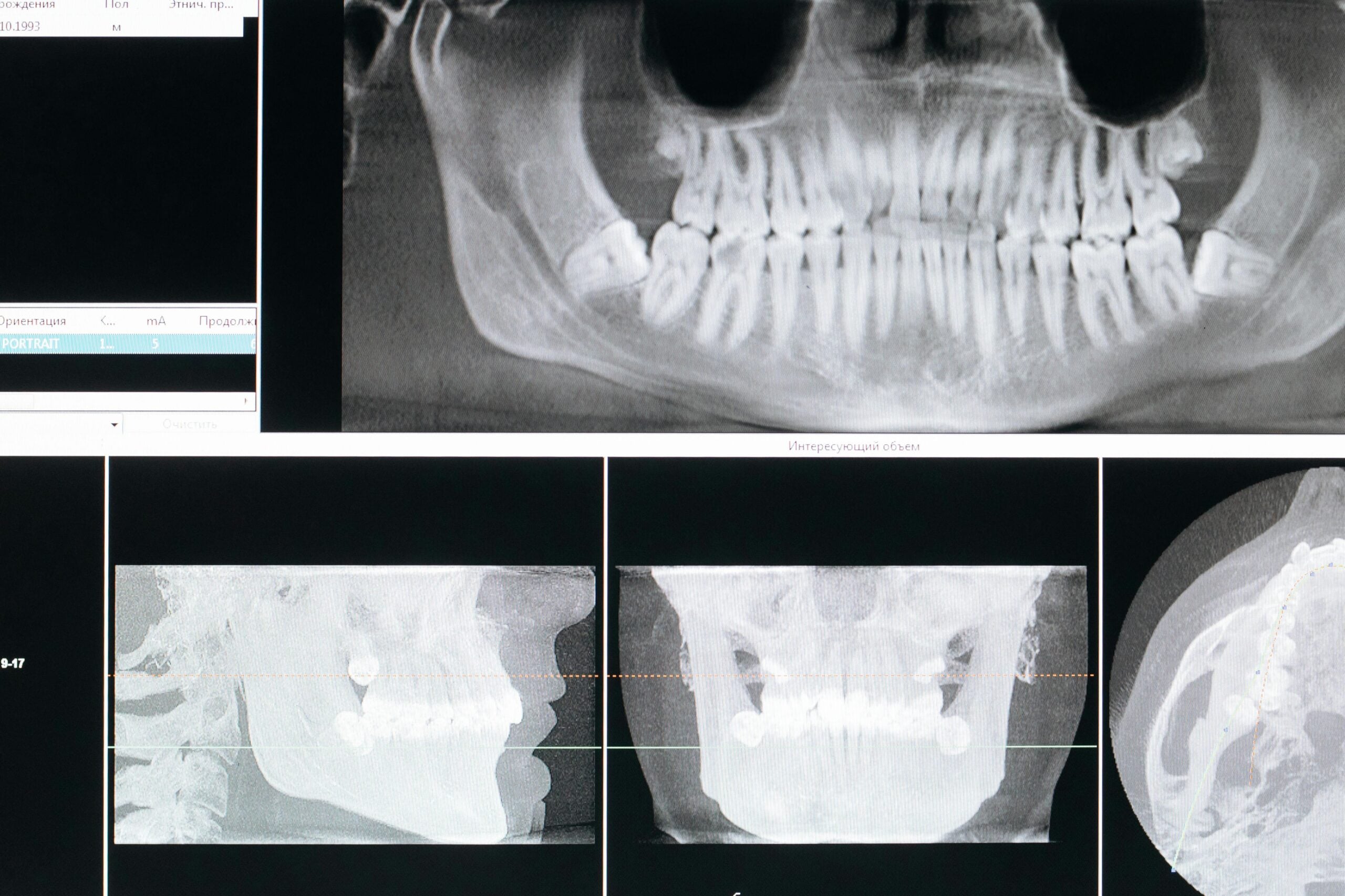
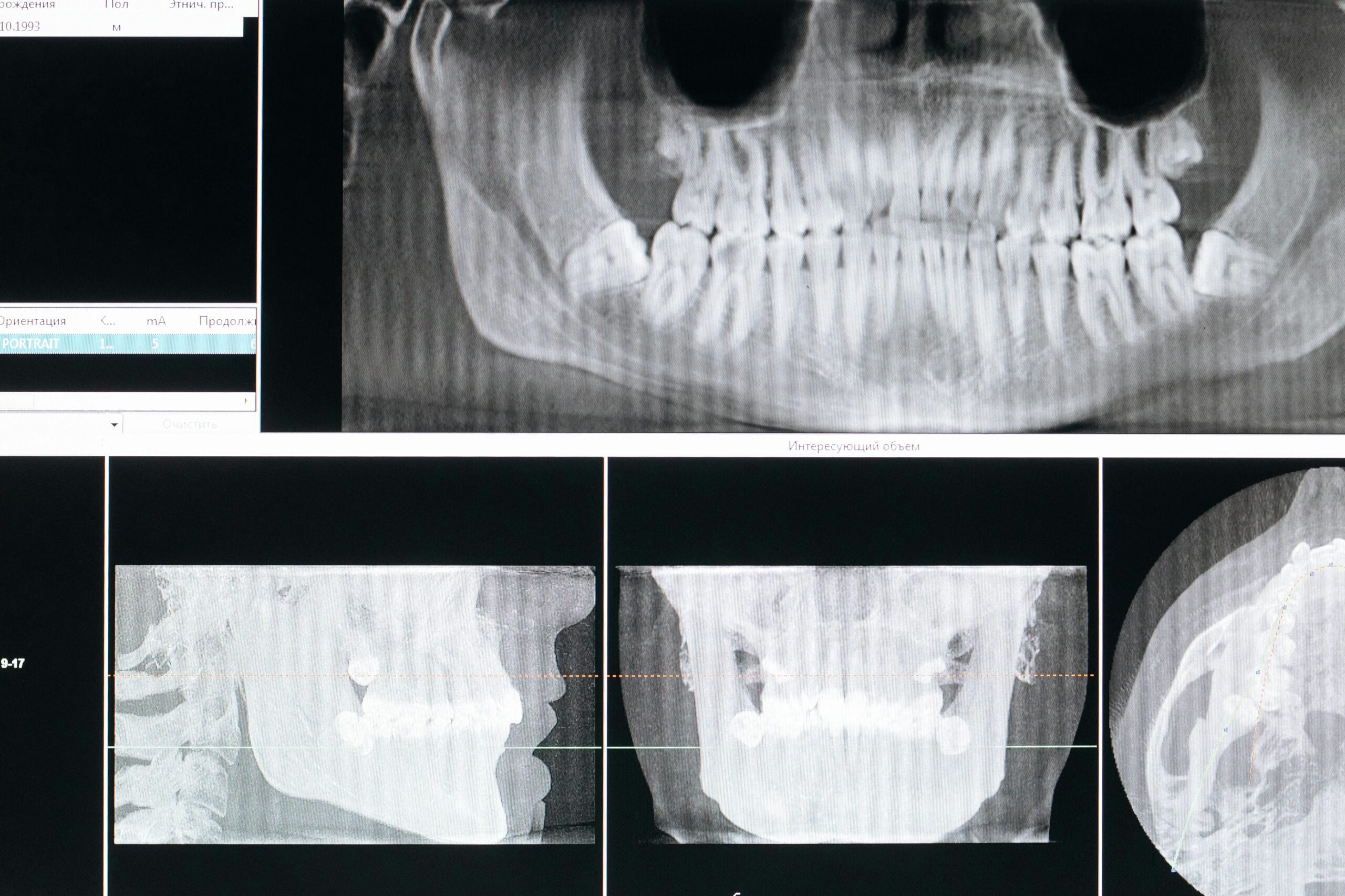
Modern imaging helps catch problems earlier and plan with accuracy. Digital X‑rays appear quickly, can be enlarged, and often reduce radiation compared with older film. Intraoral cameras let you and your dentist see chips, fractures, and worn margins in real time, which supports clearer decisions. For complex cases, selective use of three‑dimensional imaging can improve planning, though it should be used only when it changes the diagnosis or treatment.
Up‑to‑date techniques also protect quality. Adhesive dentistry depends on moisture control, so reliable isolation, often with a rubber dam for deep or sensitive work, supports stronger bonds and fewer leaks. High‑volume evacuation keeps the field drier and improves visibility, which helps with clean margins and even curing. Magnification, careful light curing, and calibrated materials are small steps that add up to longer‑lasting fillings and more secure crowns. For cosmetic planning, photos and shade records allow you to compare options and timing before starting treatments like professional teeth whitening.
Outdated sterilizers or ignored maintenance logs are separate concerns from tools, but training on newer devices matters just as much. A well‑run office sets protocols for imaging, isolation, and bonding, then follows them the same way every time. Ask how your dentist keeps teeth dry during bonding, what imaging will be used, and how they verify the bite before you leave. When basic tools are missing and modern steps are skipped without explanation, those patterns can be signs of a bad dental office. Updated tools, paired with sound technique, lead to clearer diagnosis and more predictable results.
Patient Reviews and Feedback Insight
Patient reviews can help you spot patterns about an office’s care and service. Focus on trends across many comments, not a single glowing or angry post. Recent, specific reviews about communication, billing clarity, comfort, and follow-up are the most helpful. You read three new posts that mention surprise fees after treatment.
Look first at timing and detail. Reviews from the past six to twelve months reflect current staff, systems, and technology. Comments that describe what was done, how it was explained, and what happened afterward carry more weight than short star ratings. If several recent reviewers mention unresolved pain, redo work, or confusion at checkout, that pattern deserves attention.
Next, read how the office responds. A professional reply thanks the reviewer, clarifies what occurred, and offers a private path to resolution. Reactions that blame patients, reveal private details, or avoid the core issue can be a warning. Calm, solution‑focused responses often reflect better internal systems and a culture that learns from feedback. This response pattern can matter as much as the original complaint, because it shows how the team handles problems when they arise.
Consider sample size and platform differences. A small office might have fewer reviews, so each comment seems louder. Balance that by checking multiple sources and reading longer reviews for context. Note whether feedback aligns with what you see in person, such as clear estimates, on‑time starts, and consistent explanations. If the online theme is rushed care and you feel hurried during your visit, the signal is stronger.
Finally, use reviews to shape good questions. Ask how the office explains fees before treatment, what steps they take if a filling feels high, and how they handle after‑hours concerns. Bring a short list to your appointment and compare the answers with what reviewers described. When reviews show repeating issues and your experience matches them, consider these as signs of a bad dental office and seek a second opinion. Thoughtful reading turns online comments into practical guidance.
Trust Your Instincts: A Personal Reflection
Trusting your instincts in a dental setting means noticing how you feel and what you see. If something seems off, it is reasonable to pause, ask questions, or step back. Halfway through a visit, your stomach tightens for no clear reason. Your first reaction often reflects small cues your brain collects before you can explain them.
Those cues can be unclear explanations, hurried consent, or a mismatch between the plan and your exam findings. From a clinical view, uneasy feelings often trace back to missed steps in diagnosis, incomplete consent, or skipped checks. Instinct should prompt you to gather facts, not to judge the team. Slow the pace and ask what problem is being treated, what alternatives exist, and why this option fits you. Request the expected timeline and how success will be measured at follow-ups.
Make your instinct useful by turning it into clear questions. Ask for a brief written summary, copies of images, and simple home care instructions. Confirm how your bite will be checked, how comfort will be managed, and who to contact if concerns arise. Compare the plan with your goals, medical history, and time limits. If answers stay vague or keep changing without new findings, seek a second opinion.
Trust grows when what you feel matches what you are shown and told. If repeated unease follows rushed talk, missing details, or avoidable surprises, treat that pattern as one of the signs of a bad dental office. In the sections ahead, we will focus on practical ways to check quality and consistency. Listen to your gut, then verify with facts.
Frequently Asked Questions
Here are quick answers to common questions people have about Signs It’s Time to Find a New Dentist in Glendale, AZ.
- How can I tell if a dental office is not clean enough?
Signs of poor cleanliness in a dental office include dirt, dust, and clutter. Look for spills, splash marks, and full trash cans. Ensure that staff change gloves and wash hands frequently. Instruments should be wrapped until use, and restrooms should be clean, with soap and paper towels available. Always expect to see fresh barriers on high-touch surfaces, replaced between patients.
- What might indicate a high rate of dental work revisions?
If patients frequently return to fix recent treatments, this might signal issues with the dental office’s work. Look for patterns where fillings chip quickly, crowns fall off, or treatments need repeats. Poor diagnosis, planning, or technique can be the cause. Ask your dentist about how they ensure accurate diagnosis and effective treatment planning to avoid such issues.
- Why does feeling rushed during a dental visit matter?
Feeling rushed during a dental visit can mean your questions go unanswered and important exams or instructions may be skipped. Quality care needs enough time for thorough exams and explanations. If appointments feel consistently hurried, it might be time to consider another practice that values your time and comfort.
- What are signs of disorganization in a dental office?
Disorganized offices might have long wait times, misplaced or repeated forms, and unclear billing. You might notice mixed-up appointments or lost records. Reliable communication and a smooth checkout process are key for a well-organized practice, ensuring you receive timely and accurate care.
- How important is updated technology in a dental office?
Updated technology, such as digital X-rays and intraoral cameras, plays a crucial role in accurate diagnosis and effective treatment. It helps in planning and can make procedures more comfortable. Ask your dentist whether they use modern tools to enhance care quality and outcomes for treatments like professional teeth whitening.
- How can communication issues affect my dental care?
Communication issues arise when a dentist fails to explain diagnosis, risks, benefits, and alternatives. Clear communication ensures informed consent and helps you make well-understood health decisions. If communication is lacking, it may be time to seek a second opinion to safeguard your care quality.
- What does it mean if a dental office gives inconsistent treatment recommendations?
Inconsistent treatment recommendations occur when different dentists propose very different plans for the same issue, or when a plan changes without new evidence. It is essential to fully understand why each option is suggested, and to get clarifications when needed. Consistency and evidence-backed explanations are key to building trust in your care.
- How should I use patient reviews when evaluating a dental office?
Patient reviews can give insight into the care and service patterns of a dental office. Focus on recent and detailed comments about communication and billing. Pay attention to how the office responds to feedback. Professional replies indicate a practice that listens and improves based on patient input, helping you choose well-informed dental care.
References
- [1] Risk management in clinical practice. Part 7. Dento-legal aspects of orthodontic practice. (2010) — PubMed:20966997 / DOI: 10.1038/sj.bdj.2010.926
- [2] Informed consent: a risk management view. Council on Insurance. (1987) — PubMed:3477597 / DOI: 10.1016/s0002-8177(87)54018-1