Understanding Tissue-Level Implants
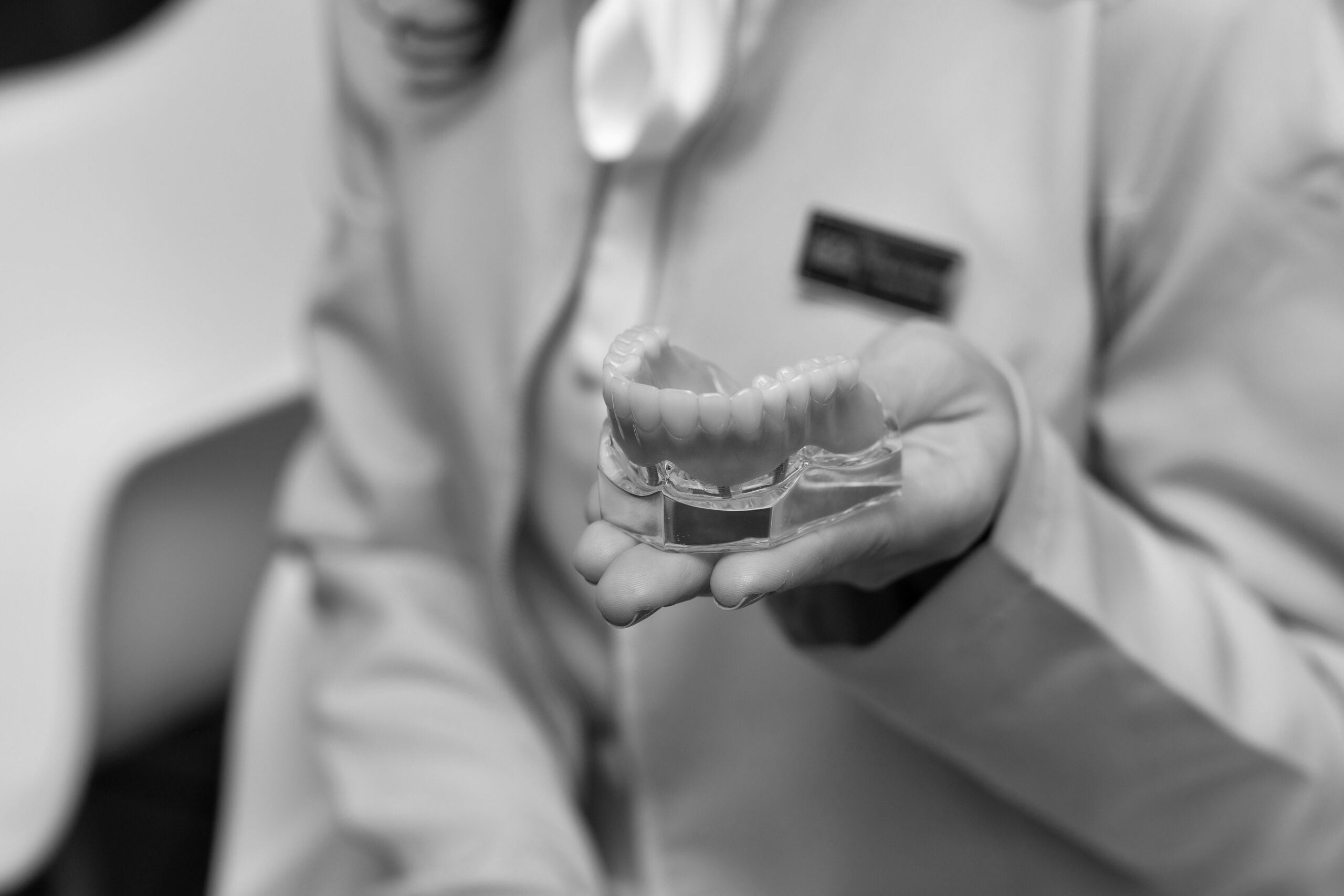
Tissue-level implants are dental implants designed so the narrow collar crosses the gum and the connection for the crown sits above the gumline. This means the implant is placed in bone, while a smooth, polished neck stays in the soft tissue. They are typically used in a one-stage approach, so no second surgery is needed to uncover the implant. The goal is stable gums, easier cleaning, and a simpler path to the final tooth.
By design, this changes how the tissues heal around the implant. The micro-gap where parts meet is moved away from the bone crest, which may help limit early bone remodeling in some cases. The polished collar is kinder to soft tissue and can reduce plaque retention compared with rougher surfaces. Choosing the correct collar height matters, since it should match the thickness of your gums to avoid a visible metal collar or excess tissue pressure.
These implants often work well for back teeth where looks are less critical and gum tissue is thicker. Picture a fractured molar replaced with a single implant in healthy bone. Tissue-level designs can simplify the process because the healing part is built in, and impressions for the crown are straightforward. In areas with very thin gums, or where the front-tooth esthetics demand precise emergence shaping, a different design can offer more flexibility. The dentist still controls position, angle, and bite forces, which are the biggest drivers of long-term success.
- One-stage surgery, since the collar already passes through the gums.
- Connection sits above bone, which may support crestal bone stability.
- Polished collar aims for healthy, easy-to-clean soft tissues.
- Less flexibility to sculpt the emergence in highly esthetic zones.
- Collar height selection is critical for comfort and appearance.
Understanding tissue-level implants sets the stage for comparing features, risks, and uses with other designs. Next, we will look at bone-level implants to complete the tissue level vs bone level implants picture. The right choice depends on anatomy, esthetics, and treatment goals.
Understanding Bone-Level Implants
Bone-level implants are placed so the top of the implant sits at, or slightly below, the crest of the jawbone. The crown or bridge connects to an abutment at this level, and the abutment then passes through the gums. This design gives the dentist more control over how the tooth emerges from the gum, which can be helpful where appearance matters.
Think of a front tooth replaced where gum shape needs to look natural. Because the implant–abutment junction is near the bone, the body forms a soft tissue seal around the abutment, and a small amount of early bone remodeling can occur as the tissues mature. Careful planning of depth, platform size, and abutment contour helps protect the bone and support the gums. This approach also allows for custom healing parts and precise shaping, so the final crown blends with neighboring teeth.
Clinically, bone-level implants can be placed in one or two stages, depending on the case. They work well for single teeth and for connected restorations. When several teeth are missing, the same platform can support multi-unit frameworks with controlled bite forces. In full-arch situations, coordinated abutments make it easier to align prosthetic components across the jaw, which is important for comfort and cleaning. For extensive reconstruction, see how full arch implants restore function with a fixed bridge on multiple implants.
From a patient view, this design can improve esthetics in thin gums and offers flexibility if the gumline is uneven. Home care remains simple, but it is vital to clean where the abutment meets the gum. Regular professional checks help keep tissues healthy and the bite balanced. When planning connected teeth, your dentist may use abutments to link crowns into a stable unit; read more about implant-supported crowns and bridges. Next, we will compare tissue level vs bone level implants so you can see which features best match your goals. Good planning and maintenance drive long-term success.
Key Differences Between Implant Types
Tissue-level and bone-level implants differ in where parts meet, how gums seal, and how the final tooth is shaped. Tissue-level designs place a polished collar through the gums with the junction above the bone, while bone-level designs place that junction at the bone crest and add an abutment through the tissue. These choices influence esthetics, cleaning access, and how the case is planned start to finish.
Picture a front tooth with a thin gumline versus a thick-tissue molar. Bone-level implants give precise control of depth and emergence contour, which helps when the smile line is high or the gum scallop must be matched. The connection sits near the bone, so small early remodeling can occur as tissues mature, and abutment selection helps manage that response. Tissue-level implants move the junction away from the bone crest, place a smooth collar in the gums, and aim for a predictable soft-tissue seal with fewer components exposed to plaque.
Workflow differs as well. Tissue-level implants often simplify impressions and reduce part changes because the transgingival collar is built in, which keeps the working area shallower and easy to see. Bone-level implants offer flexibility with custom healing parts and provisional contours that shape the gum; this can be critical for symmetry next to natural teeth. In both designs, success still depends on accurate implant position, a stable bite, and home care at the gum interface.
Maintenance and risk profiles reflect these designs. With bone-level implants, margins and screws can sit deeper, so professional cleaning must reach farther under the gum. Tissue-level collars keep the transition higher, which can aid daily hygiene, though collar height must suit the tissue to avoid irritation. Neither design is automatically stronger or “more esthetic,” since outcomes depend on tissue thickness, bone volume, smile display, and whether single teeth or multi-unit bridges are planned. This is the core of the tissue level vs bone level implants discussion.
For patients, the better choice is the one that matches the site, the smile goals, and the maintenance you can keep. Good design should match tissue and esthetic demands.
Prosthetic Considerations for Implants
Prosthetic considerations focus on how the final tooth or bridge connects to the implant, how margins are cleaned, and how the bite is supported. Picture a front tooth with little space and a high smile line. Tissue-level designs often keep restoration edges closer to the gum surface, while bone-level designs allow deeper, custom shaping where esthetics demand precision. These choices guide whether a crown is screw-retained or cemented, and how easily your hygienist can maintain it.
Tissue-level implants place a smooth collar through the gum, so finishing lines can sit shallow and cement cleanup is usually straightforward. This helps keep the margin visible and accessible, which can reduce residual cement risk. Bone-level implants use separate abutments, so the dentist can sculpt the emergence profile and choose screw-retained crowns that avoid cement. That flexibility is helpful in thin tissue or when the smile line is high. It also allows angulation correction, so the screw access can exit in a favorable spot on the biting surface.
Bite forces and available space matter. When vertical room is limited, a bone-level implant with a low-profile abutment may preserve space for strong porcelain without making the crown too bulky. In sites with thicker gums, a tissue-level collar can create a stable, cleanable junction that is easy to service over time. For multiple teeth, bone-level platforms often simplify connecting units into a passive, rigid framework, important for long-span bridges and full-arch cases. When a removable option is planned, locator-style abutments on bone-level implants can support implant-retained snap-in dentures with serviceable wear parts.
Day to day, patients care about looks, comfort, and cleaning. Tissue-level crowns tend to have shallower margins that are easier to reach, while bone-level solutions can deliver refined gum contours in the smile zone. Discuss which approach best fits your site, your cleaning habits, and the restoration type you want. These prosthetic details are a key part of the tissue level vs bone level implants decision. The right prosthetic plan supports long-term health and appearance.
Maintenance for Tissue-Level Implants
Maintenance for tissue-level implants centers on keeping the polished collar and gum junction clean, plus regular professional checks. At home, brush twice daily with a soft brush and clean between teeth with floss or interdental brushes. At a six-month visit, your hygienist can easily see and reach the implant collar. Water flossers can help rinse the area where plaque collects. In the office, your hygienist sets visit frequency to your risk, often every three to six months.
Because the collar crosses the gums and the connection sits above the bone, cleaning access is usually simpler than deeper margins. The smooth collar holds less plaque and is visible, so debris is easier to find and remove. Cemented crowns on tissue-level bases often have shallower margins, which can reduce leftover cement after delivery. Even with these advantages, the key target remains the gumline where the crown meets the implant.
Professional maintenance focuses on early detection and gentle biofilm control. Your team will check for bleeding, pocket depth changes, and bite forces that can overload the implant. Polishing with low-abrasive powders and using nonmetal instruments protects the titanium surface while removing deposits. Periodic radiographs help confirm stable bone levels around the implant. Clinical studies report high survival and healthy tissues for tissue-level implants when patients follow supportive care programs [1]. In grafted ridges, a retrospective comparison found similar success for tissue-level and bone-level designs, underscoring the value of good maintenance regardless of the platform [2].
If soreness, redness, or bleeding appears around the collar, contact your dentist, since early care is simpler than late repair. Consistent home care, risk-based recall, and a well-sealed crown–abutment interface work together to keep tissues healthy. This context helps when comparing tissue level vs bone level implants and planning a routine you can keep. Small daily habits make the biggest difference.
Maintenance for Bone-Level Implants
Maintenance for bone-level implants focuses on cleaning where the abutment meets the gum and on regular professional monitoring. At home, brush twice daily with a soft brush and clean between teeth with floss or interdental brushes; a water flosser can help rinse under crown edges. In the office, your team will gently probe the gums, assess your bite, and take radiographs as needed to confirm stable bone. Visit frequency is tailored to your risk, often every three to six months.
Picture a front implant crown with a margin a few millimeters under the gum. Because bone-level implants place the connection at the bone crest, margins and screws can sit deeper than on natural teeth. This makes home care more technique-sensitive, so use threader floss, superfloss, or small conical brushes to reach narrow spaces. Work from both cheek and tongue sides, then trace the gumline slowly where plaque collects. If a crown is cemented, excess cement can inflame tissues, so screw-retained options are often preferred when feasible. Whatever the design, clean the abutment collar and gumline every day.
Professional maintenance targets biofilm control without scratching titanium. Your hygienist may use nonmetal scalers and low-abrasive powders, then verify tissue health with bleeding and pocket measurements. Patients with a history of periodontitis face a higher chance of peri-implant bone loss, so risk assessment is part of each visit [3]. Supportive periodontal therapy and personalized recalls are associated with better implant survival in periodontitis patients [4]. Occlusion is checked because heavy or off-axis forces can irritate tissues or loosen screws. If inflammation persists, the team may remove the crown to clear residual cement or adjust contours.
These habits keep bone-level implants healthy and comfortable over time. They also clarify real-life upkeep in the tissue level vs bone level implants conversation. If you need to plan a maintenance visit, see our current hours. Small, steady routines prevent bigger problems.
Advantages of Tissue-Level Implants
Tissue-level implants make treatment simpler and home care easier. The smooth collar crosses the gum, so the transition you clean each day is visible and reachable. The connection for the crown sits above the bone, which keeps routine part changes away from the bone area. Many patients also appreciate that these implants are usually placed in a single stage without a second uncovering procedure.
These design choices support stable gums and straightforward maintenance. With a polished, plaque-resistant surface in the gum, it is easier to keep the area clean and comfortable. Because the crown edge can often be kept shallow, cement cleanup is simpler, which helps avoid gum irritation from leftover cement. In the chair, impressions and try-ins are efficient since the built-in collar guides the tissue and reduces the need for custom healing parts.
Fewer component changes during healing mean the soft tissue seal is disturbed less often, which can help keep the area calm as it matures. Moving the working connection away from the top of the bone may also reduce mechanical and bacterial stress on that zone. Day to day, patients benefit from a clear target for brushing and interdental cleaning, much like a natural tooth with a well-placed margin.
Picture a cracked back molar replaced in thick, healthy gums. Tissue-level designs fit these sites well because looks are less demanding and cleaning access matters most. They also suit many single-tooth cases where a stable emergence and a shallow margin make home care simple. In very thin tissue or high-smile areas where precise shaping is critical, another design may offer more flexibility; the plan should match the site and the smile.
These strengths help explain why tissue-level implants remain a reliable option in the broader tissue level vs bone level implants discussion. If you value fewer steps, clear cleaning access, and predictable gum health, the advantages are meaningful. Choose the design that best fits your tissue and esthetic goals.
Advantages of Bone-Level Implants
Bone-level implants give the dentist fine control over how the new tooth emerges from the gum, which is key for natural-looking results. They are placed at, or slightly below, the top of the jawbone, then shaped with abutments to guide the gum. This design works well in visible areas and in complex cases with uneven gumlines.
Imagine replacing a front tooth that shows in every smile. With bone-level implants, the dentist can use custom healing parts and temporary crowns to mold the gum contour as it heals. This helps match the papillae and scallop of neighboring teeth, improving symmetry and shade transitions. In thin or delicate tissue, careful depth and abutment choice support a stable soft-tissue seal while keeping the crown contour slim and cleanable.
These implants also offer strong prosthetic flexibility. Abutments can correct angulation so the screw access comes out on the biting surface, which helps avoid excess cement under the gum. When cement is not ideal, a screw-retained crown is often possible, simplifying future service. In limited vertical space, a low-profile abutment preserves room for durable porcelain without making the tooth bulky. For multiple missing teeth, matching platforms allow precise alignment of parts across a bridge or full-arch framework, which improves fit and bite balance.
From a functional view, this versatility helps manage forces and protect the bone around the neck of the implant. Dentists can choose wider or narrower platforms, adjust depth, and fine-tune contours so the bite loads smoothly. That planning supports stable bone levels and comfortable chewing over time. Patients benefit from improved esthetics, adaptable options for single teeth or spans, and serviceability if a part ever needs to be tightened or replaced.
When weighing tissue level vs bone level implants, these advantages matter most in the smile zone, in thin gums, or when several teeth must be linked. Ask which design best fits your site, your smile goals, and how you prefer to maintain your implant. Thoughtful planning makes the difference.
Challenges with Tissue and Bone Implants
Both implant types work well, yet each brings its own challenges. Tissue-level implants can be tricky in thin or high-smile gums, where the collar might show or limit shaping. Bone-level implants place parts deeper, which can make cleaning and cement removal harder. Accurate placement, healthy tissues, and steady maintenance are vital for either design.
With tissue-level implants, matching the collar height to your gum thickness is critical. If the collar is too short, the edge can press the tissue; if too tall, metal might show. The smooth neck is kind to gums, but it gives less freedom to sculpt delicate front-tooth contours. Inter-implant spacing also matters, since collars that sit too close can crowd soft tissue and flatten the papillae. Picture a back molar site with medium-thick gums that heals well, yet looks too cylindrical in a high smile because the collar set the emergence early.
Bone-level implants bring different concerns. Depth control is precise, since the implant–abutment junction sits at the bone crest. Placed too shallow, metal may shine through thin tissue; too deep, and margins or screws become difficult to clean. Early bone remodeling can occur as the tissues mature, so platform choice and abutment contour must protect the crest. If a crown is cemented, any leftover cement under the gum can inflame tissue. Screw-retained options can reduce that risk but require angulation and access planning. More component changes during shaping can disturb the seal, so teams work gently and plan each step.
Across both designs, bite forces, grinding, and smoking raise the risk of tissue problems. Limited space, thin biotype, and grafted sites demand careful planning, sometimes with staged treatment. For patients, the main challenge is daily cleaning at the gumline where the tooth meets the implant. For clinicians, the challenge is placing the implant at the right depth and angle, then choosing parts that support easy hygiene and stable bone. Understanding these trade-offs frames the tissue level vs bone level implants decision and sets expectations for care over time. Thoughtful planning and steady maintenance reduce most challenges.
Patient Selection Criteria
Patient selection starts with matching implant design to the site, the smile, and your ability to maintain it. Tissue-level implants often suit thicker gums and back teeth where looks matter less and cleaning access is key. Bone-level implants often fit thin or high-smile areas where the gum shape must be sculpted. The best choice is the one that supports healthy tissue, clean margins, and a strong bite for your specific case.
Picture a front tooth lost in a bike fall. In thin, scalloped gums or a high smile, bone-level implants give depth control and abutment shaping to build natural papillae and a slim emergence. In strong, thick tissue around a molar, tissue-level implants place a smooth collar at the gum and keep working parts shallow, which can simplify daily cleaning. These starting points guide discussion, then individual anatomy refines the plan.
Bone volume and position matter next. If bone is limited or the crest is uneven, bone-level placement allows precise depth and angle control, and custom abutments to align the crown. If the ridge is wide and healthy with adequate keratinized tissue, a tissue-level collar can provide a stable, cleanable junction. Bite forces, grinding, and available space also influence the decision; heavy forces and low vertical room may favor components that keep contours compact and screw access well positioned.
Personal risk and maintenance habits round out the criteria. A history of gum disease, smoking, or poorly controlled diabetes raises the need for shallow, cleanable margins and careful recall intervals. If home care is challenging, visible transitions are helpful, and screw-retained crowns reduce the chance of hidden cement. Patients who can use threader floss, interdental brushes, and water flossers reliably may do well with deeper margins when esthetics require it. Your comfort with follow-up visits and hygiene tools helps decide which path is safest and most sustainable.
In short, selection blends tissue type, bone anatomy, esthetic needs, bite forces, and hygiene skills. When we compare tissue level vs bone level implants, the “right” answer is the one that you can clean, that fits your smile, and that protects the bone over time. Thoughtful planning leads to predictable results.
Implant Longevity and Success Rates
Both tissue-level and bone-level implants can last many years with high success when they are well planned and well maintained. Long-term outcomes are similar in many everyday situations, so the site, the bite, and your hygiene matter more than the platform alone. In short, success depends on biology, mechanics, and follow-up care working together.
Why do some implants last longer? Stability starts with solid bone, gentle surgical technique, and a clean, precise fit between parts. Tissue-level designs place the junction above the bone, which can limit early bone remodeling in some cases. Bone-level designs place it at the crest, which allows custom shaping of the gums but asks for careful depth control and contouring. When these details match the tissue thickness and bite forces, the bone and soft tissue stay calm over time.
Real world example: a back molar in thick, healthy gums often favors simple, shallow margins. In front-tooth sites, shaping the gum can improve esthetics without hurting longevity when hygiene is excellent. Across both designs, success rises when occlusal forces are balanced, nightly grinding is managed, and smoking or unmanaged diabetes are addressed. Screw-retained crowns can also reduce the chance of hidden cement, which helps protect the tissues over the long term. Good radiographic monitoring confirms that the crest of bone stays stable year to year.
Maintenance habits translate directly into years of service. Daily plaque control at the gumline keeps the soft-tissue seal healthy. Professional visits catch small changes early, adjust the bite, and clean around margins that are hard to reach at home. If your history includes periodontal disease, your team may suggest shorter recall intervals. When comparing tissue level vs bone level implants, the platform should support margins you can clean, a bite that feels even, and parts that your dentist can service without disturbing the tissues.
Well-matched design, careful placement, and steady maintenance are what drive implant longevity. The right plan prioritizes tissue health and simple, repeatable care you can keep. Thoughtful choices now pay off for many years.
Frequently Asked Questions
Here are quick answers to common questions people have about Tissue-Level vs. Bone-Level Implants in Glendale, AZ.
- How do tissue-level implants differ from bone-level implants?
Tissue-level implants have a smooth collar that passes through the gums and positions the connection for the crown above the bone. This design simplifies cleaning and can help maintain stable gums. On the other hand, bone-level implants have their connection at the bone crest, which allows more control over how the tooth emerges from the gum. This can enhance esthetics, especially in thin gum areas, but may require more precise hygiene due to deeper placement.
- Which type of implant might be more comfortable?
Comfort often depends on implant placement and tissue type. Tissue-level implants might be more comfortable for individuals with thicker gums as they require only one surgical stage and have easier cleaning access. Bone-level implants can offer a more natural look for those with thin gums, but may require greater attention to detail with home care to prevent discomfort.
- Are bone-level implants more esthetically pleasing?
Bone-level implants can offer superior esthetics, especially in cases where the gum shape and tooth emergence are critical, such as front teeth. The ability to use custom abutments and shape the gum can result in a more natural-looking outcome. However, the individual anatomy and the clinician’s skill in placing the implant also play crucial roles in achieving the desired esthetic result [ref:35727242].
- What are the cost differences between tissue-level and bone-level implants?
Costs can vary depending on several factors including geographical location, professional fees, and specific treatment plans. Generally, bone-level implants might be slightly more costly due to the need for additional abutments and potentially more complex surgical procedures, especially for shaping and esthetic customization. Patients should discuss detailed estimates with their dental professional to understand the full scope of financial commitment.
- Is there a difference in pain levels after getting tissue-level vs bone-level implants?
Pain experienced after dental implant procedures can vary by individual. Both tissue-level and bone-level implants can cause similar postoperative discomfort, which is typically manageable with prescribed pain medications. Factors like individual pain tolerance, the complexity of the surgery, and proper postoperative care all contribute to the healing experience [ref:35830320].
- How do implant levels affect long-term success rates?
Both types of implants can have high success rates when placed and maintained correctly. Long-term success hinges on factors like the consistency of oral hygiene, stability of bone and soft tissues, and regular dental checkups. Both tissue-level and bone-level implants have shown good survival rates, but patient-specific characteristics such as gum thickness and bite forces must be considered for the best results over time [ref:35353086].
References
- [1] A Prospective Clinical Assessment of BioHorizons Tissue-Level Implants. (2023) — PubMed:36661885 / DOI: 10.11607/prd.6065
- [2] Comparison of the success rate of bone level and tissue level implants placed in autogenous onlay bone block grafted ridges: a retrospective study. (2025) — PubMed:41174602 / DOI: 10.1186/s12903-025-07132-6
- [3] Prevalence of Peri-Implant Bone Loss in Patients with a History of Periodontal Disease: A Retrospective Study. (2025) — PubMed:41567314 / DOI: 10.4317/jced.63435
- [4] Supportive Periodontal Therapy Improves Implant Survival in Patients With a History of Periodontitis: A Retrospective Multicenter Cohort Study of 3555 Implants. (2026) — PubMed:41691501 / DOI: 10.1111/clr.70103