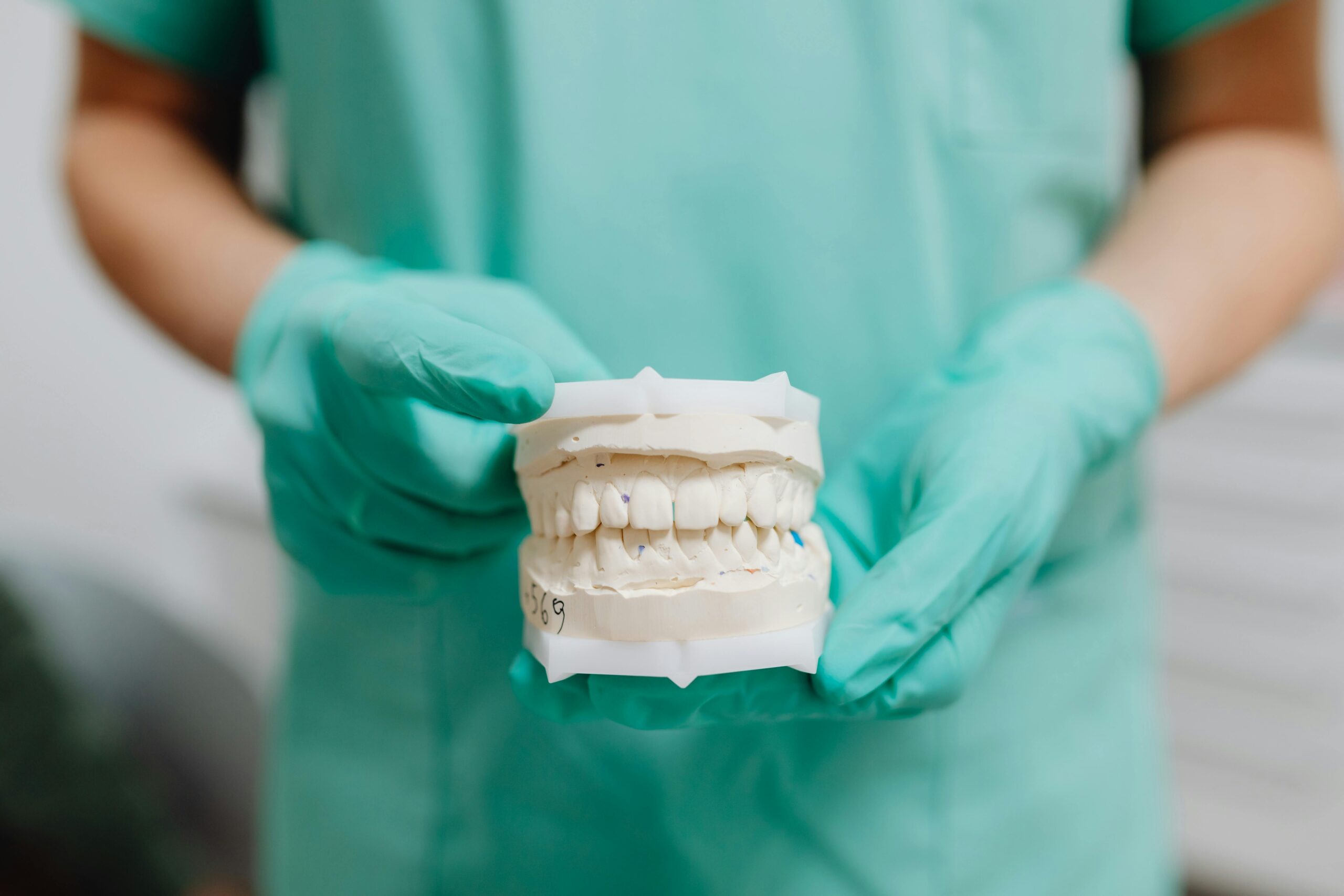

Understanding Screw-Retained Crowns
Screw-retained crowns are implant teeth that attach with a small screw instead of cement. The screw passes through a tiny access hole in the crown and connects to the implant or abutment below. At a checkup, the dentist can remove a small filling in that hole to reach the screw. This makes the crown easy to take off for cleaning or repair, which helps when comparing screw retained vs cemented crowns.
These crowns stay in place because the tightened screw creates preload, a clamping force that holds parts together. Over time, chewing can reduce this force, so periodic checks help ensure the screw remains secure. Screw-retained stability depends on the preload created when the screw is torqued; factors like screw design and the crown-to-implant ratio affect how well that preload is maintained during function [1]. If minor loosening occurs, the crown can usually be re-tightened without removing it permanently.
Access comes through the chewing surface or the back of the tooth, and the hole is sealed with a tooth-colored filling. In front teeth, access location and implant angle matter because they affect appearance. Angulated screw-channel abutments can redirect access to a better spot, though cyclic loading may reduce reverse torque values, so technique and follow-up matter [2]. Your dentist also checks bite forces, the screw channel seal, and the health of the gums around the implant at recall visits.
- When easy, predictable retrieval is important.
- When cement cleanup would be difficult or risky.
- When vertical space is limited above the implant.
- For long-span bridges where maintenance is expected.
- When hygiene access under the crown is a priority.
Understanding how screw-retained crowns work helps you know what to expect for care and maintenance. For related restorative options, see our overview of custom crowns and bridges. This foundation will make the next comparison easier to follow.
Understanding Cemented Crowns
Cemented implant crowns are attached to a small connector, called an abutment, using dental cement. There is no screw access hole on the biting surface, so the crown looks smooth. This approach is also used for natural teeth that are prepared for a crown. In short, cement holds the crown in place while the abutment or tooth provides shape and support.
Picture a front tooth implant where a smooth, flawless look matters. With a cemented crown, your dentist tries in the crown, adjusts the bite and contacts, then cements it onto the abutment. Retention comes from the cement layer and the shape of the abutment, including its taper and height. Margins may be placed slightly under the gum for esthetics, which can hide the edge. For natural teeth that have had endodontic treatment, cemented crowns are common because they seal and protect the tooth.
Because the crown is sealed, daily cleaning feels like brushing a natural tooth. Your dentist will show you how to clean the gumline gently, especially if margins sit near the tissue. The main trade-off is retrievability. If a repair or abutment check is needed, the crown often must be sectioned and removed in pieces, then remade. Careful cement cleanup at placement reduces the chance of trapped cement irritating the gums. Regular checks help confirm the tissues are healthy and the bite remains balanced.
Clinically, cemented crowns can be a strong choice when esthetics are critical, implant angles are not ideal for a screw channel, or when you want a fully intact chewing surface. Compared with screw-retained restorations, they hide hardware and can simplify appearance-driven cases, but they are harder to remove if future access is needed. Understanding these pros and cons helps when thinking about screw retained vs cemented crowns. A brief conversation about your goals, gum health, and bite will guide the better option for your situation.
Benefits of Screw-Retained Crowns
Screw-retained crowns shine when future access and easy service matter. If a screw loosens on vacation, your dentist can usually retorque it without cutting off the crown. There is no dental cement under the gums, which helps avoid cement trapping. This design makes maintenance more predictable over the life of the implant.
Because the crown attaches with a screw, parts can be checked, cleaned, or repaired through the small access opening. If a component wears or a porcelain chip needs attention, the restoration can be removed and addressed, then resecured. Biting contacts can be adjusted without affecting the way the crown stays in place. This approach also helps protect tissues, since there is no extra cement to clean from deep margins.
Clinically, direct access supports long-span and full-arch solutions that may need periodic service. For example, many multi-implant bridges are designed to be retrievable so hygiene and screw checks remain straightforward over time. You will also see a benefit with angled implants, since modern angled channels can bring the access to a better spot while keeping the crown serviceable. For full-arch care, learn how retrievability supports maintenance in All-On-4 implant dentures.
From a mechanical view, screw-retained crowns allow measured torque at placement and follow-up. Lab studies show that removal torque can change with chewing cycles and restoration design, which supports periodic checks and direct access for retightening when needed [3]. This measurable approach can reduce surprises and helps the team act early if forces shift.
For patients, the day-to-day feel is simple brushing and flossing, and visits stay focused on prevention rather than irreversible crown removal. These advantages often stand out when people compare screw retained vs cemented crowns. In short, screw retention favors clean maintenance and planned service over time.
Benefits of Cemented Crowns
Cemented crowns offer a smooth, natural look because there is no screw access hole on the biting surface. They allow precise control of contacts and bite at the try-in, then a clean, sealed result after cementation. For many front-tooth cases, this helps the restoration blend with nearby teeth. Retention is strong when the abutment or tooth is shaped correctly.
Imagine a front tooth where every detail shows in photos. With a cemented crown, your dentist can fine-tune the fit and shade, then place the margin where it best hides the transition. The abutment’s height and gentle taper create surface area for the cement to grip, which supports stable retention. Because there is no access opening, the biting surface anatomy stays intact, which can help with natural chewing feel. These features favor esthetic zones and cases where a screw channel would exit in a visible spot.
Beyond appearance, cemented crowns simplify daily care. You brush and floss around a continuous surface, similar to a natural tooth, which many patients find familiar. On natural teeth, cemented crowns also protect weakened structure after treatment by sealing the preparation. On implants, they are useful when implant angulation would force a screw opening toward the lip side or when you want uninterrupted porcelain for shade control. Clear home care, gentle cleaning at the gumline, and regular checks help keep tissues healthy.
Clinically, the workflow is predictable. The crown is tried in, contacts and bite are adjusted, and the final cementation locks in the fit that was verified chairside. When margins are placed thoughtfully, the edge is hidden yet still accessible for careful cleanup. This balance supports esthetics without sacrificing maintenance. Your dentist will consider gum thickness, smile line, and access for cleaning before choosing cement type and margin position.
If you are comparing screw retained vs cemented crowns, think about visibility of any access opening, how the bite should feel, and how the edge of the crown meets your gum. A short in-person exam can align these details with your goals and tissue health. For visiting times, see our current hours. The best choice fits your smile, function, and long-term care.
Potential Drawbacks of Screw Retained Crowns
Screw-retained crowns have a few trade-offs to consider. The small access hole, even when sealed with a tooth-colored filling, can affect the look of front teeth. That filling can wear, chip, or stain over time and may need replacement. Screws can also loosen and require a quick retorque at a checkup.
During a routine check, a small filling in the access hole chipped. Mechanically, these restorations depend on screw preload. Chewing can reduce that preload, leading to micro-movement and, if not addressed, possible screw loosening. If a loose screw is left uncorrected, it can increase wear on parts and, in rare cases, risk screw fracture. Angled screw channels can improve access, but planning must preserve ceramic thickness around the opening to avoid weak spots.
Esthetically, the access location matters. On a front tooth, an access that exits toward the lip can be distracting, so some implant angles limit ideal screw-retained use. Even when the access is on the tongue side, the porcelain around the hole is interrupted and can be more prone to minor chipping if biting forces are heavy. The composite or ceramic used to seal the access may abrade faster than the crown material, which can slightly alter the bite and need smoothing or replacement. Careful occlusal design and follow-up reduce these risks.
Clinically, screw-retained crowns are technique sensitive. The screw channel must be sealed well to prevent food impaction, yet remain retrievable for maintenance. Studies also note technical issues such as screw loosening and veneering porcelain fractures in screw-retained implant crowns, which reinforces the value of periodic torque checks and bite adjustments [4]. Good planning of implant position, channel direction, and occlusal thickness helps prevent most problems.
For patients weighing screw retained vs cemented crowns, think about where an access hole would sit in your smile, the forces of your bite, and how comfortable you are with routine maintenance visits. Your dentist will map these details to your goals and anatomy, then recommend the option with the fewest compromises. Thoughtful planning makes drawbacks manageable.
Potential Drawbacks of Cemented Crowns
Cemented crowns can look very natural, but they have trade-offs. Excess cement can be hard to see and remove, especially if the crown edge sits under the gum. If a repair is needed later, the crown is often not retrievable and may need to be cut off. Some cases also face loss of cement hold, called decementation, which means the crown can come loose.
At a check, the hygienist finds a bead of cement near the gum. This can irritate the tissue because cement remnants act like debris that the body tries to fight. Deep margins make cleanup difficult, and many cements do not show on X‑rays. If small remnants are left behind, gums may stay tender until they are located and removed. Good lighting, flossing techniques, and thoughtful margin position help lower this risk.
Retrievability is another concern. If the bite changes, a screw inside the abutment needs inspection, or a chip needs repair, a cemented crown often must be sectioned and replaced. That adds time and cost compared with unthreading a screw-retained crown. Retention also depends on abutment height and taper. Short or over‑tapered abutments provide less grip, which can raise the chance of decementation. Clinical studies document prosthodontic complications in cement-retained implant crowns, so regular follow-up is important [4].
Daily care is familiar, but cleaning the gumline is critical. When margins sit slightly below the gum for esthetics, plaque can collect at that hidden edge. On natural teeth, this may raise the chance of decay if the seal is not ideal. On implants, it can make tissue care more demanding. Your dentist balances appearance with access for cleaning so maintenance stays manageable over time.
When comparing screw retained vs cemented crowns, think about how easily a future repair should happen, where the crown edge will sit, and how your gums respond to tight spaces. If you value a flawless biting surface and hidden margins, cementation may fit, but plan for careful cleanup and routine checks. A short exam can match these details to your smile and bite. Thoughtful planning reduces most drawbacks.
Comparative Analysis for Peri-Implant Health
Both screw-retained and cemented implant crowns can support healthy gums if they are planned and maintained well. The biggest difference for tissue health is where irritants might collect. Screw-retained crowns avoid dental cement under the gums, while cemented crowns require careful cleanup to prevent trapped cement. With either approach, regular checks and good home care keep tissues stable.
At a follow-up, the gum around an implant looks red and tender. One common cause is plaque or debris left where the crown meets the gum. With cemented crowns, excess cement can hide below the tissue and act like a splinter the body tries to remove. With screw-retained crowns, there is no cement line, so attention shifts to contour, bite forces, and a well-sealed access channel. In both types, a smooth emergence shape and polish help the gum attach and cleanse better.
Tissue-friendly design starts before placement. Margin depth and access for instruments matter. If a cemented margin sits deep, the team must use methods that limit overflow and allow complete cleanup. If a screw channel is used, its position should preserve ceramic thickness and allow a tight, clean seal. Occlusion also affects the gums. Heavy or uneven bite forces can inflame tissues by overloading parts and trapping plaque in microgaps that are hard to brush.
Maintenance steps differ slightly. Screw-retained crowns allow quick removal for thorough cleaning or part inspection without cutting the crown. This can make managing inflammation faster if it appears. Cemented crowns feel like natural teeth to clean day to day, but when tissue stays inflamed, locating and removing hidden cement may be necessary. For both, consistent brushing, flossing or interdental cleaning, and professional assessments prevent small issues from growing.
When people compare screw retained vs cemented crowns for peri-implant health, the safest choice is the one that allows clean contours, complete placement cleanup, and easy follow-up. Your dentist will map implant angle, gum thickness, smile line, and hygiene access to the option that protects your tissues over time. Healthy gums come from thoughtful planning plus steady maintenance.
Retrievability: Screw Retained vs Cemented
Retrievability means how easily a dentist can remove and replace a crown without damage. Screw-retained implant crowns are designed to be retrievable through a small access opening. Cemented crowns usually are not designed for removal, so accessing parts underneath often requires cutting the crown off. This difference matters when repairs, hygiene access, or part inspections are needed.
During a checkup, a small screw loosens and the crown needs quick access. With screw retention, the dentist reopens the access filling, reaches the screw, and removes or retightens the crown as needed. The process is measured, since torque can be reapplied to a target value. Cemented crowns are held by a thin cement layer, so there is no direct path to the screw; retrieval commonly means sectioning the crown to reach the abutment. Reviews consistently note that screw-retained prostheses are easier to retrieve, while cemented restorations often require destructive removal when access is needed [5].
Planning affects retrievability before the crown is ever made. If long-term maintenance or part checks are likely, teams favor screw retention so the restoration can come off in one piece. When esthetics or implant angle make a screw channel unfavorable, cementation can be chosen with careful margin placement and cement cleanup, accepting that future retrieval will be harder. Consensus guidance supports using screw retention when maintenance and retrievability are priorities, and reserving cementation for situations where esthetics or path of insertion demand it [6].
For patients, the question is simple: how easy should future service be? If you value quick access for tightening, cleaning, or repair, screw retention usually makes that process straightforward. If a seamless biting surface or a hidden margin is the top goal, cementation can work well, but plan for more involved retrieval if something changes later. Keep this in mind when comparing screw retained vs cemented crowns. Choose the path that best fits your smile and long-term care.
Factors Influencing Crown Selection
Choosing between a screw‑retained and a cemented crown depends on where the implant is, how it lines up, how the gums look and feel, and how easy future maintenance should be. Esthetics, bite forces, available space, and your hygiene access all play roles. Your dentist weighs these details to match the crown type to your goals and anatomy. In short, the best choice is the one that fits both your smile and long‑term care.
A molar implant sits deep under thick gums. In back teeth, a screw access usually hides well and allows easy service later, so screw retention often fits. In front teeth, visibility matters more. If a screw opening would land on the lip side or within a high smile line, cementation may better protect appearance. Implant angulation guides this decision, since the screw channel must exit in a clean, strong spot.
Gum thickness and margin depth also matter. Thin or delicate tissue can react to trapped cement, so screw retention avoids that risk. If a cemented crown is selected, margins should be placed where the team can see and clean excess cement completely. Smooth emergence contours help the gums stay healthy by making flossing and brushing effective. Clear access for instruments is part of that plan.
Space and mechanics steer choices too. When vertical room is limited, screws can secure a crown without needing tall abutments or thick cement space. For patients with heavy bite forces or night grinding, retrievability is valuable because parts can be checked and tightened in the future. Long‑span bridges and full‑arch work typically favor screw retention to allow periodic service. Single anterior cases with ideal implant angle and strong abutment height may favor cementation for a seamless biting surface.
Personal priorities complete the picture. If you want the simplest future access for tightening or repairs, screw retention aligns well. If a flawless surface with no access filling is the top esthetic goal, cementation can be selected with careful margin placement and cleanup. Keep these factors in mind when comparing screw retained vs cemented crowns, and expect your dentist to tailor the choice to your mouth. The right plan balances appearance, function, hygiene, and maintenance.
Long-Term Outcomes of Each Option
Both screw-retained and cemented implant crowns can perform well for many years when planned and maintained. The main differences over time are the kinds of complications that appear and how easily they are fixed. Screw-retained crowns favor quick, non-destructive service, while cemented crowns favor a seamless look but can be harder to retrieve. Your long-term result depends on fit, bite, hygiene, and follow-up.
Ten years after placement, a patient returns with food trapping and mild tenderness. With screw retention, the dentist can open the access, remove the crown intact, and clean or tighten parts, then reseat to measured torque. This makes technical issues like screw loosening or component wear more straightforward to handle. Long-term stability improves when the bite is balanced, the screw preload is protected, and home care keeps the gumline clean.
Cemented crowns often keep a natural chewing surface and stable esthetics for the long haul. Their risks are different. If excess cement remained at placement, tissues can stay irritated until it is found and removed. If a repair is needed years later, the crown may need to be cut off to reach the abutment. Proper margin position, controlled cement use, and regular checks reduce these problems and support healthy tissues over time.
Functionally, both options can maintain bone and soft tissue health when contours allow easy cleaning and the bite avoids overloads. Over the years, screw-retained crowns tend to concentrate maintenance on tighten-and-restore steps, while cemented crowns may require remakes when access is needed. Discuss where your crown edge will sit, how easy retrieval should be, and how your bite loads the implant. These details usually matter more than the label of screw retained vs cemented crowns.
For most patients, the best long-term choice is the one that keeps cleaning simple and service predictable. Thoughtful planning today prevents bigger fixes later.
Conclusion: Choosing the Right Crown Type
Both screw-retained and cemented implant crowns can work well. The right choice depends on where the implant sits, how it lines up, and what matters most to you. If easy future access and service are priorities, screw retention often fits. If a seamless biting surface and hidden margins are the top goals, cementation may be preferred.
The decision starts with implant position and esthetics. A screw channel that exits on a chewing surface is usually acceptable in back teeth, while a visible exit near the lip side can be distracting in front teeth. Cemented crowns avoid a visible access opening, but they require precise cement cleanup and a margin that is accessible for hygiene. At a routine visit, a small repair or screw check is needed; with screw retention, the crown can be removed and replaced without cutting it off.
Bite forces and space also guide the plan. Limited vertical room favors screws because they do not rely on tall abutments or thick cement layers. Patients who clench or grind may benefit from retrievability, since parts can be inspected and tightened if forces change. In thin or delicate gums, eliminating subgingival cement helps protect tissues. In thicker tissue or ideal implant angles, a cemented crown can provide a smooth, uninterrupted surface that blends with nearby teeth.
Think about maintenance as you weigh screw retained vs cemented crowns. Ask how easily a future repair should happen, where the crown edge or access would sit, and how your bite loads the implant. Your dentist will map these details to your smile line, gum health, and hygiene access, then recommend the option with the fewest compromises. A short exam and clear priorities usually reveal the best fit.
The best crown is the one that protects tissues, fits your esthetic goals, and stays serviceable over time.
Frequently Asked Questions
Here are quick answers to common questions people have about Screw-Retained or Cemented? Picking the Better Option in Glendale, AZ.
- What are the aesthetic considerations for screw-retained versus cemented crowns?
Screw-retained crowns can have a visible access hole, which might affect the appearance, especially on front teeth. Cemented crowns have no access hole, leading to a seamless look, which often benefits anterior teeth esthetics. Each method has unique advantages depending on the smile zone and the patient’s aesthetic priorities. Understanding the impact of each option helps in aligning them with your esthetic goals [ref:41947380].
- How do screw-retained and cemented crowns perform over time?
Both screw-retained and cemented crowns have a strong long-term performance if maintained correctly. Screw-retained crowns allow for easy removal and repair without damage, while cemented crowns offer a natural look but may require more complex procedures if issues arise. Periodic checks and proper care help ensure both types remain effective and get the best outcomes over time [ref:41960482].
- What makes screw-retained crowns more retrievable than cemented ones?
Screw-retained crowns can be removed by simply accessing and unthreading the screw through an access hole, making it easier to manage repairs or adjustments. Cemented crowns, lacking this feature, usually require cutting to access the underlying structure, making retrieval more challenging. The retrievability of screw-retained crowns often simplifies maintenance and repair [ref:41960482].
- Where is each type of crown ideally placed?
Screw-retained crowns are often preferred for back teeth, where the access hole can be hidden, and easy access is a priority. Cemented crowns are ideal for front teeth, where esthetic concerns matter more, due to their smooth finish and hidden base. Dentists choose based on visibility in the smile line and the specific case needs [ref:41947380].
- What are the maintenance differences between screw-retained and cemented crowns?
Maintaining screw-retained crowns involves checking and retightening screws when needed, which can be done without crown removal. Cemented crowns, once placed, require less access but if repair or cleaning is needed under the crown, removal might damage it. Routine dental check-ups help ensure both types stay in good condition [ref:41960482].
References
- [1] Effect of Abutment Screw Design and Crown/Implant Ratio on Preload Maintenance of Single-Crown Screw-Retained Implant-Supported Prostheses. (2019) — PubMed:31711081 / DOI: 10.11607/jomi.7311
- [2] Reverse Torque Value of Angulated Screw Channel Abutment before and after Cyclic Loading: An In Vitro Study. (2023) — PubMed:36976048 / DOI: 10.3390/jfb14030124
- [3] Effect of Restoration Design on the Removal Torque Loss of Implant-supported Crowns after Cyclic Loading. (2023) — PubMed:38317392 / DOI: 10.5005/jp-journals-10024-3604
- [4] Assessment of Prosthodontic Complications in Screw-Retained and Cement-Retained Crowns in Dental Implants: An Original Study. (2025) — PubMed:41522911 / DOI: 10.4103/jpbs.jpbs_1359_25
- [5] Screw retained vs. cement retained implant-supported fixed dental prosthesis. (2017) — PubMed:28000276 / DOI: 10.1111/prd.12168
- [6] Patient-centered rehabilitation of single, partial, and complete edentulism with cemented- or screw-retained fixed dental prosthesis: The First Osstem Advanced Dental Implant Research and Education Center Consensus Conference 2017. (2018) — PubMed:30369812 / DOI: 10.4103/ejd.ejd_243_18