The Role of Baby Teeth in Development
Baby teeth guide how a child chews, speaks, and how the jaws grow. They also hold space for the permanent teeth underneath. Parents often ask, are baby teeth important? Yes, they shape the path for adult teeth and support healthy habits that last.
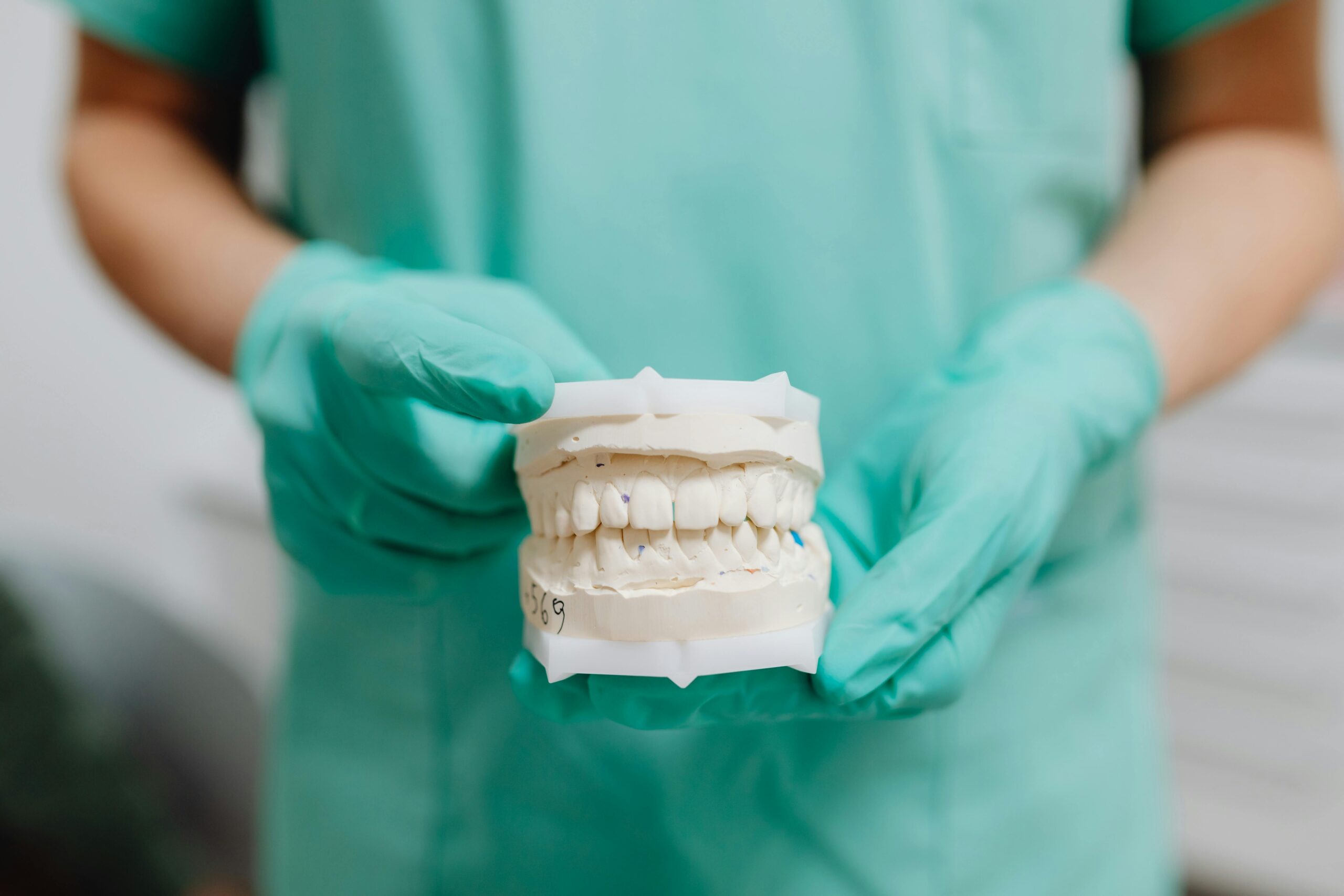
A parent wonders if a cavity in a baby molar is no big deal. Each baby tooth acts like a natural placeholder. If a tooth is lost too early, nearby teeth can drift into the gap. This reduces space for the incoming adult tooth, which can lead to crowding or a bite that does not fit well. When early loss happens, dentists sometimes recommend a small device called a space maintainer to keep the room open until the permanent tooth is ready.
Baby teeth also help children learn clear speech. Front teeth help guide the tongue and lips for certain sounds, so missing or painful teeth can make words harder to form. Chewing with stable teeth supports good nutrition, which supports growth. Healthy baby teeth keep the gums comfortable and the jawbone stimulated, which supports normal jaw development over time.
- Chewing and comfortable eating for a varied, healthy diet
- Clearer speech and proper sound formation
- Guidance and space for permanent teeth to erupt in order
- Balanced jaw growth and bite development
- Lower risk of crowding from early tooth loss
- Confidence with smiling and social interaction
Untreated decay in baby teeth can cause pain, missed school, and sleep problems. Infections can also affect nearby tissues and may disturb the developing permanent tooth. Keeping baby teeth clean with daily brushing, a balanced diet, and regular checkups helps prevent these problems. If a baby tooth is lost early or has ongoing pain, a timely dental visit can protect the developing smile. Healthy baby teeth set the stage for healthier adult teeth.
Impact on Speech and Language Skills
Baby teeth help children form clear sounds and steady airflow, which supports early speech and language. If you wonder, are baby teeth important for clear speech, the answer is yes. A child with a newly missing front tooth suddenly lisps at school. Teeth give the lips and tongue stable points to touch, so changes in the teeth can change how words sound.
Different sounds depend on specific tooth contacts. The edges of the front teeth help shape “s,” “z,” “sh,” “ch,” and “j,” where a small gap or rough edge can cause a whistle or a lisp. The upper front teeth guide the lower lip for “f” and “v.” When teeth are decayed, missing too early, or very spaced, air can escape in the wrong place. This affects clarity and may lead a child to invent workarounds that are harder to unlearn.
Natural tooth loss has a short adjustment period, and many children adapt as adult teeth arrive. Problems tend to linger when several front teeth are lost early, when bite relationships keep the tongue from a normal resting spot, or when pain makes a child avoid moving the tongue and lips in a balanced way. Less comfortable speaking can mean less practice, which can slow language confidence. When dentists and speech-language pathologists coordinate, care plans can address both tooth position and sound patterns so progress is smoother.
What should parents watch for? If a lisp or unclear “f/v” lasts beyond a few months after a tooth change, or if speech worsens with dental pain, a timely dental visit helps. Early care reduces barriers to normal sound learning, and it protects comfort during reading, singing, and class discussion. If you need scheduling details, check our current hours. Clear, comfortable teeth make clearer speech more likely.
Importance of Nutrition for Growing Kids
Good nutrition gives children the energy and building blocks they need to grow strong bodies and healthy teeth. Balanced meals help enamel form well, keep gums comfortable, and support steady jaw growth. What kids drink and snack on also shapes their cavity risk over time. If you wonder, are baby teeth important, remember they help kids enjoy a wide range of nutritious foods.
A child sips juice all afternoon and gets more cavities by spring. Cavities thrive on frequent sugar and starch exposure, not just total amount. Each time sweet foods or drinks touch the teeth, mouth bacteria make acids for about 20 to 30 minutes. Repeated grazing keeps the mouth acidic, which weakens enamel. Sticky snacks, like fruit chews or crackers, cling to grooves and sit longer. Nighttime bottles or cups with milk or juice add risk because saliva flow drops during sleep, so acids clear slowly. Choosing water between meals and saving sweets for mealtime helps the mouth recover between exposures.
Minerals matter, too. Calcium and phosphate help remineralize early weak spots, while vitamin D supports how the body uses those minerals. Protein-rich foods aid tissue repair and keep kids satisfied, which can reduce grazing. Crunchy fruits and vegetables encourage chewing and saliva flow, which helps neutralize acids. Simple routines make a difference: set regular meal and snack times, pair carbohydrates with protein or dairy, and offer plain water for thirst. If medicines are in syrup form, a quick water rinse afterward helps clear sugars from the teeth. Fluoridated tap water, where available, supports stronger enamel alongside daily brushing with a rice-sized smear of fluoride toothpaste for toddlers and a pea-sized amount for older kids.
When nutrition supports teeth, eating is more comfortable, growth is steadier, and dental visits are simpler. Thoughtful choices today protect baby teeth, and they teach habits that carry into the adult smile. Small shifts in snacks and drinks can lower cavity risk quickly.
Guiding Adult Teeth Eruption Process
Baby teeth act like signposts that guide where and when adult teeth come in. They hold place in the jaw, shape the bite, and help adult teeth erupt into a usable position. If you wonder, are baby teeth important for guiding eruption, the answer is yes. Their timing and position help the permanent smile line up in order.
A new adult tooth appears behind a baby tooth that has not fallen out. Here is how it works: the growing adult tooth presses upward, and the body slowly dissolves the baby tooth’s root. As the root shortens, the baby tooth loosens and makes room. Bone around the area also remodels, creating a small path so the adult tooth can move through the gums. Neighboring baby teeth act as side rails, keeping the space the right width and holding the midline steady.
When a baby tooth is lost too early, nearby teeth can tilt or drift into the gap. That can block the path for the adult tooth or push it to erupt out of line. Some baby molars can become ankylosed, which means they fuse to the bone and sit lower than the bite; this can trap or delay the adult successor. Crowding near the canines, or an adult molar erupting far forward, can also change the path. Regular checkups let us compare the timing side to side, watch the erupting paths on X‑rays, and decide if simple guidance is enough or if a space holder or brief orthodontic help would protect the eruption path.
Parents can watch for a few signs: a baby tooth that will not loosen while an adult tooth peeks through, a tooth lost on one side months before the same tooth on the other, or new teeth that seem twisted or too far forward. Early attention usually means gentler solutions and a smoother bite as more adult teeth arrive. Guided eruption is simpler, more comfortable, and sets the foundation for a stable adult smile.
Common Misconceptions About Baby Teeth
Several myths make parents think baby teeth do not matter. In truth, healthy baby teeth protect comfort, guide jaw growth, and make eating and speaking easier. A toddler has a high fever while a new tooth erupts. Understanding what is normal, and what needs care, helps you decide the next step.
Myth: “Cavities can wait because these teeth fall out.” Fact: decay spreads. It can cause pain, abscesses, and infection that affects nearby tissues. Some baby molars remain until ages 10 to 12, so problems can last for years. Treating a small cavity early is simpler, keeps chewing comfortable, and protects the adult tooth that is developing underneath.
Myth: “Teething causes high fever and diarrhea.” Typical teething brings sore gums, drooling, and restlessness. High fever or ongoing stomach symptoms are not usual for teething and should prompt a medical check for other causes. Misunderstandings about teething symptoms are common across many communities, which can delay proper care [1].
Myth: “Fluoride toothpaste is unsafe for young kids.” Used as directed, fluoride toothpaste helps stop early decay and is recommended in small, age-appropriate amounts. Myth: “Dental X-rays are dangerous.” Modern digital X-rays use low doses, and dentists take them only when the result will change care. This allows targeted treatment while keeping exposure as low as reasonably achievable.
Myth: “Crowns or nerve treatment on baby teeth are excessive.” When a cavity is deep, saving the tooth can protect spacing, speech, and chewing. Dentists may place a crown or perform a gentle pulp treatment to keep the tooth stable until it is naturally ready to fall out. For background on how saving an infected tooth works in adults, see this overview of root canal treatment. The goal in children is similar, but techniques are tailored for small mouths.
Knowing what is myth versus fact helps you act early and avoid bigger problems. When in doubt, ask your dentist for guidance. Small, timely steps keep kids comfortable and growing well.
Signs of Healthy Baby Teeth
Healthy baby teeth look clean, feel comfortable, and work well for eating and speaking. They appear smooth and mostly white, and the gums around them are pink and firm. You should not see swelling, bleeding, or brown spots when you check. During bedtime brushing, a quick look can tell you a lot.
Start with the enamel. Smooth, shiny surfaces that reflect light are a good sign. Avoid chalky white bands near the gumline, which can be an early sign of weakening enamel, and watch for brown or gray areas that may signal decay. Along the gumline, the tissue should be even in color without puffiness. After brushing or gentle flossing, gums should not bleed; bleeding points to irritation that needs attention.
Spacing and alignment matter for comfort now and room later. Small gaps between front baby teeth are common, and they give space for larger adult teeth to come in. Bites should close without the lower jaw shifting to one side. Your child should chew on both sides without avoiding a tooth, and you should not hear frequent complaints about cold or sweet sensitivity. Neutral breath is another quiet sign that the mouth is clean and comfortable.
Eruption and mobility offer more clues. Teeth usually appear and loosen in left-right pairs, so timing tends to match on both sides. A baby tooth that becomes slightly wiggly around the typical age is normal, and it should not cause ongoing soreness. If a tooth stays very loose for weeks with irritated gums, or if a new tooth peeks behind a baby tooth that will not loosen, a quick dental check helps keep things on track.
Daily routines also reveal health. After brushing, the foam should rinse clear, not pink, and the gum edges should look tight to the teeth. Morning plaque should be light if evenings are well cleaned. If you notice bleeding, persistent bad breath, chalky white spots, or pain with chewing, schedule a visit so small issues stay small. Watching these signs answers the question, are baby teeth important, by showing how health supports comfort and growth.
How to Care for Baby Teeth
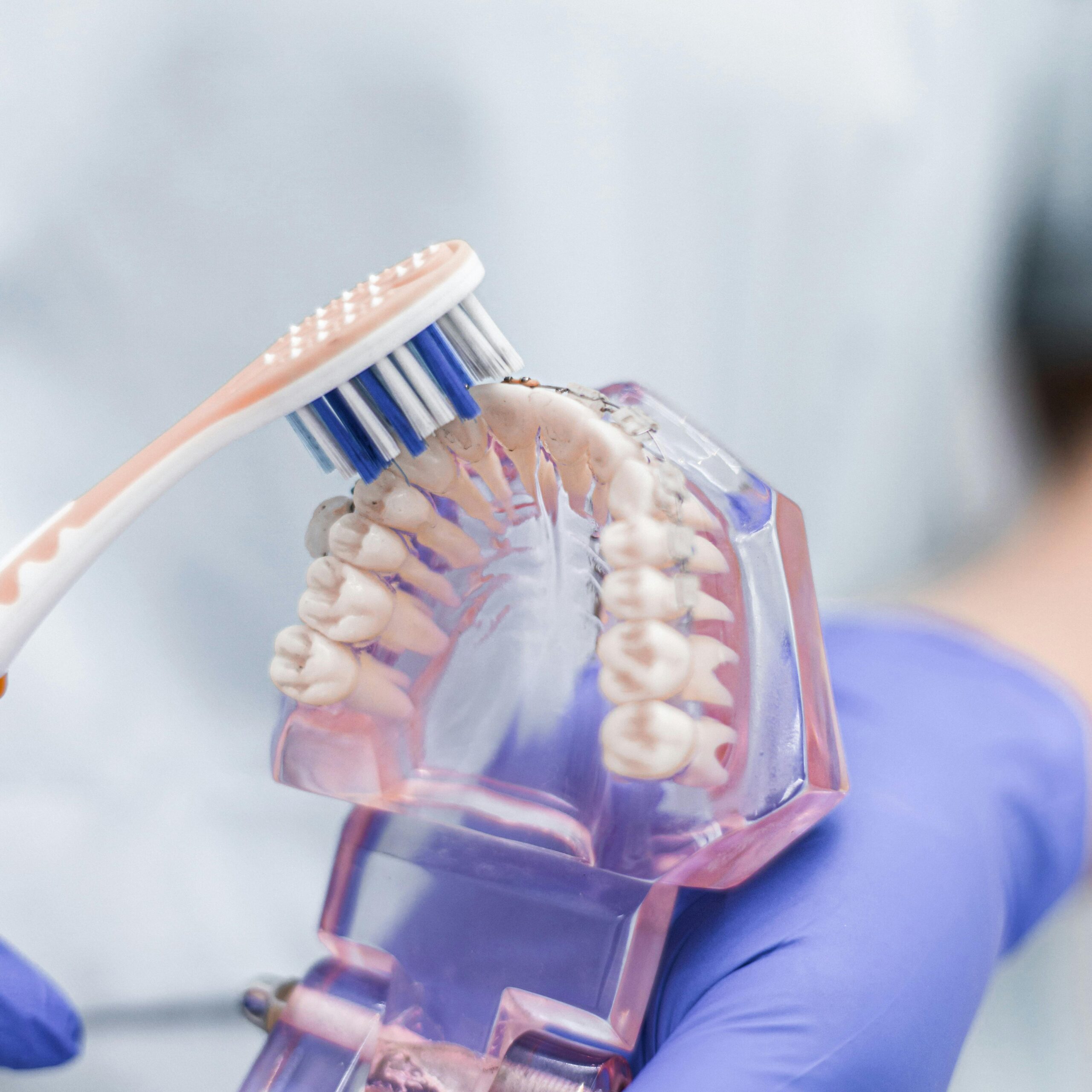
Caring for baby teeth starts early and stays simple. Wipe the gums before the first tooth, then brush twice a day with a soft, small-head brush and a tiny smear of fluoride toothpaste once a tooth appears. Begin flossing when two teeth touch. Plan the first dental visit by age one, or within six months of the first tooth.
A wiggly toddler turns away during brushing. Try a steady routine: sit knee‑to‑knee with your child, tilt the chin up, and “lift the lip” so you can see the gumline. Brush gently along the gums and the biting grooves, then help your child spit. Avoid rinsing right after brushing so fluoride can keep working. Make bedtime brushing the last thing before sleep, with only water afterward.
If you wonder, are baby teeth important, daily care shows why. Clean, comfortable teeth help kids chew, sleep, and learn to speak clearly. Replace brushes every few months, or sooner if bristles splay. Start floss picks or string floss as soon as contacts close. Offer plain water for thirst, and keep sweet drinks and snacks with meals so teeth get fewer acid attacks. If medicine is syrupy, give a quick water sip or wipe after.
Professional care adds protection. Your dentist can paint fluoride varnish on at-risk teeth and may suggest sealants for deep grooves on baby molars. If a baby tooth is knocked out, do not put it back in; call your dentist for instructions. For sports, a well-fitting mouthguard lowers injury risk. Thumb or pacifier habits are common early on; aim to stop by around age three, and ask for help if it is hard to quit.
These small steps keep smiles comfortable and make dental visits easier. Healthy routines today support clear speech, steady growth, and smoother transitions as adult teeth arrive. Consistency matters more than perfection.
When to Schedule the First Dental Visit
Plan the first dental visit around your child’s first birthday, or within six months of the first tooth coming in. This early visit focuses on prevention, comfort, and parent guidance. It helps catch small issues before they grow and builds a positive routine. A simple first check makes future visits easier.
A first tooth at six months often raises timing questions for families. Early visits let the dentist review brushing technique, fluoride use, and feeding habits that affect cavity risk. They also check how teeth and jaws are growing, and how the bite is coming together. If you wonder, are baby teeth important this early, remember that a quick look now protects function and spacing later. Small tips given early can save time and treatment down the road.
What happens at the appointment is brief and child‑friendly. Your child may sit in your lap for a knee‑to‑knee exam while the dentist looks for early white spots, irritated gums, or tight lip and cheek areas that trap plaque. A gentle cleaning may be done, and fluoride varnish is often painted on teeth that could use extra strength. You will leave with a clear plan for home care, snacks and drinks, and when to return.
Do not wait for the birthday visit if you see signs that need attention. Call sooner for white or brown spots on teeth, mouth pain, gum swelling, or a tooth injury. Nighttime bottle or sippy use with milk or juice, frequent grazing on sweets, or difficulty brushing because of fussiness are also reasons to check in. Children with special health care needs, or a strong family history of cavities, benefit from earlier and more frequent guidance. Quick attention keeps small problems small.
Starting early builds comfort, protects growth, and keeps choices simple as new teeth arrive. One calm first visit sets the tone for healthy habits.
Long-Term Impact of Baby Teeth Loss
Losing baby teeth too early can affect a child’s smile for years. Early loss changes how nearby teeth move, so the bite may shift and crowding can develop. It can also affect how adult teeth find their path, sometimes making future care longer or more complex. If you wonder, are baby teeth important, their long-term impact makes the answer clear.
A back baby molar is pulled at age 6 after a deep cavity. Without that tooth holding position, the tooth behind can drift forward and rotate. The tooth above may over-erupt into the gap, which changes chewing contacts. The midline can shift, and the lower jaw may slide to one side during closing. Over time, these changes can narrow space for canines and premolars, raising the chance of a crowded bite.
Some baby molars sink below the bite because they fuse to the bone, a condition called infraocclusion. Reviews link infraocclusion with tipping of neighboring teeth, loss of space, and delayed or ectopic eruption of the adult successor [2]. Finding this early allows planned monitoring and timely intervention to limit long-term shifting.
When a baby tooth is lost early, dentists focus on keeping room for the next tooth and guiding eruption. Timely guidance of erupting first permanent molars, even in complex cases, has been reported to improve their path and reduce complications [3]. Regular dental checks let us compare sides, watch growth on X-rays, and act before patterns set. Small steps now tend to prevent larger orthodontic problems later. Protecting space today simplifies tomorrow’s smile.
Maintaining Oral Health for Children
Maintaining oral health for children means building simple daily habits that prevent cavities and keep gums healthy. It includes thorough brushing, smart snack choices, and regular dental checkups. These steps protect comfort now and support normal growth over time.
A quick morning brush is rushed, and a parent notices pink foam in the sink. Plaque forms every day, and when sugars or starches are frequent, mouth acids soften enamel. Brushing with fluoride toothpaste removes plaque and helps minerals return to early weak spots. If you wonder, are baby teeth important, strong baby teeth make eating, speaking, and learning easier while the jaw and face develop.
Beyond home care, professional prevention adds another layer of protection. Regular visits allow risk-based guidance, early detection of soft spots, and fluoride varnish when helpful. As first permanent molars erupt around ages six to seven, sealants can cover deep grooves so food and bacteria do not collect. Dentists also watch bite development, advise on habits like thumb or pacifier use, and suggest a mouthguard for contact sports to lower injury risk.
Daily routines work best when they are consistent and calm. Aim for two thorough brushes, with the nighttime one last before sleep and only water afterward. Offer water between meals, and keep sweets with meals so teeth face fewer acid attacks. Supervise brushing until your child can clean well on their own, often around ages seven to eight. If you see bleeding gums that continue after a week of careful brushing, new spots on teeth, or any pain with chewing, schedule a visit so small problems stay small.
Healthy routines at home, paired with timely dental care, keep kids comfortable and confident. Small, steady steps prevent most problems.
Frequently Asked Questions
Here are quick answers to common questions people have about Are Baby Teeth Really Important? in Glendale, AZ.
- Why are baby teeth crucial in childhood development?
Baby teeth play an important role in a child’s development by helping them chew food properly, develop clear speech, and maintain space for adult teeth. They ensure healthy jaw growth and guide permanent teeth into their correct positions. When properly maintained, they help prevent infections that could affect underlying adult teeth. Overall, healthy baby teeth contribute to better nutrition, speech, and social interactions due to a confident and pain-free smile.
- Can losing baby teeth too early cause problems?
Yes, losing baby teeth too early can lead to various dental issues. It may cause nearby teeth to shift into the empty space, resulting in crowding or misalignment when adult teeth emerge. This can affect the bite and might require orthodontic treatments later. Protecting baby teeth helps preserve the proper spacing and alignment needed for future adult teeth.
- How do baby teeth impact a child’s nutrition?
Baby teeth are crucial for chewing a variety of foods necessary for good nutrition. Proper chewing helps children get the nutrients needed for growth and development. If teeth are missing or in poor condition, it might limit diet choices, causing nutritional deficiencies. Hence, healthy baby teeth support a balanced diet and provide the energy and nutrients children need for overall growth.
- Are baby teeth significant for speech and language skills?
Baby teeth are vital for clear speech and sound formation. They guide the lips and tongue in making specific sounds, such as “s,” “ch,” and “f.” Missing or decayed front teeth can lead to speech issues like lisps. By maintaining healthy baby teeth, children enjoy better speech clarity, which is crucial for learning and social interaction.
- What myths exist about baby teeth?
Cavities can wait: Decay spreads and can cause complications in underlying adult teeth. Teething causes high fever: High fever isn’t typical for teething; consult a doctor for persistent symptoms. Fluoride is unsafe: When used correctly, it’s safe and prevents decay. These myths can delay care, causing bigger problems later. Understanding facts ensures better dental health.
References
- [1] Misconceptions and traditional practices towards infant teething symptoms among mothers in Southwest Ethiopia. (2018) — PubMed:30241521 / DOI: 10.1186/s12903-018-0619-y
- [2] The Diagnosis and Management of Infraoccluded Deciduous Molars: A Systematic Review. (2024) — PubMed:39594950 / DOI: 10.3390/children11111375
- [3] Guidance of Erupting First Permanent Molar in Complex Clinical Scenarios: A Case Series. (2024) — PubMed:39144500 / DOI: 10.5005/jp-journals-10005-2772