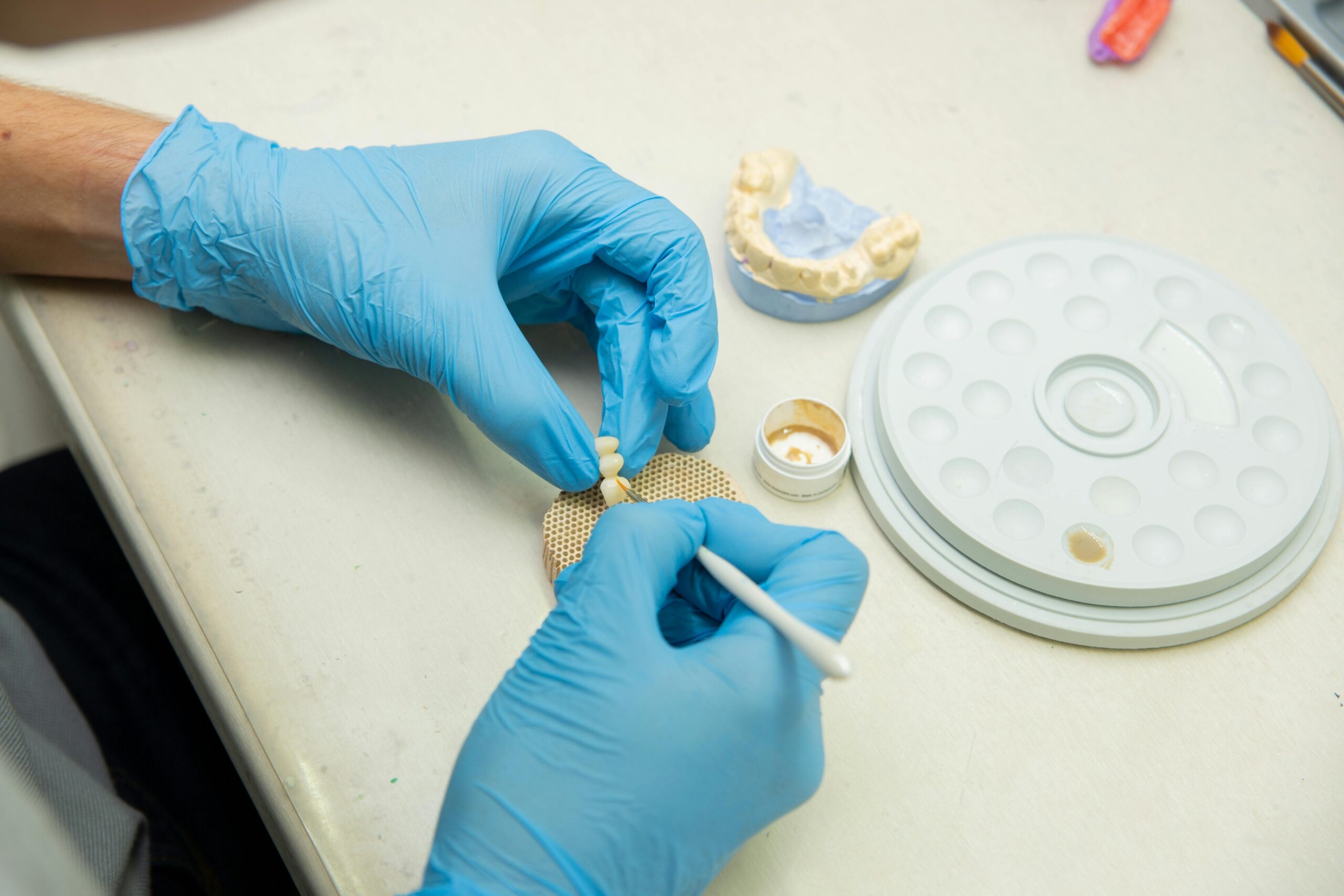
Introduction to Crowns
A dental crown is a custom cover that fits over a tooth to restore shape, strength, and function. Dentists use crowns when a tooth is too damaged for a simple filling. Today, crowns can be made at the office in one visit or made by a dental lab over two visits. Both aim to protect your tooth and help it look natural.
You bite a hard seed and a large filling breaks. A crown works by surrounding the weakened tooth, spreading chewing forces, and sealing it from further decay. Same-day crowns are designed with a digital scanner and milled from a solid block of ceramic in the office. Lab-made crowns start with an impression or scan, then a technician builds the restoration, which you receive at a second visit. Understanding these steps helps you know what to expect during treatment.
Common reasons for a crown include:
- A cracked or heavily worn tooth
- A large broken filling or deep decay
- Restoring a tooth after root canal therapy
- Replacing an old, failing crown
- Improving shape or color when bonding is not enough
Material and design choices depend on bite forces, tooth location, and your goals. Front teeth often call for high esthetics, while back teeth need greater strength. Your dentist will examine the remaining tooth structure, gums, and bite before recommending a plan. For more on treatment scope and options, see how crowns and bridges protect teeth.
As this article continues, we will compare how crowns made in one visit differ from those made by a lab. We will look at fit, esthetics, durability, comfort, and appointment flow, so you can weigh same day vs lab crown differences in a clear way. Some cases are simple and suit a chairside approach, while others benefit from custom lab characterization or special materials. The right choice depends on your tooth and the details of your case. The best crown is the one that meets your tooth’s needs predictably.
Understanding Same-Day Crowns
Same-day crowns are tooth-colored caps designed, made, and placed in one visit. Your tooth is prepared, then a digital scan guides a milling unit that shapes a ceramic crown on-site. You leave with the final restoration the same day, without a temporary crown. Understanding the same day vs lab crown differences starts with how chairside systems work.
You chipped a molar on a popcorn kernel before a trip. After numbing and shaping, the dentist scans the tooth and surrounding bite. Software builds a 3D design, which is milled from a strong ceramic block. The crown is tried in, adjusted as needed, then stained and glazed to refine color and surface. A short furnace cycle hardens the glaze. Finally, the crown is bonded or cemented to the tooth, creating a sealed interface that helps restore strength and function.
This approach fits many single-tooth cases, especially back teeth with good remaining structure. It can also work well for front teeth when shade and translucency match your smile. Cases with deep margins under the gums, limited space, or complex esthetic demands may be better served by a lab technician who can layer porcelain or use specialized materials. Patients with heavy grinding may need designs or materials chosen for high wear, which can influence whether a chairside or lab path is best.
Comfort and timing differ from traditional steps. Most people like avoiding impression trays, since the scan is quick and clean. Skipping a temporary crown means fewer chances for it to loosen or cause sensitivity. The trade-off is a longer single appointment, rather than two shorter visits. If a tooth also needs nerve treatment, planning the crown soon after can lower the risk of the tooth breaking while unprotected; learn more about root canal treatment in Glendale.
Knowing when same-day crowns excel helps set expectations for fit, color, and durability. Next, we will compare them with lab-made crowns so you can weigh benefits for your specific tooth. The best choice balances speed, esthetics, and long-term function.
Overview of Lab Crowns
Lab crowns are custom restorations made by a dental laboratory after your dentist prepares the tooth. Records are taken, a temporary crown is placed, and a technician fabricates the final crown for a second visit. This approach is often chosen for detailed esthetics, complex bites, or special material needs. The goal is a strong, natural look that fits your bite precisely.
You chip a front tooth on a utensil at dinner. At the first visit, the dentist shapes the tooth and captures digital or traditional impressions, bite records, and shade photos. A well-contoured temporary protects the tooth and helps test comfort and speech. In the lab, a technician designs the crown using these records, then mills, presses, or hand-layers ceramics. Surface texture, translucency, and fine color characterizations are added before final firing, which helps the crown blend with nearby teeth.
Material selection depends on where the tooth sits and how you chew. High-strength zirconia is often used for back teeth or heavy grinding, while lithium disilicate offers lifelike translucency for visible areas. Porcelain-fused-to-metal can be helpful when space is limited or for certain bridge designs. For some front teeth with only cosmetic concerns, an alternative like carefully planned porcelain veneers may conserve more enamel than a full crown. Your dentist weighs thickness, bonding options, and bite forces to match the material to your case.
The lab workflow can improve precision in difficult situations. Subgingival margins, rotated teeth, or multiple adjacent crowns often benefit from a technician’s ability to shape contacts and anatomy on working models. The temporary phase lets your dentist adjust the bite and gum contours, then relay those changes to the lab before the final crown is made. If longer appointments make you uneasy, some patients consider calming options such as gentle oral sedation during visits.
Understanding how lab crowns are planned and built clarifies quality factors like fit, color, and longevity. This overview also frames same day vs lab crown differences, setting up a fair comparison of speed, customization, and comfort. The right path is the one that meets your tooth’s needs predictably.
Materials Used in Both Types
Same-day and lab-made crowns often use the same core materials. The most common are tooth-colored ceramics like lithium disilicate and zirconia, chosen for strength and a natural look. Both approaches can also add surface stain and glaze to match nearby teeth. Labs may offer layered porcelain over zirconia or metal when very specific color effects are needed.
You wonder, what is my crown actually made of? Lithium disilicate is a glass ceramic that blends well with front teeth because it lets light pass in a lifelike way. It can be bonded to the tooth, which helps support thinner walls and may improve retention when there is less tooth left. Zirconia is a very strong ceramic, good for back teeth and heavy chewing. It can be polished smooth to be kind to opposing enamel, and newer translucent versions look more natural than older opaque types.
In a lab, a technician can layer porcelain for fine texture and depth, or use porcelain-fused-to-metal if space is tight or the bite is complex. This layering allows detailed characterization, though extra layers can chip if stressed. Same-day crowns are usually milled as one piece from a ceramic block, then stained and glazed. While this is not the same as hand-layering, modern blocks and glazing give a clean, consistent result for many smiles. For small chips, a well-planned conservative dental bonding repair may avoid a full crown.
Cement choice also depends on material. Glass ceramics are etched and bonded, which can strengthen the restoration-tooth connection. Zirconia is typically air-abraded and cemented with primers designed to stick to its oxide surface. Both methods can work well when isolation, bite, and preparation design are carefully managed. Understanding materials clarifies many same day vs lab crown differences, because the material drives how the crown is made, colored, and attached.
Knowing what your crown is made of helps set realistic expectations for look and wear. Next, we will connect these material choices to fit, durability, and comfort over time. The right material should match your tooth, your bite, and your goals.
Fit and Comfort Considerations
Fit and comfort depend more on careful technique than on where the crown is made. Both same-day and lab crowns can fit closely and feel natural when the tooth is prepared well, records are accurate, and the bite is adjusted precisely. Same-day crowns avoid a temporary, which often improves short-term comfort. Lab crowns use a temporary that can guide fine-tuning before the final is made.
After a new crown, your bite feels slightly high on one side. This is common, and your dentist checks contacts with thin marking paper, then smooths any “high spots.” A well-adjusted bite should let both sides chew without sharp pressure, temperature zing, or tenderness. If you clench or grind, a small guard may help the bite settle. A quick follow-up adjustment within a week can fine-tune comfort further.
Gum comfort relates to where the crown edge sits and how the margin is finished. Digital scans can capture clean margins for same-day crowns, especially when the edge is above or just at the gumline. When margins are deeper, a lab workflow sometimes offers more control to shape the emergence profile, helping the gums adapt and stay healthy. Smooth, polished margins reduce plaque retention and tenderness. Good daily cleaning with floss or small brushes is essential either way.
Contacts between teeth should be firm enough to prevent food trapping, yet not too tight. Chairside software and try-ins help same-day crowns dial this in; labs can refine contacts on models for multiple adjacent teeth. Surface finish matters for feel too. A well-polished ceramic is kind to the tongue and the opposing tooth, while rough or over-glazed areas can feel “gritty” and are easy to adjust. Some patients prefer one longer appointment for same-day care, while others find two shorter visits with a temporary less tiring for the jaw.
In short, precise records, margin design, and careful bite checks drive comfort more than the production method. Understanding these same day vs lab crown differences helps set expectations and supports a smooth recovery. The next section will connect fit details to durability over time.
Timeline for Crown Placement
Same-day crowns are finished in one longer appointment. Many cases take about two to three hours, including design, milling, and bonding. Lab-made crowns take two visits, with a wait between them for the lab to fabricate the restoration, often one to three weeks. Your timing changes with tooth complexity, materials, and any added treatments.
You crack a cusp on a Friday before travel. For a same-day crown, the dentist prepares the tooth, scans it, designs the crown on a computer, and mills it in-office. After try-in, color adjustments, and a short glaze cycle, the crown is bonded or cemented. Extra steps, such as a core buildup for weak tooth structure, deeper margin smoothing, or bite refinement, can extend chair time. If a recent root canal was done, the tooth may be crowned soon after the symptoms settle.
With a lab-made crown, the first visit includes tooth preparation, digital or traditional impressions, bite records, and shade selection, followed by a temporary crown. This appointment often lasts about 60 to 90 minutes. The lab then fabricates the final crown, a process that commonly takes one to three weeks, while you avoid sticky or very hard foods on the temporary. The second visit is usually shorter, often 20 to 40 minutes, to remove the temporary, try in the final crown, and cement it. If you plan to brighten your smile first, complete teeth whitening before shade selection to avoid a mismatch later.
Scheduling also depends on gum health, bite stability, and the number of teeth involved. One tooth with a clean, dry field tends to move faster than multiple adjacent teeth or deep margins that need extra tissue management. If you have travel or work deadlines, check our current hours and plan accordingly. Understanding these timing steps clarifies same day vs lab crown differences and helps you choose the path that fits your calendar and comfort.
A little planning up front makes crown visits smooth and predictable.
Durability and Longevity Factors
How long a crown lasts depends on the material, how it is attached, how much natural tooth remains, your bite, and daily care. Both same-day and lab-made crowns can last many years when these factors are handled well. Failures usually relate to fracture, wear, cement washout, or new decay at the edge, not to where the crown was made. When comparing same day vs lab crown differences, longevity comes from case selection and technique.
You clench at night and sometimes chew ice. For heavy bite forces, monolithic ceramics are preferred because they avoid weak layered interfaces. High-strength zirconia resists chipping on back teeth, while lithium disilicate works well for many single teeth when bonded and kept at proper thickness. Layered porcelains can deliver fine esthetics, but thin or unsupported layers are more prone to chip. Adequate crown thickness, smooth internal line angles, and a balanced bite reduce crack starters and help the crown last.
The tooth underneath sets the stage. More sound tooth above the gumline improves retention and lowers fracture risk. After root canal treatment, a strong core and a protective “ferrule” band of tooth help prevent breakage. Margins placed at or just above the gums are easier to keep clean and are scanned or impressed more accurately, which supports a tight seal. Deep margins may still be needed for decay or old restorations, but they require extra moisture control and careful finishing.
Cementation is another key. Glass ceramics benefit from adhesive bonding to etched enamel or dentin, which can increase fracture resistance. Zirconia needs a clean, micro-abraded surface and a compatible primer to maintain retention. Any contamination with saliva or blood during cementation weakens the bond, so isolation and timing matter. Whether the crown is made chairside or in a lab, strict bonding or cement steps are essential for longevity.
Your habits finish the picture. A night guard protects crowns if you grind, and regular cleanings catch small margin issues before they grow. Avoid using teeth as tools, and let your dentist repolish any rough spots so they are kind to the opposing tooth. The next section ties these durability points to day-to-day maintenance and follow-up care. The right material, prep, and bite drive crown longevity.
Cost Considerations
Costs for crowns vary with tooth complexity, materials, and the number of visits, not only where the crown is made. Same-day crowns may reduce costs tied to a temporary crown and a second visit. Lab-made crowns include a technician’s time, which can add expense but may be worthwhile for complex esthetics or multiple adjacent teeth. Insurance coverage often treats both approaches similarly, but details depend on your specific plan and deductibles.
You need a crown before a work trip and want to avoid extra time off. A same-day crown can limit travel and missed work, which are real indirect costs. On the other hand, a two-visit lab process spreads shorter appointments and can be easier for some schedules. Consider how long you can sit comfortably, transportation, and time away from school or work when comparing total cost.
Material and case design also influence fees. High-strength zirconia or lifelike glass ceramics are chosen based on bite forces and visibility, and each has different lab or in-office fabrication steps. Added procedures increase cost regardless of method, such as a core buildup for weak tooth structure, a post after root canal treatment, or gum contouring to expose a clean margin. If your bite is complex or several teeth need work, lab support can reduce remakes and chair time later, which may lower overall costs over the course of treatment.
Short-term savings should be weighed against long-term value. A crown that fits well and is bonded or cemented correctly is less likely to need early replacement, which saves money over time. Preventive steps, like a night guard for grinding and regular cleanings, help protect your investment. Shade planning matters too; if you plan to whiten, doing it before shade selection avoids the expense of adjusting or remaking a crown later. These points often explain the practical same day vs lab crown differences when thinking about lifetime cost.
Discuss your goals, timeline, and coverage with your dentist so the plan fits both your mouth and your budget. The best value balances visit time, esthetics, and durability.
Aesthetics and Customization Options
Both same-day and lab-made crowns can look very natural when shade, translucency, and surface texture are planned well. Same-day crowns allow in-chair tweaks to color and shape before you leave. Lab crowns offer more layers and artistic detailing for complex matches, especially in the front. The best cosmetic result comes from careful planning, not just the fabrication method.
You want your new front crown to match family photos this weekend. With a same-day approach, the dentist selects a ceramic block that balances opacity and translucency, then fine-tunes color with chairside stain and glaze. Immediate try-ins help adjust length, contour, and midline while you give feedback in natural light. Monolithic ceramics look clean and consistent, though their color depth comes mostly from the base block, and surface stain may need a light refresh years later.
Lab crowns expand customization when the case is more demanding. A technician can layer porcelains in multiple shades to mimic incisal translucency, halo effects, faint white lines, and subtle surface texture. For a dark underlying tooth or metal post, the lab can combine an opacious core with translucent outer porcelain to mask color while keeping a lifelike edge. Provisional crowns can also shape the gums first, guiding the final emergence profile for a smooth, natural transition at the gumline.
Shade accuracy depends on good records and lighting. Photos, a documented stump shade, and a custom shade visit increase predictability, especially for one front tooth. Discuss how much “character” you want, such as tiny specks or a youthful brightness. If you plan to whiten, complete it before final shade selection so the crown matches your new baseline. For several adjacent front teeth, a lab’s layering and texture control often blends them best; for a single back tooth, a same-day crown usually matches well and can be polished to feel smooth.
Talk with your dentist about your esthetic priorities, timeline, and the same day vs lab crown differences that matter to you. Clear goals lead to a better-looking crown.
Patient Experience and Convenience
Same-day crowns favor convenience because treatment finishes in one visit, with no temporary crown. Lab-made crowns split care into two shorter visits and include a temporary, which some patients find helpful for testing bite and speech. Comfort differs by preference, schedule, and how you handle longer chair time. Understanding same day vs lab crown differences helps you plan a smooth visit.
You have a tight week before a work trip. With a same-day crown, you are numbed once, the tooth is prepared, and a quick digital scan replaces most impression trays. You can step out for short breaks while the crown is designed and milled. Try-in and adjustments happen immediately, so you leave with the final crown in place. The trade-off is a single appointment that is longer than a typical filling visit.
The lab path spreads time out. The first visit includes preparation and records, then a well-shaped temporary protects the tooth while the lab fabricates the final crown. A temporary can feel sensitive or occasionally loosen, but it also lets your dentist fine-tune bite and gum contours before the final is made. At the second visit, the temporary comes off, the final crown is tried in, adjusted, and cemented, usually with minimal numbness.
Comfort details matter. Digital scanning is clean, fast, and often easier for people with a gag reflex; many offices use scanning for either approach, so you may avoid trays entirely. Same-day care means less time living with a temporary and fewer chances for food trapping around it. Lab crowns reduce chair fatigue for those who prefer shorter sessions and allow you to preview shape in the temporary phase. If a color tweak or bite change is needed later, a same-day crown can be adjusted on the spot, while lab remakes require another visit.
Think about travel, child care, and how long you sit comfortably. Your dentist can align the appointment style with your schedule and comfort needs. Next, we connect these experience points with day-to-day maintenance so your crown stays comfortable. The best plan fits your life and your tooth.
Comparative Success Rates
Both same-day and lab-made crowns have high success when the case is chosen well and the crown is placed carefully. Long-term outcomes depend more on material, tooth preparation, bite forces, and bonding or cement steps than on where the crown is made. In everyday practice, each approach can last many years when those factors are optimized.
You broke a cusp and want the longest-lasting option. Same-day crowns are usually one-piece ceramics that avoid weak layers, which helps resist chipping. When properly bonded, they distribute chewing stress and seal the tooth edge well. Lab crowns can be made as strong monolithic zirconia for heavy bites, or as layered porcelains for refined esthetics. Layered designs look very natural, but veneering porcelain can chip if it is thin or under high stress. The best choice matches material and design to the tooth and your bite.
Technique drives success. A smooth preparation with rounded internal angles reduces stress points that start cracks. Clean, dry isolation supports strong bonding for glass ceramics, while zirconia relies on micro-abraded surfaces and compatible primers. Accurate scans or impressions capture a crisp margin so the crown seals the edge and is easy to keep clean. Same-day treatment avoids a temporary crown, which removes a small window for leakage or loosening. The lab route uses a temporary that protects the tooth and allows bite and gum shaping before the final, which can improve tissue health and contact points.
Your bite and habits complete the picture. Night grinding, hard-object chewing, or a very deep margin can shorten crown life regardless of method. A protective night guard, balanced bite contacts, and enough sound tooth above the gumline all improve survival. After root canal treatment, a strong core and a protective ferrule of tooth help prevent breakage under the crown. Discuss these details with your dentist so the design fits your mouth, not just the schedule.
For many single back teeth with healthy gums, success rates are similar between approaches, while complex esthetics or deeper margins may favor lab support. Understanding same day vs lab crown differences helps set clear expectations. The key is the right material, precise fit, and good daily care.
Conclusion: Making the Right Choice
Both same-day and lab-made crowns can be excellent choices; the right one depends on your tooth, bite, esthetic goals, and timeline. For straightforward single teeth that match nearby shades well, a same-day crown offers speed and avoids a temporary. For deep margins, complex color matching, or multiple adjacent teeth, a lab crown provides added customization and control. The best decision comes from a clear exam and a discussion of your priorities.
You chipped a back tooth on a weekend. Case selection guides success more than where the crown is made. If the margin sits at or above the gumline and isolation is easy, chairside scanning and bonding work well. When margins are deep or the gumline needs shaping, a lab process can better manage emergence profiles and tissue response. Material choice follows bite forces and visibility. Strong monolithic zirconia suits heavy chewing, while bonded lithium disilicate offers lifelike translucency for visible areas. Enough sound tooth above the gumline, a smooth preparation, and precise bonding or cement steps are the foundations for longevity.
Comfort and logistics matter too. Same-day care condenses treatment into one visit, reduces time with a temporary, and allows immediate adjustments before you leave. The lab route splits time into two shorter visits and uses a temporary to test bite and speech, which can be helpful when several teeth are involved. Maintenance is similar for both. Daily cleaning at the crown edge, a night guard if you grind, and timely bite checks protect the tooth and the opposing enamel. Understanding same day vs lab crown differences helps you choose an approach that fits both your mouth and your schedule.
Share your goals, timeline, and any history of clenching or sensitivity so your dentist can match material, margin design, and appointment flow to your case. Together you can plan a crown that looks natural, feels comfortable, and holds up well. Next, we outline simple care and follow-up steps to keep your new crown healthy. The right choice balances speed, esthetics, and long-term function.
Frequently Asked Questions
Here are quick answers to common questions people have about Are Same-Day Crowns as Good as Lab Crowns? in Glendale, AZ.
- What are the advantages of same-day crowns over lab-made crowns?
Same-day crowns offer the convenience of completing treatment in one visit, without the need for a temporary crown. You avoid potential issues like sensitivity or looseness associated with temporaries. Digital scanning also simplifies the process by eliminating messy impression trays. This method can be especially beneficial if you have a busy schedule, as it requires a single, longer appointment rather than multiple visits. However, complex esthetic needs or deep margins might be better managed with lab crowns.
- Can same-day crowns match the color of my natural teeth?
Yes, same-day crowns can match your natural tooth color. The dentist uses a digital scanner to select a ceramic block with the best shade and translucency balance. After milling, the crown is stained and glazed chairside, allowing immediate adjustments to meet your preferences. This process ensures that the crown blends well with your surrounding teeth. For highly detailed esthetics, a lab-made crown might offer more layers and artistic customization.
- Are same-day crowns strong enough for back teeth?
Same-day crowns can be a good option for back teeth when made from strong ceramic materials like zirconia or lithium disilicate. These materials provide the necessary durability to withstand chewing forces. For individuals with heavy bites or those who grind their teeth, additional design considerations may be needed to ensure longevity. As always, proper preparation and fitting are crucial for the crown’s performance over time.
- How do dentists ensure the fit and comfort of same-day crowns?
Dentists ensure the fit and comfort of same-day crowns through precise tooth preparation, accurate digital scanning, and careful bite adjustment. Scanning captures detailed images of your tooth and bite, allowing the crown to be digitally designed for a snug fit. After milling, try-ins help verify that the crown feels comfortable and natural. If necessary, minor adjustments are made to ensure smooth chewing without discomfort.
- Can same-day crowns be repaired if damaged?
Yes, same-day crowns can often be repaired if they sustain minor damage, such as small chips. Repair options may include dental bonding or re-glazing to restore the crown’s appearance and function. However, if significant damage occurs, replacing the crown may be the better option. Maintaining good oral hygiene and using a night guard if you grind your teeth help reduce the risk of damage.
- How long do same-day crowns typically last compared to lab-made crowns?
The lifespan of both same-day and lab-made crowns largely depends on factors like the material used, tooth preparation, and daily care. With proper care, both types can last many years. Failures are often due to factors like fracture or wear rather than the fabrication method. Regular dental check-ups and good oral hygiene practices are key to maintaining the longevity of your crown.