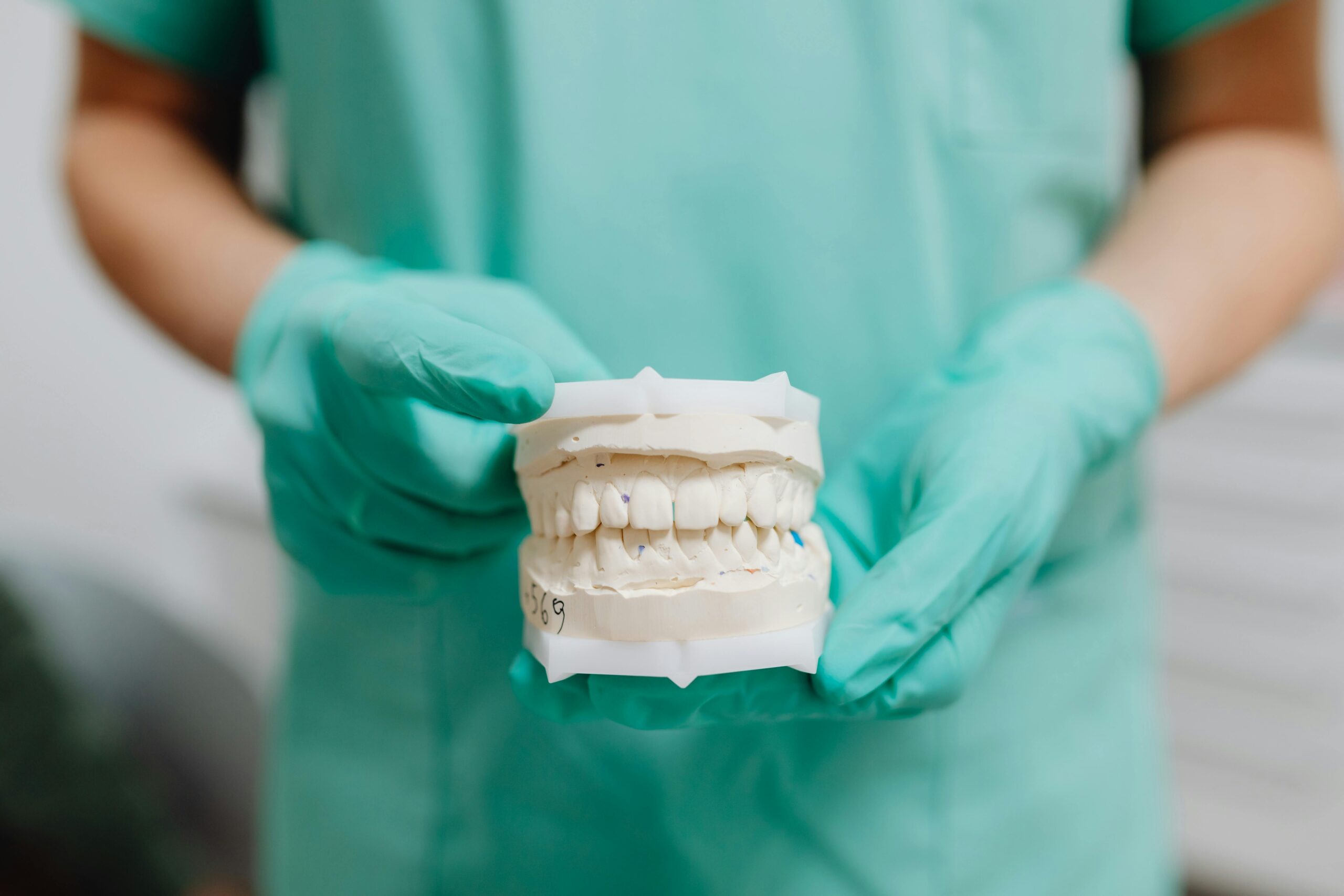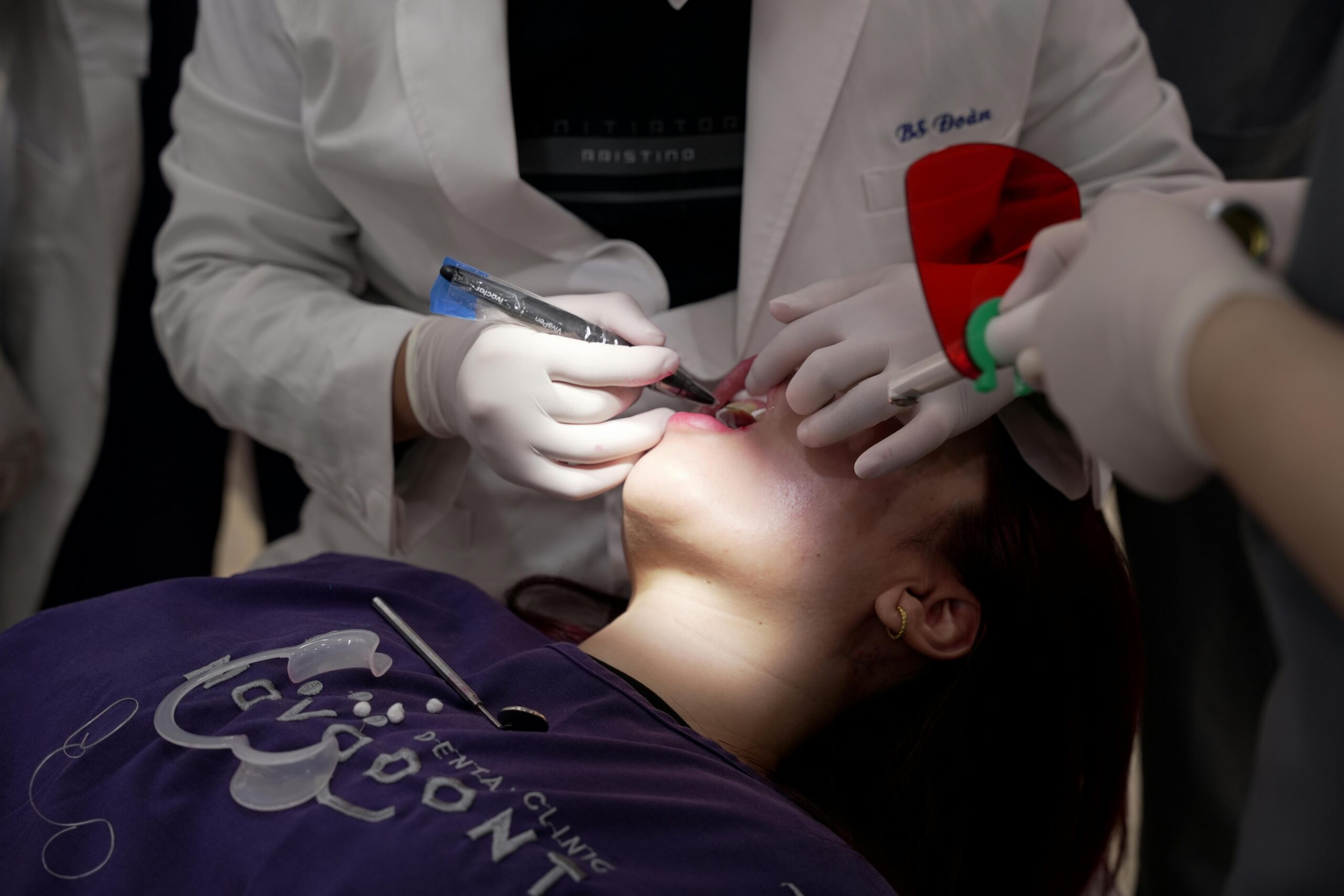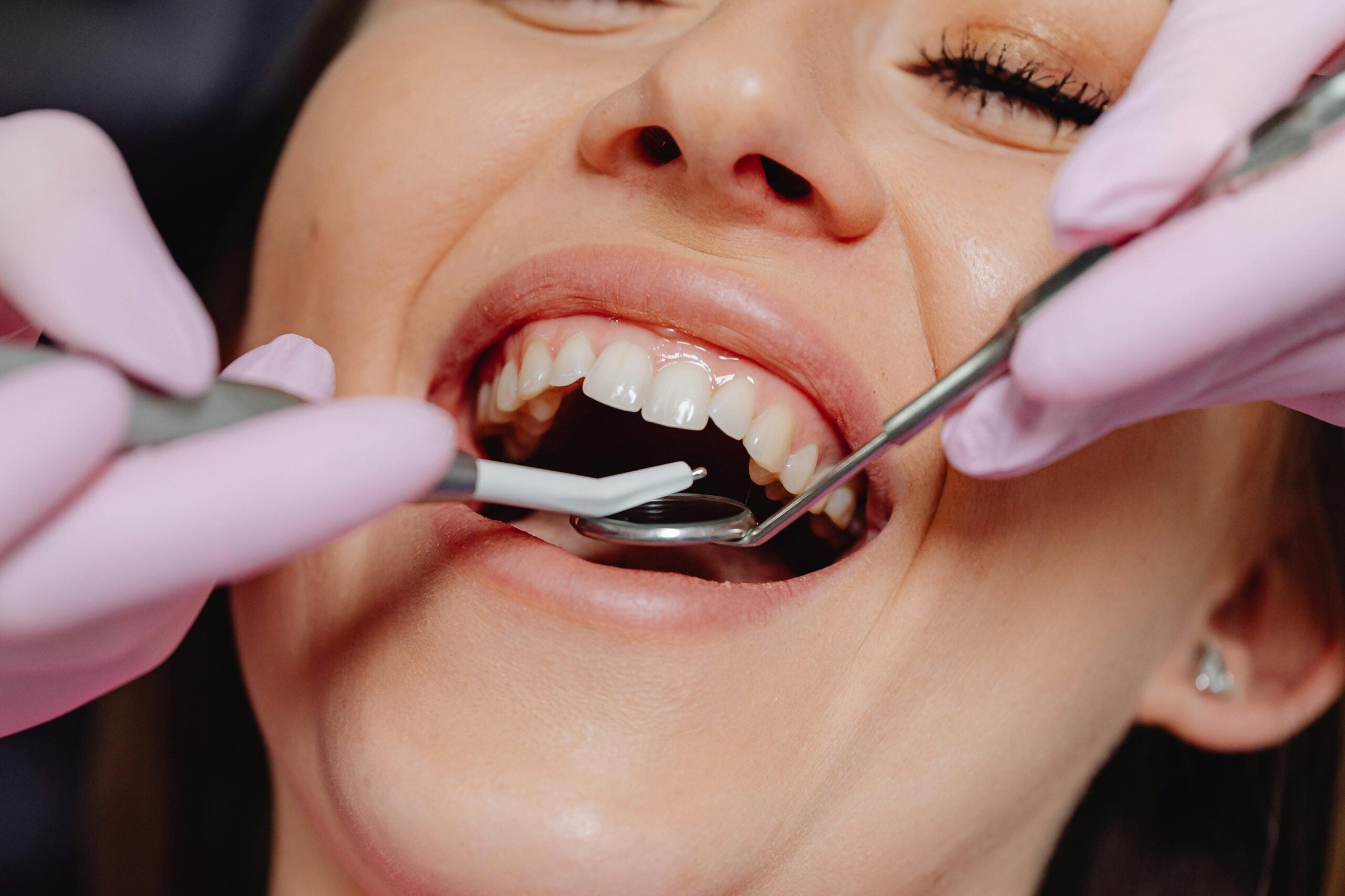

Understanding Bruxism and Its Impact
Bruxism is when you clench or grind your teeth, often without noticing. It can happen while you are awake or asleep. Over time, this extra pressure affects teeth, jaw muscles, and any dental work, including implants. Understanding it helps plan care that protects your mouth.
You wake with tight jaw muscles and flat spots on molars. Left unchecked, it can cause tooth wear, cracks, and jaw fatigue. There are two main patterns: awake clenching and sleep grinding. Awake clenching tends to be longer holding of the teeth together, often tied to focus or stress. Sleep bruxism often has short bursts with strong muscle forces. Stress, medications, and airway problems can play a role, though causes differ by person. Since implants lack the natural ligament that cushions teeth, forces from bruxism go straight to the implant parts and the surrounding bone.
- Morning jaw soreness or headaches
- Shiny flat wear facets on back teeth
- Chipped edges on front teeth or broken fillings
- Cracked teeth or fractured crowns
- Tooth sensitivity that has no clear cause
- Clicking, popping, or fatigue in the jaw joint
For people considering implants, bruxism and implant risk should be discussed. Heavy nighttime loads can raise the chance of screw loosening, chipped porcelain, or faster wear of parts. Good planning can lower those risks. We may design a bite that spreads forces, choose durable materials, add more implants when needed, and allow slow, staged loading. A custom night guard may be advised after healing to protect the work. Regular checks let us adjust the bite and tighten components as needed. Simple daytime habits, like keeping teeth apart at rest, also help. Thoughtful steps now make your implant plan safer and longer-lasting.
How Bruxism Complicates Implant Planning
Bruxism complicates implant planning by adding strong, sideways, and repeated forces to parts that cannot flex. Implants lack the natural ligament that cushions teeth, so loads go straight to screws, ceramics, and bone. Picture a grinder who cracks a crown every year. That is why bruxism and implant risk must be addressed up front.
Sleep bruxism often delivers short bursts of high force, especially in lateral directions, which can loosen screws, chip ceramics, and wear components. Studies have linked sleep bruxism to higher rates of technical complications around implants, so force control is a core planning goal [1]. Occlusal overload may also affect peri-implant health, which makes careful bite design and monitoring important [2]. In severe cases, parafunction has been reported among contributing factors in implant fractures, highlighting the need to minimize stress concentrations [3].
Planning starts with how forces will be directed. We reduce steep cusp angles, narrow the chewing surface when helpful, and aim for more vertical contacts to limit side torque. Cantilevers are kept as short as possible, and contact points are arranged to share load predictably. Where retrievability and maintenance matter, screw-retained designs let us re-tighten or replace parts without cement risks. Component choices, such as abutments with solid anti-rotation features and verified torque, help maintain joint stability under heavy clenching. For single teeth or short spans, carefully shaped crowns and bridges that manage force direction can lower the chance of chipping or loosening.
Full-arch plans require special care. We control arch length, avoid long posterior extensions, and set a balanced, even contact scheme that favors vertical loading. Bone quality and implant position guide decisions on implant count and diameter, but more metal is not a cure-all. We pair design choices with realistic follow-up so small issues are found before they become breaks. If you tend to clench at night, we will talk about protective strategies after healing, and how to spot early warning signs at home. For some patients, reviewing full arch implant options helps align expectations with force management.
Thoughtful force control makes implants more predictable for people who grind.
Evaluating Risk Factors for Implants
Evaluating risk factors for implants means looking at your bite forces, bone health, and medical history to predict how an implant will perform. We assess habits like clenching or grinding, gum and jaw conditions, and the space and bone available for a stable foundation. The goal is a plan that lowers complications and supports long-term function.
Picture this: you chew ice and wake with tight jaw muscles. Force patterns matter because implants do not have the natural cushioning ligament of teeth. We check for wear facets, cracked restorations, joint noises, and muscle tenderness, which hint at heavy or sideways loading. This is where bruxism and implant risk intersect, since concentrated loads can stress screws, ceramics, and surrounding bone. If high forces are present, we note them early and design to keep loads more vertical and balanced.
Biology is the next layer. We evaluate gum health and past periodontal disease, since active inflammation raises the chance of peri-implant problems. Bone volume and density are measured, often with imaging, to confirm safe implant size and position, and to identify sites that may benefit from grafting. We also review medical factors that affect healing, like diabetes control, smoking, prior head and neck radiation, autoimmune disease, and dry mouth. Several common medicines can influence risk, so a full medication list helps tailor the plan.
Day-to-day behaviors complete the picture. Oral hygiene habits, diet choices like frequent hard or sticky foods, and willingness to wear a night guard after healing all influence outcomes. In select cases with strong bite forces, a design that distributes load across multiple implants, such as removable snap-in implant dentures, can lower technical strain. When healing or medical factors suggest delay, a comfortable interim option like a well-made partial denture can maintain function while risk is reduced.
By mapping forces, confirming healthy tissues, and aligning the design with your habits, we make implant choices safer and more predictable. Careful evaluation leads to better results.
Prosthesis Design for Bruxism Patients
Prosthesis design for bruxism patients focuses on controlling force, simplifying contacts, and choosing durable, repairable parts. The aim is to keep loads as vertical as possible, reduce side torque, and make maintenance straightforward. This reduces the link between bruxism and implant risk while protecting bone and hardware. Think of a nightly grinder who has chipped two crowns.
Implants do not have the ligament cushion natural teeth use to absorb force. As a result, clenching and grinding send load directly to screws, ceramics, and the implant–bone interface. We respond by lowering cusp angles, narrowing the chewing surface when helpful, and placing contacts near the center of the implant. This limits sideways leverage and spreads force over time. We also shorten or eliminate cantilevers so bending moments stay low.
Bite design is adjusted to favor smooth, shallow movements. In light closure, contacts are even and gentle; in firm biting, force settles on strong, vertical stops. For many patients, we minimize heavy contacts on front teeth during side movements to avoid chipping. When multiple implants are used, we aim for a balanced scheme that shares load across units rather than concentrating it on one area. Small design choices add up to fewer technical complications and a quieter, more stable bite.
Material and retention choices support this plan. Monolithic ceramics or high-strength hybrids are chosen to reduce veneer chipping, and polishing is prioritized over rough textures that can wear opposing teeth. Screw-retained restorations allow re-tightening and repair without the risks of trapped cement, and torque values are verified at delivery and follow-up. Provisional restorations can be used to test contact patterns before finalizing, then final contacts are set slightly lighter than neighboring teeth. After healing, a custom night guard adds a protective layer and helps distribute pressure during sleep.
For you, this means a prosthesis that looks simple but is engineered for heavy use. At home, watch for early signs like a new clicking tooth, a chipped edge, or food catching on one side, and schedule an adjustment if they appear. Regular checks let us fine-tune contacts and keep screws secure. A well-planned design makes tough forces more manageable.
Strategies to Mitigate Implant Risk
We lower implant risk by shaping how forces hit the teeth, choosing durable parts, and planning careful follow-up. For people who clench or grind, we protect the implant by reducing sideways stress and adding safeguards after healing. Small choices at each step add up to safer chewing. These steps reduce bruxism and implant risk.
Picture this: you wake with tight jaws and notice a new chip. First, we control force paths. We design shallow cusps, slightly narrower chewing surfaces, and contacts that are centered and mostly vertical. Cantilevers are shortened or avoided to cut bending loads. When bite forces are high, we may use more implants in key spots or a wider implant to share load. If forces are unpredictable, we favor staged loading so the bone adapts before full function.
Material and connection choices matter. Monolithic ceramics or high-strength hybrids reduce veneer chipping, and highly polished surfaces are kinder to opposing teeth. Screw-retained restorations make maintenance easier and reduce cement-related risks. We verify torque at delivery, then re-check after a short interval as screws settle. Provisional restorations help test contact patterns in real life, so the final bite can be set slightly lighter than neighboring natural teeth. After healing, a custom night guard spreads pressure during sleep and protects ceramics and screws.
Daily habits support the plan. We coach a relaxed rest posture, lips together and teeth apart, so daytime clenching eases. Avoiding very hard foods and not chewing ice limits sudden spikes in force. If airway or reflux symptoms are present, we may coordinate with your physician, since those issues can drive grinding. At home, watch for early signs like a new click, food catching, or a chipped edge, and ask for an adjustment if they appear.
Ongoing checks keep things stable. We review the bite, polish wear areas, and re-tighten connections on a set schedule, then replace worn guards before they thin. If something feels off, early visits prevent bigger repairs. For visit planning and questions, see our current hours. Thoughtful details make tough forces manageable.
The Role of Night Guards in Treatment
Night guards help protect teeth and implants from heavy clenching and grinding. They do not stop bruxism, but they spread and soften forces so parts are less likely to chip, loosen, or wear. A custom guard is usually made after healing and final bite adjustment, then worn at night as a protective layer.
You wake with tight jaws and a chipped crown. Implants do not have the natural ligament that cushions teeth, so loads pass straight to screws, ceramics, and bone. A well-made guard creates a smooth, flat surface that guides the jaw into even, gentle contacts. This limits sideways rubbing and reduces sudden spikes in force. In mixed cases with natural teeth and implants, we often bias contact slightly toward natural teeth, since they sense pressure and cushion better.
Most patients do best with a custom, hard acrylic guard that covers a full arch. The choice of upper or lower depends on comfort, available space, and which arch holds the implant work. For full-arch fixed restorations, the guard fits over the prosthesis to protect ceramics and screws. Partial-coverage or soft, shapeless appliances can shift or wear quickly, which makes contact patterns less predictable. A polished surface and adequate thickness help the guard glide smoothly and last longer.
Fit and follow-up matter as much as the material. We set light, even contacts when you close, and shallow front guidance to reduce side torque. You should bring the guard to each check so we can refine contacts and watch for thin spots or cracks. Clean it daily with cool water and a mild cleanser, and keep it away from heat. If your bite changes, or the guard thins in the chewing zones, it should be adjusted or remade.
Night guards are one practical tool in planning for bruxism and implant risk, working alongside careful bite design and routine maintenance. If you notice new clicks, chips, or morning soreness, an adjustment can prevent larger repairs. A well-made guard is simple insurance for complex bites.
Long-Term Considerations for Implants
Long-term success with implants depends on healthy tissues, stable bite forces, and steady maintenance. Parts can last many years, but they work best with routine checks and small adjustments over time. If you tend to clench or grind, added protection and follow-up become even more important. Planning around bruxism and implant risk helps prevent avoidable repairs later.
Years after placement, a patient notices food catching and a faint click. Changes like this often come from natural tooth wear, shifting contacts, or settling at screw joints. Implants do not cushion like natural teeth, so repeated sideways forces can loosen tiny screws or roughen ceramics. Gentle reshaping, re-tightening to verified torque, and polishing worn spots restore smooth chewing and reduce stress on components. These small tune-ups are normal and help avoid larger breaks.
Tissue health is the other pillar. Implants need clean, low-inflammation gums to protect the bone seal. Professional maintenance that includes careful probing, calibrated radiographs, and individualized cleaning reduces bleeding, controls deposits, and supports long-term stability. Consistent supportive peri-implant therapy helps manage mucositis and peri-implantitis, improving outcomes when paired with good home care [4]. At home, use a soft brush, low-abrasive paste, and floss or interdental aids designed to glide under the prosthesis. If dryness, reflux, or new medications change your mouth, we adjust your plan before problems grow.
Force management continues after delivery. Night guards should be checked and replaced before they thin, since worn guards can concentrate pressure. If a crown or bridge sits opposite an implant, light, centered contacts protect both sides. When the bite or jaw joint symptoms change, early occlusal refinements keep loads vertical and predictable. Over the years, expect occasional replacement of screws, inserts, or acrylic teeth in full-arch work, much like tires on a car. These scheduled updates keep the system reliable.
In short, predictable implants come from steady maintenance, quiet bite forces, and timely adjustments. Tell us early if you notice a chip, a new click, or food packing, and we will keep things on track. Small fixes now prevent big repairs later.
Collaborating with Specialists in Care
Collaborating with specialists means we coordinate your implant plan with the right medical and dental teams. This helps manage forces, airway issues, gum health, and bite design so your implants last. Clear communication keeps treatment efficient and reduces surprises.
Picture this: you grind at night and feel morning jaw tightness. Because clenching can raise loads on implants, we may work with a sleep physician when snoring, daytime fatigue, or suspected apnea are present. Treating airway problems can lower grinding triggers and make bite forces more predictable. If stress, reflux, or medication side effects contribute to clenching, we coordinate with your primary care provider to adjust timing or consider alternatives when appropriate.
On the dental side, periodontists help optimize the gums and bone around implants, especially where tissue thickness or grafting can improve stability. Prosthodontists assist with complex bite rebuilding, ensuring contacts are centered and easy to maintain. Orofacial pain specialists and physical therapists can calm sore muscles and improve jaw movement, which lowers side forces on restorations. We also partner closely with skilled dental technicians so materials, contours, and contacts match your force pattern and esthetic goals.
Good collaboration is practical, not abstract. We share imaging, bite records, and splint plans so each provider sees the same map. Before finalizing, provisional restorations can test contact patterns in daily life, then we adjust based on what we learn. After delivery, scheduled checks let us re-tighten joints, polish wear spots, and refine contacts while other providers maintain airway, muscle comfort, and gum health. This shared approach lowers bruxism and implant risk by addressing causes as well as effects.
For you, it means fewer appointments that “redo” the same issue and more confidence that each step supports the next. Tell us about snoring, morning headaches, muscle pain, or new medications, and we will loop in the right specialist at the right time. A connected team keeps your implant plan stable and simple. Teamwork protects your smile.
Frequently Asked Questions
Here are quick answers to common questions people have about Bruxism and Implants: Planning Around Risk in Glendale, AZ.
- What is bruxism and how does it affect dental health?
Bruxism is the habit of clenching or grinding teeth, often unknowingly. It can happen during the day or night and can lead to several dental issues. The excessive pressure can wear down teeth, cause cracks, and fatigue the jaw muscles. If left untreated, bruxism can contribute to tooth sensitivity and damage to dental restorations, including implants. These forces affect not only real teeth but also artificial structures, as implants lack the natural cushioning provided by ligaments.
- Why does bruxism increase the risk of implant complications?
Bruxism heightens the risk of implant complications because the forces generated during grinding and clenching are strong and often misdirected. Unlike natural teeth, implants do not have ligaments to absorb and cushion these forces. As a result, the force is directly transferred to the implant, screw, and surrounding bone. This can lead to screw loosening, ceramic chipping, and wear of the implant components, increasing the likelihood of failures.
- How can an implant treatment plan be adjusted for someone with bruxism?
For individuals with bruxism, an implant plan can be tailored to minimize stress on the implants. Strategies include designing a bite that spreads forces evenly, using durable materials, and possibly placing more implants to distribute the load. After implantation, a custom night guard may be recommended to protect the dental work from high forces during sleep. Regular follow-ups are essential to adjust the bite and tighten components if needed.
- What role do night guards play in managing bruxism with implants?
Night guards help manage bruxism and protect implants by distributing and reducing the forces applied during clenching or grinding. They create a smooth layer between the upper and lower teeth, which limits harmful friction and the intensity of contact. A custom-fitted, hard acrylic night guard is usually preferred, as it stays in place and lasts longer, providing consistent protection for both natural teeth and implants.
- Are there any lifestyle changes that can help reduce bruxism and protect implants?
Yes, certain lifestyle changes can mitigate bruxism impacts. Simple habits like keeping teeth apart when not chewing and avoiding very hard or sticky foods help reduce the overall pressure on dental structures. Managing stress through relaxation techniques and addressing issues like sleep apnea with a physician’s help can also decrease the occurrences of grinding. Such changes complement a carefully devised implant plan to improve outcomes.
References
- [1] Associations between sleep bruxism and (peri-) implant complications: a prospective cohort study. (2017) — PubMed:29607076 / DOI: 10.1038/bdjopen.2017.3
- [2] Under pressure: Unraveling the impact of occlusal overload on peri-implant health-A systematic review. (2025) — PubMed:40571905 / DOI: 10.1111/jopr.14088
- [3] Analysis of the causes of dental implant fracture: A retrospective clinical study. (2018) — PubMed:29435519 / DOI: 10.3290/j.qi.a39846
- [4] Efficacy of supportive peri-implant therapy in the management of peri-implant mucositis and peri-implantitis: A systematic review. (2025) — PubMed:41204923 / DOI: 10.1016/j.adaj.2025.08.015