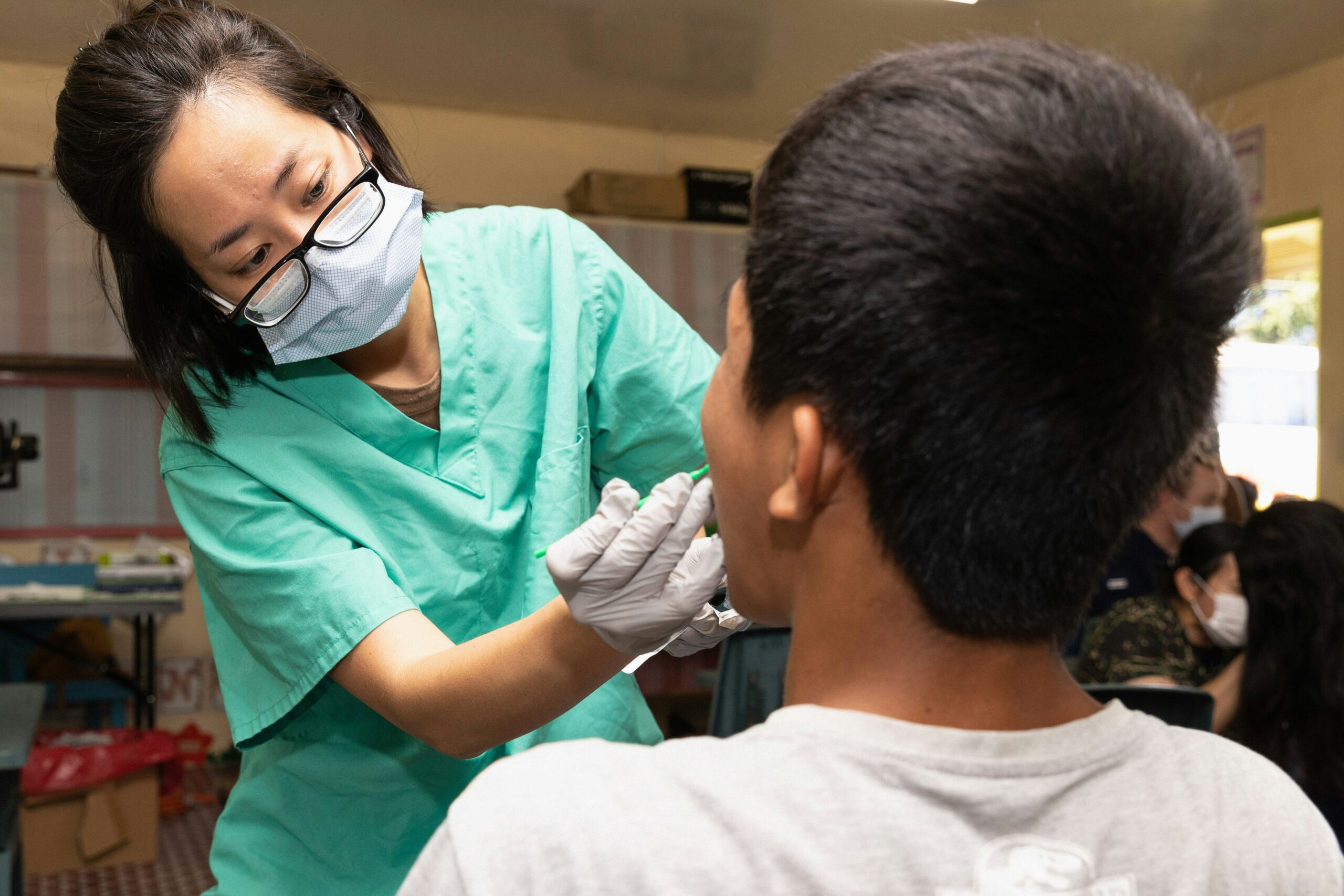
Understanding Dental Infections
Dental infections happen when bacteria enter a tooth or the gums and the body reacts. They can range from a small, localized abscess to a spreading infection that affects the face or neck. People often ask, can dental infection be dangerous; it can be when infection spreads beyond the tooth. Early evaluation helps keep a simple problem from becoming serious.
A cheek swells over a weekend. Many infections begin with deep tooth decay, a crack, or a leaking filling that lets bacteria reach the dental pulp. The pulp dies, pressure builds, and pus follows the path of least resistance, creating pain, swelling, or a pimple-like sinus tract. Gum infections can also arise around trapped plaque, especially near partially erupted wisdom teeth; persistent inflammation there may benefit from wisdom tooth removal when a partially erupted tooth keeps getting infected. Warning signs of spread include fever, worsening swelling, trouble swallowing, or difficulty opening the mouth.
Treatment focuses on removing the source of infection, not just easing symptoms. If the tooth is restorable, root canal treatment to remove the infection cleans and seals the inside so bacteria cannot return. If the tooth is not restorable, extraction removes the source. Incision and drainage may be used to relieve pressure. Antibiotics can support care when there is swelling, fever, or spread, but they are not a substitute for source control. Severe cases that affect breathing or swallowing need urgent care and sometimes hospital management.
For most people, timely dental treatment resolves the problem and prevents complications. Pay attention to changes, such as swelling that spreads, increasing pain, or feeling unwell, and seek care rather than waiting. Understanding how these infections start and progress helps you decide when to act and what questions to ask next. Prompt attention protects your health.
Signs of a Dangerous Infection
Some dental infections stay local, but certain signs mean it is becoming dangerous. Watch for symptoms that suggest the infection is spreading or affecting breathing and swallowing. People ask, can dental infection be dangerous; it is when these warning signs appear. If any occur, seek urgent dental or medical care.
As infection travels through the soft tissue spaces of the face and neck, pressure and inflammation can narrow the airway and involve muscles used for chewing and swallowing. Spread under the tongue or to the throat spaces raises the risk of airway problems. Fever and feeling unwell point to a whole-body response, not just a sore tooth. A quick change over hours, rather than days, is also concerning. You wake with tight swelling under the jaw and cannot swallow spit.
- Swelling that spreads toward the eye, floor of the mouth, or down the neck.
- Drooling, trouble swallowing saliva, new hoarseness, or a “hot potato” muffled voice.
- Jaw stiffness or inability to open two fingers wide, called trismus.
- Fever, chills, fast heartbeat, or feeling faint or very unwell.
- Firm, tense, or rapidly enlarging redness of the skin over the swelling.
- Eye symptoms after upper tooth pain, such as eyelid swelling, vision changes, or pain with eye movement.
- Noisy breathing, shortness of breath, or inability to lie flat comfortably.
These red flags matter because they point to infection beyond the tooth and into critical spaces that can affect vision, swallowing, or breathing. Risk is higher in people with diabetes, immune conditions, recent head and neck radiation, or severe dehydration. Do not press on the swelling or try to drain it yourself, which can worsen spread. Dental teams coordinate rapidly with medical services when airway or deep neck spaces are involved.
Knowing these signs helps you choose timely care and avoid complications. The next section explains what to expect during evaluation and treatment choices. Early action protects your airway and overall health.
Risk Factors for Complications
Complications are more likely when the body’s defenses are lower, when the infection has easy paths to spread, or when care is delayed. People wonder, can dental infection be dangerous; it is when these risk factors stack up. Knowing them helps you act early and avoid severe problems.
A person with poorly controlled blood sugar wakes with fast-growing jaw swelling. Medical conditions that weaken immune response raise risk, including poorly controlled diabetes, HIV, and conditions treated with chemotherapy or long-term steroids. Transplant medicines that suppress immunity also reduce the body’s ability to contain bacteria. Very young and older patients may struggle more with fluid balance and airway reserve. Pregnancy changes blood flow and swelling in the gums, which can complicate infections near the back of the mouth.
Tooth position matters because it shapes where infection can travel. Lower second and third molars sit close to spaces under the tongue and jaw; infection there can move into the floor of the mouth and tighten the airway. Upper canine and premolar infections can track toward the eye through facial planes, which is why eyelid swelling after upper tooth pain is concerning. Maxillary molars sit near the sinus, so infection may enter the sinus and spread to nearby spaces.
How the infection is managed also affects risk. Taking pain medicine alone can mask worsening spread. Repeated short courses of antibiotics without removing the source may breed resistant bacteria and delay needed care. Limited mouth opening, trouble swallowing liquids, or fever at the first visit signal higher risk because they suggest deeper space involvement. Tobacco use, poor nutrition, and severe dental neglect can slow healing and make spread more likely.
Access to timely care is a practical risk factor. Waiting through a weekend or travel, or difficulty finding urgent dental help, gives infection time to advance. If any of these risks apply to you, do not wait for symptoms to “settle.” The next section outlines how your clinician assesses severity and chooses safe, effective treatment. Early, targeted care lowers the chance of complications.
When to Seek Immediate Care
Seek immediate care if you have trouble breathing, trouble swallowing saliva, rapidly growing swelling, or eye symptoms after tooth pain. If you have wondered, can dental infection be dangerous, the answer is yes when these signs appear. High fever, chills, or feeling faint also signal a problem that should not wait.
A mild toothache becomes rapid swelling with fever during the night. Dental infections can spread into spaces under the tongue, the throat, or around the eye. In these areas, swelling can narrow the airway or threaten vision. Fast changes over hours, drooling, hoarseness, or a “hot potato” voice suggest the infection is in deeper spaces that need urgent evaluation. New trismus, which means you cannot open two fingers wide, is another warning sign.
Go to the nearest emergency department if you cannot swallow saliva, if breathing is noisy or hard, or if swelling reaches the eye or neck. If you can breathe and swallow but have facial swelling, fever, or worsening pain, seek same‑day dental care. While waiting, sit upright, avoid lying flat, and do not press on or try to drain the area. Antibiotics alone rarely cure a dental abscess, because the source must be treated, so rapid assessment matters.
People with diabetes, immune conditions, or recent head and neck radiation should act early, even with milder symptoms, because infections can progress faster. Children and older adults can also worsen quickly. If you are unsure where to go first, check current hours, then choose urgent dental care or the emergency department based on breathing and swallowing. Calling emergency services is appropriate anytime you fear airway problems.
Getting help at the right time protects your airway and prevents severe complications. Next, we outline how clinicians assess severity and choose safe, effective treatments. Early action is safer than waiting.
Potential Health Threats from Infections
Dental infections can threaten health beyond the mouth. They may narrow the airway, affect the eyes or sinuses, and in severe cases strain the whole body. Many wonder, can dental infection be dangerous; it becomes dangerous when bacteria spread from the tooth into nearby spaces or the bloodstream.
A sore molar becomes firm swelling under the jaw by morning. Infection can travel through soft tissue spaces of the face and neck, causing tight swelling under the tongue or in the throat. This swelling can make swallowing hard and breathing noisy, which is a true medical emergency. Saliva pooling and drooling increase the chance of dehydration and aspiration. Prompt source control, such as opening the tooth or removing it, reduces pressure and helps protect the airway.
Upper back teeth sit close to the sinus, so infection can spill into the sinus and create deep facial pain, foul drainage, or sinus infection. If infection tracks toward the eye, eyelid swelling, vision changes, or pain with eye movement can occur and threaten sight. Rarely, bacteria reach veins behind the eye or the brain’s coverings, leading to serious complications. Early recognition of eye or neurologic symptoms is key, since these problems can worsen quickly. Coordinated care with medical teams is sometimes needed when orbital or deep facial spaces are involved.
Whole‑body effects also matter. Fever, rapid heartbeat, and feeling faint can signal sepsis, which needs urgent evaluation. Long‑standing dental abscesses may contribute to poor appetite, weight loss, or disrupted sleep, slowing recovery. People with conditions that affect immunity can progress faster and need earlier intervention. The good news is that timely dental treatment, with drainage and removal of the infection source, greatly lowers these risks.
Understanding how and where infections spread helps you act sooner and stay safer. The next section explains how clinicians assess severity and choose the right treatment steps.
Immediate Steps to Take
Start by judging safety. If you have trouble breathing or swallowing, go to the emergency department now. If you can breathe and swallow, control symptoms, avoid making things worse, and arrange urgent dental care. If you are asking, can dental infection be dangerous, take careful steps early while you seek treatment.
You wake with cheek swelling and tooth pain. First, check your airway. Can you swallow saliva, speak clearly, and lie back without feeling short of breath? If not, seek emergency care. If you can, sit upright, keep your head elevated, and avoid lying flat. Watch for fast changes over hours, which mean you should be seen sooner.
For comfort, place a cool compress on the cheek for 10 minutes on, 10 minutes off. Rinse gently with warm salt water if it feels soothing. Stay hydrated with small sips of water, and avoid alcohol and tobacco. Use over‑the‑counter pain relievers as labeled, unless a doctor told you not to take them. Do not put aspirin on the tooth or gums, which can burn tissue. Do not press on, poke, or try to drain the swelling, since this can push infection deeper. Avoid heat on the face, because heat can increase swelling and discomfort. Do not start leftover antibiotics or someone else’s prescription. Antibiotics alone rarely fix a dental abscess because the source must be treated.
Next, contact a dentist for a same‑day visit. The team will check your airway risk, examine the tooth, take images, and start source control. This may include opening the tooth for drainage, or removing the tooth if it cannot be saved. Antibiotics may be added when there is fever, spreading swelling, or medical risk, but they support care rather than replace it. If you cannot see a dentist quickly and symptoms are worsening, use an urgent care or an emergency department.
People with diabetes, immune conditions, or recent head and neck radiation should act early, even with milder symptoms. Calm, early steps keep you safer until treatment begins. Early action is better than waiting.
Preventative Measures for Dental Health
Good prevention keeps teeth and gums healthy and lowers the chance of infection. Brush twice a day with fluoride toothpaste, clean between teeth daily, and see a dentist regularly. People ask, can dental infection be dangerous; simple daily habits make that risk much less likely.
A busy week leads to missed brushing and constant sipping on soda. Daily care matters because bacteria thrive on leftover food and sugars. Brush for two minutes, reaching the gumline where plaque collects, and use a soft brush that fits your mouth. Clean between teeth with floss or small interdental brushes to remove plaque your toothbrush misses. Fluoride strengthens enamel so early soft spots are less likely to turn into cavities.
Food and drink patterns are just as important as brushing. Frequent snacks or sugary drinks feed bacteria, so try to keep sweets to mealtimes and choose water between meals. If your mouth feels dry, sip water often and consider sugar‑free gum to stimulate saliva, which helps buffer acids. Talk with your clinician if medicines cause dry mouth, since this raises cavity and infection risk. Avoid tobacco, which weakens gum health and slows healing.
Regular checkups catch small problems before they become painful. Your dentist may suggest targeted X‑rays, fluoride varnish, or sealants for deep grooves in molars, especially for teens and adults with high cavity risk. Fixing worn or leaking fillings early blocks bacteria from reaching the tooth nerve. When damage is larger, restoring cracked teeth with crowns or bridges when appropriate can seal and protect them. For minor damage, sealing small chips with dental bonding helps keep bacteria out.
Your overall health plays a role. Keeping blood sugar well controlled supports gum defenses, and a well‑fitted sports mouthguard protects teeth from fractures that can lead to infection. If a tooth becomes sensitive, chipped, or feels high when biting, schedule a prompt evaluation so a small repair does not become a larger problem. Small, steady habits prevent most dental infections.
The Importance of Early Diagnosis
Early diagnosis stops a small dental problem from turning into a serious infection. It limits pain, lowers the chance of swelling, and reduces the need for complex treatment. It also protects nearby spaces in the face and neck where infection can spread quickly. Catching issues early is the safest path to healing.
A cold drink triggers sharp pain that lingers one minute. Subtle signs like lingering cold sensitivity, tenderness when biting, a gum pimple, or a foul taste often appear before major swelling. An early visit lets your clinician check the nerve, gums, and bite, then take focused images to find the source. With the cause identified, care can be simple, such as removing decay, adjusting a high bite, or opening the tooth for drainage. Acting now prevents pressure from building and keeps infection from tracking into deeper spaces.
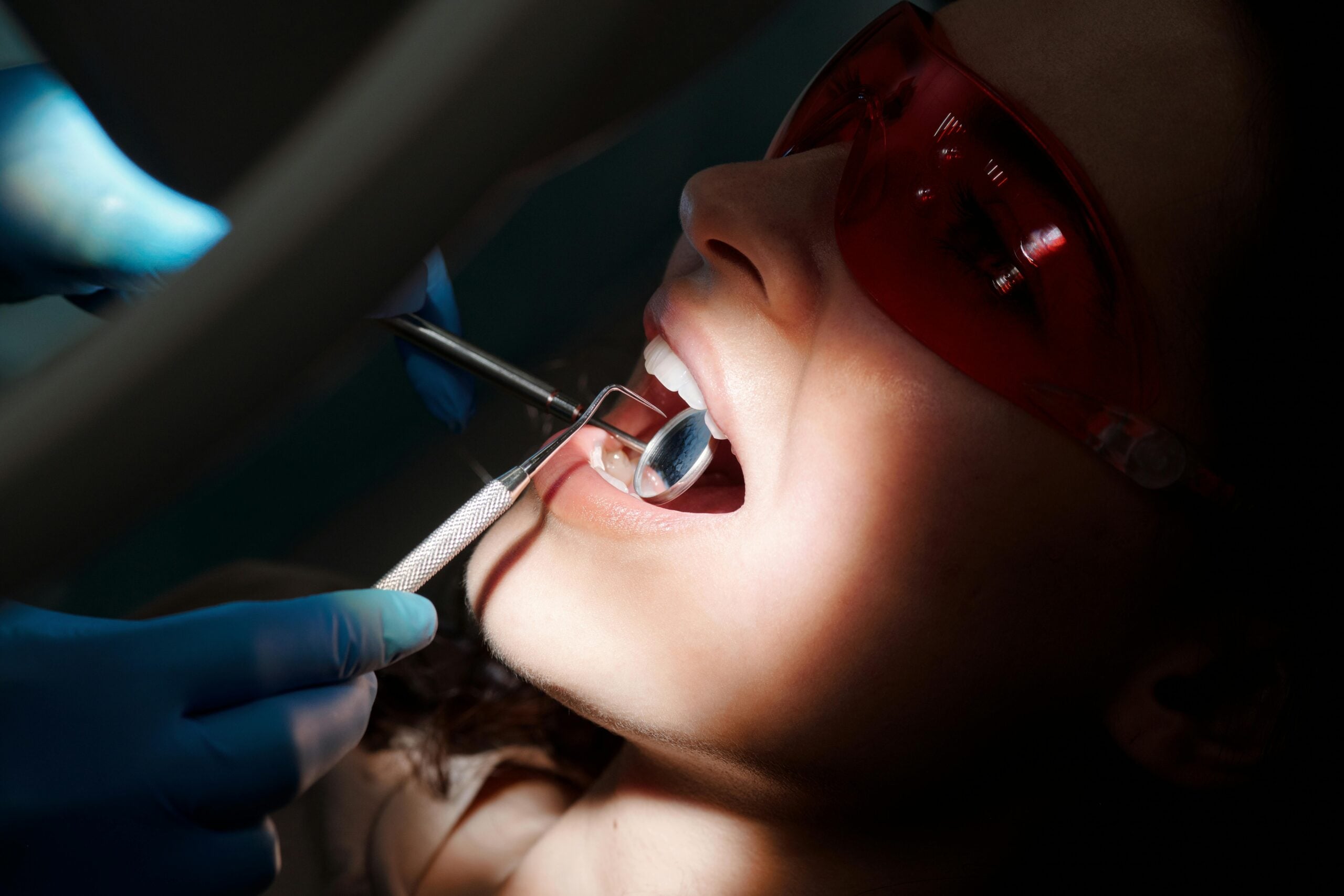
During evaluation, your dentist combines symptoms with tests. Gentle tapping on the tooth, temperature tests, and checking the gums help show whether the pulp is inflamed or dead. Targeted X‑rays reveal deep cavities, cracks, or bone changes; sometimes a limited 3‑D scan clarifies hidden roots or sinus involvement. This information guides a clear plan, which may include cleaning the inside of the tooth, drainage, or removing a non‑restorable tooth. Antibiotics are used only when indicated, since source control is what cures the infection.
Delays often happen because of worry or past dental fear. If anxiety keeps you from calling, ask about comfortable oral sedation options that help you get care sooner. Ready access and a calm plan make early visits manageable. Most early infections can be treated in the dental office, and you can usually return to normal activities quickly. When deeper spaces are suspected, timely referral keeps care coordinated and safe.
People sometimes ask, can dental infection be dangerous; early diagnosis is how we lower that risk. If you notice new lingering sensitivity, pain on chewing, or a small gum pimple, schedule an assessment. Quick, focused care saves tooth structure, shortens recovery, and prevents complications. Early attention is the easiest fix.
Common Misconceptions About Dental Infections
Several myths make dental infections seem minor when they are not. People ask, can dental infection be dangerous; the answer is yes when myths delay proper care. Clearing up common misunderstandings helps you act sooner and avoid complications.
A friend suggests biting on garlic to “cure” a tooth abscess. A painless tooth is not always a healthy tooth. When the nerve dies, pain can fade, yet bacteria remain and can spread through the jaw or into nearby spaces. A small gum pimple may simply be a drainage path that lowers pressure, not a sign that the infection is gone.
Another myth is that antibiotics alone fix a dental abscess. Antibiotics have limited effect inside a pocket of pus with poor blood flow, so the source must be treated. Opening and cleaning the tooth or removing a non‑restorable tooth is what cures the infection; antibiotics are added only when there is fever, spreading swelling, or higher medical risk. Trying to lance or squeeze the area at home can push bacteria deeper and increase spread. Heat on the face may also worsen swelling, so use cool compresses for comfort and seek care.
It is also untrue that dental infections always stay “in the mouth” or will settle with time. Infections from lower molars can move under the tongue or into the neck, tightening the airway. Upper tooth infections can involve the sinus or track toward the eye. Waiting, especially over a weekend, gives infection time to travel. Pulling a badly infected tooth does not “spread” infection; it removes the source so healing can begin. Peroxide or strong rinses do not sterilize an abscess and can irritate tissues. Dental X‑rays do not make infections worse; they guide safe, targeted treatment.
Knowing what is true helps you choose timely, effective care and skip remedies that backfire. If something seems to improve pain but swelling or a bad taste continues, get evaluated rather than waiting. Next, we explain how clinicians assess severity and choose the safest treatment steps. Early facts beat familiar myths.
Long-Term Effects of Untreated Infections
Untreated dental infections do not simply “settle.” Over time they can damage bone, weaken teeth, and spread into nearby spaces. Pain may come and go, but the infection often keeps working in the background. People ask, can dental infection be dangerous; over months, the risks and treatment needs usually grow.
A small gum pimple lingers for weeks without pain. That draining tract lowers pressure but does not remove bacteria. Bone around the tooth tip can slowly dissolve, loosening the tooth and changing your bite. Neighboring teeth may become tender as inflammation spreads through the jawbone. If the tooth is lost, chewing on that side becomes harder and the bite can shift, sometimes requiring replacement of missing teeth with partial dentures to restore function.
Upper back tooth infections can enter the sinus and lead to ongoing congestion, foul taste, or one‑sided sinus infections that keep returning. Lower molar infections can irritate the jawbone and, when neglected, may cause chronic swelling or a recurring skin fistula under the jaw. Rarely, inflammation near the lower nerve canal can cause temporary numbness or tingling in the lower lip or chin. These patterns build slowly, so people often underestimate them until daily life is affected.
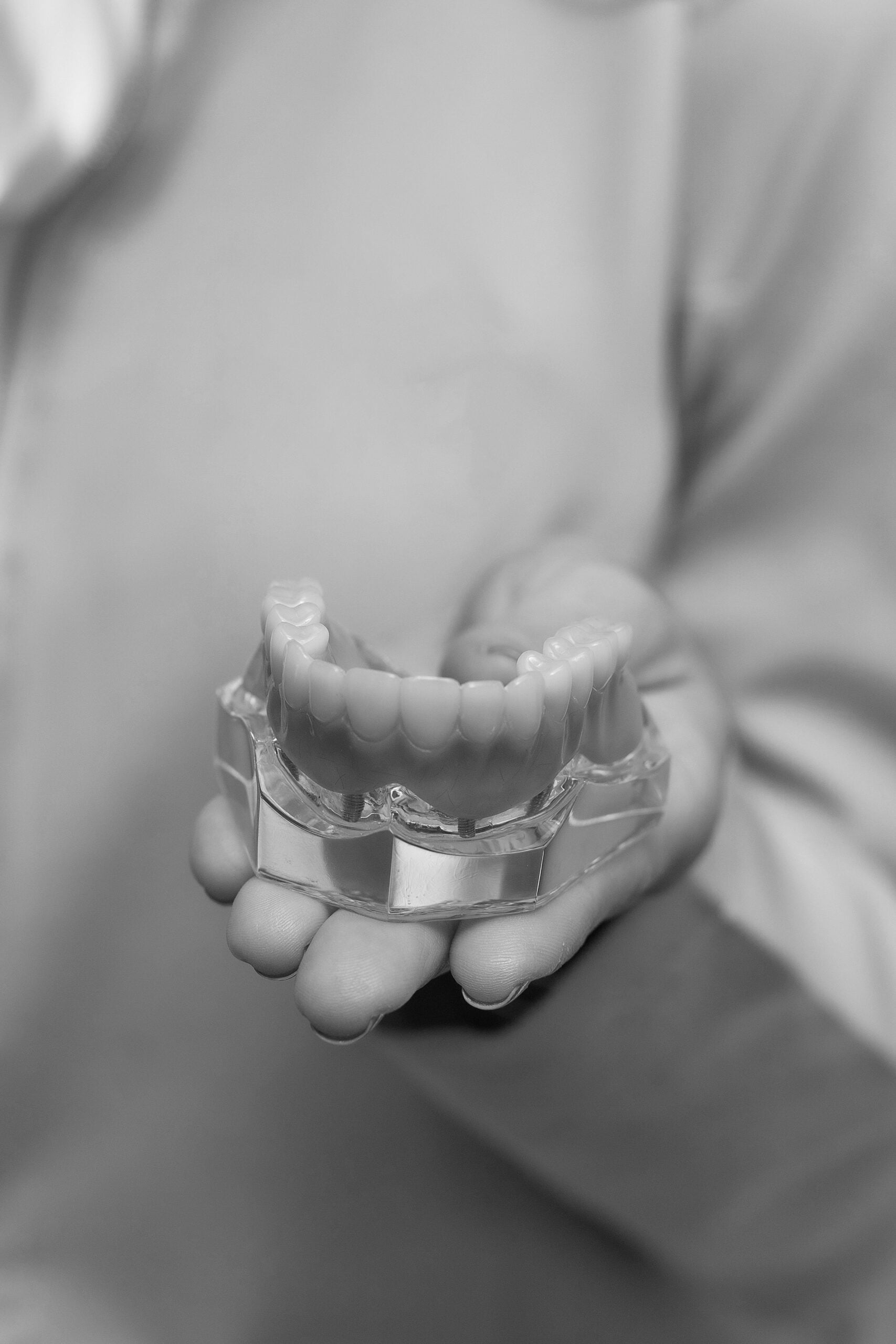
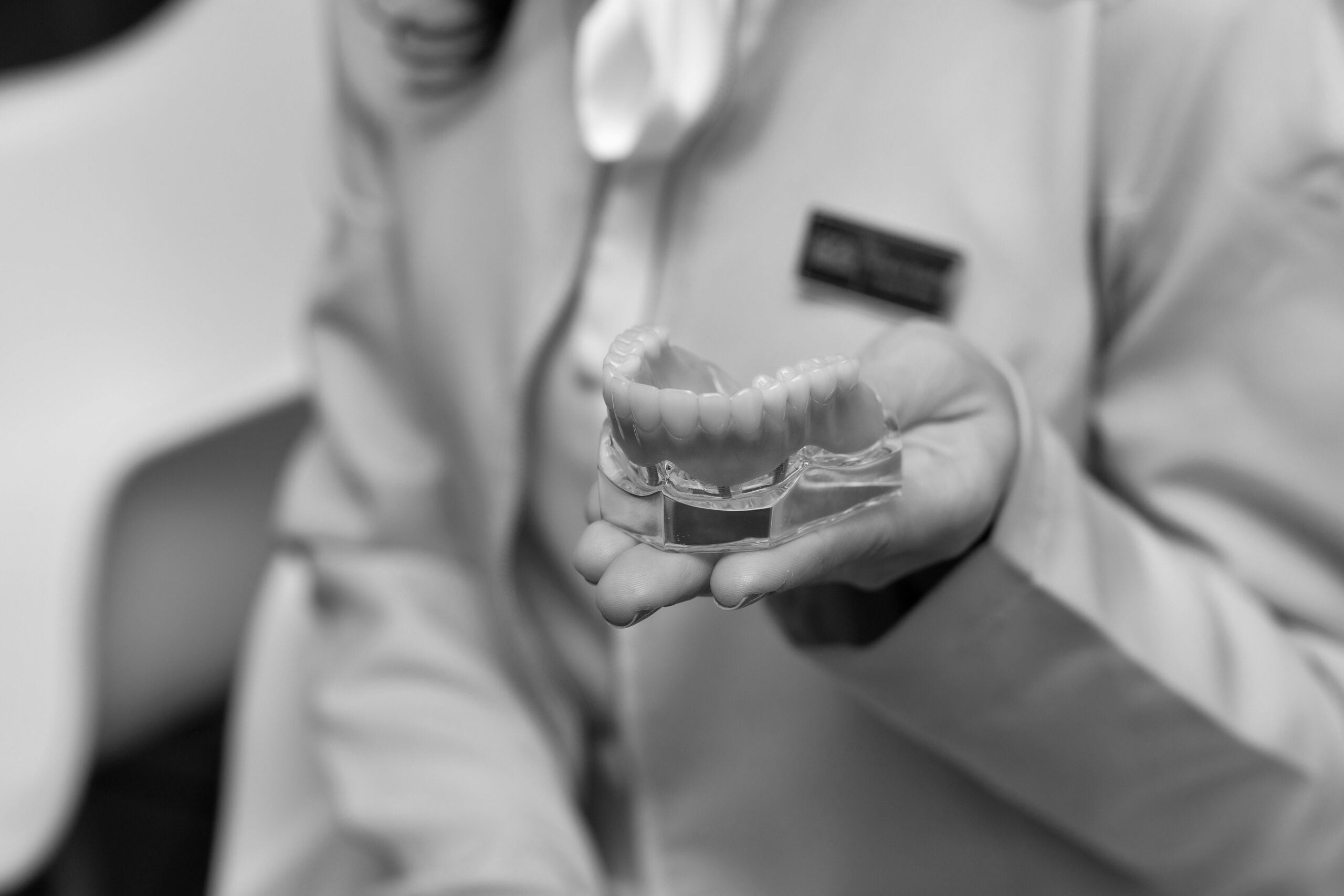
Whole‑body effects add up as well. Repeated flares disturb sleep, reduce appetite, and make it harder to control conditions like diabetes. Reliance on short courses of antibiotics without source control can encourage resistant bacteria and delay needed care. The longer infection persists, the more complex treatment can become, sometimes including multiple extractions and later solutions like stable snap‑in implant dentures when many teeth are lost to regain chewing and speech.
Watching for long‑standing bad taste, a persistent gum pimple, or a tooth that feels slightly loose can help you act before bigger problems grow. Early evaluation protects bone, keeps options simpler, and shortens recovery. In the next section, we explain how clinicians decide on the safest, most effective treatment steps. Early action prevents long‑term damage.
Frequently Asked Questions
Here are quick answers to common questions people have about Can a Dental Infection Be Dangerous? in Glendale, AZ.
- What makes dental infections dangerous?
Dental infections can be dangerous when they spread beyond the tooth. If the infection enters the soft tissues of the face and neck, it may lead to serious complications like difficulty breathing. Infections can also affect critical areas such as the eyes or the throat, posing additional risks. People with weakened immune systems or medical conditions are more vulnerable to these complications. Early awareness and prompt treatment can prevent the infection from becoming a serious health issue.
- How can I tell if my dental infection is spreading?
Warning signs of a spreading dental infection include swelling that extends toward the eye or neck, trouble swallowing, fever, or a muffled voice. These symptoms indicate the infection is moving into critical areas and may require urgent medical attention to prevent further complications. Quick recognition of these signs and seeking timely care help protect your health from worsening conditions.
- Why might antibiotics not be enough for treating dental infections?
Antibiotics alone often cannot fully treat dental infections because they do not address the source of the problem. An abscess is a pocket of pus that antibiotics might not reach well if blood flow is limited. For effective treatment, the infection source must be removed, such as through drainage or tooth extraction. Antibiotics play a supportive role but are not a standalone solution.
- What should I avoid if I have a dental infection?
If you have a dental infection, avoid poking, pressing, or trying to drain the swelling yourself, as this can push the infection deeper and cause it to spread. Using heat on the face is also discouraged, as it can increase swelling. Instead, keep your head elevated, use cool compresses for comfort, and seek prompt dental care.
- How can diabetes affect dental infections?
Diabetes can impact dental infections by making it harder for the body to fight off bacteria. Poorly controlled blood sugar levels can weaken gum tissue and slow down healing, increasing the risk of infections spreading beyond the tooth. People with diabetes should monitor their oral health closely and seek early treatment if symptoms of a dental infection appear.