
Understanding Full Arch Prosthesis
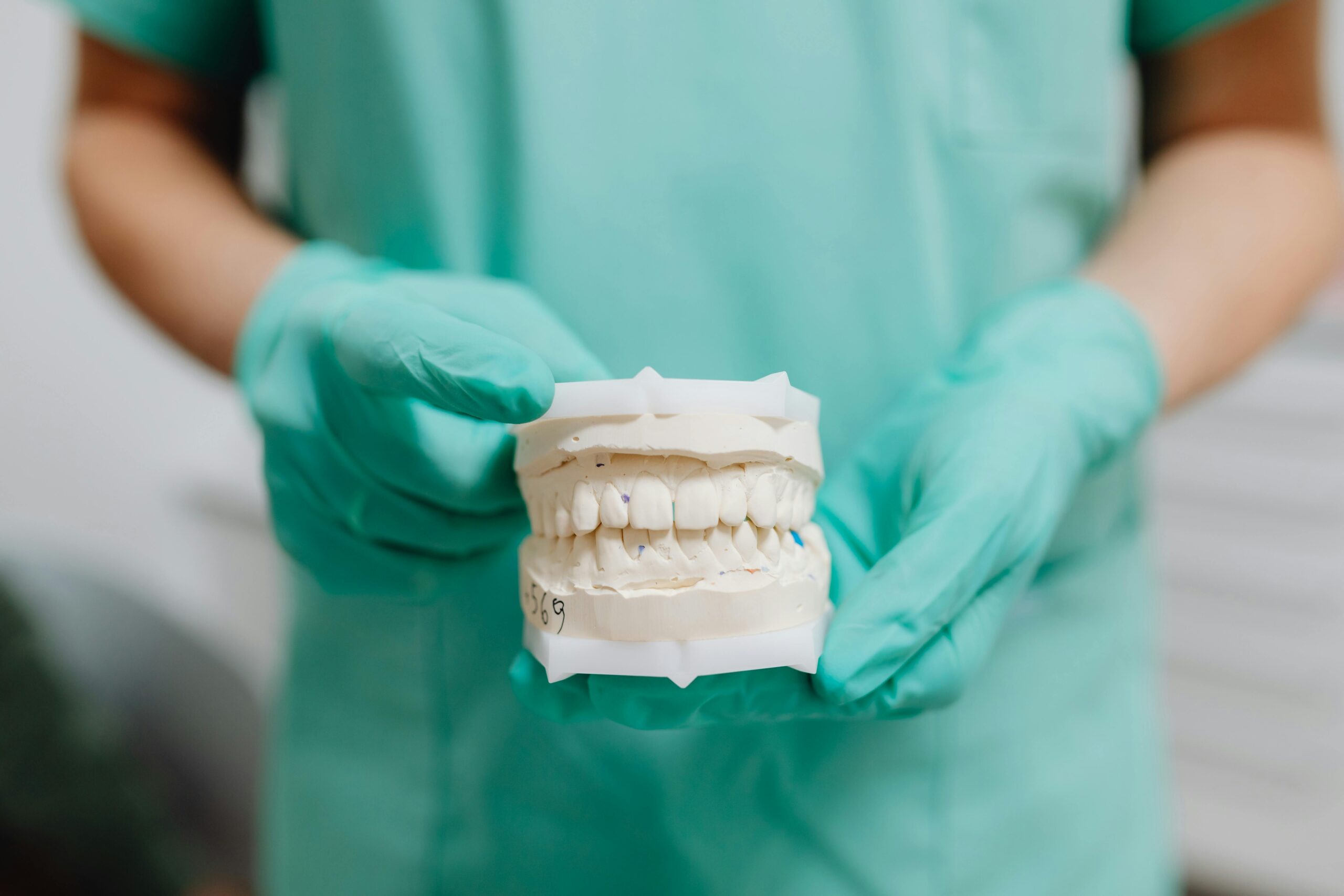
A full arch prosthesis is a set of replacement teeth that restores an entire upper or lower jaw. It can be fixed to dental implants or removable, depending on the design and your needs. The goal is stable chewing, clear speech, and a natural look with easy cleaning. Imagine replacing a failing denture with teeth that feel secure all day.
There are two common paths. Fixed solutions are attached to implants and removed only by the dental team, often called hybrid bridges or “All-on” style prostheses. Removable options attach to implants with snaps, then you take them out for cleaning at home. Materials vary, such as reinforced acrylic with a titanium frame, monolithic zirconia, or layered ceramics; each has tradeoffs for strength, wear, and repairability. For fixed solutions, see an overview of full-arch implants with an All-on-4 concept.
When people ask about full arch prosthesis longevity, they usually mean how long the teeth and supporting parts last before repair or replacement. Several factors shape that timeline:
- Number and placement of implants supporting the arch
- Bone quality, gum health, and systemic conditions
- Bite forces, clenching, or grinding habits
- Material choice, from acrylic to zirconia
- Opposing teeth or prosthesis type
- Daily cleaning and professional maintenance schedule
Maintenance is expected. Acrylic teeth and gums can wear or chip, yet they are relatively straightforward to repair or re-polish. Zirconia resists wear, but chips are harder to fix and may require remaking a section. Screws can loosen, and bite guards are common for night grinding. Removable designs may need periodic liner replacement or new inserts. If you prefer a removable option that still uses implants for stability, explore removable snap-in implant dentures.
Understanding the design choices helps you set realistic expectations for care, comfort, and durability. In the next section, we will look at how long different full-arch designs tend to last in real use. Good planning and consistent care support years of reliable function.
Factors Influencing Longevity
Longevity depends on your biology, your habits, and the way the prosthesis is engineered. Implant number and position, bite forces, material choice, and hygiene access all play a role. Regular maintenance matters just as much as the original build. For example, a night grinder places heavy loads on any bridge.
Biomechanics comes first. More well-spaced implants spread chewing forces and limit bending; fewer implants or long back-end cantilevers increase stress on screws, frames, and bone. Bone quality and gum thickness affect how well implants integrate and resist inflammation. Bite shape, the contact pattern of the teeth, and any clenching or grinding can accelerate wear or loosen screws. A protective night guard can buffer those loads and reduce micro-movement.
Design choices also influence wear and repairability. A rigid titanium frame with passive fit helps prevent stress at the implant connections. Shorter cantilevers, balanced contacts, and correct vertical dimension improve stability. Acrylic teeth and gums are kinder to opposing teeth and easier to repair, but they wear faster; monolithic zirconia resists wear and staining, yet chips may require remaking a section rather than a quick polish. When the opposing arch is natural enamel or porcelain, harder materials can increase opposing wear, so your dentist may soften the bite or use a guard.
Cleanability determines day-to-day durability. If you can easily reach under and around the bridge with floss aids and brushes, plaque stays low and the tissues stay healthy. Poor access invites inflammation, which can threaten implants over time. Removable, implant-retained options are taken out for cleaning, so they may be gentler on tissues for some patients, while fixed designs require meticulous home care and scheduled professional cleanings. Medical factors, like diabetes control and smoking, and medications that reduce saliva, also shift the risk curve and call for closer follow-up.
In short, full arch prosthesis longevity grows from good planning, a precise fit, and consistent care. Next, we will outline typical maintenance intervals and what to expect over the years.
Expected Lifespan of Full Arch Prostheses
A well-made full arch prosthesis is designed to last for many years with routine care. The implants often remain stable long term if the surrounding tissues stay healthy. The visible teeth, gums, and small connectors are service parts, so they will need periodic maintenance or replacement. A patient wears a fixed bridge for years, then needs new tooth surfaces.
Think of the system in layers. Implants act like roots, the framework connects everything, and the teeth and pink gum material carry daily chewing. Implants tend to be the longest-lasting part when bone and gums are kept healthy. The framework can serve for a long time if it fits passively and avoids long cantilevers. The teeth and gum surfaces wear from brushing, chewing, and bite habits, so they may be renewed while the deeper parts remain in place. Full arch prosthesis longevity reflects how each layer handles stress and hygiene.
Material choice shapes what “wear” looks like. Acrylic teeth and gums are kinder to opposing teeth and easier to repair or re-polish, but they abrade and pick up stain over time. Monolithic zirconia resists wear and stays smooth, yet chips can be harder to fix and may mean remaking a section. Screws and small inserts can loosen or wear, especially with clenching or grinding. A night guard spreads load and protects both the bridge and the opposing teeth.
Cleaning access and professional follow-up strongly influence lifespan. If you can comfortably sweep under and around the bridge with floss aids and brushes, you lower plaque and inflammation, which helps implants last. Removable, implant-retained designs make home cleaning simpler for some people, while fixed designs require careful technique and regular office cleanings. Medical factors, like dry mouth or diabetes, can raise risk, so maintenance plans may be adjusted. Expect small tune-ups along the way, rather than waiting for a major failure.
In practical terms, plan for long-term implants, a durable framework, and periodic renewal of teeth or clips as they wear. Ask your dentist about cleanability, a protective night guard, and a clear repair pathway so normal maintenance is easy. Simple, consistent care extends service life.
Importance of Regular Maintenance
Regular maintenance keeps your full-arch teeth working, comfortable, and looking good. It also protects the implants and gums that support everything. Small checks and cleanings prevent small issues from becoming costly repairs. Think of a six-month visit catching a minor chip before it spreads.
Daily use creates plaque, stain, and tiny wear marks. Over time, plaque can irritate the gums around implants and harm the bone if it is not removed. Professional cleanings clear what home tools miss and let the team check the tissue seal. For fixed bridges, screws can slowly loosen under chewing forces, so periodic torque checks and bite adjustments help prevent movement and fractures. If you clench or grind, a night guard spreads forces and protects both the bridge and the opposing teeth.
Maintenance looks different by design. Fixed bridges stay in, so your dentist cleans under them, measures the gums, and may take X‑rays at set intervals. The team checks for cracks in acrylic or chips in ceramic, then polishes, repairs, or replaces worn teeth as needed. Removable, implant‑retained options are taken out, so inserts can be changed when retention fades and liners can be renewed to keep a snug fit. At home, most people do well with a water flosser or floss threaders under the bridge, plus a soft brush and low‑abrasion paste. Your schedule is tailored to risk; many patients do well on three to six‑month visits, with closer follow‑up for dry mouth, diabetes, or heavy grinding.
Planned upkeep extends full arch prosthesis longevity and keeps eating and speaking easy. Expect a simple rhythm: steady home care, regular cleanings, and quick fixes when wear appears. If you are planning visits, you can check our current hours. Next, we will outline practical home routines and what to watch for between visits. Small, steady care pays off.
Realistic Expectations for Durability
Most full-arch teeth give many years of dependable function when you care for them and attend regular checks. The implants often last the longest, while the visible teeth and connectors are the parts most likely to need repair or renewal. You bite a crusty baguette and notice a small chip; that is a typical service event, not a failure. Realistically, expect maintenance over time rather than a set-and-forget solution.
Think of durability in layers. Implants anchor the system in bone, the framework ties the implants together, and the teeth and gum-colored surfaces handle daily chewing and brushing. Full arch prosthesis longevity reflects how each layer handles load and hygiene. Strong chewing, clenching, or grinding can add stress, so a protective night guard is common. Fit matters too, since a passive framework lowers strain on screws and implant connections.
Material choice guides what “wear” looks like and how repairs happen. Acrylic teeth are kinder to opposing teeth and simple to re-polish or replace, but they can wear and stain sooner. Monolithic zirconia stays smooth and resists wear, yet chips may be harder to fix and can require remaking a section. Shorter cantilevers, balanced contacts, and a stable bite help any material last longer. If the opposing arch is natural enamel, your dentist may soften the bite or suggest a guard to limit wear on the natural teeth.
Day to day, cleanability is the quiet driver of durability. If you can easily reach under and around the bridge with floss aids and brushes, you lower plaque and protect the tissues that keep implants healthy. In the office, routine cleanings, torque checks, and small polish or repair visits handle normal wear before it escalates. For removable, implant-retained designs, inserts and liners are replaced when retention fades so the fit stays snug. The goal is steady comfort, clean tissues, and a simple repair pathway when parts wear.
Plan for long-lived implants, a durable framework, and periodic renewal of service parts as they age. Next, we will outline practical home routines and early warning signs to watch between visits. Small, steady care preserves durability.
Signs of Wear and Tear
Common signs include small chips, hairline cracks, or flattened shiny spots on the teeth. You might notice new stains, rough areas that catch your tongue, or food trapping where it did not collect before. Removable options may feel looser or start to rock. Fixed bridges can feel different if a screw loosens, sometimes with a light click while chewing.
You feel a new click when chewing on the left. That sound can mean a loose screw or a tiny fracture in the acrylic or ceramic. Acrylic teeth tend to smooth and flatten over time, which changes how your teeth meet and may make chewing less efficient. Zirconia stays smooth longer, but a small chip at an edge can appear as a sharp spot that irritates your cheek or tongue. Early changes are often subtle, so noticing them helps prevent bigger repairs.
Tissue signs matter as much as surface wear. Redness, tenderness, or bleeding when brushing around implants point to plaque buildup under the bridge. A sour taste, bad breath, or a musty smell from under a fixed bridge suggests trapped debris. If water flossing suddenly flushes out more debris than usual, there may be a new gap or rough surface inviting plaque. Sore spots under a removable prosthesis can indicate worn inserts or a base that needs a reline.
Bite changes are another clue. If your back teeth feel “high,” or your jaw gets tired, the chewing surfaces may have worn unevenly. Night grinders often see clear holes or grooves in a guard long before the bridge shows damage. Opposing natural teeth can show new wear lines when the prosthetic surfaces get harder or rougher. Catching these patterns early supports full arch prosthesis longevity.
What should you do if you notice any of these signs? Keep cleaning carefully, avoid hard chewing on the tender area, and schedule a check. Small polish or tightening visits usually solve early wear, and timely insert or liner changes restore a comfortable fit. Early attention keeps repairs simple and protects the implants. Small changes are worth a quick look.
Long-Term Care Recommendations
Long-term care means simple daily cleaning, smart habits, and regular checkups. After a nut cracks, you notice something caught below. That is your cue to clean gently, then let us look if it persists. These steps protect your implants, the bridge, and your comfort over many years.
Clean twice a day. Use a soft brush and a low‑abrasion paste on all tooth surfaces, then clean under the bridge. Aim a water flosser tip along the gumline and under the span, using a slow sweep rather than a hard blast. Thread floss or use small interdental brushes sized by your dentist to glide under and between parts without scratching. If your prosthesis is removable, take it out nightly, brush all sides, and soak in a non‑abrasive cleaner. Rinse well and store it moist. Avoid hot water, bleach, and gritty powders that can weaken or roughen surfaces.
Protect your bite. If you clench or grind, wear a custom night guard as directed. Skip chewing ice, hard seeds, and very sticky candies, and do not use your teeth to open packages. Cut tough foods into smaller pieces to lower peak forces. Keep your mouth moist with water and sugar‑free gum if you have dry mouth. Some medicines reduce saliva; tell us so we can adjust your care plan. Avoid tobacco, which raises the risk of gum inflammation around implants.
Plan steady follow‑up. Your visit schedule depends on your risk, medical history, and how easy it is to keep the bridge clean. Bring your night guard to checks so we can inspect wear and fit. Call promptly if you notice new soreness, a change in fit, a clicking sound, or a musty odor. A small polish or minor repair now is easier than a larger fix later. These habits support full arch prosthesis longevity and keep eating and speaking comfortable. Small, steady care goes a long way.
Impact of Lifestyle on Longevity
Your daily habits strongly influence how long full‑arch teeth last. Smoking, clenching or grinding, diet choices, saliva flow, and medical control all affect the tissues, screws, and tooth surfaces. Good habits lower inflammation and stress on parts, which supports long service. After a stressful week, you notice morning jaw soreness.
Tissue health is the foundation. Nicotine reduces blood flow, which slows healing and makes gums around implants easier to inflame. Heavy alcohol use and poorly controlled diabetes can also make inflammation harder to control. Dry mouth from medications or mouth breathing lets plaque build and keeps food debris under a bridge longer. When plaque and irritation stay high, the risk of tender gums and bone loss increases, which can shorten the life of the implants and the prosthesis they support.
Mechanical load matters just as much. Clenching or grinding adds repeated high forces that can loosen screws, wear teeth flat, or chip ceramic. A custom night guard only helps if it is worn consistently; it spreads forces and protects both the bridge and the opposing teeth. Stress management and better sleep can reduce parafunctional habits for some people. If you snore or wake with jaw fatigue, talk with your dentist, since sleep‑related breathing issues and bruxism often travel together.
Everyday food and drink choices also play a role. Hard items, like ice or unpitted olives, can create sharp, sudden forces that crack edges. Sticky sweets hold plaque against the gumline, and frequent sipping of acidic drinks roughens surfaces and makes opposing teeth wear faster. Choose water often, take tough foods in smaller bites, and rinse after snacks. If your mouth feels dry, sip water regularly and consider sugar‑free gum to support saliva. Steady, gentle cleaning at home keeps surfaces smooth, which makes plaque less likely to stick.
Small choices add up. Simple changes in smoking, stress, diet, and moisture can improve full arch prosthesis longevity and reduce surprise repairs. Next, we will link these habits to common complications and the simple steps that prevent them. Small daily wins protect your investment.
Frequently Asked Questions
Here are quick answers to common questions people have about How Long Should Full-Arch Teeth Last? in Glendale, AZ.
- What is a full arch prosthesis?
A full arch prosthesis is a complete set of artificial teeth replacing all the teeth in your upper or lower jaw. This can be fixed, often installed on dental implants, or removable. It’s designed to mimic natural functions like chewing and speaking while looking like real teeth. Various materials include acrylic, zirconia, and ceramics, each with different properties for strength and repairability.
- How long do full arch prostheses typically last?
Full arch prostheses are built to last many years with proper care. While the implants can remain stable for a long time as long as the surrounding tissue stays healthy, the visible parts like teeth and gums might need maintenance over time. Regular cleaning and maintenance help these prostheses serve well over the years.
- What factors affect the longevity of full arch prostheses?
Longevity is influenced by several factors, including material choice, number and placement of implants, your bite habits, bone and gum health, and how well you maintain oral hygiene. For example, more implants spread the chewing force evenly, which can prolong the lifespan of the prosthesis, while grinding can increase wear and tear.
- Why is regular maintenance important for full arch prostheses?
Regular maintenance is crucial for keeping full arch prostheses functional and for preventing costly repairs. Small checks can catch minor issues, like chips or loose screws, before they become major problems. Professional cleanings remove plaque that home care might miss, protecting your implants and gums.
- How can lifestyle affect the lifespan of full arch prostheses?
Lifestyle choices, such as smoking, diet, and stress, can impact the longevity of full arch prostheses. Smoking increases inflammation risk around implants, while certain foods can cause wear. Managing stress can reduce habits like grinding, which otherwise might damage the prosthesis faster.