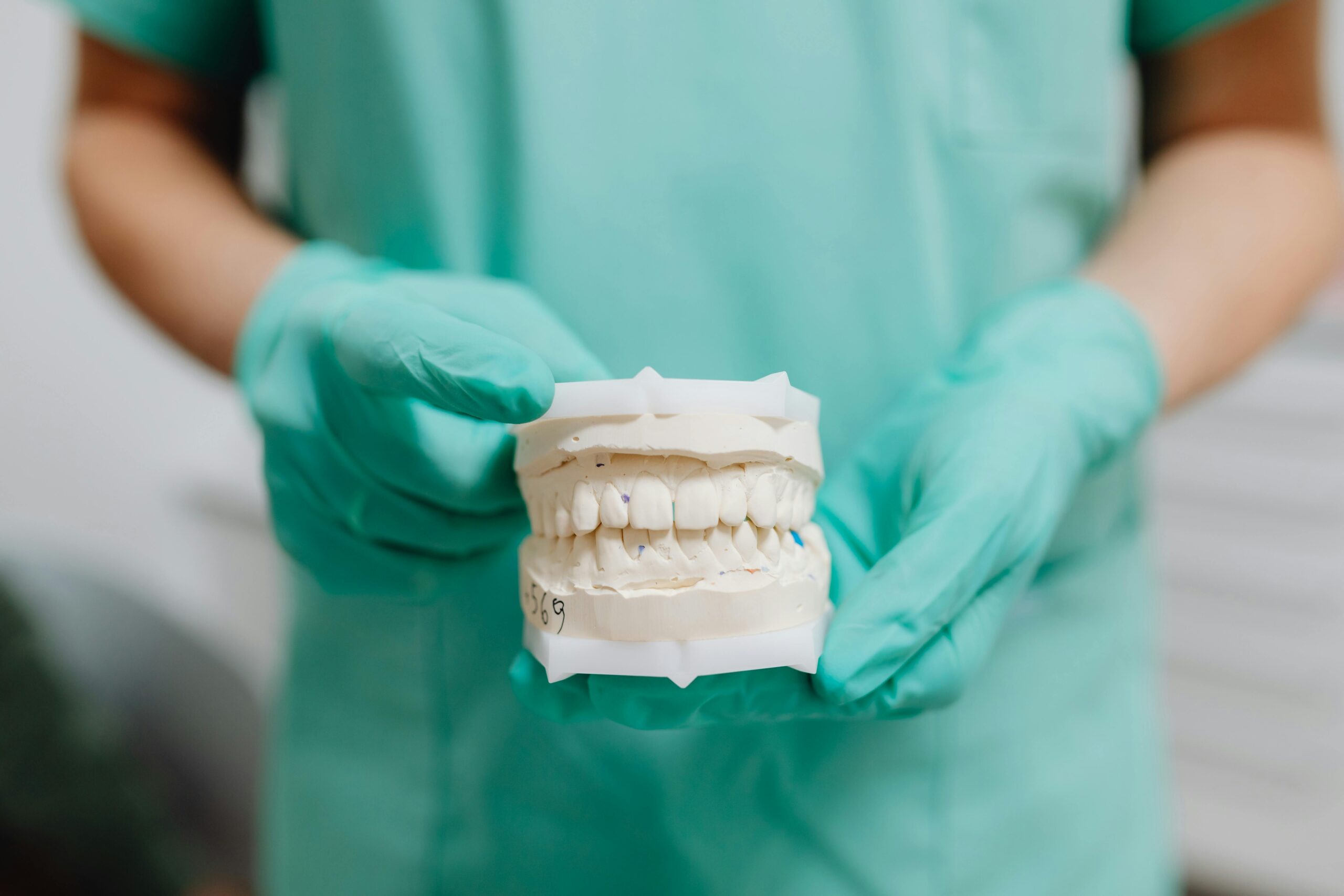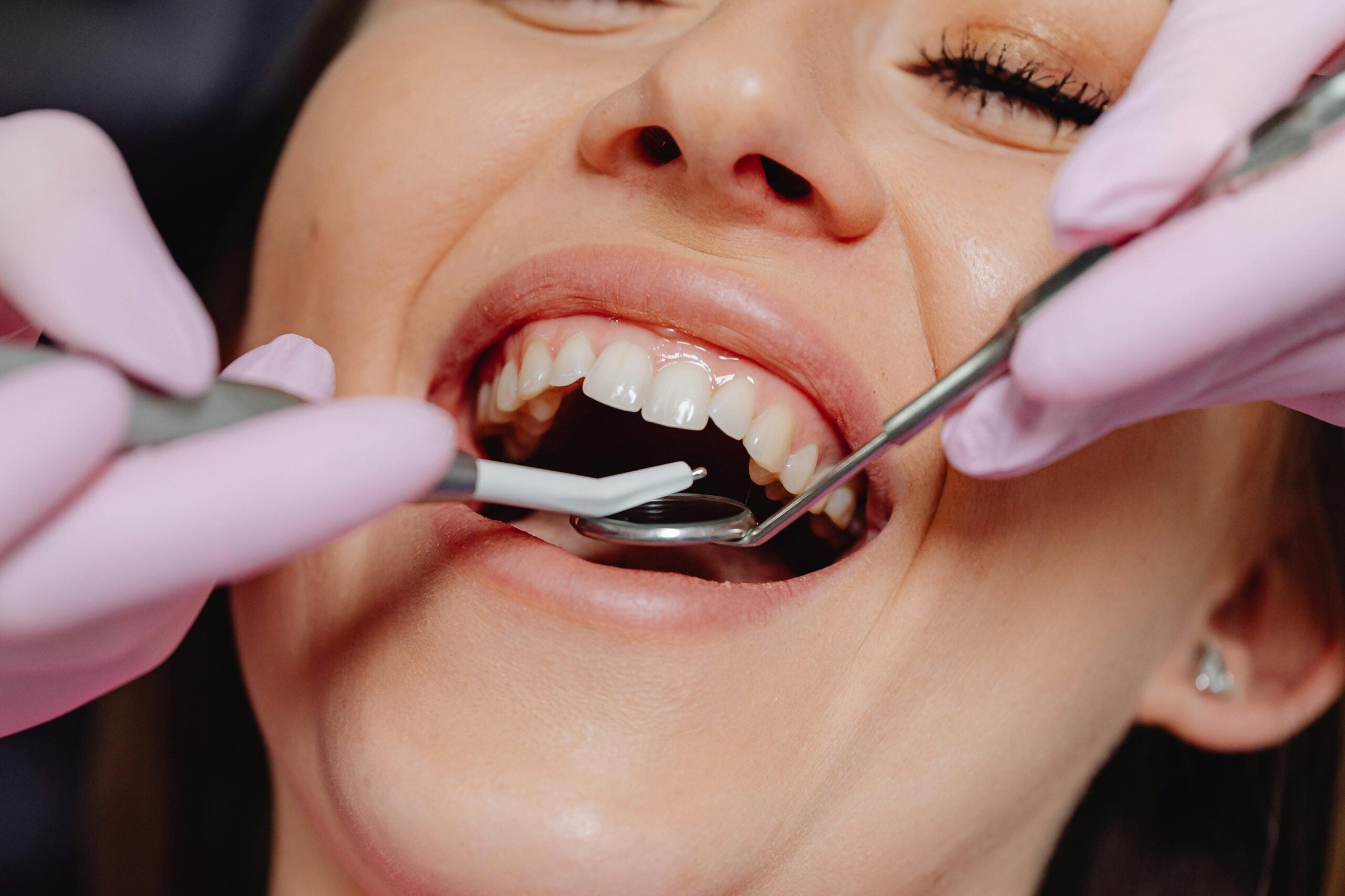

Understanding Inlays and Onlays
Inlays and onlays are custom-made restorations that repair teeth with moderate decay or fractures. An inlay fits within the grooves of a tooth, while an onlay also covers one or more cusps. They are stronger than a large filling, yet more conservative than a full crown. Patients often ask, are inlays and onlays worth it, especially when compared with other options.
Picture this: you bite a nut and a big old filling cracks. Inlays and onlays are designed from porcelain, composite, or sometimes gold, then bonded to the tooth to restore shape and strength. The process usually involves removing weak or decayed areas, taking a digital scan or impression, and placing a precisely shaped restoration. Because they are bonded, they can reinforce remaining enamel and help distribute chewing forces more evenly. This approach often allows the dentist to preserve more healthy tooth than a crown.
Choosing between a filling, inlay, onlay, or crown depends on how much tooth is missing, where the bite forces hit, and whether cracks are present. When damage is too extensive for a filling but a full crown would remove too much enamel, inlays or onlays can be a balanced choice. If the tooth is severely broken or weakened on all sides, a crown may be safer for long-term stability; you can learn more on our crowns and bridges page. Your dentist will also consider your bite, grinding habits, and the material best suited to your goals.
Good candidates include teeth with large cavities, failing big fillings, or limited cusp fractures that still have strong walls. People who clench may still benefit, but a night guard might be advised to protect the new restoration. With careful home care and regular checks, these restorations can perform well and feel natural. In the next section, we will compare how they stack up against fillings and crowns so you can weigh the trade-offs.
Conservative treatment that fits the problem often protects teeth best.
When to Choose Inlays or Onlays
Choose an inlay when decay or an old filling sits between the cusps and the surrounding walls are solid. Choose an onlay when a cusp is cracked, thin, or needs coverage to handle chewing forces. Deciding if inlays and onlays are worth it depends on damage size, bite stress, and how much healthy enamel we can preserve.
A popcorn kernel cracks a cusp mid-bite. Onlays are helpful in these cases because covering the cusp can reduce the risk of future fracture and spread chewing load more safely. Teeth that have had deep decay or will need a root canal treatment often benefit from cuspal coverage as well. In contrast, if the cavity stays within the chewing grooves and the cusps are thick, an inlay can restore form without removing extra enamel. This balance aims for strength with conservation.
Here are practical signs that guide the choice:
- Intact cusps and strong enamel walls point toward an inlay.
- Cracked, undermined, or missing cusps favor an onlay for protection.
- Heavy clenching or grinding often leans toward an onlay with cusp reinforcement.
- After deep decay close to the nerve, a reinforced onlay is commonly safer than a large filling.
- Shallow, cleansable margins support bonding; very deep margins may limit inlay or onlay success.
- Teeth with wide contact areas that need precise fit often do well with these custom restorations.
Moisture control also matters. If the area is hard to keep dry, bonding strength can drop and a different approach may be better. Very small chips or cosmetic edges may be handled with conservative dental bonding, while teeth broken on all sides may need a full crown. Your goals, bite pattern, and cavity risk shape the final decision.
Next, we will compare durability, tooth preservation, and maintenance so you can weigh trade-offs clearly. The right restoration, in the right spot, lasts longer.
Benefits of Inlays and Onlays
Inlays and onlays protect a damaged tooth while keeping more natural enamel. They strengthen weak areas, restore a smooth bite, and seal out decay with a precise fit. For many teeth that are too damaged for a filling, yet do not need a full crown, they offer a balanced solution. If you are weighing inlays and onlays worth it, these benefits often tip the scale.
You bite a hard seed and feel a corner chip. An onlay can cover and reinforce that cusp, spreading chewing forces across stronger tooth structure. Bonded placement links the restoration to enamel and dentin, which helps resist flex and future cracks. Because the preparation removes only the damaged parts, more healthy tooth is preserved for the long term.
Cleanliness and comfort matter too. Inlays and onlays are shaped outside the mouth, so contacts and contours can be very accurate, which helps reduce food trapping and makes flossing easier. Their margins often sit above the gumline, so they are easier to keep clean than deep fillings. That can support healthier gums and reduce plaque around the restoration.
They are also built for daily use. Modern ceramics and composites are wear resistant and can be color matched for a natural look. A well-made inlay or onlay can be adjusted, polished, or even repaired if a small chip occurs, which can extend service life without replacing the entire piece. Good outcomes depend on case selection, moisture control during bonding, and bite habits, so a night guard may be recommended for clenching.
For patients, the practical upside is strength with conservation, a comfortable bite, and smoother cleaning. In the next section, we will compare durability, tooth preservation, and maintenance with large fillings and full crowns so you can see how each option stacks up. Thoughtful choice now helps teeth last longer.
Inlays vs. Traditional Fillings
Traditional fillings are placed directly in the tooth during a single visit, and they work well for small to moderate cavities. Inlays and onlays are custom pieces made outside the mouth, then bonded in, and they are used when the damaged area is wider or a cusp needs coverage. In short, fillings are simpler for small repairs, while inlays and onlays add strength and precision for bigger defects.
A popcorn hull cracks a corner of a molar. In this situation, a large direct filling can flex the tooth as it shrinks during curing, which may stress thin cusps and edges. An inlay or onlay is fabricated to the exact shape, then bonded to reinforce the remaining structure. When a cusp is covered, chewing forces spread across stronger enamel, which lowers the chance of future fracture.
Margins and fit matter too. Because inlays and onlays are shaped on a model, the contacts and contours can be dialed in for smoother flossing and less food trapping. Their margins often sit where they are easier to keep clean, which can support gum health. Fillings, by contrast, are molded in a wet, variable mouth environment, so very large ones can be harder to contour and polish perfectly.
There are trade-offs. A filling is efficient, usually one visit, and is ideal when the cavity is small and the cusps are strong. Inlays and onlays typically take more steps, and bonding requires excellent moisture control for best results. Very deep margins below the gum can make bonding difficult, so a different approach may be better. If you grind your teeth, an onlay that covers weak cusps or a protective night guard may be advised.
For patients deciding if inlays and onlays worth it, the question is about size, strength, and long-term stability. Small problems often suit fillings, while larger but still contained damage benefits from a bonded inlay or onlay. Your dentist will weigh cavity size, bite forces, and gum position to guide the choice. The right match helps the tooth last longer with less stress.
How Onlays Outperform Large Fillings
Onlays often outperform large fillings when a tooth has wide damage or a weak corner. They cover and brace the chewing cusps, which helps prevent new cracks and spreads biting forces safely. Because they are made outside the mouth, their shape and contacts are precise, and bonding can strengthen what remains.
You bite an olive pit and feel a sharp snap. Very large direct fillings are cured inside the tooth, and as they harden, they shrink a little. That shrinkage can pull on thin walls, create stress, and open tiny gaps that allow leakage or sensitivity. An onlay is built to the final shape first, so only a thin cement layer sets, which lowers shrinkage stress inside the tooth. Less stress means less flex on already weakened cusps.
Coverage also matters. By capping weak cusps, an onlay turns several small stress points into one broad platform. Chewing loads spread across stronger enamel, which reduces the chance that a thin corner will split again. At the same time, an onlay can be more conservative than a crown, because sound walls and inner tooth structure are preserved. The lab or milled process also gives detailed grooves, smooth contacts, and polished margins that are kind to gums and easier to keep clean.
Who benefits most? Teeth with large cavities across the center, undermined cusps, or visible crack lines usually do better with cuspal coverage than with a big filling. People who clench place higher forces on back teeth; onlays, paired with a night guard, can protect against future breaks. If the problem is small and cusps are thick, a simple filling is still a smart choice. If damage wraps around the tooth, a crown may be safer long term. For patients wondering if inlays and onlays worth it, onlays often pay off when strength and conservation must both be met. Next, we will look at durability and everyday care to help you plan.
Material Options for Inlays and Onlays
The main materials for inlays and onlays are ceramic, composite resin, and gold. Ceramic offers high strength and natural color. Composite is kinder to opposing teeth and easier to repair. Gold is extremely durable and gentle on enamel, though it is visible.
You chew a granola cluster and feel a corner give way. Ceramics, often glass-ceramics, are hard and wear resistant, so they hold shape under chewing. They bond well to enamel when the field is dry, which helps support thin areas. Ceramics match tooth color, so they fit well in visible zones; very deep or wet margins can make bonding harder.
Composite resin inlays and onlays are slightly softer, which can absorb bite shock and be kind to opposing teeth. They can be repaired chairside if a small chip occurs, which keeps more of the original piece. Composites may wear and stain a bit faster than ceramic, so polish and maintenance matter. They are a practical choice when margins dip near the gums and a more forgiving interface is helpful.
Gold is time tested. It is malleable, which allows very accurate, smooth margins that are gentle to gums. Gold does not crack easily and is kind to opposing enamel, making it a good option for heavy grinders on back teeth. It usually needs a little more space and it shows, so it is used mostly where appearance is less critical.
Technique affects results as much as material. Laboratory studies show that steps like immediate dentin sealing or deep margin elevation can improve the fracture strength of teeth restored with indirect inlays when margins are deep [1]. Other in vitro work reports differences in fracture resistance between additively manufactured inlays and self-cure bulk-fill composites in endodontically treated premolars, underscoring that design and material choice matter [2].
For patients, the best pick balances looks, bite forces, gum position, and how easy it is to keep clean. If you are weighing inlays and onlays worth it, matching the material to your tooth and habits brings the most value. Next, we will look at durability and everyday care so you can plan confidently.
The Procedure for Inlays and Onlays
The procedure starts with numbing the tooth, then carefully removing decay and weak edges. The dentist shapes the area so an inlay fits inside the grooves or an onlay also covers thin cusps. A digital scan or impression is taken, and a temporary piece may be placed while the final restoration is made. At a second visit, the inlay or onlay is bonded in and the bite is fine-tuned.
You bite a crusty roll and feel a corner chip. First, we isolate the tooth to keep it dry, which helps bonding succeed. Only damaged areas are trimmed, and if a cusp is thin or cracked, the design is extended to cover it for strength. This conserves healthy enamel while preparing enough space for a durable restoration. Clear communication about goals and bite habits guides these choices.
Next comes capturing the shape. Some offices mill the piece the same day, while others use a lab with a short wait and a temporary. At delivery, the restoration is tried in, contacts are adjusted for smooth flossing, and the shade is confirmed. The tooth and restoration are then treated with primers, and a thin resin cement bonds everything together. Digital scanning and CAD/CAM fabrication can achieve high fit accuracy for ceramic inlays when measured in three dimensions [3]. If you feel anxious about treatment, ask about our oral sedation options.
After placement, mild cold sensitivity or a “new bite” feeling is common for a few days. Avoid very sticky foods for the first day while the cement fully sets, and floss by sliding out rather than popping upward. A quick follow-up may be scheduled to recheck the bite and polish edges. If you are wondering if inlays and onlays worth it, understanding these steps shows how they protect teeth while preserving structure. Good planning and precise bonding lead to long-lasting comfort.
Longevity of Inlays and Onlays
Inlays and onlays can last many years when they are well planned, well bonded, and cared for. Their service life depends on the material, the accuracy of the fit, your bite forces, and daily hygiene. With regular checkups and good home care, they often provide stable, comfortable function for the long term. Five years later, you may forget it is even there.
Longevity starts with design. An inlay strengthens the center of the tooth, and an onlay covers thin cusps to reduce flex and cracking. Because these restorations are fabricated to precise shapes, they can be bonded with a thin cement layer, which lowers internal stress and helps seals last. Practice-based clinical data document the longevity of CAD/CAM inlays and onlays and outline risk factors seen in everyday care [4]. Long-term follow-up has also shown durable wear behavior for leucite-reinforced ceramic inlays and onlays after 14 years in function [5].
Fit and margins matter over time. Smooth, well-sealed edges help keep plaque out, which protects the bond and the tooth underneath. Expert consensus highlights that marginal design and scanning accuracy influence the clinical longevity of ceramic restorations, reinforcing the value of precise preparation and digital workflows when appropriate [6]. Your habits play a role as well. Heavy clenching increases forces on cusps, so a night guard may be advised to reduce stress. Regular cleanings, fluoride, and treating any dry mouth can also limit new decay at the edges.
Deep or hard-to-dry margins can shorten lifespan because bonding is less reliable in those areas. If a tooth has very high decay risk or an untreated crack, the plan may shift to improve predictability. Small chips or wear can often be polished or repaired without replacing the entire restoration, which extends service life and preserves tooth structure. For patients weighing inlays and onlays worth it, longevity is strongest when case selection, bonding technique, and bite protection all line up.
Smart design, precise fit, and low plaque keep these restorations working for years.
Cost Considerations for Inlays and Onlays
Inlays and onlays usually cost more upfront than a large filling, and often less than a full crown. The value comes from how well they fit your tooth, how long they last, and how many future fixes they may prevent. Costs vary with material, tooth location, and the steps needed for strong bonding. Coverage differs by plan, so ask your insurer for specifics.
A molar with a cracked cusp needs more than a simple filling. An onlay can brace that weak corner and spread chewing force, which may lower the chance of another fracture and the need for a future crown. By preserving more healthy enamel than a crown, inlays and onlays also keep options open if you ever need repairs later. This conservative approach can reduce lifetime treatment on that tooth.
Material choice influences price and durability. Ceramic and gold often have higher lab costs but resist wear well, while composite can be more affordable and easier to repair, though it may need polishing or maintenance sooner. Case complexity matters too. Deep margins, replacing multiple surfaces, or adding steps to improve bonding can add time and cost. Some offices offer same-day milling, which can reduce time away from work, while lab-made restorations involve a short wait and a temporary.
Your bite and habits also affect long-term costs. Heavy clenching increases stress on back teeth, so a night guard may be advised to protect the restoration and the tooth. Good brushing, flossing, and regular cleanings lower the risk of new decay at the edges, which protects your investment. When you ask, are inlays and onlays worth it, think in terms of total cost over years, not just the day they are placed.
To plan wisely, request a written estimate with options for materials, expected lifespan, and any add-on steps your tooth may need. Talk about your bite, grinding, and esthetic goals so the plan matches real life. Small choices, like choosing a material that suits your chewing and keeping the margins clean, can pay off over time. Smart planning helps teeth, and budgets, do better.
Patient Experiences and Testimonials
Most patients describe inlays and onlays as comfortable and natural once the bite is adjusted. Numbing makes the visit easy, and mild sensitivity to cold sometimes shows up for a few days. After the final bonding, chewing usually feels solid and smooth. Many say flossing is easier than with a large, deep filling.
Two days after chipping a molar on a popcorn kernel. Early feedback often mentions a “new bite” feeling that fades as the tooth settles. The polished contours help food slide off, so less gets trapped. If a rough spot is felt with the tongue, a quick polish visit typically solves it. Patients also like that most of the healthy tooth was kept, which can feel reassuring.
Appearance matters to many. Ceramic or resin inlays and onlays can match tooth color closely, so the repair blends with your smile. People who grind often say the tooth feels stronger under pressure once a thin cusp is covered. When a night guard is suggested, patients report fewer morning aches and more confidence biting into firm foods. Clear aftercare, like avoiding very sticky foods for a day, helps the bond mature without issues.
Longer term, patients appreciate stability. They often forget which tooth was treated because it functions normally. If a small chip occurs, many can be polished or repaired without replacing the whole piece, which patients find convenient. Not every tooth is a candidate, though. When margins are very deep or it is hard to keep the area dry, dentists may recommend a different approach for predictability. Hearing these real experiences can help you decide if inlays and onlays worth it for your situation.
As you consider options, ask how the design will protect thin areas, where the edges will sit, and what to expect the first week. Simple, specific answers make recovery smoother and results more comfortable. Thoughtful planning leads to confident chewing and easy cleaning.
Evaluating Alternatives to Inlays and Onlays
Alternatives include direct fillings, full crowns, and, when a tooth cannot be saved, extraction with replacement. Small to modest cavities often do well with a direct composite filling. Very weak or heavily cracked teeth may need a full crown for complete coverage. Deep pain or a dead nerve may add root canal treatment before final restoration.
A hard candy chips a corner of a molar. If the damage is narrow and the cusps are thick, a direct filling can seal the area in one visit. When the defect is wide or a cusp is thin, a filling may flex and wear, so a partial-coverage restoration is considered. If cracks wrap around or multiple walls are thin, a full crown can brace the tooth on all sides. Your bite forces, cavity risk, and ability to keep the edges clean help guide the choice.
Sometimes the nerve is involved. In that case, root canal treatment removes infection, and the tooth usually needs cuspal coverage afterward for strength. If decay extends below the gum and the tooth cannot be restored predictably, extraction may be safest, followed by a thoughtfully planned replacement. Research also informs these decisions. Laboratory comparisons report differences in fracture resistance between indirect inlays and large bulk-fill composites in endodontically treated premolars, which highlights how design and material affect strength [2]. Clinical trials have evaluated onlays cemented with different resin cements over 18 months, showing that cement choice and technique are part of reliable outcomes [7].
If you are weighing inlays and onlays worth it, consider what each option protects. A direct filling is simple and conservative for small problems. An onlay preserves healthy enamel while covering weak spots. A crown offers full protection when walls are too thin. Ask where the margins will sit, how your bite will be managed, and what aftercare will look like. The best alternative is the one that keeps your tooth strong, cleanable, and comfortable over time.
Frequently Asked Questions
Here are quick answers to common questions people have about Inlays and Onlays: Are They Worth It? in Glendale, AZ.
- What are inlays and onlays?
Inlays and onlays are custom-made dental restorations used to repair teeth with moderate damage. An inlay fits within the grooves of the tooth, while an onlay covers one or more cusps. This makes them stronger than a regular filling yet more conservative than a full crown. They are bonded to the tooth, helping to reinforce remaining healthy enamel, and are typically made from materials like porcelain, composite, or gold. Choosing the right option depends on factors like damage extent and position.
- How do inlays and onlays differ from traditional fillings?
Traditional fillings are placed directly into the cavity in one visit and are suitable for small to medium imperfections. Inlays and onlays, however, are custom-made and bonded in a separate visit, making them ideal for larger areas or when a cusp needs extra reinforcement. They distribute chewing forces more evenly and fit precisely, often resulting in a longer-lasting solution.
- When should you consider an onlay?
Onlays are recommended when a tooth has a damaged cusp or when a restoration needs to cover the cusps to handle chewing stresses effectively. They are particularly valuable if the tooth is too damaged for a regular filling but still retains enough sound structure to avoid requiring a full crown. Onlays offer a protective layer, reducing further damage risk and distributing chewing force across broader sections.
- What are the advantages of using inlays or onlays over crowns?
Inlays and onlays preserve more of the tooth’s natural structure compared to crowns, which require more extensive reshaping. These restorations bond well to the tooth, enhancing its strength while maintaining a natural appearance. They are a great choice for moderate damage, enabling long-term durability and functionality with conserved tooth enamel.
- What factors influence the cost of inlays and onlays?
The cost of inlays and onlays is affected by the materials used (ceramic, composite, or gold), the complexity of the case, and whether additional procedures are needed for proper bonding. They generally cost more than direct fillings but less than full crowns, balancing long-term stability and conserving tooth structure. Dental insurance plans vary in coverage, so it’s advisable to check specifics with your provider.
References
- [1] The Influence of Deep Margin Elevation and Immediate Dentin Sealing on the Fracture Strength of Premolars Restored With Indirect Inlays: An In Vitro Study. (2025) — PubMed:40553010 / DOI: 10.1002/cre2.70161
- [2] Comparative evaluation of fracture resistance of endodontically treated premolars restored with additively manufactured inlays and self-cure bulk-fill composites. (2025) — PubMed:41003825 / DOI: 10.1007/s00784-025-06571-3
- [3] 3D evaluation of fit accuracy of different ceramic inlays using two digital measurement methods. (2025) — PubMed:41376302 / DOI: 10.1111/jopr.70079
- [4] Practice-Based Study on CAD/CAM Inlays, Onlays, and Crowns: Longevity and Risks. (2025) — PubMed:40376921 / DOI: 10.1177/00220345251332882
- [5] In Vivo Wear Analysis of Leucite-Reinforced Ceramic Inlays/Onlays After 14 Years. (2025) — PubMed:40805325 / DOI: 10.3390/ma18153446
- [6] Comparative Influence of Marginal Design and Digital Scanning Accuracy on the Clinical Longevity of Ceramic Restorations: An Evidence-Based Approach. Consensus Statement From SSRD, SEPES, and PROSEC Conference on Minimally Invasive Restorations. (2025) — PubMed:40186389 / DOI: 10.1111/jerd.13474
- [7] Clinical performance of indirect hybrid ceramic onlay restorations cemented with injectable resin composite versus dual-cure resin cement: an 18-month randomized clinical trial. (2025) — PubMed:40988059 / DOI: 10.1186/s12903-025-06903-5