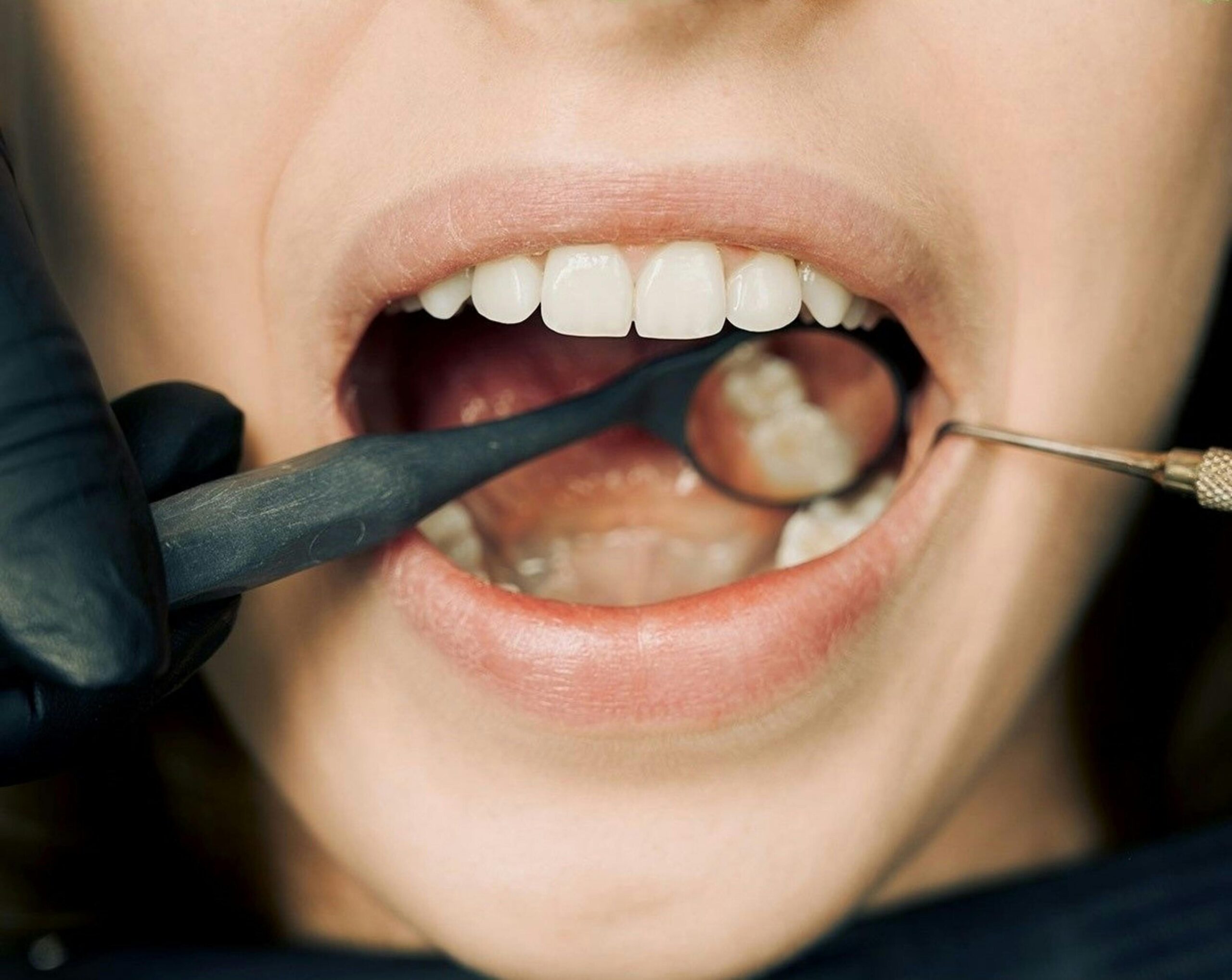
Understanding Metal Allergies in Dentistry
Metal allergy is your immune system reacting to metal components in dental work, such as crowns, braces, or implants. It can cause mouth burning, redness, or lichenoid patches near the metal. Most people never develop problems, but planning is important if you have a known metal sensitivity. A patient notices cheek irritation next to an old metal crown.
Most metal reactions in the mouth are delayed contact allergies. Tiny metal ions can release from alloys, bind to proteins, and trigger T-cells, which leads to local inflammation. Nickel is a common trigger; cobalt, chromium, and palladium may also play a role. Immediate, IgE-type reactions to metals are rare in dentistry. History matters, so past rashes from jewelry or belt buckles are a helpful clue. Patch testing may be used, but it does not always predict how a fixed dental device will behave in the mouth [1].
If symptoms point to a specific restoration, the plan often starts with removing or replacing the suspected metal and choosing an alternative material. Options include high-noble alloys, ceramics, zirconia, or composite, selected to fit bite, esthetics, and allergy concerns. For teeth that need coverage, we can discuss ceramic-focused approaches within our crowns and bridges solutions. For implants, true allergy to titanium appears rare but is reported. Evidence does not support routine pre-implant allergy testing for everyone; targeted testing may help when there is a strong history of metal sensitivity [2].
- Tell your dentist about reactions to jewelry or watches.
- Note any mouth sores or burning next to metal work.
- Bring records of prior patch tests, if available.
- Ask about ceramic or zirconia alternatives when appropriate.
Your care plan should balance comfort, function, and materials that fit your history. If you are considering full-arch implants and have sensitivity concerns, review materials and workflows discussed in our full-arch implant solutions. Clear communication and thoughtful material selection reduce risk and support long-term success.
Identifying Symptoms of Metal Sensitivities
Metal sensitivity in the mouth usually shows up where tissue touches a specific metal restoration or device. Common signs are burning, soreness, redness, or a lace-like white patch on the cheek or gums right next to the metal. Symptoms often begin days or weeks after a new crown, filling, clasp, or orthodontic wire is placed, and may flare after polishing or adjustments. You feel a persistent burn on one cheek right beside a metal filling.
Because most reactions are delayed contact hypersensitivities, the pattern is usually local and one-sided. The area may look shiny and red with thin white lines, or show a flat, mixed red-white patch called a lichenoid contact lesion. Some people notice a metallic taste, mild swelling of the gum collar around a crown, or irritation under a partial denture clasp. Lips or skin just outside the mouth can itch where they repeatedly touch the metal.
Certain clues help separate sensitivity from other common problems. Allergic patterns tend to match the outline of the suspect restoration, improve when the metal is covered temporarily, and persist despite good cleaning. Problems that point elsewhere include a sharp edge causing a pressure sore, plaque-related gingivitis that improves quickly with hygiene, zapping sensations between dissimilar metals, or a yeast coating that wipes off. Burning mouth syndrome, by contrast, causes widespread burning without obvious surface changes.
Track timing and location carefully. Note when the symptom started, which restoration it touches, and whether spicy or acidic foods make it worse. Take clear photos if a patch changes day to day, and write down any history of skin reactions to jewelry or watches. If a sore spot lasts more than two weeks, or bleeding and redness persist next to one metal area while the rest of your mouth is calm, schedule an evaluation. Recognizing patterns is the first step in addressing metal allergies in dentistry and guides safe material choices in the next phase of care.
Materials Used in Biologic Dentistry
Biologic dentistry focuses on materials that are durable, well tolerated, and as inert as practical. Common choices include metal-free ceramics such as zirconia and glass‑ceramics, modern composite resins, and glass ionomer cements. When metal is needed, high‑noble alloys and titanium are often selected because they resist corrosion and limit ion release. You ask what materials we can use if you react to certain metals.
Ceramics are frequently the first option for people with sensitivity concerns. Zirconia is strong, stable, and does not rely on nickel, cobalt, or chromium. Glass‑ceramics offer excellent esthetics for front teeth. Composites can restore small to medium defects, and careful bonding, thorough light curing, and polishing reduce residual monomers at the surface. Glass ionomer cements bond chemically to tooth, release fluoride, and contain no metal; they can be used alone in select areas or as a base under other materials.
When a metal component is necessary, the goal is to minimize corrosion and mixed‑metal contact. High‑noble alloys, with more precious metal content, tend to release fewer ions than base‑metal alloys that include nickel or cobalt. Titanium is the standard for many implants because its oxide layer helps resist breakdown in saliva. In select cases, zirconia implant components may be considered. Good design, smooth finishing, and avoiding dissimilar metals next to each other help reduce galvanic effects.
Appliances and removable options also allow metal‑light planning. Partial dentures can use titanium frameworks or polymer clasp designs to avoid nickel‑containing clasps, depending on bite forces and esthetic needs. Clear aligners and ceramic brackets can reduce exposure to nickel from conventional wires, though treatment goals guide any orthodontic choice. For cosmetic improvements that avoid metal entirely, thoughtfully planned ceramic restorations, including conservative veneer techniques, can be considered; see our overview of ceramic veneer options for material examples.
Material selection is individualized, based on history, exam findings, and the specific tooth or appliance. If you have known metal allergies in dentistry, tell us what has caused problems before, and we will map choices to your goals and risks. The right material in the right place supports comfort and long‑term function.
Testing for Metal Allergies
Testing starts with a careful history, an exam, and matching symptoms to a specific restoration. Many cases are best confirmed by a simple clinical trial, such as temporarily covering or replacing the suspected metal and watching for improvement. Skin patch testing can identify sensitization to metals like nickel, cobalt, chromium, palladium, or gold. Blood-based tests are sometimes considered when patch testing is not possible or titanium is in question.
You had a rash with cheap earrings and now a cheek patch appeared near a crown. That clue, plus a lesion that mirrors the outline of a restoration, often guides the first step. A dentist can smooth sharp edges, improve hygiene, or place a temporary non-metal cover over the suspect area. If symptoms calm after the metal is isolated, the information is practical and directly helps with material choices.
Patch testing is done on the skin, usually read at 48 to 96 hours. A positive result means your immune system recognizes that metal, but it does not prove the metal in your mouth is causing the current problem. False negatives and irritant reactions can occur, so results are interpreted alongside your mouth findings. Patch testing helps most when you have a strong history of jewelry reactions, a new lesion near a metal restoration, or you are planning treatment that might use significant metal.
Blood tests, such as lymphocyte transformation testing, look for T-cell activation to specific metals. These can be considered when patch testing is inconclusive or contraindicated, or when titanium is the concern. Labs and cutoffs vary, so results should not stand alone. In all cases, the most reliable test is whether the tissue heals after the suspected source is changed.
Good testing leads to a clear plan. We combine your history, focused testing when appropriate, and a stepwise clinical trial to confirm cause. Then we select materials that fit your goals and reduce risk. This approach keeps metal allergies in dentistry manageable and helps you move confidently to treatment. One clear answer guides safer choices.
Evaluating Patient History and Sensitivities
We evaluate your history and sensitivities by asking focused questions, examining your mouth, and reviewing prior records. We connect symptoms to specific dental materials and timing, then consider simple trials to confirm the cause. Any past test results or material documentation helps us choose safer options.
We start with your skin and jewelry history. Tell us about rashes from earrings, watches, or belt buckles, and any piercings that reacted. Then we review your dental timeline, including when each crown, filling, orthodontic wire, or partial denture was placed. We note exactly when the mouth change began, and what makes it better or worse. A real-world moment: a gum patch flares two days after polishing a metal crown. Occupational exposure to metals, such as machining or hairstyling, also matters. We record any prior patch tests and which metals were positive. This foundation narrows likely culprits in metal allergies in dentistry.
Next, the exam looks for patterns that support or contradict allergy. We check if redness or a white patch mirrors the outline of a specific restoration, and whether nearby tissues without metal look calm. We also rule out confounders. Sharp edges, plaque, dry mouth, friction, yeast, or zapping between mixed metals can mimic allergy. Early steps often include smoothing roughness, improving cleaning, and placing a temporary nonmetal barrier or cover over the suspect area. If tissues improve with these changes, the information is practical and guides the next move.
Good documentation supports decisions. We request alloy certificates from the lab, note exact tooth numbers and materials, and take photos to track change. During evaluation, we avoid adding new metals that could blur the picture, and we prioritize the least invasive step first. If risk is high, we discuss targeted testing and plan alternatives before complex care. For visit planning or questions, please see our current hours. One organized history leads to safer, calmer care.
Choosing Safe Dental Materials
Safe choices start with your history, the specific tooth, and how the material behaves in the mouth. When possible, we favor metal‑free options like zirconia or glass‑ceramics. If metal is needed, we choose low‑corrosion alloys or titanium and avoid mixing dissimilar metals in one area. A short trial, such as a temporary cover, can confirm comfort before making a final restoration.
You need a new crown after a nickel rash from jewelry. For full‑coverage restorations, zirconia offers strength with minimal ion release, and glass‑ceramics provide esthetics for front teeth. Smooth finishing and proper polishing help tissues stay calm by reducing plaque retention around margins. If a metal substructure is required, high‑noble alloys are preferred because they resist corrosion better than base‑metal options. We also match cements and bonding steps to the material to support a durable, well‑sealed result.
For implant therapy, the priority is a stable, corrosion‑resistant system with as few different metals as practical. Titanium remains common because of its protective oxide layer; in select cases, zirconia components may be considered when sensitivity is a concern. With removable partial dentures, nickel‑containing clasps can be avoided by using titanium frameworks or carefully designed polymer clasps when bite forces allow. If you are comparing design paths, see examples of metal‑light partial denture designs within our partial denture planning overview.
Small repairs and conservative treatments can often remain fully metal‑free. Modern composite resins and glass ionomers work well for many cavities and margins, and they can be adjusted or replaced if a spot remains irritated. For minor chips or edge reshaping, thoughtfully placed resin can avoid introducing a new metal altogether; explore material possibilities in our tooth‑colored bonding repairs resource. This tiered approach supports comfort for people with metal allergies in dentistry.
We will document materials, limit mixed‑metal contact, and stage care so each step is tested before the next. This keeps choices clear and reduces risk. Thoughtful selection supports long‑term comfort.
Alternatives to Traditional Metals
Several reliable options can replace traditional nickel‑ or cobalt‑based dental metals. Metal‑free ceramics, modern tooth‑colored resins, and carefully selected titanium or high‑noble alloys can meet most needs. The right choice depends on the tooth, bite forces, esthetics, and your allergy history. We match materials to the job so tissues stay calm and function lasts.
For fillings and crowns, monolithic ceramics are a mainstay. Zirconia offers high strength for back teeth, while glass‑ceramics provide lifelike esthetics in the front. Inlays and onlays can also be made from ceramics to avoid metal entirely. When a tooth needs a post after a root canal, fiber‑reinforced composite posts are a good alternative to stainless steel. These choices reduce ion release and avoid mixed‑metal contact, which helps limit irritation in sensitive mouths.
For implants and dentures, planning focuses on corrosion resistance and minimizing dissimilar materials in one area. Titanium implants remain common because of their stable oxide surface; in selected cases, zirconia implant components may be considered. If a removable partial denture is needed, titanium frameworks or carefully designed polymer clasps can avoid nickel‑containing clasps while still providing support. For full‑arch solutions, hybrid designs can prioritize ceramic and polymer surfaces near tissues; you can explore our removable implant denture options for examples of metal‑light approaches.
Orthodontic care also has alternatives. Ceramic brackets reduce exposed metal on teeth, and clear aligners can move teeth without brackets or wires. You want straighter teeth without metal brackets. When aligners fit your goals and bite, they offer a path that avoids nickel exposure from conventional wires; see our overview of clear aligner orthodontics for planning considerations.
Across all categories, success comes from good design and finishing. Smooth margins, compatible cements, and avoiding mixed‑metal pairs reduce corrosion and galvanic effects. We also stage care when needed, using temporary covers or provisional restorations to confirm comfort before final work. If you have known metal allergies in dentistry, these alternatives allow us to tailor care without sacrificing strength or esthetics. Thoughtful planning makes sensitive mouths easier to treat.
The Role of Biocompatibility Testing
Biocompatibility testing helps predict how your body will respond to dental materials before they are used. It guides safer choices when you have a history of reactions, complex treatment ahead, or unexplained tissue changes near a restoration. Before a new crown, you ask if materials will irritate your mouth. Testing, paired with a careful exam, reduces guesswork and supports a calm, durable result.
There are two levels to consider. First, manufacturers test materials for general safety using established standards, which screens for toxicity and irritation under typical use. Second, individual testing looks at your personal sensitivity. For metals, that may include skin patch testing to common allergens and focused in‑office trials, such as isolating or temporarily replacing a suspect restoration to see if tissues improve. For nonmetal items like resins or cements, we often rely on clinical trials and stepwise placement, since standardized patient tests are limited.
Results need context. A positive skin patch test shows sensitization, not proof that a specific crown is causing your symptoms. Blood‑based reactivity tests can add information when patch testing is not possible, but methods vary, so no single result should drive a major decision by itself. The mouth is a wet, electrically active environment, and saliva, plaque, and mixed‑metal contact can increase ion release. Because of that, we combine test results with what we see clinically, including how tissues respond when a surface is smoothed, a metal is covered, or a different material is tried.
Good planning uses testing to narrow safe options, then confirms comfort with small, reversible steps. We may start with a temporary cover or provisional made from the intended material and watch the tissue response over days to weeks. If the area stays calm, we proceed; if not, we adjust before final work. This measured approach is especially helpful for people concerned about metal allergies in dentistry or those starting multi‑step care like implants or several crowns. Used wisely, biocompatibility testing turns uncertainty into a clear, patient‑specific plan. One careful step at a time keeps treatment safe.
Consultation and Patient Communication
A good consultation makes space for your story, your goals, and clear next steps. We listen first, then explain what we see and how it fits your symptoms. Together we choose a simple, stepwise plan that checks comfort before any major change. You bring a list of past jewelry reactions and ask if a new crown is safe.
The visit starts with your priorities, such as pain relief, appearance, or keeping a specific tooth. We review your timeline, materials used in past work, and any patterns you noticed at home. Photos or notes help us connect symptoms to a location in the mouth. After the exam, we summarize findings in plain language and outline uncertainties so you know exactly what is known and what still needs testing.
Shared decision making is the core. We discuss options, including doing nothing for now, trying a temporary cover, or replacing a suspected material. For each choice, we explain expected benefits, possible downsides, and what success would look like. If testing is useful, we describe how patch testing or a focused in‑mouth trial would guide choices, and how we will judge results over days or weeks. We also document materials, request alloy information from the lab when needed, and agree on a follow‑up date so communication stays open.
Preparation improves the visit. Bring a medication list, note any skin or jewelry reactions, and capture clear photos of changing spots. Tell us about work or hobbies that expose you to metals, and what foods or products seem to trigger flares. If dental anxiety makes discussion or testing difficult, we can plan supportive steps, including gentle oral sedation options when appropriate. You will leave with written instructions that explain home care, what to monitor, and when to call.
Clear communication turns a complex topic into a manageable plan. Your questions guide the visit, and each step is explained before it starts. This approach keeps care coordinated, reduces surprises, and supports safe choices for people concerned about metal allergies in dentistry. One clear plan lowers stress and improves outcomes.
Future Trends in Dental Materials
Future trends in dental materials focus on safer, more stable choices that work well in the mouth. Expect more ceramic‑centered solutions, smarter surface treatments for metals, and better ways to test compatibility before use. These changes aim to reduce ion release, improve comfort, and support long‑term function.
A patient with a nickel rash asks which materials are safest next year. Ceramics are advancing in strength and fit, so more crowns and bridges will be made from monolithic zirconia or refined glass‑ceramics. Newer processing and polishing methods seek smoother surfaces that hold less plaque and stay kinder to gums. Adhesives are also improving, with techniques that reduce unreacted resin at the surface, which may help sensitive tissues. Together, these steps favor materials that are both durable and quiet in the mouth.
When metal is needed, innovation targets the surface. Titanium implants and abutments will continue to use engineered textures and coatings that support bone attachment while limiting corrosion where metal meets saliva and tissue [3]. Ceramic abutments and hybrid designs are being refined to place more inert surfaces near soft tissue. Clinically, the goal is simple: fewer dissimilar metals in one area and less ion release over time. Research activity mirrors this push, with continued growth in work on ceramics, composites, and digital processing methods that improve accuracy and stability [4].
Personalization is also growing. Expect clearer documentation of exact material ingredients, digital lab records that follow a case, and chairside trials that preview tissue response before final work. Three‑dimensional printing is expanding for guides and provisional restorations, and research is exploring printable ceramics and nickel‑free components for orthodontics and partial dentures. In addition, future tools may help monitor corrosion and biofilm at the surface, guiding maintenance and material changes earlier. For people concerned about metal allergies in dentistry, these advances point toward safer choices, simpler testing, and restorations designed to stay calm over years. One careful plan today supports better options tomorrow.
Frequently Asked Questions
Here are quick answers to common questions people have about Metal Allergies and Dentistry: Navigating Choices in Glendale, AZ.
- What are common symptoms of metal allergies in the mouth?
Common symptoms of metal allergies in the mouth include a burning sensation, soreness, redness, or a white lace-like patch on the cheek or gums near a metal device or restoration. These symptoms often appear days or weeks after a new dental restoration is placed, such as a crown or orthodontic wire. Some individuals may also experience a metallic taste or mild swelling around the affected area. Noticing these patterns can help in diagnosing metal sensitivity and addressing it with suitable alternatives.
- What metals are typically involved in dental allergies?
Common metals involved in dental allergies include nickel, cobalt, chromium, and palladium. These metals can trigger allergic reactions when they release tiny metal ions that provoke the immune system. Sensitivity to these metals often mirrors previous reactions to jewelry, such as earrings or belt buckles. Understanding which metals might cause problems can guide the choice of safer dental materials that are less likely to cause allergic reactions.
- How is metal allergy testing conducted for dental patients?
Metal allergy testing for dental patients often starts with a detailed history and examination. Patch testing on the skin may be used to detect sensitivity to specific metals, like nickel or cobalt, and is usually read after 48 to 96 hours. For patients with titanium concerns, blood-based tests might be considered. While tests indicate sensitivity, the most reliable method involves observing improvement after isolating or replacing the suspect metal in the mouth.
- What alternatives exist to traditional metals in dentistry?
Alternatives to traditional metals include metal-free ceramics like zirconia and glass-ceramics, modern composite resins, and glass ionomer cements. Zirconia is particularly popular for its strength and stability, while glass-ceramics offer excellent esthetic qualities. These materials do not contain nickel, cobalt, or chromium, making them ideal for patients with metal sensitivities. These choices help reduce metal exposure and potential allergic reactions.
- How can dental patients minimize the risk of metal allergies?
Patients can minimize the risk of metal allergies by informing their dentist about past reactions to jewelry or other metals. Choosing materials that are less likely to provoke allergies, such as ceramics and titanium when needed, can also help. Additionally, avoiding mixed-metal restorations and considering temporary coverings to test reactions can reduce risk. For guidance on avoiding metal allergies, consider discussing dental material options with your dentist.
References
- [1] New insights on metal allergy in total joint arthroplasty. (2020) — PubMed:33739017
- [2] Allergies to Titanium Dental Implants: What Do We Really Know about Them? A Scoping Review. (2020) — PubMed:33217944 / DOI: 10.3390/biology9110404
- [3] The dental implant surface: a review of the past, present and future. (2026) — PubMed:41519933 / DOI: 10.1007/s10856-025-06997-x
- [4] 41 Years of Dental Materials (1985-2025): A Metrics-Based Perspective on Publication Trends. (2026) — PubMed:41529971 / DOI: 10.1016/j.dental.2026.01.002