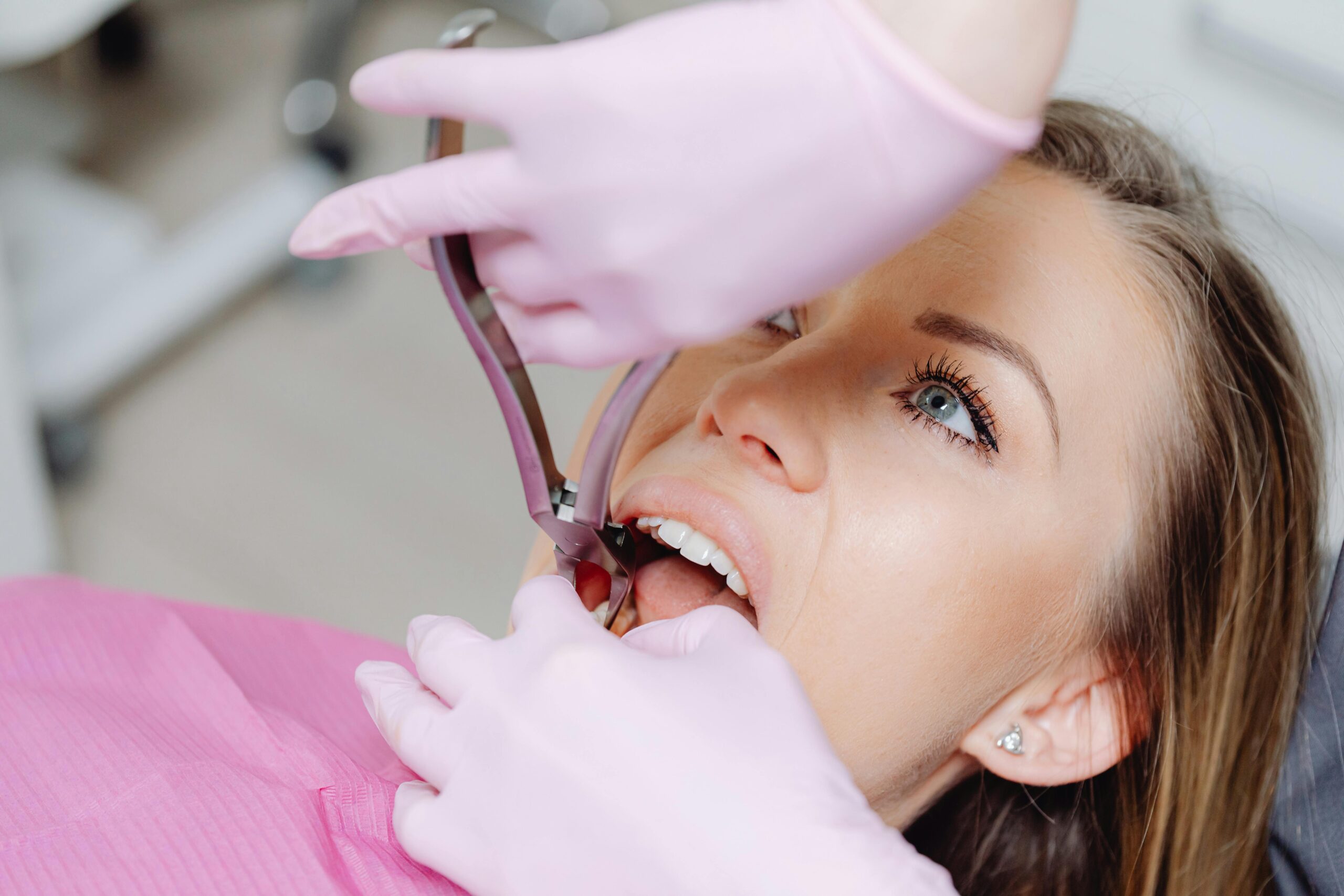
Understanding Minimally Invasive Techniques
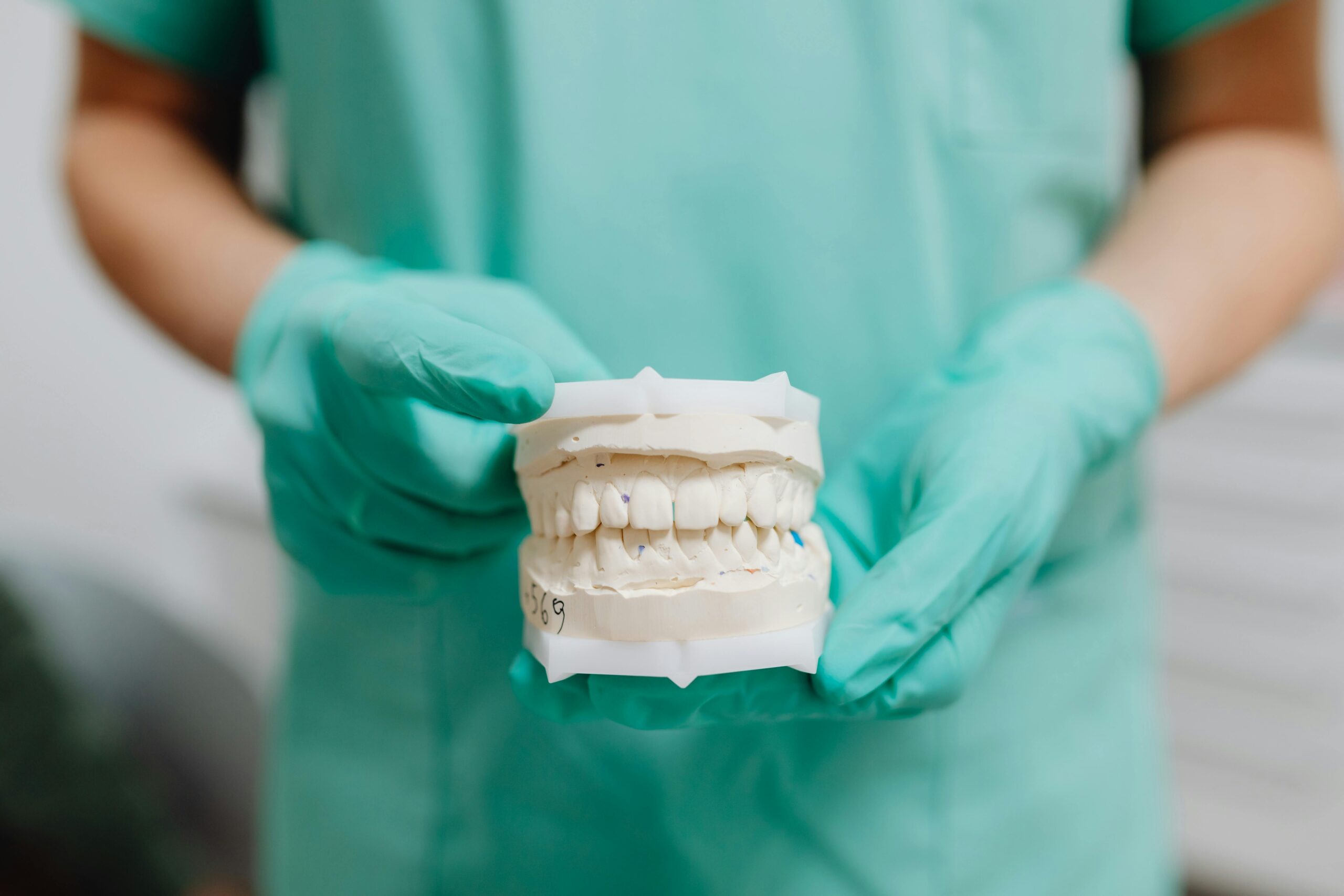
Minimally invasive techniques remove a tooth while protecting the surrounding gum and bone. The goal is simple, less tissue trauma and a smoother recovery. Dentists use small, precise instruments and controlled movements, often sectioning the tooth so the socket stays intact. This approach fits many routine extractions and supports future restorative options.
Picture this: you chip a molar and it cannot be saved. With minimally invasive tooth extraction, we plan the removal so forces stay on the tooth, not the bone. Pre‑operative imaging guides where to release the ligament and, if needed, where to section the tooth. This is especially helpful for complex cases like impacted molars; learn more about our approach to wisdom tooth removal.
- Numbing the area so you stay comfortable.
- Gently releasing the periodontal ligament around the root.
- Sectioning the tooth into smaller pieces when it reduces stress on bone.
- Controlled elevation to deliver the tooth with minimal force.
- Socket care, sometimes with a small graft if preservation is planned.
- Small sutures only when they help protect the site.
These steps aim to preserve the thin bony walls that frame your tooth. Keeping that structure can make future implants or bridges easier and more predictable. Less soft‑tissue stretching usually means less swelling and stiffness, and a simpler home‑care routine. Comfort matters as much as precision, so we pair technique with calming options such as oral sedation when appropriate.
Not every tooth needs all these steps, but the mindset stays the same, use the least force necessary and respect the tissues. If you are planning treatment or arranging time off, check our current hours. Next, we will look at who is a good candidate and how we plan your visit. Gentle, precise care helps protect your smile.
Benefits of Tissue-Respecting Extractions
Tissue-respecting extractions protect the gum and bone that frame your teeth. This gentler approach often means less swelling, less soreness, and quicker healing. By preserving the socket shape, it also supports easier, more predictable future restoration. In short, comfort improves while important anatomy stays intact.
Picture this in real life: a cracked premolar that must come out. With minimally invasive tooth extraction, forces stay focused on the tooth, not the socket walls, so the thin bone around the root is not stretched or crushed. Keeping that bone stable helps maintain the natural gum contour and papilla between teeth. A more stable socket usually forms a stronger initial blood clot, which supports organized healing. Patients often find home care simpler when tissues are not extensively manipulated.
Preserving bone height and thickness can make immediate or later tooth replacement more straightforward. When the ridge stays close to its original form, provisional restorations sit more naturally, and the final margin design is easier to refine. This can help whether you plan an implant later or prefer a conventional solution such as a future crown or bridge. Maintaining soft-tissue architecture also supports better esthetics in the smile zone. The overall goal is fewer surprises and smoother steps from extraction to restoration.
For single teeth, gentler removal can shorten appointments and reduce the need for sutures. For multiple teeth, careful sequencing protects the ridge, which helps when planning immediate temporaries or evaluating full-arch options. If you are considering a comprehensive solution, preserved bone and gums can aid planning for full-arch implant solutions. A small change in technique today can protect choices for tomorrow.
How Minimally Invasive Procedures Work
These procedures remove the tooth while disturbing as little gum and bone as possible. The dentist plans the path of removal, then uses small, precise instruments to loosen the ligament around the root. Forces are directed onto the tooth, not the socket walls, and roots may be sectioned so they slide out with less pressure. In short, minimally invasive tooth extraction aims to protect the ridge and support easier healing.
Think of a molar with curved roots near the sinus. Planning begins with careful imaging to map root shape and nearby anatomy, then a flapless approach is chosen when safe. Slim instruments release the periodontal ligament in a controlled pattern, creating a tiny pathway for movement. The tooth is elevated along its long axis, and multi‑rooted teeth are divided so each piece clears with minimal force. Small, steady motions replace squeezing or twisting that might stress thin bone.
This gentle method preserves the blood supply to the gum and the thin bone that frames the socket. Less manipulation means a more stable blood clot, which helps organize early healing and can reduce the need for sutures. Because the socket shape stays closer to normal, planning future restoration is more predictable. When a tooth is restorable, it is often better to save it; learn about options like modern root canal therapy before deciding on removal.
Comfort and control are built into each step. Local anesthesia numbs the area, and gentle technique reduces stretching of tissues, which can lessen swelling and stiffness. For patients who want more support, we can discuss deep sedation care when appropriate and safe. Next, we will look at who benefits most from this approach and how we plan your visit so you know what to expect. Preserving tissue today protects choices tomorrow.
Comparison with Traditional Tooth Extractions
Traditional extractions use leverage to move the whole tooth out at once, which can stress the thin bone and gum. Minimally focused techniques use smaller, targeted steps to loosen the ligament and, when needed, divide the tooth so it comes out with less force. Both methods aim to remove the tooth safely, but the tissue impact and recovery feel different. In short, the gentler approach prioritizes preserving the socket’s shape.
After a weekend injury, a front tooth must come out. In a traditional approach, the dentist may reflect more gum tissue and rely on broad force with forceps and elevators. If resistance is high, a small amount of bone may be removed to widen the pathway. With minimally invasive tooth extraction, the dentist first releases the periodontal ligament in a controlled pattern, then sections roots so each segment slides out with less pressure. The goal is the same result, fewer unintended stresses on the surrounding bone and gum.
These differences affect how the site heals and what comes next. When the socket walls stay intact, the blood clot has stable support and the ridge tends to keep a more natural contour. This can simplify immediate temporaries and improve planning for later replacement, including options like snap-in implant denture solutions. Traditional techniques still have a place, especially for teeth fused to bone, severe infection, or when visibility is limited. Many dentists blend methods, choosing the least force needed for each step.
For patients, the comparison often shows up as comfort, swelling, and how easily the site is kept clean. Less stretching of tissues usually makes home care simpler and can reduce the need for sutures. On the other hand, straightforward single-rooted teeth may be removed quickly with a traditional, yet gentle, approach. The right method depends on tooth anatomy, nearby structures, and your restorative plan. Next, we will outline who benefits most from each approach and how we plan your visit. Small differences in technique can lead to smoother healing.
Healing Process After Extractions
Healing starts as soon as the tooth is removed. A blood clot forms in the socket within minutes, which protects the bone and nerves underneath. Swelling often builds over the first 48 to 72 hours, then eases as tenderness fades. Soft tissue usually closes in one to two weeks, and the deeper bone gradually fills over several months. With minimally invasive tooth extraction, tissues are disturbed less, so recovery often feels smoother.
You have a sore molar removed on Friday morning. First, the clot stabilizes and becomes early granulation tissue. Over days, new blood vessels and collagen form, creating a firm base for bone growth. Less stretching of gums and less pressure on thin socket walls help preserve the local blood supply, which supports each step of healing. If sutures are placed, they are small and used only to protect the site, not to pull tissues tight.
Symptoms follow a predictable pattern. Mild oozing may occur the first day, then swelling peaks by day three and stiffness of the jaw can appear. Ice and head elevation are often recommended for the first day, then gentle motion helps stiffness improve. As the gum seals, brushing and rinsing are guided around the area so the clot is not disturbed. Your dentist will provide specific instructions tailored to the tooth position, any grafting, and your health history.
Planning for the next step happens during healing. In the front of the mouth, temporary options protect your smile while tissues mature. In the back, the focus is on forming a stable ridge for future replacement. If a removable option is part of your plan, your dentist will time impressions and adjustments so new acrylic rests on healed tissue; learn more about how partial dentures fit after healing. For implants, bone remodeling is considered when choosing the ideal placement window. We will also track comfort and function at your follow-up visit. Next, we will outline who is a good candidate and how we plan timing for replacement.
Factors Influencing Recovery Time
Recovery time after an extraction depends on the difficulty of the removal, your overall health, and how closely you follow aftercare. You had a lower molar out before a busy work week. Less tissue trauma usually means less swelling and quicker comfort, while infection or heavy manipulation can add days. Most people feel steady improvement after the first 72 hours when swelling peaks.
Surgical factors come first. Teeth that need bone removal, wider gum reflection, or long procedures tend to swell more and feel sore longer. Curved or brittle roots, deeply impacted teeth, and lower molars near dense bone can extend healing. With minimally invasive tooth extraction, forces stay on the tooth rather than the socket walls, which often shortens the sore phase by limiting tissue stress.
Your health matters too. Smoking reduces blood flow and raises the risk of dry socket, which delays comfort and requires extra visits. Uncontrolled diabetes, anemia, and poor nutrition slow early tissue repair. Certain hormones and medicines, including some contraceptives and steroids, can affect clot stability or inflammation. Blood thinners change bleeding patterns, so instructions are adjusted to protect the clot without compromising safety.
Local conditions also guide timing. Active infection or a tooth that was painful for weeks can prime tissues to react more, so swelling and jaw stiffness may last longer. Grafting at the site can add mild fullness for a few days, but it helps preserve ridge shape for future options. Good irrigation during surgery, gentle suturing, and a stable clot usually make the first week smoother.
Home care is the part you control. Icing and head elevation on day one, soft foods, and avoiding suction or smoking protect the clot. Beginning gentle rinses as directed, keeping the area clean without scrubbing the socket, and getting rest support steady progress. Tell your dentist if pain worsens after day three, as this can signal dry socket or debris that needs attention. Planning your schedule, including work and sports, is easier when we match expectations to your specific case. Clear planning leads to calmer recovery.
Role of Technology in Extractions
Technology helps dentists plan and complete tooth removals with greater precision and gentler force. Tools like 3D imaging, ultrasonic tips, and high‑magnification lighting guide each step so gum and bone are protected. Used well, these advances support minimally invasive tooth extraction and smoother healing.
Before removing a wisdom tooth near a nerve, a 3D scan maps the roots. Cone‑beam CT shows root shape, bone thickness, and the location of nearby structures like the sinus or nerve canal. With this map, the dentist selects a safer path, plans where to section the tooth, and decides if a flapless approach is appropriate. Clear anatomy reduces surprises and helps keep forces directed onto the tooth, not the socket walls.
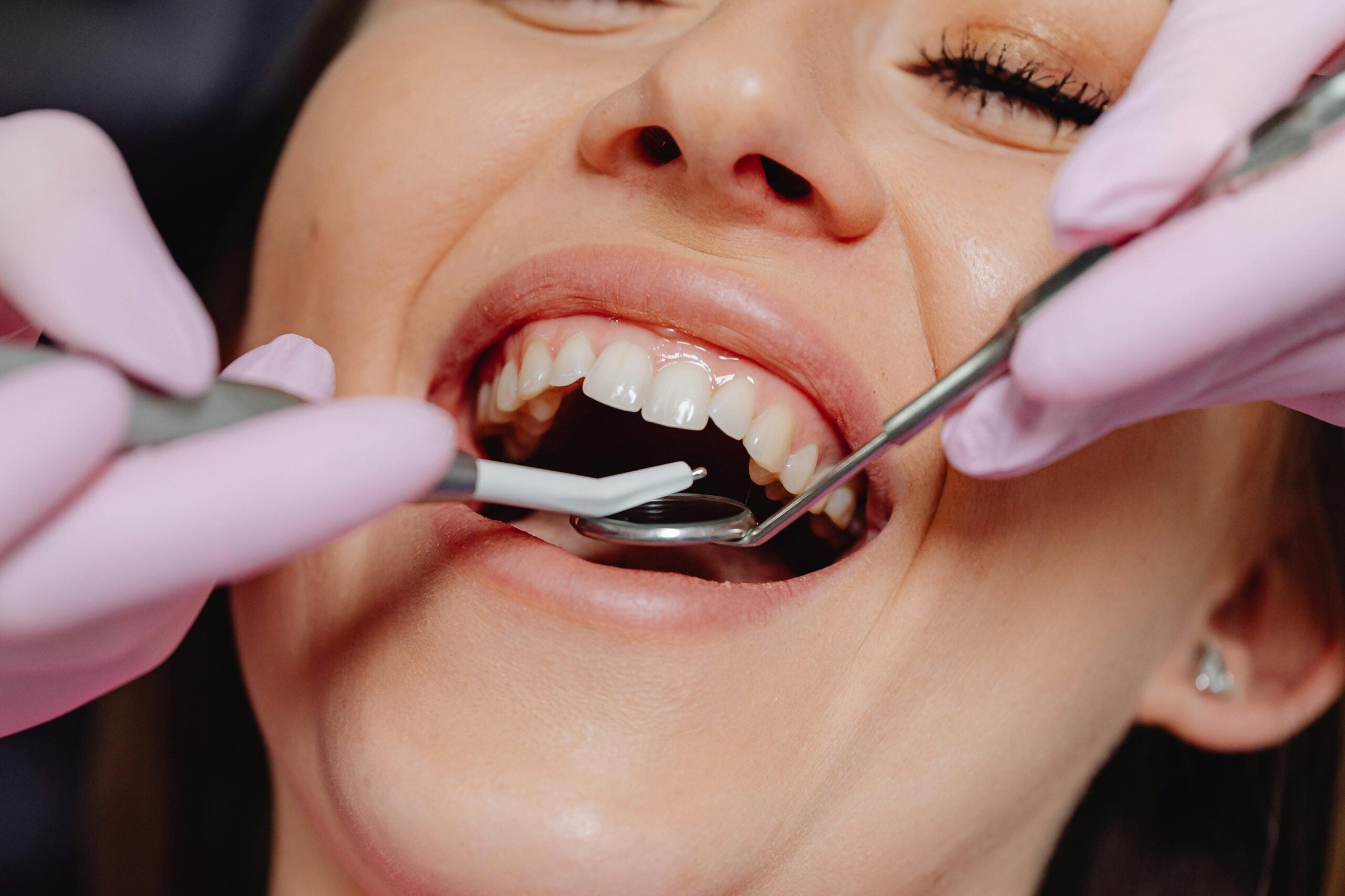
Modern instruments then turn that plan into controlled movement. Slim periotomes and elevator systems release the ligament in small steps, which lowers stress on thin bone. Ultrasonic or piezoelectric tips can cut mineralized tissue very precisely while sparing soft tissue, and surgical motors provide steady, low‑heat cutting with constant irrigation. Together, these tools limit pressure, heat, and vibration, which supports a stable blood clot and calmer early recovery.
Visualization and guidance matter too. Loupes and focused light improve accuracy inside tight spaces, and intraoral cameras document fine details for planning and follow‑up. In selected complex cases, digital models and printed guides help target a specific sectioning path or protect nearby teeth. When socket preservation is planned, technology supports measured graft placement and gentle suturing so the ridge keeps its shape for future replacement.
For patients, the result is clearer planning, fewer intra‑operative adjustments, and steps that feel more controlled. Technology does not replace skill, it amplifies it by providing better information and finer tools. In the next section, we will look at how your health, tooth anatomy, and goals guide the plan. Good planning and the right tools make treatment more predictable.
Patient Experience with Minimally Invasive Surgery
Most patients describe this approach as calm, numbed, and controlled. You feel pressure, not sharp pain, while the dentist makes small, planned movements. Because the gum and bone are handled gently, swelling and stiffness are often milder, and many people return to routine tasks sooner. Visits are usually efficient and focused on comfort and clear communication.
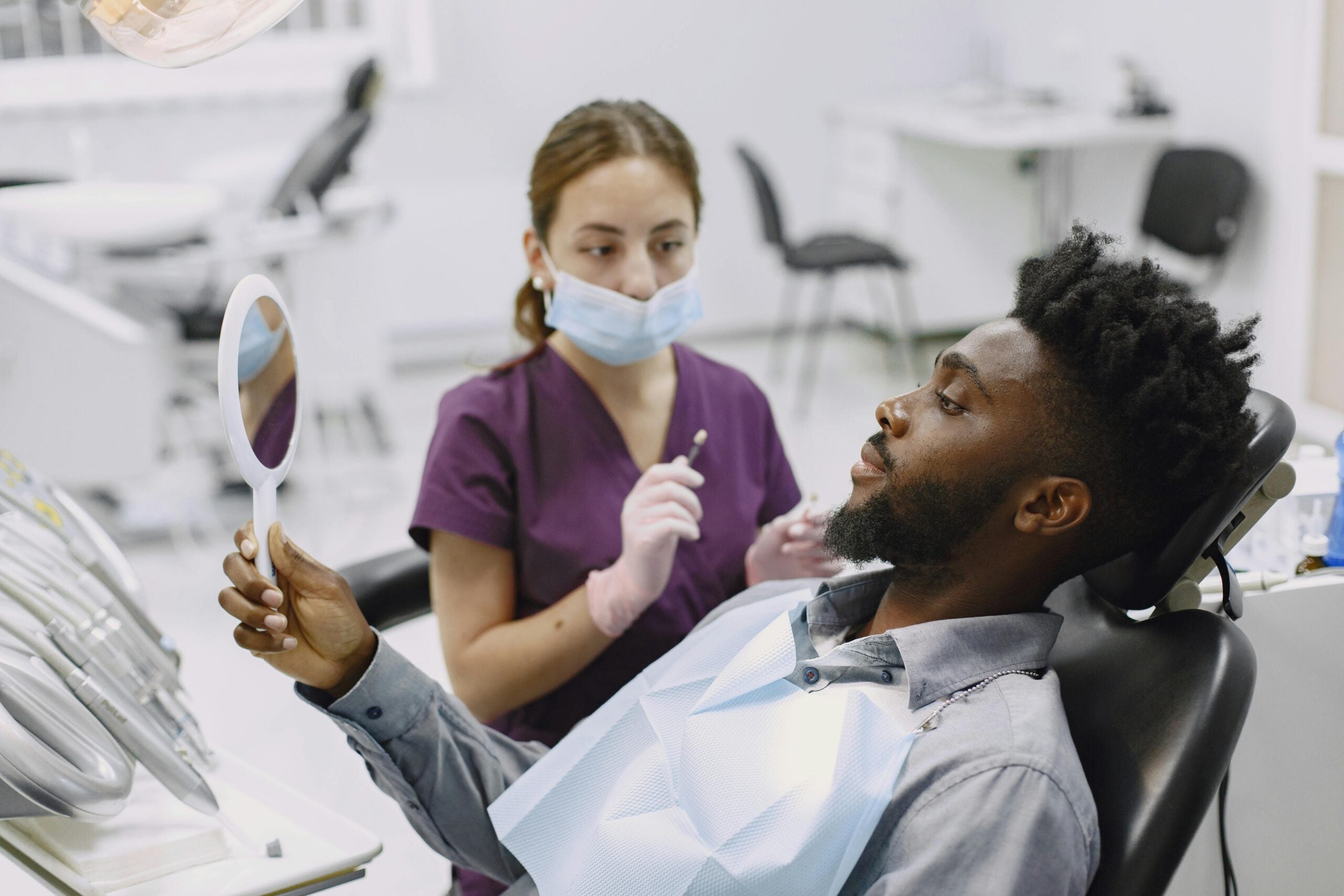
Before treatment, we review your health history, medicines, and goals, then explain each step in plain language. Imaging guides the plan so you know why certain choices are made, such as sectioning a root or placing a tiny suture. If you feel anxious, we discuss options to help you relax and outline what you will hear and feel. You know what to expect before you sit down.
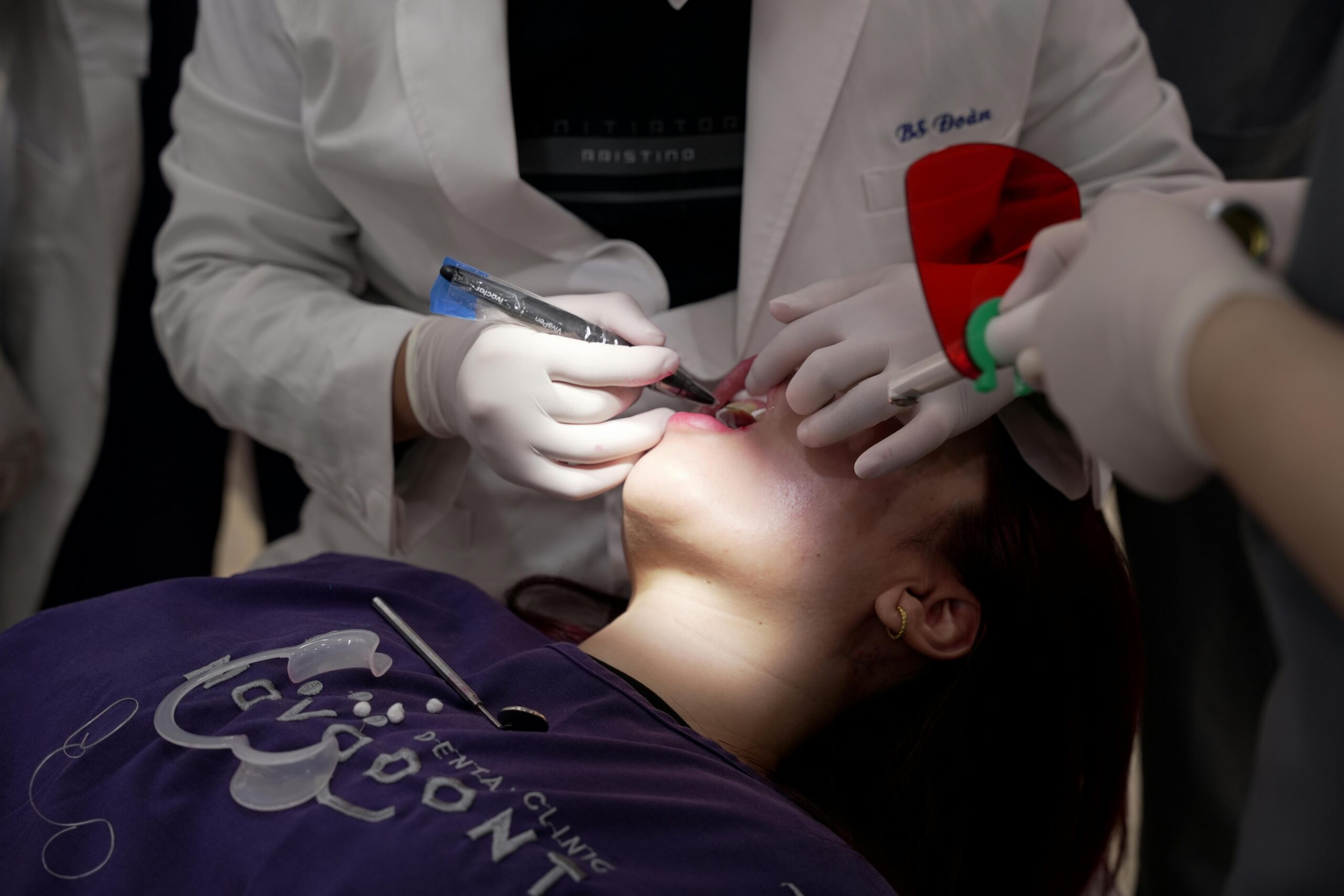
During the procedure, you stay numb while the periodontal ligament is gently released around the tooth. You may hear light tapping or a handpiece, and you may feel pressure as the tooth moves along its natural path. When needed, the tooth is divided into smaller pieces so less force is used, which helps protect the socket. You can signal for a pause at any time, and we check your comfort repeatedly. At the end, gauze supports the blood clot, and small sutures are placed only if they help protect the site.
Right after, most people notice mild oozing and a sense of fullness that peaks over two to three days. Soft foods, rest, and simple home care keep the site clean without disturbing the clot. Because tissues are not stretched as much, discomfort often responds to basic measures, and daily activities resume sooner for many patients. If a socket graft is placed for future planning, it may feel slightly firm for a few days but should not increase soreness. This is the typical experience with minimally invasive tooth extraction when anatomy and health allow.
As you heal, we time follow-up to check the site and discuss replacement choices that fit your goals. In the next section, we will outline who is a good candidate and how we plan timing around work, sports, and travel. Clear expectations make recovery smoother. Gentle technique supports a calmer experience.
Post-Extraction Care for Optimal Healing
Good aftercare protects the blood clot, calms swelling, and keeps the site clean. Bite gently on the gauze as directed, rest with your head elevated, and choose soft foods at first. Avoid actions that pull or push on the clot, like smoking, spitting, or using straws. With steady care, most people feel better each day.
Right after the tooth is removed, gentle pressure helps the clot form. Keep the area still while the numbness wears off, then change gauze only if oozing continues. Do not rinse or brush the socket on day one, since strong swishing can dislodge the clot. After 24 hours, begin gentle salt‑water rinses, and brush other teeth normally while skirting the extraction site. If sutures or a small graft are present, avoid poking the area and follow any specific cleaning tips your dentist gave you.
Swelling usually builds over the first two to three days, then eases. Use cold packs on the cheek in short intervals during day one, and sleep with your head slightly raised the first night. For comfort, many patients do well with a dentist‑guided plan that uses over‑the‑counter pain relievers; take them only as directed. Eat soft, cool foods, drink plenty of water, and skip hard or spicy items that can irritate the tissues. Hold off on heavy exercise for 48 to 72 hours so your heart rate does not restart bleeding. Even after a minimally invasive tooth extraction, these simple steps support smooth healing.
Know what is normal and what is not. Mild oozing the first day, fullness, and jaw stiffness are common, and should improve after day three. Call your dentist if bleeding stays brisk despite pressure, pain worsens after day three, swelling spreads, you notice a foul taste or odor, or you develop fever, rash, or trouble swallowing. Clear communication helps us adjust care quickly if needed. Next, we will outline the small risks that can follow extractions and how we reduce them. Thoughtful home care makes recovery easier.
Signs of Complications: What to Watch For
Most extractions heal in a steady, predictable way. Watch for warning signs like strong bleeding that does not slow with firm pressure, pain that worsens after day three, foul taste or odor, fever, or swelling that spreads. Even with minimally invasive tooth extraction, problems can occur, so knowing what is not normal helps you act early.
Real‑world picture: on day three, pain suddenly spikes. A deep, throbbing ache that radiates to the ear or temple, a bad taste or bad smell, and an empty‑feeling socket can signal dry socket. This happens when the blood clot dissolves or dislodges, leaving bone exposed. Gentle rinses may soothe, but increasing pain after earlier improvement deserves a call.
Bleeding usually eases after the first day. If the gauze soaks through quickly for hours, or bright‑red flow restarts repeatedly, that is not typical. Swelling should peak by 48 to 72 hours, then decline; swelling that keeps growing, causes trouble swallowing, or is paired with fever can mean infection. Pus, a spreading firm area under the cheek or jaw, or a sudden foul taste are also concerns.
Nerve‑related changes need attention too. Once numbness from anesthesia should have worn off, new or persistent tingling, altered lip or tongue feeling, or one‑sided loss of sensation should be reported. For upper back teeth, watch for liquid passing from mouth to nose, bubbling when rinsing, or a whistling sound, which can suggest a sinus opening. Small, sand‑like bone chips can work out as gums remodel, but a larger, loose fragment or a sharp edge that keeps cutting the cheek should be assessed.
Trust your sense of trend. Normal recovery moves toward less pain, less swelling, and easier chewing each day. If symptoms reverse or feel severe, contact your dentist for guidance. Next, we will explain how we lower these risks and what follow‑up looks like. Early attention makes recovery safer and calmer.
Frequently Asked Questions
Here are quick answers to common questions people have about Minimally Invasive Extractions in Glendale, AZ.
- What is minimally invasive tooth extraction?
Minimally invasive tooth extraction is a gentle method of removing teeth that preserves the surrounding gum and bone. Dentists focus on using small, precise tools and controlled movements, which reduce tissue trauma. Often, the tooth is sectioned into smaller pieces to minimize stress on the bone. This method helps in protecting the natural anatomy and can make future restorations, like implants or bridges, easier and more predictable. It is especially effective for complex cases like impacted molars, offering a smoother recovery experience.
- How does the healing process differ with minimally invasive extraction?
With minimally invasive extraction, the healing process tends to be smoother and faster due to less tissue disturbance. A stable blood clot forms in the socket, protecting the underlying bone and nerves. Swelling usually peaks within 48 to 72 hours and then declines, while soft tissue closes in about one to two weeks. This method reduces gum stretching, which preserves the natural structure and supports more efficient healing. Overall, patients often experience less pain and discomfort compared to traditional methods.
- What are the main benefits of minimally invasive tooth extraction compared to traditional methods?
Minimally invasive extraction offers several benefits over traditional methods. It generally results in less swelling, soreness, and quicker healing due to its gentle approach that protects the surrounding gum and bone. By focusing extraction forces on the tooth itself rather than the socket walls, the socket shape is preserved, which aids in maintaining the natural contour of the gum. This approach also facilitates easier planning for future restorations, such as dental implants or bridges, by keeping the bone and gum structure intact[ref:41239756].
- What should I expect during a minimally invasive tooth extraction procedure?
During a minimally invasive tooth extraction, the dentist will first numb the extraction site to ensure comfort. Small, precise instruments are used to gently release the periodontal ligament around the tooth. If necessary, the tooth might be sectioned into smaller parts to minimize force on the surrounding bone. The procedure aims to use the least force necessary, making the experience calm and controlled. Patients often feel pressure rather than pain and can return to daily activities sooner due to reduced tissue stress.
- Is minimally invasive extraction suitable for all teeth?
While minimally invasive extraction is beneficial for many cases, its suitability depends on several factors. Teeth that are deeply impacted, have complex roots, or are located near critical structures like nerves may require a different approach. However, for routine extractions and situations where tissue preservation is crucial, minimally invasive techniques are highly recommended. The dentist will assess individual conditions, such as tooth anatomy and surrounding tissue health, to determine the most appropriate method for each case[ref:41041419].