Introduction to Provisionalization Strategies
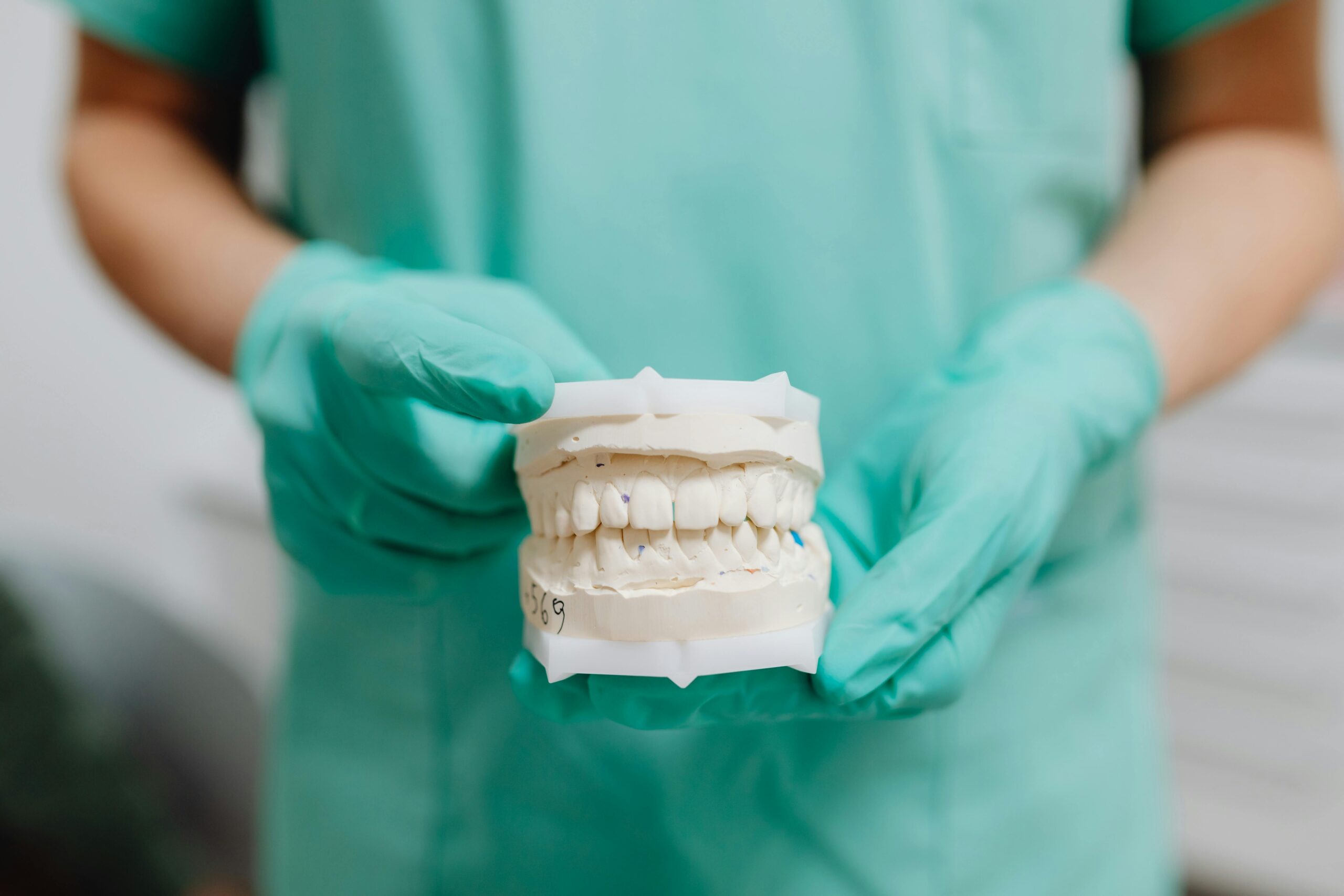
Provisionalization is the plan for temporary teeth during full-arch treatment. It protects healing implants, lets you chew a soft diet, and shapes the gums while we design the final prosthesis. Picture leaving surgery with stable, natural-looking temporaries that guide healing. This overview introduces provisionalization strategies full arch teams use to balance comfort, function, and long-term success.
The goals are simple but important:
- Protect implants by controlling bite forces and avoiding overload.
- Shape soft tissue for healthy, easy-to-clean contours.
- Test esthetics, speech, and lip support before the final.
- Maintain jaw position and stable occlusion.
- Support patient confidence during healing.
We choose the type of temporary based on implant stability, bone quality, bite forces, and medical factors. When primary stability is strong and the bite can be adjusted, a same-day fixed conversion is often used for full arch implants. If torque is low, bone is softer, or risk is high, a removable immediate denture with delayed loading may be safer. Interim restorations can influence soft tissue healing and prosthetic outcomes in full-arch care, which is why design and timing matter [1].
Good provisionals follow a few design rules. Cross-arch rigidity spreads forces, cantilevers are kept short, and contacts are light in side-to-side and forward movements. The intaglio is smooth for hygiene, and access holes stay clear for maintenance. We begin with careful records and a digital or wax setup to preview tooth position. After surgery, the bite is refined, and patients follow a soft diet while tissues mature. These steps reduce complications and provide a clear roadmap for the final prosthesis.
For patients, this means you can look and function like yourself while healing stays on track. In the next section, we will detail how we select and deliver each provisional type. Thoughtful temporaries support predictable, lasting results.
Importance of Full-Arch Provisionalization
Full-arch provisionalization is important because it safely connects surgery to the final prosthesis. It maintains planned jaw position, protects early healing, and lets us verify esthetics and speech with real use. Picture speaking clearly at a work meeting the day after surgery. A well-designed provisional keeps treatment coordinated and reduces surprises later.
Beyond comfort, the provisional is a load-management device. Cross-arch rigidity and selective contacts limit micromotion at the bone–implant interface, which supports osseointegration. Clinical analyses show that immediate loading can succeed with moderate insertion torque when the prosthesis is splinted and occlusion is controlled [2]. Even with low insertion torque, survival has been reported when occlusal schemes minimize lateral forces and parafunction [3]. Retrospective cohorts also describe favorable outcomes for immediate function when appropriate implant design and protocols are used [4].
It also guides soft tissues toward contours that are easier to clean. The intaglio can be polished and relieved to avoid sore spots, then modified as tissues change. The provisional acts as a diagnostic appliance. We can adjust tooth position, phonetics, vertical dimension, and lip support, then transfer those decisions to the definitive restoration. This is why provisionalization strategies full arch teams use focus on adjustability and measured occlusion.
For patients, this means fewer mid-course changes and a smoother path to the final. Expect clear instructions about diet, hygiene, and follow-up so healing stays predictable. Next, we outline how we select between fixed conversions, removable options, or staged loading based on your risk profile. Thoughtful temporaries protect healing and improve final outcomes.
Materials Used for Temporary Restorations
Temporary full-arch restorations are usually made from acrylics and resins that are strong, smooth, and easy to adjust. Common choices include milled PMMA, CAD/CAM printed provisional resins, and heat-cured denture acrylic for removable options. For fixed conversions, these materials are connected to the implants with titanium temporary cylinders and chairside composite resin. Picture leaving surgery with a polished, screw-retained PMMA bridge that protects healing.
Milled PMMA from industrial blocks is dense and polishable, which supports hygiene and reduces surface roughness. We often use it as a shell or full-arch prosthesis during immediate loading, then pick up cylinders and reinforce as needed. CAD/CAM printed resins help when a rapid turnaround or complex tooth setup is needed, and they are simple to repair chairside. Laboratory data show that mechanical properties vary with material and fabrication method, which guides our choices for bite forces and span length [5].
For removable temporaries, an immediate denture in heat-cured acrylic is relined with a soft tissue conditioner as gums change. This cushions healing tissues and improves fit, especially when implants are not loaded right away. In higher-risk bites or long cantilever areas, we may add a small metal substructure or fiber reinforcement to reduce fracture, and we keep occlusal contacts light. Mechanical performance under thermal and cyclic loading also differs among milled and printed provisionals, so the fabrication method matters during longer healing periods [6].
These material choices balance strength, repairability, and hygiene while your implants integrate. They fit within the provisionalization strategies full arch teams use to manage force and shape tissues. In the next section, we will show how we deliver and adjust these temporaries so they perform reliably. Durable, cleanable materials make healing more predictable.
Techniques for Achieving Optimal Occlusion
We aim for a stable, gentle bite that protects healing implants and feels natural. In the provisional, this means light, even contacts when you close, and no heavy contacts when you slide your teeth side to side or forward. We avoid contacts on cantilevers and keep chewing forces centered over the implants. These steps lower stress and reduce breakage while you heal.
We start with records that define jaw position and vertical dimension, then carry that plan into surgery. The tooth shapes are kept simple, with shallow cusps and narrow chewing surfaces to reduce sideways forces. If removable healing is chosen, such as with snap-in implant dentures, we set balanced, gentle contacts that stabilize the denture without creating hot spots. This planning lets us place contacts where bone support is strongest and trim contacts where risk is higher.
At delivery, we adjust the bite in a few passes. First, we mark centric closure with thin paper to confirm light, even stops over the multi-unit abutments. Next, we guide the jaw forward and side to side to remove any interferences. The goal is smooth movement with little or no contact in excursions, and no contact on the distal ends of the prosthesis. We also keep anterior contacts light, which helps speech and reduces stress on the front implants. After anesthesia wears off, muscle tone changes, so we recheck and fine-tune at the first follow-up.
These choices protect implants from overload and help prevent screw loosening or fractures. Patients notice easier chewing and less jaw fatigue, especially during the soft diet period. If you clench or grind, we further lighten contacts and review nighttime habits. These techniques fit within provisionalization strategies full arch teams use to manage load, maintain comfort, and shape the final plan. In the next section, we will show how we verify these settings over time and transfer them to the definitive restoration.
Small, well-placed contacts make big differences during healing.
Guidelines for Initial Provisional Placement
At initial placement, we confirm that the provisional seats passively, the implants feel stable, and the bite is gentle. We smooth and polish the tissue side for hygiene, seal screw access for easy follow-up, and review a soft diet. Right after surgery, you sit up and we test your bite. These steps help the implants heal while you function comfortably.
We start by verifying stability and fit. The temporary is splinted across the arch to spread forces, and any distal cantilevers are kept short. Contacts are light when you close, and there is little or no contact when you slide forward or side to side. These choices reduce micromotion at the bone–implant interface, which supports early healing, especially during immediate loading protocols [7].
Delivery follows a simple order. We seat the framework without rocking, check a radiograph to confirm complete seating, and then secure the screws to the planned values. Next, we refine the bite in small steps until stops are even over the strongest support and excursions are clear. The intaglio is relieved where tissues swell, then polished so plaque is less likely to stick. Finally, we seal the access holes with a soft, removable material so adjustments remain easy. When the prosthesis is rigid and the occlusion is controlled, large clinical series report favorable outcomes with immediate provisionalization [8].
Patients leave with clear instructions. Eat a soft, cool diet, avoid sticky or hard foods, and clean gently around the gums. Expect an early check within a few days for fine-tuning as swelling changes. These guidelines fit within provisionalization strategies full arch teams rely on to protect healing and guide the final design. Thoughtful placement on day one sets up smooth follow-up and fewer surprises.
Adjusting Provisional Restorations During Treatment
We adjust your provisional as tissues heal and your bite settles. These visits fine‑tune contacts, relieve sore spots, and keep the surface smooth for easy cleaning. Small, timely changes protect implants and maintain comfort while we plan the final prosthesis. Picture a quick polish that makes a hot spot disappear.
Early changes are normal because swelling reduces and muscles regain tone. At follow‑ups, we check screw security, confirm passive fit, and mark the bite in closing and during gentle side and forward movements. If any tooth hits early, we lighten it and remove contacts on cantilevers. Two weeks after surgery, a sore spot appears; we relieve and polish the area. As gums reshape, we refine the tissue side to avoid pressure, then re‑polish so plaque is less likely to stick.
Material updates are common. We may add or smooth composite around temporary cylinders, repair small chips, and recontour teeth that whistle or lisp. Finishing steps matter because smoother provisional surfaces resist staining and are easier to clean, which supports healthier tissues [9]. When a provisional is printed in‑office, careful post‑processing and polishing improve surface quality and durability, making mid‑course adjustments more predictable [10]. These refinements keep function steady while the implants integrate.
We also watch for clenching or wear. If you grind, we further lighten contacts, shorten steep cusps, and may recommend a protective habit change during healing. Each visit, we document esthetics, speech, and bite so the final design reflects what worked best. These steps fit within provisionalization strategies full arch teams use to manage load and guide tissues, then transfer decisions to the definitive prosthesis. Next, we explain how we monitor healing and decide when to transition to your final restoration.
Timely tweaks keep healing predictable.
Monitoring Patient Comfort and Function
We monitor your comfort and function from the first day after surgery. Early checks look for pain, pressure spots, speech changes, and how well you can chew soft foods. On day three, a sore spot appears while eating eggs. If anything feels off, we adjust the provisional immediately so healing stays on track.
We begin with the gums and tissues. Areas of redness, blanching, or ulceration tell us where to relieve and polish the prosthesis. We check that the temporary remains stable, then confirm light, even bite contacts with thin marking foils. Side and forward movements are tested, and any heavy or sliding contacts are removed, especially near the ends of the bridge. The surface is smoothed so it is easier to clean and less likely to irritate healing tissues.
Function is reviewed in simple steps. Chewing is assessed with soft, cool foods to see if you tire, favor one side, or feel pressure. Speech is checked by reading short phrases and noting sounds like F, V, and S; small contour changes often improve clarity quickly. If you clench or grind, we lighten contacts further and shorten steep cusps to reduce stress during night habits. Hygiene is verified by looking for plaque and bleeding, then coaching on gentle cleaning around the gums and access openings.
We document what works at each visit, then carry those settings into the final design. Common signposts for moving forward include stable, comfortable tissues, a gentle and repeatable bite, and a cleanable surface you can maintain at home. These checks are part of provisionalization strategies full arch teams apply to keep healing predictable and to reduce complications. In the next section, we outline how these findings guide the timing and steps for transitioning to your definitive restoration.
Early, small adjustments prevent bigger problems later.
Finalizing Occlusion in Full-Arch Cases
Finalizing occlusion means setting the bite on your finished full-arch prosthesis so it is even, gentle, and repeatable. We confirm jaw position, refine contact points, and make sure there are no heavy contacts when you move your jaw. Contacts on cantilevers are removed to lower stress. At the final visit, you bite on thin paper while we make tiny corrections.
The goal is a stable centric bite with light, even stops over the strongest implant support. We keep cusps shallow and chewing surfaces narrow to reduce sideways forces, then verify that forward and side movements are smooth and mostly contact-free. After the prosthesis is fully torqued, we recheck the bite because screw tightening can slightly change contact patterns. Biomechanical principles support minimizing lateral forces and avoiding distal cantilever contacts to reduce mechanical complications in full-arch fixed prostheses [11].
We transfer what worked in the provisional into the final using facebow records, verified jaw relations, and a clinical remount when needed. The occlusion is refined on the articulator, then confirmed in the mouth with thin foils and shimstock. We balance contact intensity so back teeth share load in closure, front teeth guide speech with light contact, and excursions are clear. These steps fit within provisionalization strategies full arch teams use to control force and protect the bone–implant interface. Small changes in tooth shape or gloss can also improve chewing rhythm and clarity of sounds like S and F.
Patients can expect a few short follow-ups as muscles adapt and tissues settle. If you clench or grind, we lighten contacts further and keep anterior guidance shallow to limit stress. We document the final occlusal scheme and torque values so future maintenance is consistent. Next, we will show how these settings are checked at insertion visits and how we monitor them over time to keep your prosthesis comfortable and stable. A precise, gentle bite supports long-term comfort.
Case Examples of Provisionalization
Here are brief case examples showing how we tailor temporaries during full‑arch treatment. On surgery day, a patient leaves with a stable temporary smile. Each plan balances healing, chewing comfort, and easy cleaning. These snapshots explain our choices and what they mean for you.
Case 1, immediate fixed: Primary stability is strong in both arches, and bite forces are moderate. We deliver a screw‑retained PMMA conversion with even, light contacts in closure and no contact when sliding forward or side to side. Cantilevers are kept short to lower stress, and the tissue side is polished for hygiene. The patient follows a soft diet while we make small bite checks in the first week, then minor esthetic and speech refinements guide the final design.
Case 2, delayed loading: Insertion torque is low in the posterior maxilla, and the patient reports nighttime clenching. We choose a removable immediate denture relined with a soft conditioner, so the implants can heal without load. Contacts are gentle and balanced to reduce rocking, and sore spots are relieved at quick follow‑ups. After integration, we place multi‑unit abutments, verify the jaw relation, and transition to a fixed provisional with shallow cusps and reduced chewing width for extra safety.
Case 3, staged conversion: The mandible has good stability, but the maxilla needs grafted areas to mature. We convert the lower arch to a fixed provisional on surgery day and keep an upper removable denture for comfort and esthetics. The lower occlusion is adjusted to avoid distal contacts and to guide soft tissues, while the upper is kept light to prevent pressure on grafts. Once healing milestones are met, the maxilla is converted using records proven by the lower arch.
Case 4, mid‑course repair: A temporary fractures near a distal extension during week three. We shorten the cantilever, smooth the chewing surfaces, and reinforce the area. After polishing, we reset light, even contacts and document the change so the final avoids the same risk. These case examples reflect the provisionalization strategies full arch teams use to protect healing and inform the definitive plan. Small, well‑timed choices keep treatment predictable.
Lessons Learned from Provisionalization Cases
Our biggest lessons are simple. Keep the provisional rigid, the bite gentle, and access easy for follow-up. Plan carefully, then expect small changes as tissues settle. Two weeks in, a small chip appears near a back screw.
Accurate records at the start prevent most problems later. Jaw position must be confirmed, then carried into surgery and the conversion. We test passive fit with controlled screw tightening and verify seating on radiographs. If anything rocks, we correct it before adjusting the bite. Early photos and notes on speech and lip support make later refinements faster and more predictable.
Load control is the next lesson. Small, even stops in closure feel natural and reduce stress; removing contacts on the distal ends lowers the chance of fractures or screw loosening. In patients who clench, we keep cusps shallow and lighten contacts further, which helps during the soft diet period. When posterior support is limited, narrowing chewing surfaces reduces off‑axis forces. These choices refine the provisionalization strategies full arch teams rely on.
Material and maintenance choices matter every day. We reinforce areas near connectors if the span is long, keep the tissue side smooth for hygiene, and leave screw channels clean and retrievable. Minor chips are repaired quickly, then polished to reduce plaque and staining. We schedule an early check because swelling changes fit and muscle tone alters contacts after anesthesia wears off. Consistent documentation of what works becomes the blueprint for the definitive prosthesis.
Clear expectations help patients succeed. Report soreness, looseness, or a change in speech early so we can adjust before small issues grow. Stick to a soft, cool diet, clean gently around the gums, and keep follow-up visits. For timing your visits, see our current hours. Next, we describe how we use these findings to decide when to transition to your final restoration.
Small, timely adjustments prevent big setbacks.
Patient Education on Provisional Restorations
Provisional restorations are temporary teeth you wear while implants heal. They let you smile, speak, and chew soft foods, and they protect the surgical sites. You will learn simple care steps, what feels normal, and when to call for an adjustment. These basics help healing stay smooth and comfortable.
On day two, you wonder what to eat and how to clean. Start with soft, cool foods cut into small pieces, and chew gently on both sides. Clean twice daily with a soft brush and nonabrasive paste, then rinse with room‑temperature saltwater. A water flosser on low can help around the gums, but avoid aiming directly into any openings. Keep the tissue side clean and smooth so the gums stay calm and easy to maintain.
Speech and bite feel different at first, then settle as swelling changes. A mild lisp or extra saliva usually improves as we refine contours. If a spot rubs, if the bite feels high, or if you notice rocking, contact us for a quick adjustment. Provisionalization often supports function and psychological satisfaction during treatment, which helps many patients return to daily activities sooner [12].
Protect the provisional from overload while implants integrate. Avoid hard or sticky foods, limit very hot items early, and do not use the front teeth to bite through tough foods. Do not pry or pick at the gums or screw access covers. If you clench or grind, tell us; we can lighten contacts or review habits that reduce night stress. These habits match the provisionalization strategies full arch teams teach to guide safe healing.
Know the warning signs we want to hear about right away. New soreness that does not fade, a sharp edge, an open screw access, a sudden bite change, or a crack in the temporary all deserve a quick visit. We will smooth, polish, and rebalance contacts so comfort returns and healing stays on track. Next, we explain how your follow‑up checks and small adjustments support steady progress toward the final prosthesis.
Small daily habits make healing easier and more predictable.
Frequently Asked Questions
Here are quick answers to common questions people have about Provisionalizing Full-Arch Cases: Our Approach in Glendale, AZ.
- What are the main goals of full-arch provisionalization?
Full-arch provisionalization aims to protect implants, support proper healing, and offer temporary function. Key objectives include controlling bite forces to avoid overload, shaping soft tissues for healthy contours, and testing esthetics and speech before finalizing the prosthesis. Maintaining a stable jaw position and boosting patient confidence during healing are also important goals. These strategic steps contribute to a smooth transition to the final prosthesis and promote long-term success.
- How do we select materials for temporary restorations?
Materials for temporary restorations are chosen based on strength, hygiene, and ease of adjustment. Common options include milled PMMA, CAD/CAM printed resins, and heat-cured denture acrylic. For fixed conversions, these materials are paired with titanium temporary cylinders. The choice depends on the mechanical properties needed, bite forces, and length of the span to ensure durability and cleanliness while the implants integrate. These selections help manage healing effectively.
- What factors influence the design of provisional restorations?
The design of provisional restorations considers implant stability, bone quality, and expected bite forces. Good design practices include maintaining cross-arch rigidity, keeping cantilevers short, and ensuring light contact in sideways and forward movements. A smooth intaglio for hygiene and clear maintenance access are also vital. These design choices help support soft tissue shaping, healing, and the function of the provisional teeth.
- Why is it crucial to adjust provisional restorations?
Adjusting provisional restorations is crucial to accommodate changes during healing and ensure ongoing comfort. As tissues heal and swelling decreases, small adjustments relieve pressure points, refine the bite, and maintain proper hygiene. Early interventions prevent bigger problems, such as implant overload or soft tissue irritation. Regular adjustments also allow the provisional to continue supporting the desired outcome for the final restoration.
- How do provisional restorations benefit patients during healing?
Provisional restorations offer multiple benefits during the healing phase. They allow for eating soft foods, speaking clearly, and maintaining a natural appearance. By protecting surgical sites and managing bite forces, they support implant healing and soft tissue shaping. Following simple care instructions enhances these benefits, ensuring smooth, comfortable healing and helping patients return to everyday activities faster.
References
- [1] The Impact of Immediate Implant Placement and Interim Restoration on Soft Tissue Healing and Prosthetic Outcomes in Patients Requiring Multiple Extractions for Full-Arch Rehabilitation. (2025) — PubMed:41164694 / DOI: 10.4103/jpbs.jpbs_1136_25
- [2] Immediately Loaded Fixed Full-Arch Implant-Retained Prosthesis: Clinical Analysis When Using a Moderate Insertion Torque. (2019) — PubMed:30703181 / DOI: 10.11607/jomi.7193
- [3] A Retrospective Analysis of Implants with Low Insertion Torque in Immediately Loaded Full-Arch Fixed Prostheses with Corresponding Occlusal Schemes. (2022) — PubMed:35727239 / DOI: 10.11607/jomi.9274
- [4] A fixed reconstruction of fully edentulous patients with immediate function using an apically tapered implant design: a retrospective clinical study. (2020) — PubMed:33225376 / DOI: 10.1186/s40729-020-00271-1
- [5] Comparative evaluation of mechanical and physical properties of provisional crown and bridge materials fabricated using milling, three-dimensional printing and conventional methods: An in vitro study. (2026) — PubMed:41476356 / DOI: 10.4103/jips.jips_314_25
- [6] The Effect of Thermal Cycling and Cyclic Loading on The Flexural Strength of Milled PMMA Versus 3D Printed PEEK as a Provisional Restorative Restoration. (2026) — PubMed:41531925 / DOI: 10.2147/CCIDE.S570687
- [7] Immediate placement and immediate loading: surgical technique and clinical pearls. (2015) — PubMed:25835798 / DOI: 10.1016/j.cden.2014.10.002
- [8] Implant placement and provisionalization in extraction, edentulous, and sinus grafted sites: a clinical report on 1,500 sites. (2005) — PubMed:16389775
- [9] Comparison of Various Surface Treatment Procedures on the Roughness and Susceptibility to Staining of Provisional Prosthodontic Materials. (2024) — PubMed:39330231 / DOI: 10.3390/jfb15090256
- [10] Three Dimensional Printing and Finishing of In-office Provisional Full-Arch Restorations. (2025) — PubMed:40055098 / DOI: 10.1016/j.coms.2024.10.008
- [11] Implant-Supported Vs. Tissue-Supported Prosthesis: Biomechanical Principles for Fixed Full-Arch Restorations. (2019) — PubMed:31478699
- [12] Predictable provisionalization: achieving psychological satisfaction, form, and function. (2004) — PubMed:15453650