Understanding Patient Priorities
People tend to choose care that feels urgent, visible, or rewarding now. Cosmetic changes often seem more valuable than quiet problems that do not hurt. It can seem like patients pay wants over needs, especially when pain is absent. Knowing this helps us offer plans that fit daily life and long-term health.
A small chip on a front tooth feels urgent; a quiet cavity does not. The brain favors quick wins and things others can see. Fear, cost uncertainty, and complex choices can also delay needed care. Insurance rules and time limits add pressure. Together, these forces shape what rises to the top of the list.
- Visible benefits feel more certain than hidden disease control.
- No pain today lowers the sense of risk or urgency.
- Fear and confusion can push decisions toward simple, feel-good options.
- Budgets favor short-term rewards over long-term prevention.
- Coverage gaps and unclear pricing make postponement more likely.
Clear planning can bridge wants and needs. We start by naming the main risk, showing photos or scans, and explaining timelines in plain language. When a smile goal matters, we can pair it with protective steps. For example, whitening or porcelain veneers for a brighter smile work best after gum health is stable. Staging care, from urgent problems to preventive steps to cosmetics, makes choices easier. Small, scheduled visits reduce stress and keep progress steady.
Why this matters: delaying essential care can raise cost and complexity later. A deep cavity that is watched too long may need root canal treatment to save the tooth instead of a simple filling. By making future risk concrete, setting milestones, and keeping communication simple, patients can match today’s goals with tomorrow’s health. Small, timely choices protect your smile and your budget.
The Psychology Behind Dental Choices
Dental choices often follow simple mental rules: what helps today feels more valuable than what prevents trouble later. Emotions, habits, and social signals guide what rises to the top. This is normal human behavior, not a flaw. Understanding these patterns helps us plan care that fits how people actually decide.
A person buys clear aligners while a cracked molar waits. Behind this is present bias, the mind’s pull toward near rewards. Visible changes and quick confidence feel certain, so patients pay wants over needs when the benefit is easy to see. Social identity also matters, since a brighter, straighter smile signals health and care to others. When a cosmetic goal is important, we can pair it with protective steps, such as starting orthodontic aligner treatment only after bite forces and gum support are stable.
Another driver is decision fatigue. Many options, new terms, and unknown timelines drain energy, and delay follows. Clear defaults and fewer choices reduce that burden. Loss aversion also plays a role. People work harder to avoid losing a pleasing result than to gain a distant benefit. Framing needed care as preserving the smile you value now can improve follow-through. Comfort matters too. For some, fear or a strong gag reflex blocks action; thoughtful numbing and, when appropriate, oral sedation can lower that barrier so essential steps get done.
What does this mean for you? We try to make future risks feel concrete, keep choices simple, and link near-term wins to long-term health. If a goal like whiter teeth or a more even smile matters to you, say so. We can build a stepwise plan that protects function while moving toward what you want to see in the mirror. Small, clear steps help good decisions stick.
How Needs Are Defined in Dentistry
In dentistry, a “need” is care required to protect health or function. It includes treating pain or infection, stopping active disease, and fixing problems that threaten chewing, speech, or future tooth survival. A “want” is elective, such as changing tooth shape or color, when health risk is already controlled. Clear diagnosis guides which is which.
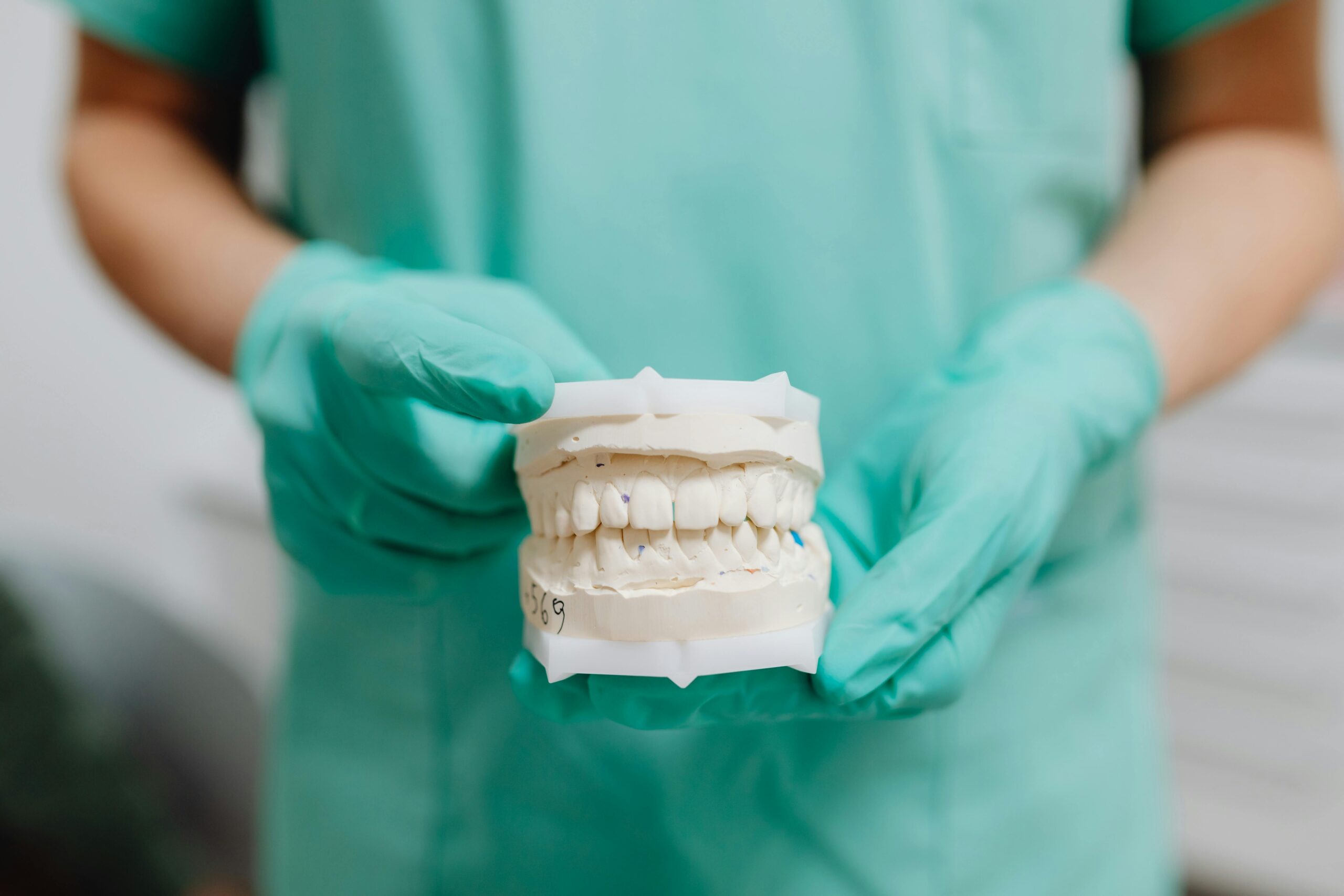
A molar throbs at night, yet a small cavity feels easy to ignore. Dentists define needs by diagnosis, severity, and risk of progression. We look at decay depth, cracked or broken tooth structure, gum and bone support, bite forces, and signs of infection. Care is then staged: emergencies first, disease control next, and longer repairs after stability. When a tooth is weakened but restorable, we may restore chewing with crowns and bridges once decay and inflammation are controlled.
Not every finding demands immediate treatment. Some issues are monitored if risk is low and stability is likely. For example, wisdom teeth without pain can be observed if the gum and neighboring tooth stay healthy; we recommend wisdom tooth removal when decay, infection, or damage is present. On the other hand, deep cavities, draining abscesses, or teeth that split into the root are needs, because delay raises the chance of tooth loss or spread of infection.
Understanding this framework helps decisions feel simpler and safer. Wants are welcome, but they work best after needs are met, since healthy gums and stable teeth make cosmetic results last. If you have a smile goal, we can pair it with steps that protect function and prevent future problems. Naming the need, explaining choices, and setting an order of care reduces surprises and the feeling that patients pay wants over needs. The goal is a smile that looks good and stays strong.
Communicating Value Without Pressure
Communicating value without pressure means we explain what matters and why, then give you space to decide. We make risks, benefits, and timing easy to see, and we match options to your goals. No scare tactics, no sales language, just clear choices.
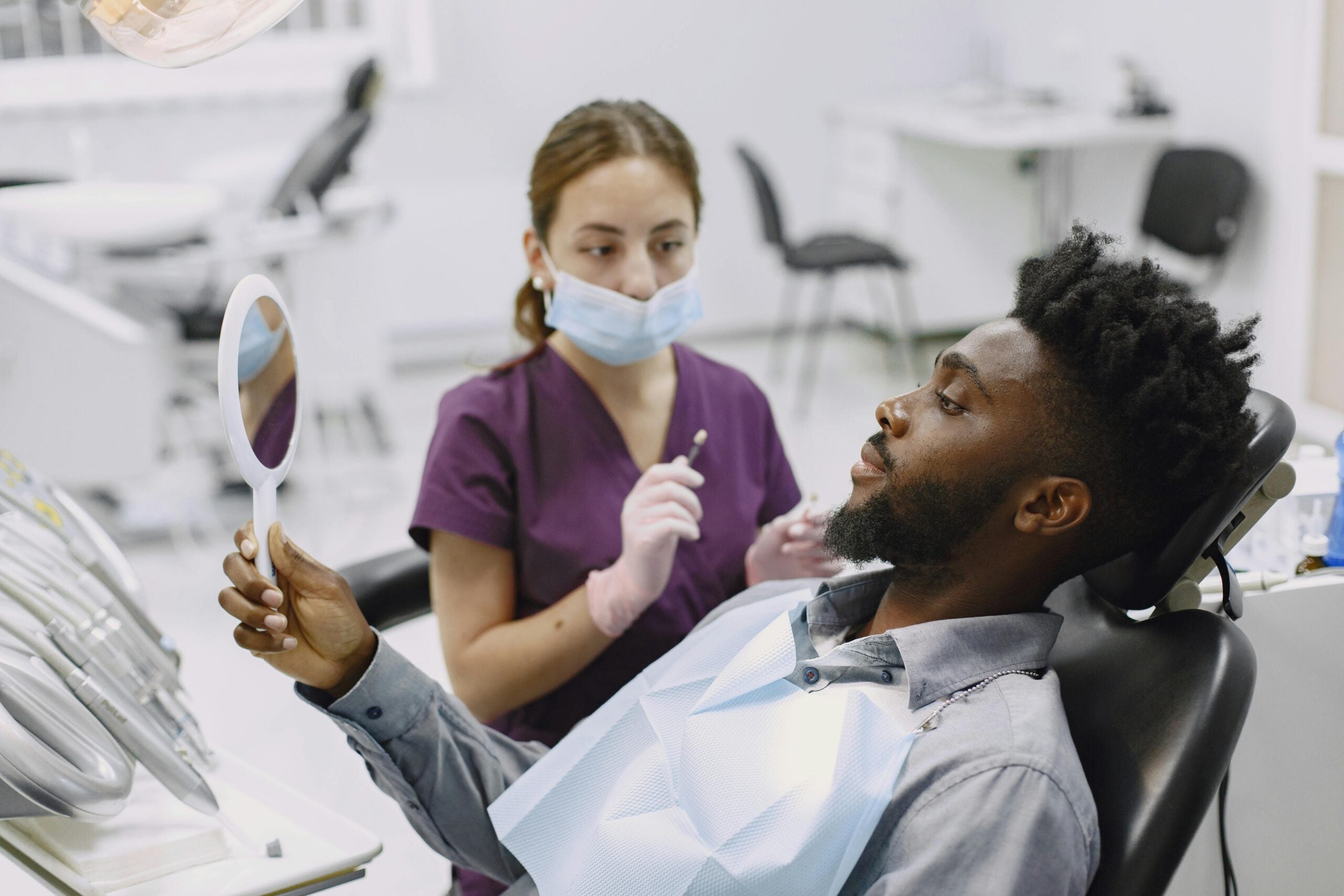
Picture this: you ask about a brighter smile before a big event. We can discuss professional teeth whitening, and also show a quick photo of a small cavity nearby. With simple images and plain words, we explain what happens if we treat now, if we wait, and what comfort to expect at each step. You choose the pace, and we help you link cosmetic goals with a healthy foundation.
To make decisions easier, we sort care by timing and risk. Problems that can worsen quickly are explained first, along with how many visits are likely and how long results should last. When you want a cosmetic change, we look for a safe order that protects tooth structure. For small chips or edges, conservative dental bonding is often a simple, tooth-sparing option after decay is controlled. We invite questions, check understanding, and summarize the plan in a few clear steps.
We also aim for low stress. That includes predictability about numbing, visit length, and how we will review progress. If it ever feels like patients pay wants over needs, this approach brings both into view so you can decide with confidence. For planning your visit times, see our current hours. Clear information, kind pacing, better choices.
Shifting Perspectives: Wants vs. Needs
Wants improve how you look or feel today, while needs protect health and function. Both matter, but their order can change as new information appears. When we make hidden risks visible and explain timing clearly, wants can become the motivation that helps needs get done first. This shift turns either-or choices into a plan that serves both goals.
You want whiter front teeth before a job interview. A perspective shift starts by asking three questions: What can cause harm if delayed, how soon could it worsen, and can we try a reversible step first. Photos, decay depth, and gum measures answer the first two. Reversible steps, like minor polishing or a mock-up, can preview a look without removing healthy tooth. This keeps choices safe while you decide the final path.
Function also reshapes priorities. Missing back teeth may not show, but they change chewing forces and can stress front teeth over time. In that case, restoring chewing is a need, and a brighter smile is still a valid want. We can pair both by controlling disease first, then planning a comfortable, well-balanced replacement such as a carefully designed partial denture to restore chewing and support. When stability returns, cosmetic steps tend to last longer and require fewer touch-ups.
Comfort and confidence influence perspective too. Fear, a strong gag reflex, or past bad experiences can make urgent care feel out of reach. Calming strategies, clear numbing plans, and, when appropriate, medically supervised deep sedation for complex visits can lower barriers so essential work is completed safely. As stress drops, it is easier to follow a staged plan that honors both health and appearance.
Seen this way, it does not have to feel like patients pay wants over needs. We use simple images, plain words, and a safe sequence to help you choose what fits your goals and timeline. Start with the step that protects health, then add the improvement that makes you smile. Healthy first, beautiful next, both by design.
The Role of Education in Decision-Making
Education shapes dental decisions by making risks, timelines, and trade-offs easy to understand. When you see what is happening now and what could change, choices feel clearer. Good explanations reduce fear, build confidence, and help you match care to your goals.
Picture this: you want a quick smile upgrade before a milestone event. Education starts with clear images and plain words that show current health, likely progression, and the steps each option requires. We use simple comparisons, such as how many visits, expected durability, and how treatment affects nearby teeth or gums. Teach-back, where you explain the plan in your own words, confirms understanding and reveals questions early. This turns a complex decision into a few manageable choices.
Education also connects short-term rewards with long-term function. For example, replacing many missing teeth can be done with a removable, tissue-supported approach or an implant-supported path. Side-by-side explanations help you weigh maintenance needs, comfort, cleaning, and future adjustments. Seeing these differences makes options like a stable snap-in implant denture approach easier to compare with other solutions. Clear, honest trade-offs reduce surprises later.
When fixed teeth are important to you, we can outline the steps, visits, and hygiene needs for a full-arch All-on-4 type solution in contrast to removable choices. By mapping risks and benefits to your timeline and habits, education helps set a safe order of care. It also reframes priorities so it does not feel like patients pay wants over needs. You leave with a written summary, photos, and a simple sequence, which makes follow-through more likely and outcomes more predictable.
The right information at the right time turns pressure into clarity and progress. Small, clear steps lead to better decisions.
Creating a Comfortable Care Environment
Creating a comfortable care environment means reducing stress at every step, before, during, and after the visit. We focus on clear explanations, gentle techniques, and small choices that give you control. When comfort is planned, visits feel predictable, safer, and easier to complete. This helps you focus on what matters most to your health.
Picture this: you arrive nervous, but the plan is simple and clear. We start by explaining what you will feel, hear, and taste, and how long each part should take. You can choose small comforts such as chair position, a brief break, or quiet music. Calmer lighting, reduced noise, and neutral scents help lower background stress. These details are small on their own, but together they lower fear and protect energy for good decisions.
Comfort during treatment begins with pain control that you can trust. We use topical numbing first, place local anesthetic slowly, and test the area before starting. If you are anxious or have a strong gag reflex, we can add simple calming steps, paced breathing, or, when appropriate, medically supervised sedation options. Short, staged visits can help those who tire easily or need time to build confidence. Bite rests, jaw support, and rinses at set times reduce muscle strain so you can relax.
Communication keeps comfort steady. We agree on a hand signal to pause, summarize what is next in one or two sentences, and check in often. Photos or scans make progress visible, which reduces worry about the unknown. You leave with clear aftercare and what to expect as you heal, so there are fewer surprises at home. When care feels safe and predictable, it rarely feels like patients pay wants over needs, because needed steps become doable and cosmetic goals can follow in a healthier way.
Comfort is not an extra, it is part of quality care. Feeling at ease helps you choose well and finish the plan.
Strategies for Enhancing Patient Awareness
We raise awareness by making problems visible, timelines clear, and choices simple. The goal is to show what is happening now, what could change, and how each option protects health and appearance. With the right tools and a stepwise plan, decisions feel easier and more confident.
Picture this: during a routine visit, we show a close-up photo of a small crack you cannot feel. Visuals, like photos or scan snapshots, turn hidden risks into clear facts. We pair each finding with a plain timeline, such as what is safe to watch and what needs sooner attention. A short “now, next, later” outline organizes care so you can plan around work, family, and budget. When cosmetic goals are present, we explain how healthy gums and stable bite forces help those results last.
Understanding sticks when you can teach it back. We use simple words first, then add details only as needed, and ask you to summarize the plan in your own words. That quick check reveals gaps early and prevents confusion at home. We also give a one-page summary with photos, risks, visit counts, and expected durability, so you can review and share it. Clear costs by stage, plus small, scheduled steps, reduce surprises and improve follow-through.
Comfort supports awareness. We explain what you will feel, test numbness before starting, and set a hand signal to pause. Short visits, planned breaks, and calm pacing keep energy for decisions instead of worry. We align near wins with protection, for example smoothing a rough edge while scheduling decay control, so it no longer feels like patients pay wants over needs. Regular check-ins, reminders, and quick progress photos keep the plan visible and momentum steady.
Awareness grows over time, not in one talk. We will revisit your goals, update risks, and adjust the order of care as your situation changes. Small, clear steps lead to better choices and fewer surprises.
Balancing Urgency with Elective Care
Balancing urgency with elective care means treating problems that can harm your health first, then planning improvements you want. We sort care by risk, pain, infection, and how fast a problem could worsen. Elective steps, like changes in color or shape, are timed after disease is controlled. This order protects teeth, reduces surprises, and makes results last longer.
You need a sore molar treated, but a big event makes whitening tempting. True urgency includes tooth pain that wakes you at night, swelling, fever, or a cracked tooth that hurts to bite. Deep decay close to the nerve and broken fillings that trap food can also move quickly. These issues come first because waiting can mean more visits, more cost, and a higher chance of losing tooth structure.
Elective care matters too. A brighter smile or smoother edges can boost confidence and help you enjoy daily life. The key is timing. We control infection and stabilize chewing forces before cosmetic steps so new work is not stressed or stained early. It can feel like patients pay wants over needs, but pairing near-term goals with protection keeps both on track.
We make the plan simple and clear. First, we show the current risk with quick photos or scan snapshots so you can see what we see. Next, we outline what must be done soon, what can wait safely, and where a reversible trial makes sense. Short, staged visits manage energy and budget, and each step builds on a stable base. When the urgent tooth is calm and the bite is balanced, whitening, bonding, or alignment plans are more predictable.
This balanced approach lowers stress and keeps progress steady. You get relief when it matters and still move toward the smile you want. If your priorities change, we can adjust the order without losing safety. Clear order, safe timing, better outcomes.
Success Stories: Patients Who Chose Wisely
Choosing wisely means putting health-protecting steps first, then adding the improvements you want. Patients who follow this order tend to have fewer surprises, smoother visits, and results that last longer. It can feel like patients pay wants over needs, but these stories show a better way.
Picture this: a patient wants a brighter smile before graduation photos. A small crack on a back tooth shows up on a photo and tap test. They choose to stabilize the cracked tooth first, then whiten a week later. The event goes smoothly, there is no urgent pain, and the color match is even because the tooth was protected before cosmetic care.
Another patient had worn front edges and two missing lower molars. They hoped for veneers to fix the look, but chewing forces were uneven. By restoring back chewing support first and smoothing minor edges, the front teeth stopped chipping. Later, a small amount of bonding finished the smile. Fixing function first reduced stress on the new work and kept touch-ups rare.
One person avoided care due to anxiety and a strong gag reflex. We planned short, predictable visits with clear numbing, calm pauses, and, when appropriate, light sedation. Gum inflammation and a quiet abscess were treated early, so healing was comfortable. Months later, aligner straightening was easier because the bite was stable and gums were healthy, which helped the fit and reduced sore spots.
In a different case, a fractured filling kept trapping food while a front chip bothered the mirror. The patient chose to replace the failing filling first, tested the bite for two weeks, then repaired the chip with conservative bonding. Sensitivity settled, cleaning was easier, and the front repair blended well because the foundation was sound.
These stories share a simple pattern: stabilize health, then refine appearance. If you are weighing choices, we can map a safe order that fits your timeline and goals. Healthy first makes beautiful last longer.
Frequently Asked Questions
Here are quick answers to common questions people have about Why We Pay for Wants Over Needs in Glendale, AZ.
- Why do patients often choose wants over needs in dental care?
Patients often choose wants over needs in dental care due to the appeal of immediate, visible results. Cosmetic changes offer a quick confidence boost, whereas issues like cavities, which may not cause immediate discomfort, seem less urgent. Present bias also drives patients to focus on short-term gains rather than long-term benefits[ref:40700552].
- How does patient education impact dental decision-making?
Patient education can greatly improve dental decision-making by making risks and treatment benefits clearer, encouraging more informed choices. When patients understand their dental health and treatment options, they feel more confident in their decisions and are less likely to delay necessary care[ref:40700552].
- What factors influence patient choices between urgent and elective dental care?
Patients’ choices between urgent and elective care depend on several factors, including pain level, perceived urgency, cost concerns, and social influences. Urgent care, like treating a painful cavity, often takes priority, but elective care, such as teeth whitening, might be chosen for its immediate impact on appearance and confidence[ref:37463270].
- What role does communication play in patient decision-making in dentistry?
Effective communication in dentistry aids decision-making by clarifying treatment options, timelines, and expected outcomes. When dentists use simple language and visual aids, patients can better understand their situation and make choices that align with their health needs and personal goals.
- How can dentists help patients prioritize long-term dental health?
Dentists can guide patients to prioritize long-term health by emphasizing the consequences of untreated issues and outlining the benefits of preventive care. By making future risks concrete and setting clear care stages, dentists help ensure that essential health protection comes before cosmetic enhancements.