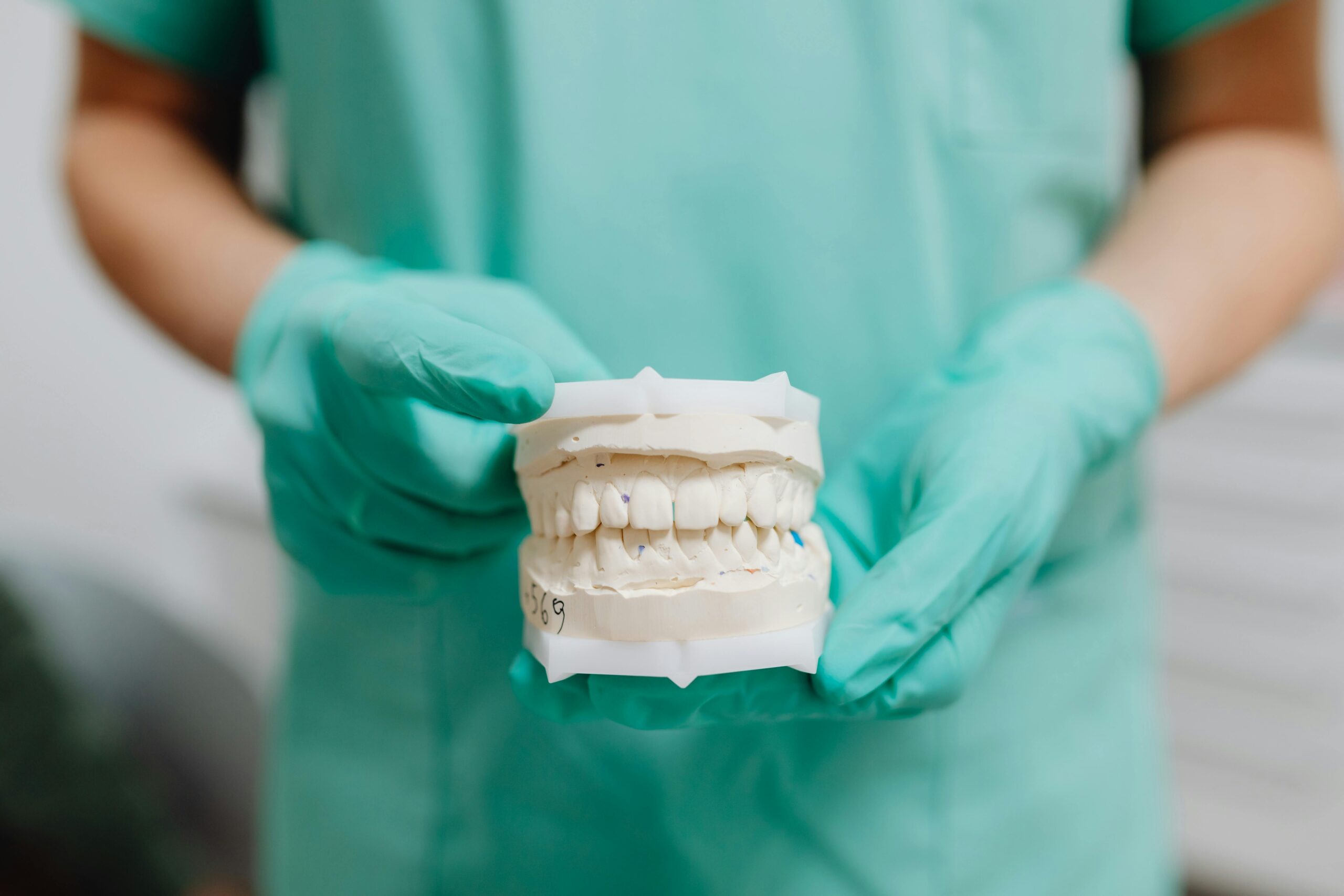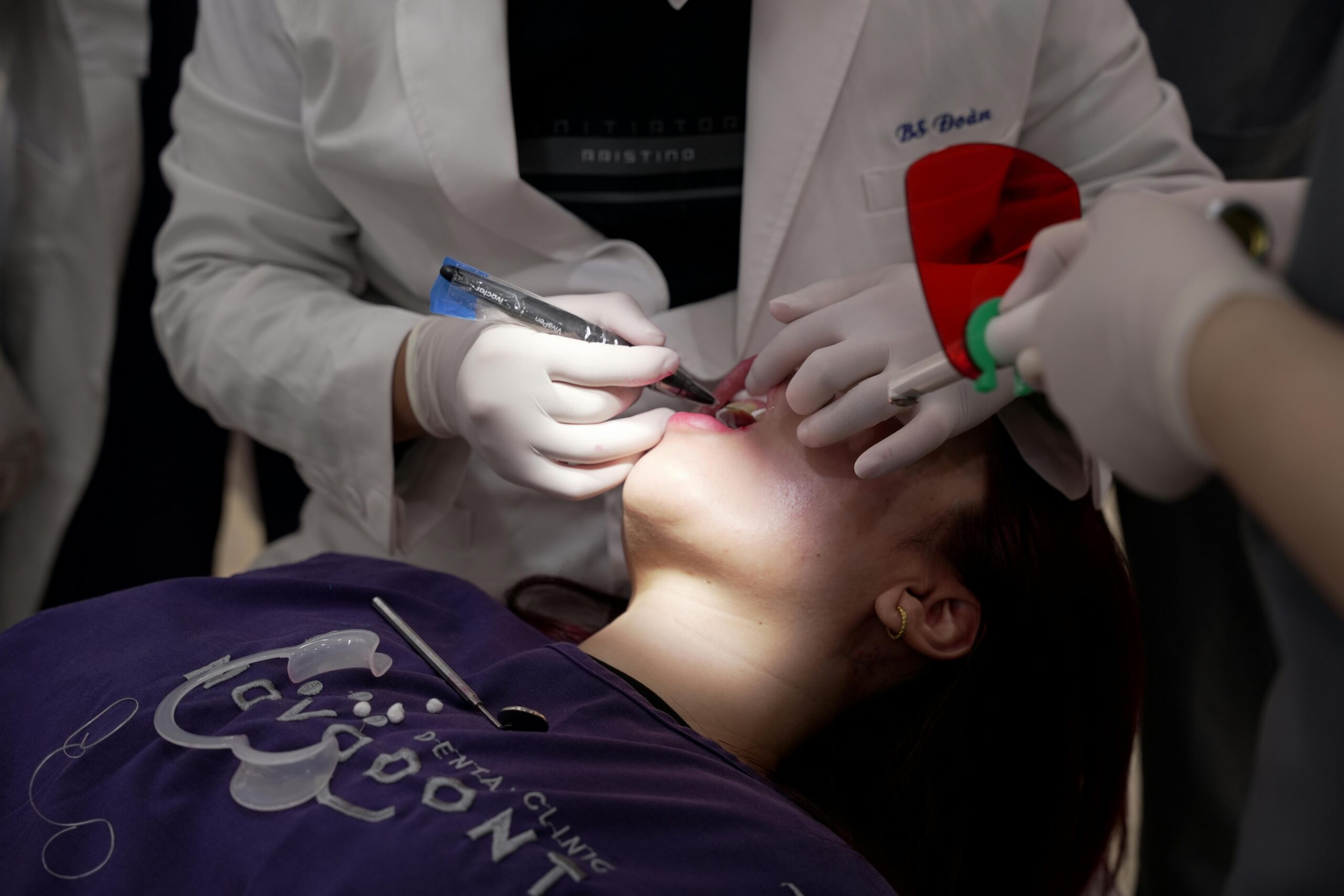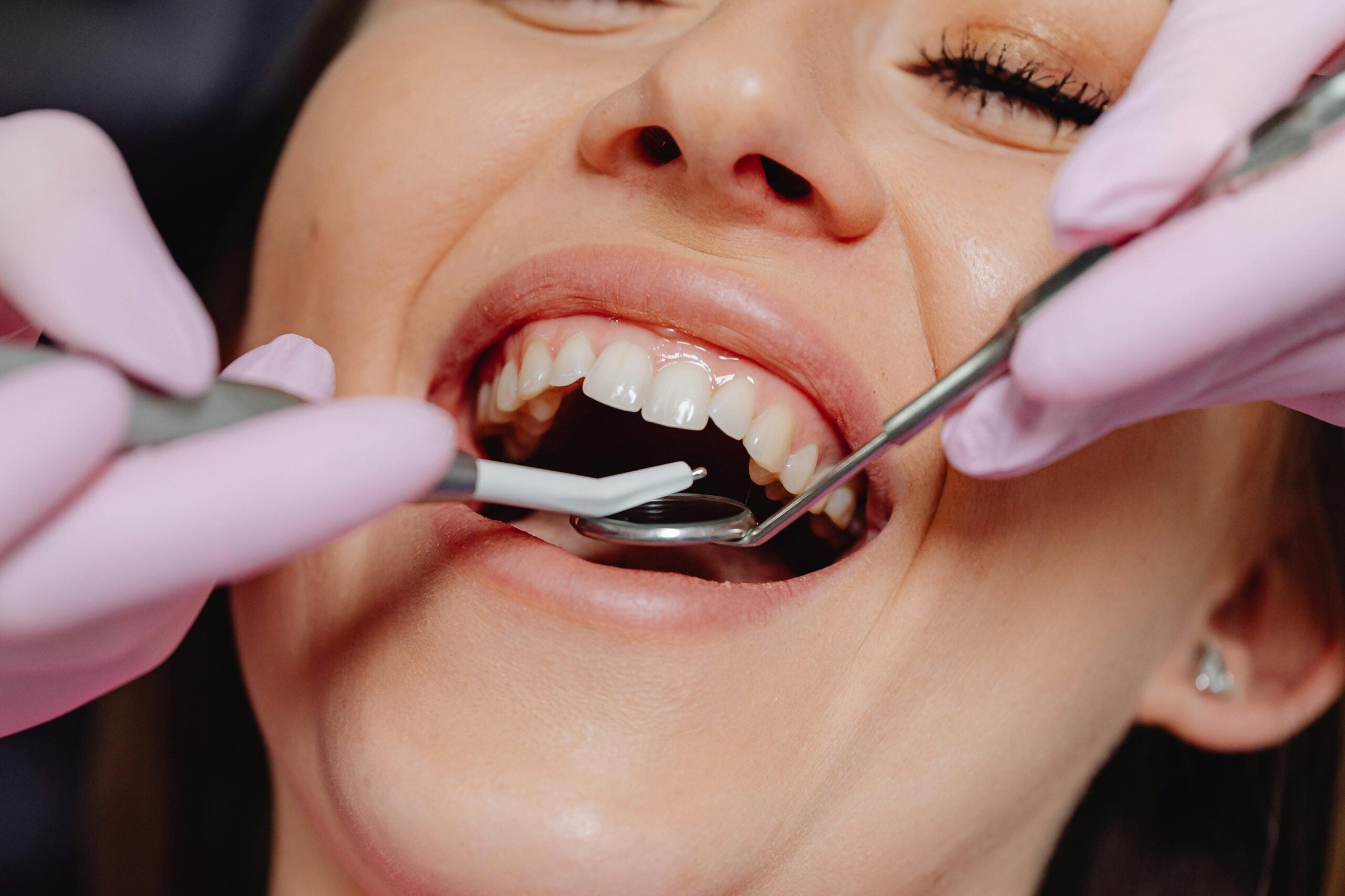

Overview of Interceptive Orthodontics
Interceptive orthodontics is early orthodontic care that guides jaw growth and tooth eruption while a child still has baby and adult teeth. The goal is to correct developing bite problems, create space for incoming teeth, and make later treatment simpler. A nine-year-old bites only on one side and struggles to chew evenly. Treating that issue early can prevent it from becoming a long-term problem.
During the mixed dentition years, the jaws are growing and teeth are erupting, so small adjustments can have big effects. Dentists look for signs such as posterior or anterior crossbite, crowding, large overjet, early loss of baby teeth, and ectopic eruption of canines or molars. Functional posterior crossbite in children is commonly managed early to correct the bite and limit asymmetric growth of the jaws [1]. Radiographic checks during this stage help identify maxillary canine displacement, which allows timely interceptive steps to reduce impaction risk [2].
Common interceptive tools include space maintainers when a baby tooth is lost too soon, expanders to widen a narrow upper jaw, limited braces to align key teeth, and habit appliances for thumb sucking. In select cases, growth-guiding appliances can influence jaw position, which may reduce the intensity or length of later comprehensive treatment. Timing matters; short, well-timed phases often last a few months to about a year, with pauses for growth and regular monitoring.
Parents can expect careful diagnosis, a clear plan with measurable goals, and check-ins to track growth and eruption. Interceptive care does not replace full braces for every child, but it can make the next steps easier and more stable. Because training, guidelines, and health systems differ, protocols and timing can vary by region; later sections will compare patterns often discussed in us vs europe interceptive ortho. Early, targeted steps can simplify future orthodontic care.
Myofunctional Therapy Approaches
Myofunctional therapy uses targeted exercises to improve tongue posture, nasal breathing, lip seal, and swallowing patterns. In interceptive orthodontics, it supports jaw growth and tooth guidance by training how the mouth rests and functions. It is usually an adjunct to appliances, not a standalone fix.
A child who mouth-breathes at night may have low tongue posture and a narrow palate. Therapy begins with assessing habits, nasal airflow, and how the tongue moves. Sessions are brief, home practice is key, and goals are measured, such as improved lip seal time or nasal-breathing endurance. As orthodontic changes are made, training helps maintain gains.
- Resting tongue posture on the palate
- Nasal breathing with a comfortable lip seal
- Swallow retraining without tongue thrust
- Chewing patterns that alternate sides
- Habit cessation, such as thumb or pacifier use
Evidence supports using myofunctional strategies within broader pediatric sleep-breathing care, where orthodontists coordinate with medical teams to improve airway and facial growth [3]. Early studies suggest exercises can reduce retropalatal narrowing and snoring, which may complement orthodontic expansion or bite correction when indicated [4]. Structured, telemedicine-supported programs have also shown patient-reported improvements, which is useful for families far from specialty clinics [5].
Approaches differ by region. In the United States, dentists, orthodontists, speech-language pathologists, and trained hygienists may deliver therapy; in parts of Europe, care may flow through orthodontic and allied health clinics with formal airway and habit protocols. Training paths, reimbursement, and referral networks vary, so visit lengths and homework plans can look different. These patterns often come up in us vs europe interceptive ortho discussions. Wherever you live, an individualized plan that pairs appliance timing with functional training tends to yield steadier outcomes. Thoughtful habits can help orthodontic changes last.
US Practices in Interceptive Orthodontics
In the United States, interceptive orthodontics focuses on early, targeted steps that solve specific problems and set up easier care later. Dentists often evaluate children around age seven, then decide between observation, habit correction, space management, or short, goal-based appliance phases. The plan is reviewed at set milestones, and treatment pauses when growth or eruption needs time.
After a playground fall, parents notice a front tooth far ahead of its partner. In many US clinics, the exam includes dental age checks, panoramic imaging to monitor canine paths, and growth assessment. If the risk of injury or worsening crowding is high, a brief early phase is recommended. If risk is low, careful monitoring with photos and eruption tracking is common. Clear, measurable goals guide each step, such as correcting a crossbite, protecting protrusive incisors, or recovering space after early molar loss.
When expansion is indicated, rapid maxillary expansion is commonly used to widen a narrow upper arch and harmonize the bite. Habit appliances are considered if thumb or pacifier use is affecting growth. Limited brackets or aligners may be used to align a few teeth or to regain space, while avoiding full treatment too soon. For jaw imbalances, removable or fixed functional devices may be tried in select growing patients, with attention to compliance and timing. Many US teams screen for nasal breathing, sleep concerns, and speech patterns, and coordinate with medical or therapy providers when function could limit stability.
Families can expect transparent choices: treat now for a clear benefit, or watch and wait if change is unlikely to add value. Visits are typically short, with check-ins every few weeks to months, and documentation of progress so later care is simpler. For visit planning, check our current hours. Next, we will compare these patterns with European models in our us vs europe interceptive ortho discussion. Early, well-chosen steps can make later orthodontics smoother.
European Techniques and Trends
Across Europe, interceptive orthodontics often favors simple, growth-guiding appliances with clear indications and measured timing. Early correction of functional crossbite and careful supervision of erupting teeth are common. A child with a unilateral crossbite starts slow expansion after brief habit coaching. Many teams pair short, goal-based phases with planned observation.
For narrow upper jaws, slow maxillary expansion with a quad-helix or similar device is frequently chosen to improve transverse relationships and chewing. When upper front teeth are very prominent, functional appliances such as Twin Block or Herbst are used in growing patients to reduce overjet and improve jaw balance. In several countries, early Class III approaches combine maxillary expansion with facemask protraction during the mixed dentition, aiming to guide forward maxillary growth before sutures mature. Space supervision is routine, and if signs suggest maxillary canine displacement, selective extraction of baby canines or space regaining may be considered to assist the eruption path.
Clinical reasoning emphasizes doing the least to achieve a specific goal, then reassessing growth. Removable plates and functional devices are common, so family coaching on wear time and speech adaptation is part of care. Because systems and training differ, some regions embed interceptive care in hospital or university clinics with ready access to ENT and speech services, while others rely on community orthodontists. Records focus on growth stage, dental age, and function, with imaging used judiciously. Visits are paced to allow change to consolidate, and adjustments are kept small to encourage comfort and steady progress.
For families, this usually means short, targeted phases that address one issue at a time, then a return to monitoring as new teeth come in. Appliances are designed to work with growth, not against it, and most plans avoid full treatment until it adds clear value. These patterns are often compared in us vs europe interceptive ortho discussions and help explain why timing and appliance choices may look different from one country to another. The next section will connect these themes to practical decisions parents and clinicians make together. Thoughtful early steps can smooth later orthodontic care.
Comparing Treatment Philosophy
Both regions aim to guide growth safely and make later orthodontics easier, but they prioritize steps differently. In the United States, teams often treat early when a clear, measurable benefit is expected, then pause for growth. In much of Europe, clinicians tend to do the least needed to correct one issue, then observe until the next clear indication appears. The goals are similar, yet the path and timing can differ.
A child presents with a crossbite and crowding. In many US clinics, early action is chosen if it reduces risk or simplifies future care, with short, targeted phases and frequent checks. Plans are framed by specific milestones, such as correcting a bite shift or protecting vulnerable incisors. Records and follow-ups are scheduled closely to confirm change, then treatment pauses to let growth and eruption catch up. Parents often receive clear decision points, with benefits and trade-offs discussed up front.
Across Europe, clinicians commonly favor gradual change and longer observation windows between steps. They often time interventions to dental maturity and growth stage, aiming to use growth rather than push against it. Removable solutions and small adjustments are common, so success depends on coaching, wear time, and comfort. Progress is reviewed at measured intervals, and a new step begins only when the next problem is clearly defined. This philosophy emphasizes stability through careful timing and minimalism.
Despite these differences, both approaches value function, long-term stability, and patient comfort. Airway, habits, and speech are considered during planning, and referrals are used when function could limit results. What families notice is the cadence of care: US plans may move sooner when benefits are clear, while European plans may wait to act until growth offers the best window. These patterns are often summarized in us vs europe interceptive ortho comparisons. Understanding the local philosophy helps families set expectations and ask focused questions at the start. Different paths can lead to healthy, stable bites.
Age and Timing Considerations
Interceptive orthodontics works best during the mixed dentition years, when baby and adult teeth are present and growth is active. The first orthodontic check is often around age seven, but the start of treatment depends on the specific problem and a child’s growth stage. In simple terms, the “right time” is when a clear goal can be reached with minimal effort and good cooperation.
A practical example: at a routine age-seven visit, a bite shift is found on chewing. Early mixed dentition, roughly ages six to eight, is a common window to correct transverse problems of the upper jaw and to hold space if a baby molar was lost too soon. Mid mixed dentition, about eight to ten, is when clinicians track eruption paths, especially upper canines, and make small adjustments to guide teeth into place. These steps are brief, then treatment pauses to let eruption and growth catch up.
As children approach their preteen growth spurt, timing expands to growth-guided goals. Girls often reach peak growth a bit earlier than boys, so calendars and visits reflect individual maturation rather than birthday age. Functional corrections are planned when growth can help, not fight, the change. For developing Class III patterns, forward guidance of the upper jaw is considered earlier in mixed dentition, before sutures stiffen and responses diminish. For prominent upper incisors, teams may time limited care to reduce risk and make later comprehensive treatment simpler.
Regional habits shape timing. In many United States clinics, teams intervene when a measurable benefit is expected soon, then return to observation. Across parts of Europe, clinicians often wait for dental maturity milestones and use longer observation between smaller steps. Neither approach is “too early” or “too late” in isolation; both aim to match biology with the task at hand. These patterns often come up in us vs europe interceptive ortho discussions and help explain why two sound plans can choose different start dates.
For families, the key is an individualized plan that links a clear goal to the child’s growth stage and attention span. Good timing makes treatment steadier.
Collaboration with Other Professionals
Interceptive orthodontics works best when dental teams coordinate with medical and therapy professionals. Common partners include pediatricians, ear, nose, and throat (ENT) physicians, sleep specialists, and speech-language pathologists. Collaboration helps match appliance timing with breathing, speech, and growth needs, so changes are safer and more stable.
A child snores and struggles to chew evenly. The orthodontic exam may suggest nasal blockage, tongue posture issues, or habit patterns that slow progress. In that case, the dentist arranges referrals while outlining clear goals, such as correcting a crossbite, improving nasal breathing, or guiding canine eruption. Each clinician addresses a piece of the puzzle, then the plan returns to the orthodontic track with better conditions for success.
ENT colleagues help assess enlarged adenoids, chronic congestion, or mouth breathing that can narrow the palate or affect sleep. Pediatricians coordinate growth and sleep evaluations, and may order a sleep study when symptoms point to obstructive sleep apnea. Speech-language pathologists guide swallowing and tongue posture, while myofunctional therapists reinforce nasal breathing and lip seal during and after appliance changes. When allergies dominate, an allergist can reduce inflammation that undermines nasal airflow. These steps are sequenced so that function improves as the bite is corrected, not after problems become ingrained.
Information flow matters. Teams share concise findings, growth stage, and imaging only when needed, which keeps radiation exposure low and decisions focused. Written goals, wear-time targets, and short progress notes help everyone track milestones. In many United States clinics, referrals move quickly and visits are scheduled close together to confirm change; across parts of Europe, collaboration often follows structured pathways within hospital or university systems, with planned observation between smaller steps. These patterns are often discussed in us vs europe interceptive ortho comparisons, and they reflect differences in training and access rather than different end goals.
For families, a coordinated plan means fewer surprises and steadier results. Ask how breathing, speech, and growth are being checked, and who will help if a barrier appears. Teamwork makes early changes more durable.
Patient Education and Involvement
Patient education and involvement means families understand the goal, the steps, and their role in early orthodontic care. Children and parents learn what an appliance does, how to use it safely, and how progress will be checked. When families take part, treatment is smoother and results are more stable.
At a first visit, a parent practices turning an expander while the child watches. Teams explain why a step is needed now, what success looks like, and when care will pause for growth. In many United States clinics, goals are written and visits are scheduled closer together during active phases. Across much of Europe, teaching focuses on smaller changes with longer observation, and families use simple home tracking between reviews. Both styles invite questions and aim for comfort and clear milestones.
Involvement at home is practical. Children wear a removable device as instructed, brush carefully around bands and wires, and note any rubbing or speech changes. Parents keep a short wear-time log or follow a turn calendar if expansion is used. Clinicians teach what is urgent, like a loose band, versus what can wait until the next visit. Simple tools, such as printed cards with photos of the appliance and steps, help families handle routines.
Progress is measured, not guessed. Photos, bite checks, and space measurements are compared at each visit, and the plan adjusts only if goals are not on track. If a target is reached, treatment pauses so eruption and growth can catch up. United States teams often use closer check-ins during active mechanics; many European teams set planned review intervals with self-checks in between. These patterns are commonly discussed in us vs europe interceptive ortho comparisons and reflect different clinic systems, not different end goals.
What helps most is honest, two-way communication. Bring questions, share sleep or chewing concerns, and tell us about school or sports that may affect wear time. The next section builds on this by showing how informed families make day-to-day care choices with confidence. Clear roles make early treatment steadier.
Cultural Influences on Orthodontics
Culture shapes when, why, and how interceptive orthodontics is offered. Differences in health systems, training, and family expectations influence timing, appliance choices, and follow-up schedules. In broad terms, many United States clinics act early when a clear benefit is likely, while many European teams prefer smaller steps with longer observation. Both aim for safe growth guidance and lasting stability.
At a school screening, two classmates receive very different orthodontic recommendations. Payment models and public coverage policies play a major role. In several European countries, public benefits prioritize defined severity levels, so care may begin when a problem crosses a threshold. In the United States, private insurance and out‑of‑pocket decisions can allow earlier action if a specific risk, such as a crossbite shift or incisor injury risk, is identified. These system rules ripple into clinic routines, including how often imaging is taken, how closely growth is tracked, and how soon a new phase starts.
Training pathways and clinic settings also shape choices. University or hospital‑based European clinics often follow structured protocols, with measured intervals between adjustments and careful use of removable appliances. Many US offices favor shorter, targeted phases, frequent checks, and quick coordination with medical or therapy partners when breathing, speech, or habits might limit stability. Family values matter too. Some prioritize minimal appliances and fewer school absences, which supports gradual change. Others prefer a brief, early push to reduce risk now and simplify later treatment.
Communication style reflects these influences. Teams may emphasize clear milestones, like correcting a bite shift or recovering space, or they may focus on steady function gains and consolidation time. In both regions, success depends on realistic goals, good home routines, and matching the plan to a child’s growth and attention span. Understanding local norms helps families compare reasonable options without confusion. These themes often appear in us vs europe interceptive ortho discussions and explain why two sound plans can look different and still be right for the child.
Ask how culture, coverage, and clinic workflow shape the plan you are offered. Good care meets your child where they are.
Future Directions in Interceptive Orthodontics
Future directions in interceptive orthodontics emphasize precision timing, digital planning, and function‑first care. A parent asks if an expander can be 3D‑printed and tracked by an app. Expect smarter screening, customized appliances, and closer monitoring that reduces chair time while protecting growth. The goal is simple early steps that last.
Digital tools will guide decisions. Low‑dose imaging used only when needed, plus optical scans, will map growth and eruption. Machine learning may flag ectopic eruption paths and forecast space needs before problems appear. In‑office 3D printing and milled parts can tailor expanders and partial aligners to small, well‑defined goals. Remote check‑ins with calibrated photos or sensors can confirm wear and progress between visits. Because adherence is a major driver of results in early care, future tools will measure wear and coach families to keep treatment on track [6].
Biology‑guided care will stay central. Teams will time transverse correction, overjet reduction, or early Class III guidance to the child’s growth stage, then pause to let change consolidate. Myofunctional support and airway evaluation are likely to be built into protocols, so bite changes and function improve together. Functional appliances are expected to remain in the toolkit, with updated designs that improve comfort and cooperation in growing patients [7]. Clear, narrow objectives and shorter active phases should reduce overtreatment and improve stability.
As us vs europe interceptive ortho practices evolve, they may converge on shared outcome measures, registries, and transparent benchmarks for when to treat and when to watch. Families can expect clearer goals, digital progress tracking, and options that fit a child’s attention span and schedule. Ask your team how growth, function, and home monitoring will shape the plan. Good early care is personalized, measured, and timely.
Frequently Asked Questions
Here are quick answers to common questions people have about Interceptive Orthodontics: US vs. Europe in Glendale, AZ.
- What is interceptive orthodontics and why is it important?
Interceptive orthodontics is an early intervention approach to guide jaw growth and tooth eruption while a child has both baby and permanent teeth. Its primary goal is to address developing bite issues and create space for incoming teeth, simplifying future treatments. By correcting these problems early, interceptive orthodontics can prevent long-term complications and make comprehensive orthodontic care easier and more effective later on.
- How do interceptive orthodontics approaches differ between the US and Europe?
In the United States, interceptive orthodontics often involves early intervention to address specific issues with short, targeted treatments. In Europe, the approach typically involves using minimal interventions followed by observation until another issue arises. Both regions aim to guide growth and simplify later treatments, but the timing, methods, and frequency of check-ups can differ based on regional training and healthcare systems.
- What are some common interceptive orthodontic tools used?
Common interceptive orthodontic tools include:
- Space maintainers to prevent space loss after early loss of baby teeth
- Expanders to widen a narrow upper jaw
- Limited braces for aligning key teeth
- Habit appliances for addressing thumb sucking
- Growth-guiding appliances to influence jaw position
These tools help correct bite issues and facilitate proper jaw and tooth development during a child’s growth stages.
- How do cultural influences impact interceptive orthodontic practices in the US and Europe?
Cultural differences shape interceptive orthodontic practices, affecting when and how treatment is delivered. In the US, earlier intervention is often possible due to private insurance flexibility, whereas European policies might delay treatment until issues meet specific severity thresholds. Training, payment systems, and family expectations also influence how appliances are chosen and monitored. Despite these differences, both regions prioritize safe, stable outcomes.
- What role does myofunctional therapy play in interceptive orthodontics?
Myofunctional therapy plays a supportive role in interceptive orthodontics by helping improve oral habits and functions, such as tongue posture and nasal breathing. It complements orthodontic appliances by reinforcing changes made during treatment. This therapy is a collaborative effort often involving orthodontists, speech-language pathologists, and other health professionals to enhance overall treatment outcomes by improving airway function and facial growth.
- Why is collaboration important in interceptive orthodontics?
Collaboration between dental teams and medical professionals enhances the success of interceptive orthodontics by addressing all factors influencing dental development. This includes working with pediatricians, ENT specialists, and speech therapists, who help manage aspects like growth patterns, breathing issues, and speech habits. Such teamwork ensures a holistic approach where all health needs are aligned, leading to more stable and successful orthodontic outcomes.
- Does the timing of interceptive orthodontic treatment differ between the US and Europe?
Yes, the timing of interceptive orthodontic treatment often differs between the US and Europe. In the US, treatment may begin earlier when measurable benefits are observed, with frequent check-ups guiding progress. In Europe, clinicians often wait for growth stages and dental maturity, using longer observation periods. Both approaches aim to align with biological growth and provide effective treatment results.
- What are the key considerations for age and timing in interceptive orthodontics?
Interceptive orthodontic treatment is most effective during the mixed dentition years, particularly when baby and adult teeth are both present. Evaluations often begin around age seven, though treatment starts based on specific dental needs and growth stages. Key timing considerations include addressing bite issues and space maintenance when it’s easiest to guide natural growth and development effectively.
References
- [1] Clinical indications for the diagnosis and treatment of functional posterior crossbite in pediatric population: a narrative review with clinical description. (2024) — PubMed:39543879 / DOI: 10.22514/jocpd.2024.123
- [2] Early identification of permanent maxillary canine impaction: A radiographic comparative study in a Mexican population. (2019) — PubMed:31001400 / DOI: 10.4317/jced.55285
- [3] Orthodontic Perspectives in the Interdisciplinary Management of Pediatric Obstructive Sleep Apnea. (2025) — PubMed:40868518 / DOI: 10.3390/children12081066
- [4] Myofunctional Therapy and Its Effects on Retropalatal Narrowing and Snoring: A Preliminary Analysis of Rehabilitative Approaches. (2025) — PubMed:40765561 / DOI: 10.7150/ijms.113922
- [5] Telemedicine-supported structured Orofacial Myofunctional Therapy model for Obstructive Sleep Apnea: Patients’ report outcomes measurements. (2025) — PubMed:41176093 / DOI: 10.1016/j.rmed.2025.108460
- [6] Attitudes and compliance of pre-adolescent children during early treatment of Class II malocclusion. (1998) — PubMed:9918642 / DOI: 10.1111/ocr.1998.1.1.20
- [7] Preventive and interceptive orthodontics for the 5 to 12 year-old. Functional appliances: the Nite-Guide and Occlus-o-Guide techniques. (2011) — PubMed:21848027