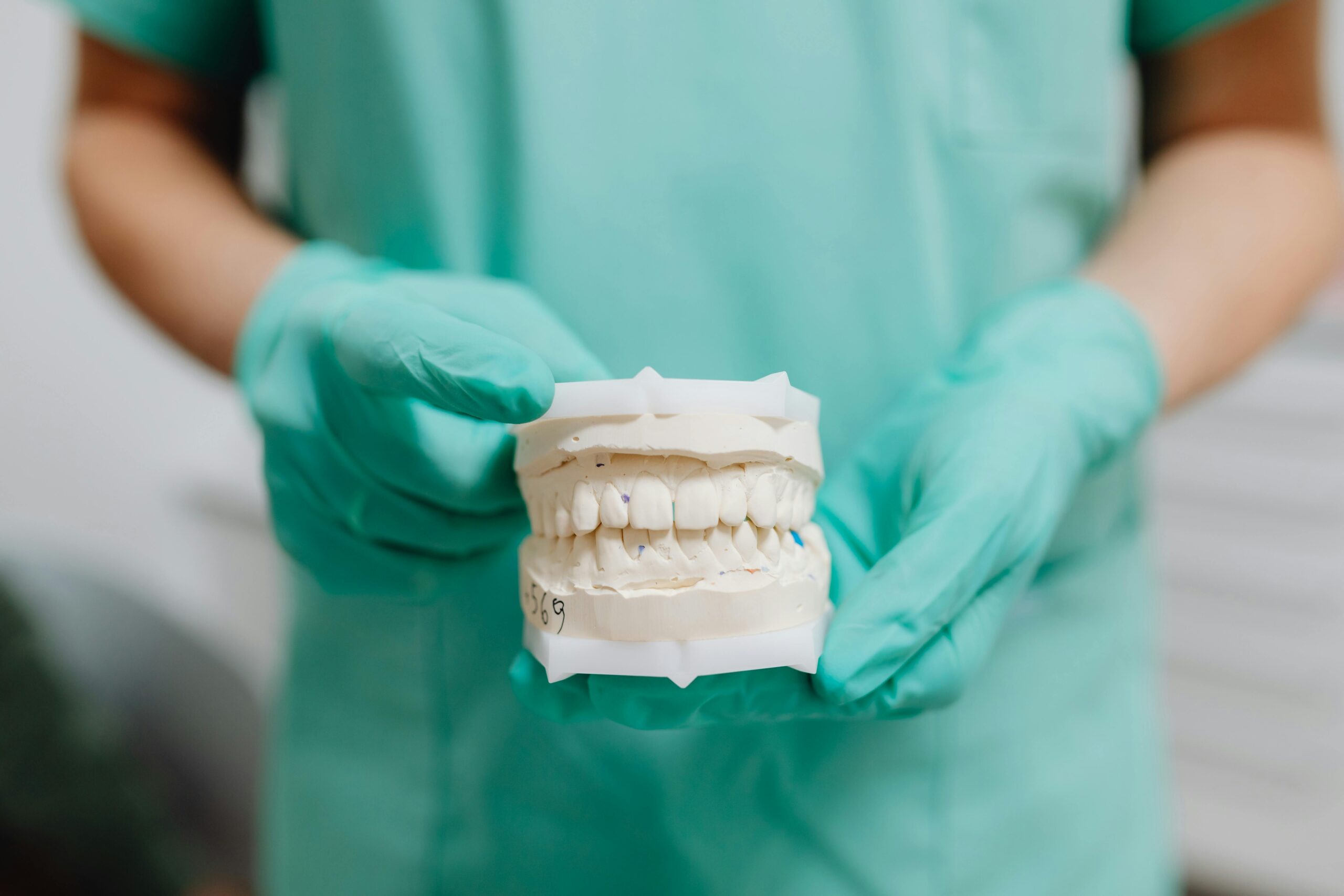

Understanding Your Dentist’s Treatment Plan
A treatment plan explains what is wrong, what your options are, and why a recommendation fits your mouth. It should outline steps, timing, risks and benefits, and what could happen if you wait. You deserve plain language and time for questions. Picture this: you are told you need a crown and a root canal today.
Good plans are based on findings your dentist can show you, like X‑rays, photos, and charting. For example, a deep cavity near the nerve may need more than a simple filling; if bacteria have reached the pulp, root canal treatment may be appropriate. Cracks, large old fillings, or weak tooth structure can justify a crown to prevent breakage. Your plan should also include alternatives, such as monitoring, a smaller restoration, or extracting a non-restorable tooth. Clear reasoning helps you judge value, not just cost.
If you wonder, is my dentist ripping me off, use this checklist to assess the plan:
- Diagnosis is named for each tooth, with tooth numbers and images you can view.
- Options are listed, including benefits, risks, and what happens if you delay care.
- Sequencing is logical, starting with urgent pain or infection and stabilizing first.
- Conservative choices are discussed when reasonable; invasive care is explained clearly.
- Expected lifespan and maintenance needs are described for each option.
- Second opinions are welcomed, and your questions are answered without pressure.
Bring prior records, ask to see the images, and repeat back what you heard to confirm understanding. You can also request written notes that summarize findings and options. If a crown is suggested, learn what it does and when it is indicated by reviewing practical information on crowns and bridges. A clear, evidence‑based plan helps you choose care with confidence, and sets up the next step: comparing options side by side. The right plan makes sense to you.
Red Flags in Dental Recommendations
Red flags are signs that a dental recommendation may not fit your needs. Watch for pressure, rushed decisions, or claims that feel too certain without proof. A quick scenario: you hear “you need five crowns today, no questions.” When advice outpaces evidence, pause and ask for clarity.
High-pressure tactics are a concern. “Today-only” discounts, countdowns, or warnings that disaster is imminent if you do not act now are not part of careful care. You should be able to see your images, receive copies of your records, and take time to think. If questions are brushed aside, or second opinions are discouraged, that is a warning sign. Quality care welcomes informed choices.
Clinical details matter. A “deep cleaning” should follow periodontal charting, with pocket depths and bleeding recorded; if no measurements are taken, the diagnosis is unclear. X-rays should match your risk and symptoms, not a fixed schedule at every visit without reason. Antibiotics alone for toothache, without a plan for the source of the problem, rarely solves it and can delay needed treatment. Recommending extraction and an implant for a tooth that appears restorable, without testing or discussing repair options, deserves a second look. Not all aggressive care is wrong, but it should be justified by findings you can see and understand.
Be cautious when cosmetic or elective procedures are presented as cure-alls. Veneers do not fix tooth grinding; the grinding must be managed. Whitening does not treat cavities or gum disease, and should not be offered before basic health is addressed. Replacing all old fillings “just because they are old,” or for vague “toxicity,” is not evidence-based if they are stable and symptom-free. Deep sedation for simple care without medical or anxiety reasons also warrants questions.
If you wonder, is my dentist ripping me off, slow down and ask for specifics: names of conditions, images, measurements, and alternatives. You can request a written summary and seek an independent opinion before deciding. Clear, measured explanations build trust; rushed, vague recommendations do not. Your mouth, your pace.
Evaluating Costs vs. Necessity
Evaluating costs versus necessity means asking whether a treatment will clearly improve health, comfort, or function enough to justify its price. Look at urgency, expected benefit, and what could happen if you wait. You are quoted two treatment paths with very different prices. The better choice is the one that meets your goals with the least risk and the most value over time.
Start with evidence. Necessary care is supported by findings you can see and understand, such as X-rays, photos, cavity depth, bite test results, or gum measurements. Urgent signs include swelling, fever, or severe, spontaneous pain, which raise the risk of waiting. If the proof is unclear, ask for an explanation in plain language, including how each option addresses the cause of the problem. A clear link between diagnosis and procedure helps you judge real need.
Next, compare total value, not just today’s bill. Consider how long a solution is expected to last, how it affects chewing and cleaning, and the cost if it fails. For example, a cracked tooth with a very large filling might be repaired in stages, protected with a stronger restoration, or removed with a plan for replacement. If removal is chosen, review practical information on partial dentures so you understand function, maintenance, and follow-up needs. This kind of side-by-side review keeps the focus on outcomes, not hype.
Phasing treatment can control costs while staying safe. Stabilizing a cavity, managing pain, or reducing inflammation first may allow time to plan a long-term fix. Ask what changes if you wait one, three, or six months, and whether the risk of a larger procedure rises. For third molars, for example, necessity depends on symptoms, position, and infection risk; if removal is proposed, ask to see the imaging and discuss alternatives with guidance on wisdom tooth removal. When you wonder, is my dentist ripping me off, tie every dollar to a clear health benefit and a documented need.
Good decisions balance proof, timing, and long-term value.
How to Gather Evidence for Treatments
Ask for copies of the information that supports each recommended treatment. This includes X-rays, photos, measurements, and a written summary that names the diagnosis for each tooth. Request labels on every item, with tooth numbers and simple explanations. Clear records make it easier to understand your options and decide with confidence.
At a checkup, you are told you need three crowns after a quick exam. Start with images. Bitewing X-rays help show cavities between teeth, while periapical X-rays show roots and the bone around them. Intraoral photos can reveal cracks, wear, or broken edges. Ask for digital copies of the original images, not just printouts, and have the dentist point out the areas of concern.
Next, collect measurements and test results. For gums, ask for pocket depths and bleeding points recorded by tooth and site. For a toothache, ask what tests were done, such as a cold test, tapping on the tooth, or a bite test, and have the results written down. Note what happens if you wait, for example the risk of infection or fracture, so you can weigh timing. This turns a vague recommendation into specific findings you can review later.
Organize your records in a folder with dates and tooth numbers. Include your medical history, medicines, and a short symptom timeline, such as when pain starts and what triggers it. Then request a brief plan that lists the order of care and alternatives for each problem. If a front tooth chip is involved, ask to compare a crown, a veneer, and a conservative repair with dental bonding information, so you can match treatment to your goals. Bringing the same packet to a second opinion helps you compare reasoning side by side.
If you are asking, is my dentist ripping me off, this process puts facts on the table and lowers the temperature. Evidence you can see, measure, and understand builds trust and guides smart choices. Keep good records, and let the findings lead the decision.
Questions to Ask Your Dentist
Ask clear, specific questions so you understand the problem and your choices. You are told you need three fillings today. Start with, “What exactly is wrong, and what caused it?” Then ask, “Can you show me on my X-rays or photos?” Follow with, “What are all my options, including waiting, and the pros and cons of each?”
Begin with the why and the proof. Ask, “Which tests support this, and how severe is it?” Clarify urgency by asking, “What signs mean I should act soon, and what happens if I wait?” Define success: “How will we know the treatment worked, and how long should it last?” Finally, review logistics: “What steps are involved, how many visits, and what is recovery like?” This turns a recommendation into a plan you can judge.
Compare options on everyday life, not just procedures. Ask, “How will this affect chewing, cleaning, and future choices if it fails?” Materials matter, so ask which will be used and why, and how they wear. Maintenance counts too: “What care will I need and how often?” If you feel anxious, ask about comfort methods and safety, including who monitors you and what checks are used; you can also review practical information on oral sedation approaches.
For missing or failing teeth, ask, “What are my repair and replacement paths, and can we phase them?” Request a written estimate and what could change it. Compare removable and fixed choices, and ask how timing affects bone and gum health. If implants are discussed, review stability, cleaning, and follow-up needs with accessible information on snap-in implant dentures. If you are asking, is my dentist ripping me off, these questions link care to evidence and comfort, not pressure.
Signs You Might Need a Second Opinion
You might need a second opinion when the recommendation feels unclear, rushed, or does not match your symptoms. If a big, irreversible treatment is suggested without solid tests you can see, pause. You should be shown images, measurements, and a named diagnosis for each tooth. A short scenario: you are told a healthy tooth needs a root canal today.
Look for a mismatch between findings and the plan. Pain that comes only when chewing is different from pain that lingers with cold; each suggests different problems. If no bite test, cold test, or gum measurements are recorded, the diagnosis is not complete. Be careful when a plan jumps straight to extraction, multiple crowns, or heavy sedation without explaining the cause, alternatives, and what happens if you wait safely. Irreversible care deserves clear proof.
Be cautious with cosmetic or convenience promises that seem to solve everything. Veneers change tooth shape and color, but they do not treat grinding, gum disease, or jaw pain. Clear aligners are not right for every bite or jaw issue. If enamel removal or bite changes are proposed mainly for looks, ask to compare conservative choices and review a practical porcelain veneers overview.
Large, life-changing plans need extra scrutiny. Full-arch extractions with implants can be helpful, yet some teeth may be savable with staged care. If you are offered a same-day, all-or-nothing approach, ask for imaging copies and a side-by-side of save-versus-replace paths. Reading balanced information on All-on-4 implant dentures can help you frame questions about maintenance, follow-up, and long-term risks.
Other signs include big plan changes between visits, a refusal to share records, or symptoms that continue after treatment without a clear next step. If you find yourself asking, is my dentist ripping me off, gather your images and notes, write your goals, and seek an opinion that explains the why and the how. A calm, evidence-based review builds trust and protects your health. Clarity and proof should lead the decision.
Researching Dental Procedures and Options
Researching dental procedures means finding clear, trustworthy information so you can compare choices. Start with the exact diagnosis your dentist gave you, then look up what that diagnosis usually needs. Use plain language, and aim for sources that teach, not sell. A quick scenario: you are told you need a procedure you have never heard of.
Begin with neutral sources. University dental school pages and specialty association sites often explain risks, steps, and follow-up in simple terms. Check how the procedure works, who is a good candidate, and what recovery looks like. For tooth movement, read a balanced, practical overview of clear aligners with this guide to Invisalign care and expectations. As you read, ask if the treatment fixes the cause of the problem, or only the symptoms.
Next, compare options on invasiveness, reversibility, and upkeep. Reversible or staged care can be safer when the diagnosis is uncertain. Look for typical lifespan ranges, common complications, and how the choice affects cleaning and future repairs. Cosmetic choices need the same scrutiny. For example, if you want brighter teeth, review benefits, limits, and sensitivity risks in this teeth whitening overview, then decide if timing and maintenance fit your life.
Bring what you learn back to your dentist. Ask them to confirm which details apply to your mouth, and what would change the plan. If you want to visit an office to compare options in person, check their current hours and take your records. If you find yourself wondering, is my dentist ripping me off, this kind of careful research ties every recommendation to a clear reason you can see and understand. Good research leads to calm, confident choices.
Trust Your Instincts: When to Question
Trust your instincts when a plan feels rushed, unclear, or out of proportion to your symptoms. Your gut is a signal to slow down and ask for proof, not a reason to refuse care. You should be shown images, measurements, and a named diagnosis for each tooth. Short scenario: a healthy-feeling tooth is labeled “non-restorable” without testing.
Start by asking for plain-language explanations and to see what the dentist sees. If the reason for treatment cannot be shown on X-rays, photos, or exam notes, press for details. Good care welcomes questions about alternatives, timing, and what happens if you wait safely. Your instinct is the prompt, evidence is the decider.
Question big, irreversible steps when basic tests are missing. A crown or extraction should follow findings that make sense, such as cracks on images, deep decay, or failed previous repairs. If pain is vague and no cold test, bite test, or gum charting is recorded, the diagnosis may be incomplete. Be cautious if deep sedation is suggested for simple care without clear medical or anxiety reasons; review balanced details in this guide to deep sedation use and safety.
Also pause when the plan does not match your story. Nighttime clenching, for example, needs bite protection or behavior changes, not only cosmetic fixes. If you feel pressured to decide today, ask for copies of your records so you can think. A calm second opinion can confirm urgency, offer a staged approach, or explain why waiting raises risk.
If you find yourself asking, is my dentist ripping me off, let that feeling trigger clear questions, written notes, and time to review. Instincts keep you alert, but proof guides the choice. Good care makes sense when you can see it.
The Importance of Transparency in Dentistry
Transparency means your dentist explains what is happening, why a treatment is recommended, and what alternatives exist. It includes clear evidence you can see, plain-language risks and benefits, and honest costs. When care is transparent, you can make informed choices without pressure. You are quoted a full‑mouth plan after a five‑minute exam.
Good transparency starts with the diagnosis. You should see X-rays, photos, and exam notes that name the condition for each tooth. The dentist should explain what each test shows and how it supports the plan. Next, you should hear the realistic outcomes, possible complications, and what changes if you wait. This clarity turns a confusing recommendation into a reasoned decision.
Beyond the diagnosis, transparency includes timing and phasing. Urgent problems, like infection or severe pain, come first, while non-urgent work may be safely delayed. You should be offered alternatives, from conservative repairs to replacement options, with the expected lifespan and upkeep for each. An itemized estimate helps you compare paths on value, not just price.
In everyday practice, this looks like written summaries, labeled images, and time for questions. You should be able to take copies of your records for a second opinion. If a dentist suggests elective or cosmetic changes, they should separate wants from needs and explain how the choice affects cleaning, chewing, and future repairs. When a plan changes, the reason for the change should be documented and easy to understand.
Transparency also means no surprises. Radiation needs should be explained, antibiotics should not replace fixing the cause, and sedation should match your medical needs and anxiety level. When information is shared openly, the question, is my dentist ripping me off, fades because you can connect each step to clear findings and goals.
If a recommendation ever feels unclear, the next step is to look for specific signs that deserve a pause. The following section outlines red flags to help you judge advice with confidence. Clarity builds trust, and trust protects your health.
Navigating Complex Treatment Plans
Navigating a complex plan means breaking it into clear steps, with a reason and goal for each. Ask what must be done now, what can safely wait, and what is optional. Short scenario: you are handed a three‑page plan with many visits. Your job is to understand the sequence, the checkpoints, and how each step solves a specific problem.
Good plans follow a sensible order. Urgent issues, like pain, swelling, or infection, come first. Next comes disease control, such as treating active cavities or gum inflammation, so later work lasts longer. Only after the mouth is stable do you move to long‑term fixes like crowns, bite correction, or tooth replacement. If several specialties are involved, ask who leads the sequence and how information is shared. This keeps care coordinated and prevents repeated work.
Every complex plan should have decision points. For example, a deep cavity might start with a protective filling and a recheck in six to eight weeks. If the tooth stays comfortable and tests normal, you can restore it; if symptoms appear, a root canal may be needed. This if‑then approach reduces guesswork and cost. When gums are involved, expect measurements before and after therapy to show progress. Clear checkpoints let you track success and adjust without surprises.
Timing and comfort also matter. Phasing treatment can spread costs and recovery, while still protecting your health. If anxiety or medical conditions affect visits, ask how appointments can be grouped, how long they will run, and what comfort options fit your health. Request updated written plans when something changes, with a brief note explaining why. Keep copies of images and test results so you can follow along and, if needed, compare opinions later.
When you wonder, is my dentist ripping me off, use the plan itself as your guide. Each step should tie to a finding you can see or a test result you understand, list alternatives, and note what happens if you wait. Clear sequencing, visible checkpoints, and honest updates turn a long plan into manageable, informed care. Clarity and phasing protect your time, money, and teeth.
Finding a Reliable Dentist
A reliable dentist explains findings in plain language, shows you the evidence, and gives real choices. You should understand what was found, why treatment is recommended, and what happens if you wait. They welcome questions and second opinions without pressure. Clear, consistent communication is the foundation of trust.
Picture this: you book a new‑patient exam after a rushed consult elsewhere. At a trustworthy office, the visit starts with your health history, goals, and symptoms, followed by a focused exam. X‑rays are recommended based on your risk and concerns, not a fixed schedule. The dentist points to areas of concern on images or photos, and describes how each test supports the diagnosis.
Reliable dentists make decisions visible. They provide labeled images, tooth numbers, and written notes that name the condition and outline options, including conservative choices when reasonable. Timing is discussed openly, with urgent problems addressed first and non‑urgent work phased to fit health and budget. You should hear expected lifespan ranges, upkeep needs, and how success will be measured, so you know what to expect over time.
Look for steady systems that protect your care. Consistent charting, re‑evaluation after initial therapy, and updates to the plan when findings change show attention to detail. If anxiety or medical issues matter, comfort options and monitoring are explained, along with who will be present and what safety checks are used. When complications occur, the next steps are laid out calmly, with documentation you can take home.
Before choosing, ask how the office shares records, how emergencies are handled, and whether second opinions are encouraged. Reviews can help, especially when they mention clear explanations and respect for patient pace. If you still wonder, is my dentist ripping me off, use these signals: evidence you can see, options that fit your goals, and time to decide. Good care feels understandable, measured, and patient‑centered.
Trust grows when reasons are shown and your questions are welcomed.
Steps to Take if You Feel Uncertain
Start by slowing down and asking for clarity. Request to see the images and notes that support each recommendation, then ask for a brief written summary with tooth numbers, diagnoses, and options. Take copies of X-rays and photos so you can review them at home. A quick scenario: you hear “three crowns today,” and you are not sure why.
Next, test the reasoning. Ask your dentist to explain what each image shows and how it links to the diagnosis. Clarify urgency by asking what changes if you wait a few weeks, and what signs mean you should act sooner. If the explanation is still unclear, schedule a separate conversation focused on your top questions. This keeps the discussion calm and specific.
Get an itemized estimate that matches the plan, not a single lump number. Ask how long each option typically lasts, what upkeep it needs, and what happens if it fails. Consider phasing care, for example treating pain or infection first, then reevaluating before elective steps. Phasing can protect your teeth and your budget while you gather more information.
Seek a second opinion when the plan feels out of proportion to your symptoms, or when irreversible steps are proposed without clear tests. Bring your records so the new dentist can focus on interpretation, not retesting. Tell both offices your goals, such as saving teeth when possible, keeping visits manageable, and avoiding surprises. Two independent explanations can make the path forward obvious.
Finally, check alignment with your health and comfort. Share your medical history, medicines, and any anxiety so safety plans can be tailored. Ask who will perform each step and how success will be measured at follow-up. If you find yourself asking, is my dentist ripping me off, these actions turn doubt into informed choice by tying every recommendation to visible evidence and your goals.
Clarity first, then decisions.
Frequently Asked Questions
Here are quick answers to common questions people have about Is Your Dentist Ripping You Off? in Glendale, AZ.
- What should I look for in a treatment plan to ensure it’s legitimate?
A legitimate treatment plan should clearly name each diagnosis, include visuals like X-rays, and offer a sequence that starts with the most urgent issues. Alternatives should be discussed, and the plan should list the risks and benefits of each option. It’s also important to have a realistic idea of the expected outcomes and maintenance requirements. This information helps you understand the value and necessity of the proposed treatments, which can ease concerns about being overcharged.
- How can I tell if a dental recommendation is more about cost than care?
Be wary if a recommendation comes with high-pressure tactics like rushed decisions or time-limited offers. Good care is based on visible evidence and logical sequencing, not urgency unrelated to health. A dentist who focuses on patient education and offers alternatives, including less invasive options when appropriate, prioritizes care over cost. Ensuring the advice matches your symptoms helps separate necessary treatments from financially motivated ones.
- Is it okay to ask for a second opinion on dental treatments?
Yes, seeking a second opinion is often a wise choice, especially for major or irreversible treatments. If a plan seems disproportionate to your symptoms or lacks clear evidence, another dentist can provide further insight. Bringing your records to the second consultation helps focus on interpretation rather than repeating tests, allowing you to make a more informed decision.
- What red flags should I watch for in dental care recommendations?
Red flags include pressure to make immediate decisions, lack of detailed explanations, and treatments recommended without supporting evidence like X-rays or charting. Proposals that tout one-size-fits-all solutions for cosmetic or convenience reasons should also be carefully evaluated. Transparent and thoughtful explanations from your dentist help ensure that recommendations are appropriate.
- How can I verify the necessity of a proposed dental procedure?
Verify necessity by asking for the evidence behind the recommendation. This includes diagnostic images, measurements, and a detailed explanation of how the procedure addresses the root issue, not just symptoms. Review how the procedure fits into a long-term plan that enhances health, comfort, and function. Understanding these elements can reinforce trust in the necessity of the procedure.
- Why is transparency important in dental care?
Transparency in dental care involves clear communication of what’s happening, why certain treatments are recommended, and what alternatives exist. This allows you to make informed decisions without pressure, encouraging trust and ensuring that each dollar spent ties directly to a tangible health benefit. A transparent approach can diminish doubts and fears about being overcharged or receiving unnecessary care.