Understanding Full Arch Occlusion Principles
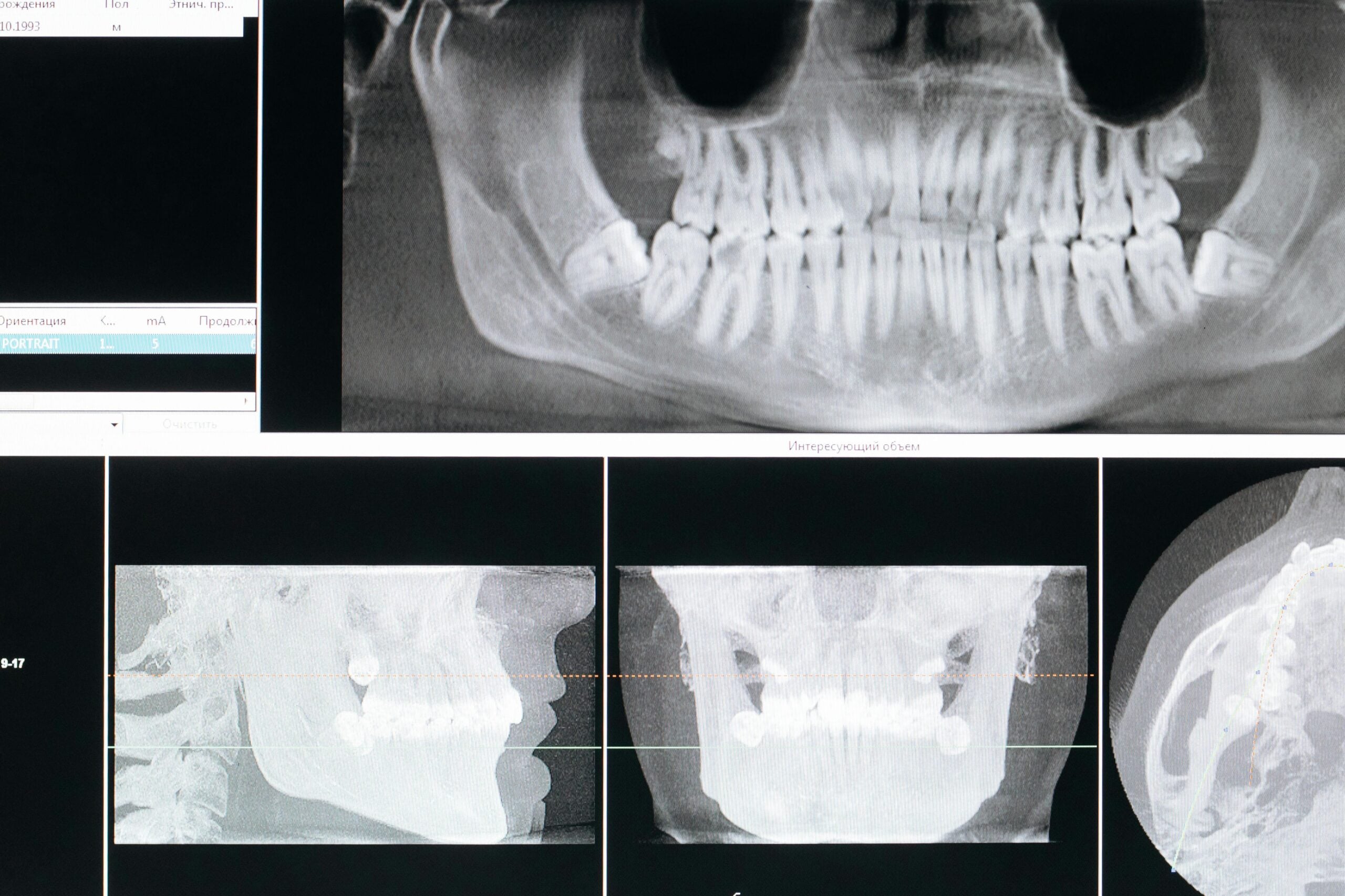
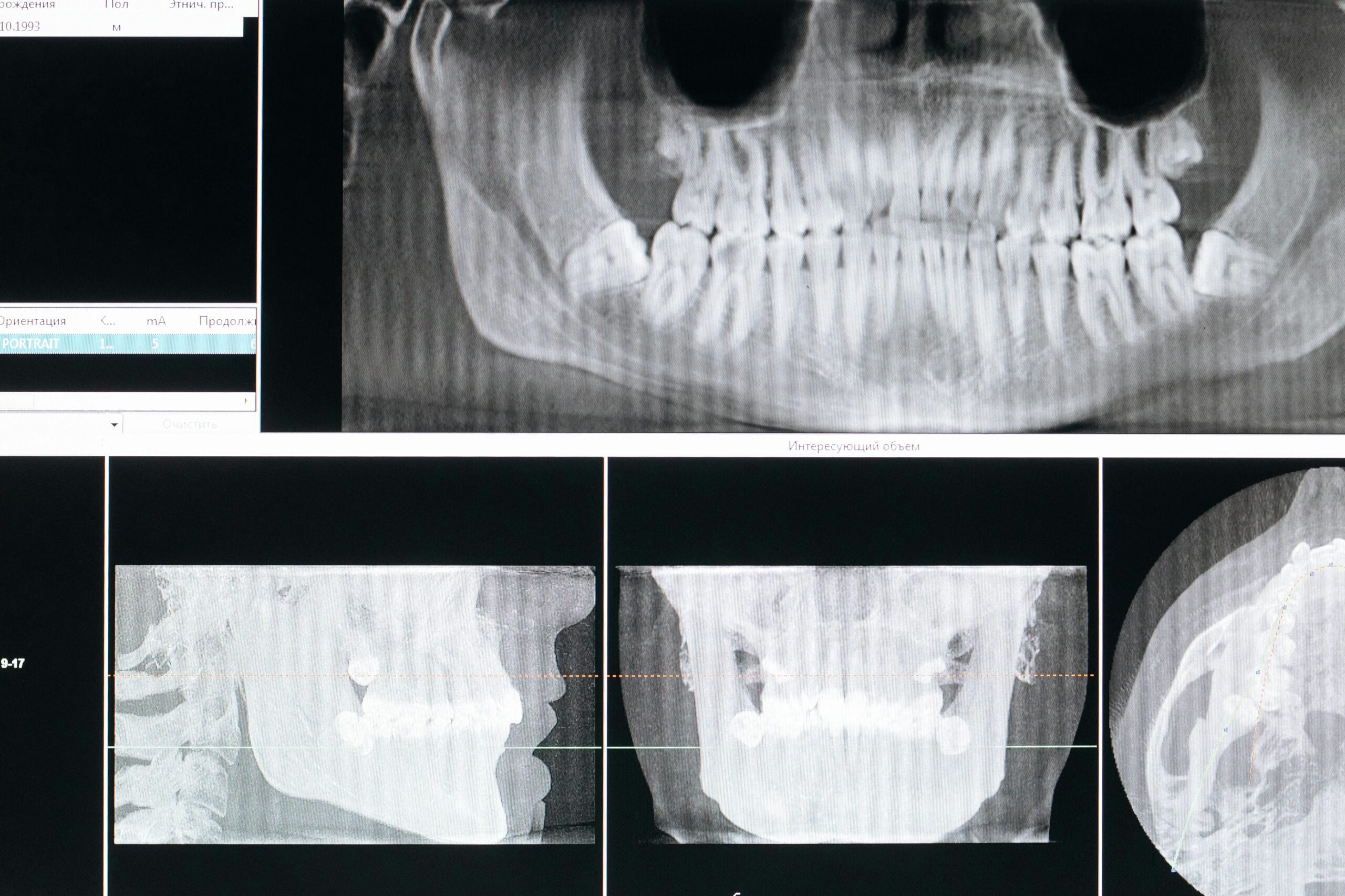
Full-arch occlusion is about how your upper and lower teeth or implants meet so you can chew comfortably and protect the restorations. In simple terms, we aim for stable back-tooth contact when you close, and smooth front-tooth guidance when you slide side to side or forward. These patterns share the chewing load and reduce stress on the teeth, implants, and joints. Imagine biting into a sandwich without one side sliding.
Implants do not have ligaments like natural teeth, so they do not “give” under load. That is why full-arch plans favor vertical, centered contacts, shallow cusp angles, and narrow chewing surfaces to reduce side forces. Occlusal overload is a key risk factor for screw loosening, chipping, and framework issues in implant-supported full-arch restorations, so we work to limit lateral forces and cantilevers [1]. These ideas apply to fixed bridges and also to removable options like removable snap-in implant dentures.
Jaw position and jaw height matter too. The vertical dimension of occlusion, the space between arches when teeth are together, affects speech, facial support, and chewing efficiency. We establish it using records, phonetics, rest space, and patient comfort, then test it with a try-in or provisional before finalizing [2]. For guidance, mutually protected occlusion or gentle group function often suits fixed full-arch work, while fully balanced schemes are typically reserved for complete dentures.
At delivery, a simple occlusion checklist helps protect the case:
- Even, light bilateral posterior contact in your stable closing position.
- Feather-light front contact in closure, with smooth anterior guidance in excursions.
- No “balancing-side” interferences during side movements.
- Short, controlled cantilevers within the framework’s design limits.
- Narrower posterior chewing surfaces and shallow cusps to reduce sideways load.
- Occlusal guard for clenching or grinding when appropriate.
For patients, good occlusion means fewer chips, fewer sore spots, and more efficient chewing. If you are considering fixed full-arch implants such as full-arch implants such as All-on-4, these principles guide planning so the final smile feels natural and lasts. A stable bite protects your investment.
Importance of Proper Bite Alignment
Proper bite alignment means your teeth or restorations meet evenly and predictably when you close and move your jaw. This balance lets you chew efficiently, protects teeth and implants from extra stress, and helps the jaw joints and muscles stay comfortable. A well-aligned bite also supports clear speech and reduces the chance of chipping or loosening.
Picture biting a crisp apple and feeling both sides engage at the same time. When one side hits early, your jaw reflexively shifts to avoid that high spot. That shift can overload specific teeth, implant components, or the jaw joints. Over time, this may show up as muscle fatigue, clicking joints, wear facets, or fractured porcelain. In full-arch work, even small contact errors can add up across the span, making the bridge feel unstable during chewing.
Good alignment spreads forces along the long axes of teeth and implants, which they tolerate better than sideways shear. Smooth front-tooth guidance helps steer the jaw so the back teeth do not collide during side or forward movements, reducing joint strain and technical complications. For natural teeth, this balance preserves enamel and fillings. For implant-supported arches, it helps limit micromovement at screws and abutments, supporting long-term stability.
Clinically, we confirm alignment in steps. Records guide the initial setup, then provisional restorations are adjusted to comfort and function. At delivery, we check contacts in your natural closing path and during jaw movements, fine-tuning until contact is light, even, and smooth. Follow-up is important because bite patterns can change as muscles adapt and tissues settle. If you clench or grind, added protection may be recommended to keep forces under control.
For patients, the result is simple: chewing feels easier, teeth or implants last longer, and visits for repairs are less likely. These are the practical goals behind full arch occlusion principles. A stable bite supports comfort and longevity.
Key Considerations for Durable Prostheses
Durable prostheses depend on three things working together: controlled bite forces, a precise passive fit, and a design that is easy to clean. For full-arch care, we focus on cross-arch stability, centered chewing contacts, and materials that handle daily wear. These choices help reduce chipping, screw issues, and undue stress on the supporting teeth or implants.
Imagine chewing toast and feeling steady pressure on both sides without any rocking. That stability starts with a rigid, passive framework so screws hold parts together without internal strain. We place and shape contacts so chewing loads sit over the supports, not out on the edges, and we smooth steep cusps or sharp transitions that can pry against ceramics. Screw access areas are blended into the occlusal surface so forces are spread, not concentrated, around them.
Durability also depends on what the prosthesis bites against. Natural teeth are cushioned by ligaments, while implants are not, so guidance and contact strength are adjusted to keep sideways shear low. When alignment is crowded or tipped, selective reshaping or pre-prosthetic tooth movement can improve force direction and reduce future adjustments; in some cases, careful pre-prosthetic tooth alignment with Invisalign can help set a more stable foundation. A well-planned provisional phase lets us “test drive” speech and chewing, then refine the final. Early follow-up is important to retorque screws after settling and to fine-tune contacts. Over time, natural teeth may shift slightly, but implants do not, so periodic bite checks keep forces balanced.
Cleansable contours are another durability key. A smooth, convex tissue surface that you can reach with floss threaders or brushes helps limit plaque and inflammation around implants, protecting the bone that supports the prosthesis. Daily home care, plus scheduled maintenance visits for professional cleaning and occlusal review, lowers complication risk. These same ideas guide segmental work too, such as well-designed crowns and bridges, so the bite stays comfortable and repairs stay rare. In short, full arch occlusion principles and cleanable design work together to make prostheses last.
Common Occlusion Issues in Full Arches
Common occlusion issues in full arches include uneven biting contacts, rocking during chewing, and heavy side contacts that chip or loosen parts. Other problems are too much force on back extensions, loss of smooth front-tooth guidance, and bite changes as materials wear. You chew pizza and notice one side hits first. Understanding full arch occlusion principles helps prevent many of these problems.
Small “high spots” can act like wedges. Because full-arch frameworks are rigid, one raised area can tilt the entire bridge, creating a see-saw effect and sore areas. Side-to-side interferences convert vertical chewing into sideways shear, which is more likely to chip ceramics or loosen screws. If the prosthesis extends beyond its supports, that back edge works like a lever, concentrating stress at the screws or bone. When front teeth do not guide movements, the back teeth collide during excursions, adding muscle strain and wear.
Bite errors can also creep in over time. Acrylic or composite teeth may wear faster than ceramics, lowering the bite and changing contact patterns. Natural teeth that oppose an implant arch can shift slightly, while implants do not, which may create new high spots. Nighttime clenching or grinding adds repeated microtrauma, increasing the risk of fractures or screw settling. Vertical dimension set too high can cause muscle fatigue and clicking joints; set too low, it can reduce chewing efficiency and alter speech.
Clinically, we look for light, even contacts in your natural closing path, then confirm smooth movements without back-tooth collisions. We reduce steep cusps, center contacts over supports, and keep back extensions short to limit leverage. Provisional restorations help us “test drive” these settings before the final, and early follow-up allows retightening and fine-tuning after initial settling. If you clench or grind, a protective night appliance can keep forces within safer limits and preserve the bite you paid for.
For patients, the signs to report are rocking, sharp twinges on one tooth, cheek biting, or new chipping. Quick adjustments can prevent bigger repairs later. A stable, even bite keeps full-arch work comfortable and reliable.
Maintaining Occlusion During Treatment
Maintaining occlusion during treatment means keeping your bite even and predictable at every step, from records to final delivery. We do this by capturing a stable jaw position, building provisionals that follow those records, and checking contacts at each visit. You get a new provisional and one side feels high. Early, careful adjustments keep chewing smooth and protect the work in progress.
We start by recording how your jaws meet and how tall the bite should be, then lock those settings into simple guides so each next step matches the plan. When a provisional is placed, we confirm it seats fully without rocking, then fine-tune contacts in your natural closing path before shaping smooth forward and side movements. This sequence matters because small errors made early can grow as the case advances. Using thin and regular marking papers together helps separate heavy closure spots from movement marks, so corrections stay precise. After adjustments, we reassess without hand-guiding the jaw to be sure your muscles can find the same, repeatable bite on their own.
Bites can shift during healing or tooth movement, so we expect to recheck and remount provisionals as needed. Acrylic or composite provisionals may change slightly after processing and wear, so a short follow-up to re-level contacts often pays off. If one arch is on implants and the other is natural teeth, we keep implant contacts light in closure and rely on gentle front-tooth guidance to steer movements, which helps limit sideways stress. When immediate loading is used, we trim back extensions and keep contact points centered to lower leverage while tissues settle. These habits are simple, but they keep the plan on track without surprises.
For patients, this means fewer sore spots, fewer mid-course remakes, and a bite that feels normal as the smile takes shape. The same careful approach supports segmental care too, like crafting well-balanced partial dentures that mesh smoothly with natural teeth. Consistent check-ins and small, timely adjustments are the practical side of full arch occlusion principles. Stable bites are built step by step.
Impact of Jaw Relationships on Function
Jaw relationships describe how your upper and lower jaws fit together in front-back, side-to-side, and vertical directions. These relationships shape how you chew, speak, and rest your jaw. They also decide where chewing forces land, which matters even more with full-arch restorations and implants. Think of how your bite changes if you slide your jaw forward to catch a sandwich.
Front-back differences change guidance and contact patterns. In a Class II bite, upper front teeth sit farther ahead, often with a deep overlap. That can create steep front guidance and risk back-tooth collisions when you move forward unless we smooth those pathways. In a Class III bite, the front teeth may be edge-to-edge, so front guidance is limited. We then share side contacts across several back teeth to keep forces controlled and comfortable.
Vertical and transverse relationships matter too. An open bite reduces front contact, so chewing leans on the back teeth, which can tire muscles and wear surfaces faster. A deep bite loads the front teeth more, so we flatten guidance and spread forces to the back where supports are strongest. Crossbites or midline shifts change muscle pull and can create heavy working or nonworking side contacts. Centering contacts over supports, and keeping extensions short, helps avoid leverage and rocking.
The jaw joints and their paths also guide function. Your condyles move along the articular eminence when you chew. If that path is steep but your front guidance is too flat, back teeth may collide during movements. Recording joint paths and matching them with gentle front guidance keeps motions smooth. With implants, there is no ligament cushion, so we keep anterior contacts light and lateral movements shallow, adjusting to the specific jaw relationship. Provisional restorations let us verify speech, comfort, and chewing before the final is made.
For patients, this means the bite feels natural, chewing is efficient, and joints stay calm. Clear mapping of jaw relationships, aligned with full arch occlusion principles, protects both comfort and the prosthesis. Small alignment choices make big daily differences.
Materials and Their Role in Occlusion
Materials shape how we design and fine‑tune a bite. Harder ceramics keep contacts stable, while softer resins wear and adapt more easily. In full‑arch work, this balance guides where we place contacts, how steep the cusps are, and how smooth the jaw glides. The goal is chewing comfort with low stress on teeth, implants, and joints.
You bite a tortilla chip and feel one sharp spot on a back tooth. With very hard materials like monolithic zirconia, contacts tend to stay where we set them, which is good for stability. Because they can transmit force efficiently, we keep contacts light and centered, use shallow guidance, and polish carefully to limit wear on opposing teeth. Softer options like acrylic or composite allow tiny “self‑adjustments” through wear, which can be more forgiving on implants, but they need periodic maintenance.
Layered ceramics look natural, yet the junction between the core and veneer can chip if lateral forces are high. That is why we avoid steep cusp angles and heavy side contacts on layered surfaces, and favor smooth anterior guidance to steer movements. Monolithic designs reduce veneer chipping risk, but still benefit from narrow chewing surfaces and short cantilevers to keep leverage low. These design choices let the material work with the bite, not against it.
Frameworks matter too. A rigid metal or zirconia framework supports even contact across the arch, while the chosen occlusal surface, ceramic or resin, sets how the bite will adapt over time. If the opposing arch is natural teeth, we choose polished, less abrasive surfaces; if it is another prosthesis, we coordinate materials so one side does not quickly wear the other. In every case, the material plan and the occlusal scheme are paired from the start so adjustments stay small and predictable.
For patients, this means fewer chips, smoother chewing, and simpler maintenance. Material selection is matched to habits, space, and full arch occlusion principles so the bite stays stable and comfortable. Smart material choices protect your smile’s function.
Adjustments for Optimal Comfort and Function
Adjustments are small, careful changes to the biting surfaces so your jaw closes evenly and moves smoothly. We make them when a new full-arch or bridge is placed, then fine-tune at early checks as you start chewing. The aim is steady chewing, calm muscles, and protected teeth or implants. You chew a salad and feel one back tooth hit first.
We begin in your natural closing path, marking where teeth or prosthetic teeth first touch. High spots are smoothed until both sides meet at the same time with light, centered contact. Next, we shape gentle forward and side movements so the front teeth guide and the back teeth do not collide. This sequence reduces sideways forces, which are harder on ceramics and screws than straight, vertical loading. These steps reflect full arch occlusion principles while staying tailored to your mouth.
Implants are rigid, so we keep their contacts light and vertical, then limit side contacts to avoid leverage. If a prosthesis extends behind its supports, we shorten and flatten that area so it cannot act like a pry bar. Narrowing wide chewing surfaces and softening steep cusps can also lower stress without changing your bite height. When natural teeth oppose a full-arch prosthesis, we match guidance carefully and keep polished, smooth surfaces to protect enamel. After any reshaping, we repolish thoroughly so chewing feels natural and wear stays low.
Function is checked during real movements, not just tapping together. We ask you to chew, talk, and slide gently to confirm smooth, repeatable paths. Small changes may be needed as muscles relax and tissues settle in the first weeks, so an early follow-up helps lock in comfort. If you clench or grind, a protective night appliance can keep forces in a safer range and preserve these settings. Thoughtful adjustments turn a good fit into a bite that feels effortless every day.
Small, precise adjustments keep comfort high and repairs low.
Assessing Occlusion Post-Placement
Assessing occlusion post-placement means checking how your new teeth meet when you close and when you move your jaw. We confirm that contacts are even and light in your natural bite, and that front teeth guide smoothly so back teeth do not collide. You gently tap, slide, speak, and chew while we watch, mark, and fine-tune. The goal is comfort and protection of the prosthesis and supporting structures.
We begin with your natural closing path, without hand-guiding the jaw. Thin and regular marking papers are used together to find first contact points, then to map movement marks. Different colors help separate closure from excursion marks so adjustments stay precise. High spots are reduced until both sides touch at the same time with light, centered contacts. A quick real-world check is simple: you tap and no single area feels “high” or sharp.
Next, we assess movements. In gentle side and forward slides, front teeth should guide, and back teeth should not clash. Any nonworking-side interferences are removed because they convert vertical chewing into sideways shear. For implant-supported arches, contacts in closure are kept light and vertical, and lateral contacts are minimized to limit leverage. Cantilever areas are checked last and kept short, with flattened contacts if present, to prevent a pry-bar effect during chewing.
Fit and stability are verified before finalizing the bite. We ensure the prosthesis is fully seated without rocking, then recheck the occlusion after any screw retightening. Shim-stock or thin foil can confirm whether a contact is holding or just brushing, which keeps adjustments conservative. Speech sounds, especially “s” and “f,” help confirm the vertical dimension and tooth position feel natural. We also screen muscles and joints for tenderness, since soreness can signal hidden interferences.
Follow-up matters because muscles adapt and materials settle. A short visit in the first weeks allows retightening where indicated, light reshaping of fresh wear spots, and confirmation that chewing and speech remain smooth. If you clench or grind, a protective night appliance may be advised to preserve these settings. These steps reflect full arch occlusion principles and keep function predictable day to day. Small, careful checks now prevent bigger fixes later.
Frequently Asked Questions
Here are quick answers to common questions people have about Occlusion Rules for Full-Arch Success in Glendale, AZ.
- What are the key principles of full arch occlusion?
Full arch occlusion principles focus on how teeth or implants meet to enhance chewing comfort and protect dental restorations. The main targets include stable back-tooth contact on closure and smooth front-tooth guidance during movements. These help distribute chewing forces and reduce stress on teeth, implants, and joints. Implants require special attention as they lack natural tooth ligaments, so reducing side forces through vertical, centered contacts and shallow cusp angles is critical. This approach helps avoid risks like screw loosening and chipping, particularly in implant-supported restorations.
- Why is proper bite alignment important for full arch prostheses?
Proper bite alignment ensures evenly distributed contacts during jaw movements, which contributes to chewing efficiency and reduces stress on dental structures. Misalignment can cause one side to make contact before the other, leading to jaw shifts that overload certain areas. This may result in muscle fatigue, joint stress, or damage to prostheses. Tracking contact patterns carefully is essential in full-arch work as small errors can compound and lead to discomfort or damage over time.
- How do jaw relationships affect full arch occlusion?
Jaw relationships define how your upper and lower jaws fit together, influencing chewing, speech, and force distribution. For instance, a Class II bite might cause steep front guidance, increasing the risk of back-tooth collisions, while a Class III bite may spread force across several back teeth. Understanding these jaw dynamics helps in planning the occlusal scheme and ensuring that contact patterns are controlled, supportive, and comfortable.
- What role do materials play in occlusion for full arch restorations?
Materials determine how durable and adaptable an occlusion can be. Hard ceramics maintain stable contacts over time, providing durability but potentially transferring forces harshly. In contrast, softer materials like resin can adapt slightly, offering more forgiving interactions with implants but requiring maintenance. Selecting the right material involves balancing stability, appearance, and the expected forces in the mouth to ensure longevity and comfort.
- How are occlusal adjustments made for full arch prostheses?
Adjustments involve refining the biting surfaces to ensure even, smooth jaw motion. After placing a prosthesis, dentists mark high contact spots, then carefully smooth these areas to distribute forces evenly. This may involve shaping for gentle forward and lateral movements. The goal is to minimize sideways stress, which can damage ceramics or implants, while keeping vertical loading comfortable and natural-feeling. Frequent early follow-ups help ensure stability and comfort as you adapt to the new prosthesis.
References
- [1] Occlusion and Biomechanical Risk Factors in Implant-Supported Full-Arch Fixed Dental Prostheses-Narrative Review. (2025) — PubMed:39997342 / DOI: 10.3390/jpm15020065
- [2] Vertical dimension of occlusion in implant dentistry: significance and approach. (2002) — PubMed:11915543 / DOI: 10.1097/00008505-200201000-00012