Defining Airway-Friendly Orthodontics
Airway-friendly orthodontics is an approach to straightening teeth that also considers how you breathe. It looks at nasal breathing, tongue posture, jaw growth, and sleep symptoms when planning care. The goal is a healthy bite that works well with a clear, stable airway through life. This airway friendly orthodontics overview explains what that means in everyday care.
Picture a child who snores and struggles to keep lips closed during sleep. In this approach, we do not only measure crooked teeth. We also ask about sleep, allergies, and daytime focus. We examine lip seal, tongue size and mobility, tonsil visibility, and nasal airflow. Imaging and growth records help us see jaw shape and space for the tongue. These details guide timing and appliance choices so teeth, jaws, and breathing habits support each other.
- Thorough assessment of breathing, habits, growth, and bite.
- Growth-guided timing in children to support jaw and arch development.
- Habit change and myofunctional exercises to improve tongue and lip function.
- Appliances chosen for goals, such as expanders, braces, or clear aligner therapy.
- Collaboration with primary care, sleep medicine, and ENT when needed.
- Realistic goals, with follow-up to keep results stable.
For growing patients, careful expansion and guidance can create space for teeth and the tongue, which can support nasal breathing habits. For adults, treatment focuses on a stable bite and screening for airway concerns, with referrals when medical care is needed. Braces or aligners alone do not treat sleep apnea, but they can be one part of a plan when combined with medical support. The key idea is simple: breathe well, sleep well, bite well. Next, we outline how we evaluate airway and growth before choosing any appliance.
Key Differences from Traditional Orthodontics
Traditional orthodontics focuses on straight teeth and a stable bite. Airway-friendly orthodontics adds breathing and sleep to the treatment plan. It asks how the jaws, tongue, and nasal passages work together, then shapes care to protect space for the tongue and support nasal breathing. This airway friendly orthodontics overview highlights how goals and decisions change when the airway is part of the picture.
Consider a teen with crowding who mouth breathes at night. In a traditional plan, the main aim is alignment and bite correction on a set timeline. In an airway-focused plan, the first step is a careful history of sleep, allergies, and daytime focus, plus an exam of lip seal, tongue mobility, and nasal airflow. The goal becomes twofold: align teeth and guide growth or mechanics in a way that does not narrow airway space.
Treatment tools are chosen and timed differently. Traditional care may rely on braces or aligners alone, sometimes with extractions for space. Airway-friendly care may use gentle arch development, guided jaw growth in children, and tongue and lip training, so teeth sit in an arch that fits the tongue. Adults are managed with stable tooth movement and attention to bite forces, while screening for snoring or sleep apnea prompts medical referral when needed. This approach also values habit change and long-term stability, not just short-term alignment.
Assessment methods differ as well. Beyond photos and models, airway-focused teams review sleep symptoms, check nasal patency, and use imaging to understand jaw shape and tongue room. Collaboration with primary care, sleep medicine, or ENT is common when findings suggest obstruction. Importantly, orthodontic tools do not replace medical treatment for sleep disorders, but they can support better function when planned with the airway in mind. Next, we will show what an airway-first exam includes and how it guides appliance choice.
The Importance of Airway Health
Airway health matters because steady, quiet breathing supports sleep, growth, and day‑to‑day focus. In orthodontics, it also shapes how the jaws grow and how stable a bite can be over time. When we protect space for the tongue and support nasal breathing, teeth usually fit and function better. In this airway friendly orthodontics overview, airway health is a core part of every decision.
Picture an adult who snores, wakes with a dry mouth, and feels tired by noon. When the airway works well, the tongue rests on the palate, lips seal gently, and nasal passages move air with little effort. This posture helps the upper jaw widen naturally, keeps dental arches roomy, and reduces strain on jaw joints. If breathing shifts to the mouth, the tongue drops low, arches can narrow, and sleep can turn restless. Over time, this may show up as crowded teeth, open lips at rest, or grinding during sleep.
Airway health also guides clinical choices. Moving teeth without considering tongue space can make sleep or jaw tension worse, even if teeth look straight. In growing patients, careful arch development and timing can improve nasal airflow and give the tongue a home it can keep. Adults benefit from stable tooth movement, plus screening for snoring, fragmented sleep, and morning headaches. Braces or aligners do not treat sleep apnea on their own, so we coordinate with primary care, sleep medicine, or ENT when medical treatment is needed. Habit training, nasal care for allergies, and myofunctional exercises often help results last.
For families, the signs worth noticing include nightly snoring, mouth‑open sleep, bed‑time restlessness, morning headaches, or daytime sleepiness. If these are present, an airway‑first exam helps us choose safe, effective orthodontic steps and the right medical partners. Next, we will explain how we evaluate breathing, growth, and bite before selecting any appliance. Healthy breathing supports healthy smiles.
How Orthodontics Can Impact Breathing
Orthodontics can influence breathing because tooth and jaw positions shape tongue space and how air moves through the mouth and nose. Some treatments create more room for the tongue and support nasal breathing, while poorly planned moves can crowd that space. Certain sleep appliances also shift the lower jaw forward at night to help keep the airway from collapsing.
At bedtime, a child sleeps with lips slightly apart. In growing patients, carefully guiding upper jaw width and bite encourages the tongue to rest higher and the lips to seal, which supports nasal habits. Habit training matters too. When orthodontic care is paired with exercises for the tongue and lips, mouth‑breathing patterns can improve in patients with malocclusion [1]. These steps work best when timed to growth and matched to each person’s airway findings.
For adults, clear goals and safeguards are essential. Mandibular advancement devices, often used for snoring or sleep apnea, can improve airway patency during sleep but may cause tooth movement or bite changes over time, so monitoring is needed [2]. Because sleep‑disordered breathing is a medical condition, orthodontic input should be coordinated with primary care, sleep medicine, or ENT for diagnosis and treatment planning [3]. In the clinic, this means aligning teeth in a way that preserves tongue space, checks bite forces, and fits with any medical therapy.
What should patients expect? An airway‑first exam looks at nasal airflow, tongue mobility, lip seal, and sleep symptoms before any appliance is chosen. The plan may include gentle arch development in children, stable tooth movement in adults, and targeted habit training. Orthodontics does not replace medical care for sleep disorders, but it can support better function when coordinated well. This airway friendly orthodontics overview sets the stage for how we evaluate breathing, growth, and bite next. Breathing and bite work best when planned together.
Components of Airway-Guided Treatment
Airway-guided treatment blends orthodontics with careful attention to breathing and sleep. Core components include a detailed history, an airway-focused exam, growth-aware planning, targeted habit training, and appliances chosen to protect tongue space. Collaboration with medical providers and steady follow-up help keep results functional and stable.
Picture a seven-year-old who snores and struggles to keep lips closed at night. The visit starts with questions about sleep quality, nasal allergies, mouth breathing, and daytime focus. The exam checks lip seal, tongue posture and mobility, chewing and swallow patterns, and nasal airflow at rest. We also look at tonsil visibility, jaw joint comfort, and head and neck posture. Baseline records may include photos, digital models, and imaging when indicated to assess jaw shape and tongue room.
Treatment planning builds from these findings. Habit support often comes first, such as nasal hygiene guided by a primary care clinician, allergy management through a physician, and simple exercises to improve tongue and lip function. In growing patients, gentle arch development and guided jaw growth are timed to create room for teeth and the tongue while encouraging nasal breathing. In adults, tooth movement aims to align the bite without stealing tongue space, with screening for snoring or sleep apnea and referral to sleep medicine or ENT when needed. Nighttime mandibular advancement devices are medical therapies; orthodontic care coordinates around them to preserve bite stability.
Appliance choice follows the goals, not the other way around. Expanders, braces, or aligners are used only when they fit the airway and bite plan, and adjustments are paced to allow tissues and habits to adapt. Retention is designed with function in mind. Stable results depend on a tongue that rests to the palate, lips that seal gently, and nasal passages that move air with little effort. Follow-up visits review sleep symptoms, nasal comfort, and bite forces, not just tooth alignment.
For patients and families, this airway friendly orthodontics overview means treatment is built around how you breathe, sleep, and chew, not just how teeth look. Better function supports lasting smiles.
Evaluating Patient Needs for Orthodontics
Evaluating patient needs for orthodontics means matching goals, health history, and exam findings to the right timing and treatment. We look at bite, jaw growth, breathing and sleep, and oral habits to decide if care is helpful now, later, or not needed. Risks, benefits, and alternatives are reviewed so choices are clear. The aim is safe, effective care that supports function and long-term stability.
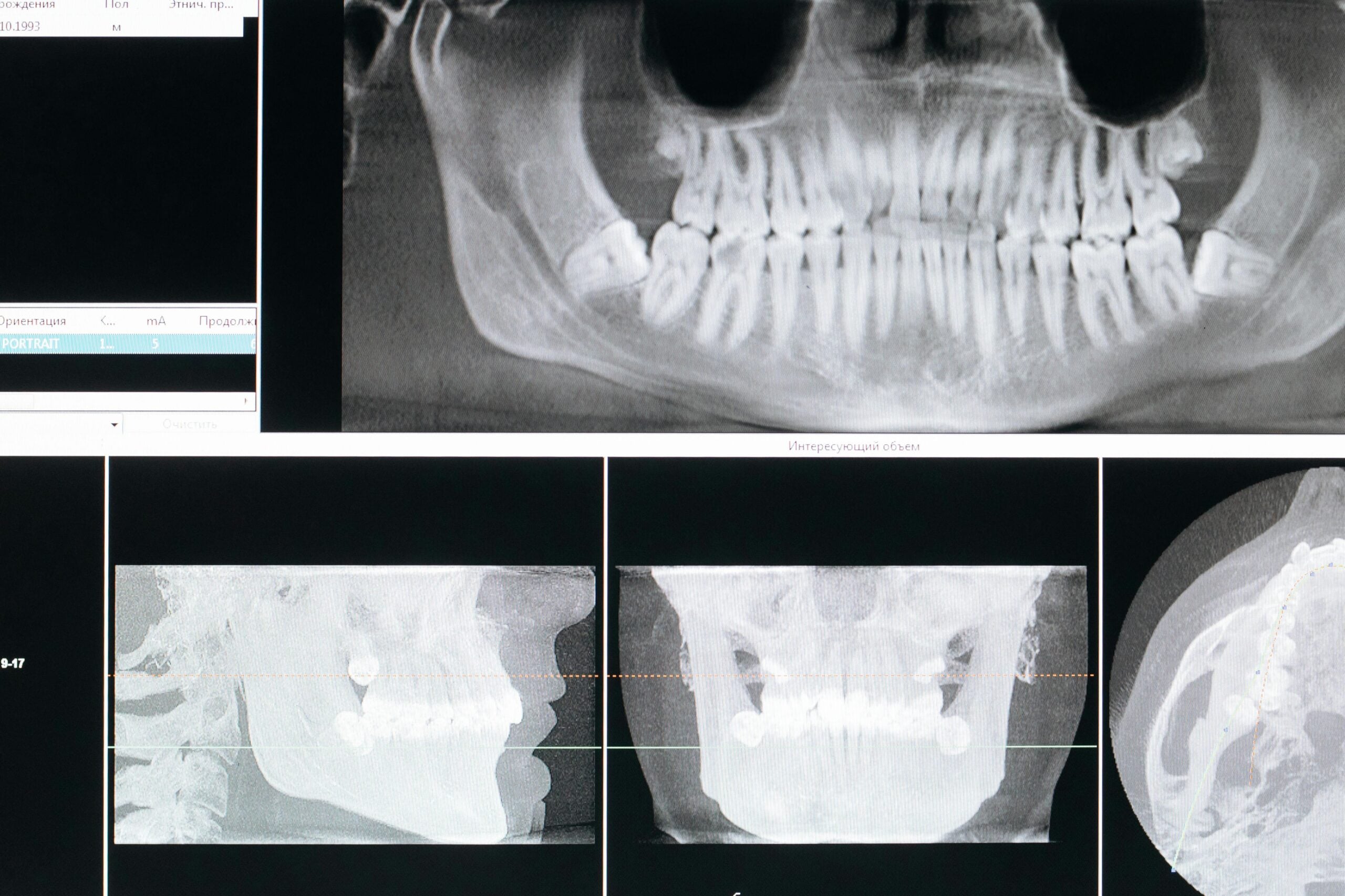
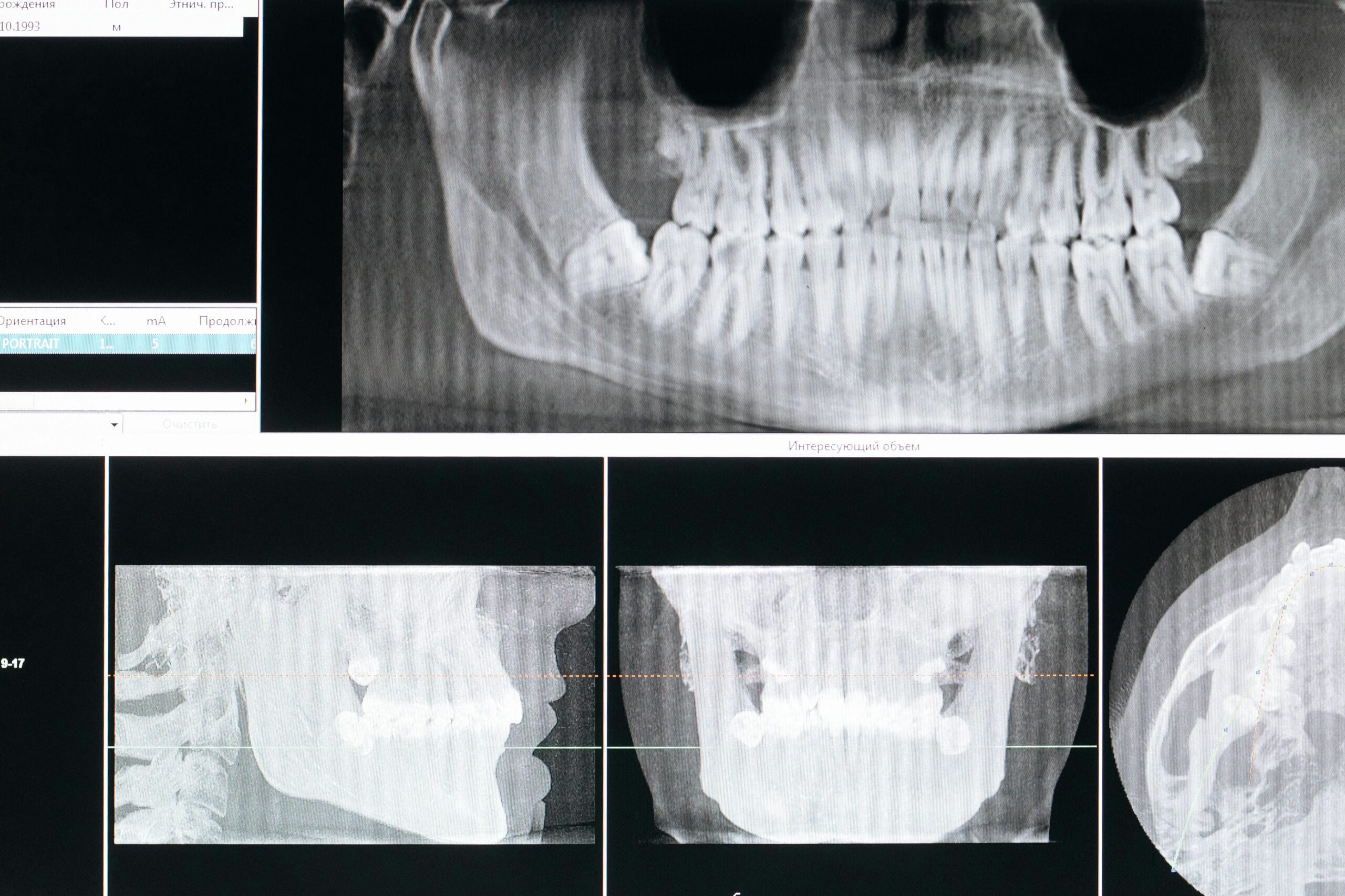
A parent wonders if their 8-year-old needs braces. The visit starts with listening: sleep quality, nasal allergies, mouth breathing, grinding, speech, and chewing comfort. The exam checks facial balance, lip seal, tongue posture and mobility, tonsil visibility, nasal airflow, wear patterns, and jaw joint comfort. We note crowding or spacing, crossbites, overbite and overjet, and how teeth meet. Records may include photos, digital models, and radiographs, with 3D imaging only when it adds necessary detail. Together, these findings show what is urgent, what can wait, and what habits to support first.
Clinical reasoning ties the picture together. In growing patients, we assess skeletal maturity and transverse width; when a true crossbite or narrow upper arch is present, carefully chosen expanders can correct transverse issues as growth allows [4]. For teens and adults, we also consider gum health, bone support, and root length, since external root resorption is a known risk that is monitored with baseline and follow-up imaging, and behavior may differ in endodontically treated teeth [5]. Patient-reported goals and quality-of-life changes guide whether alignment will meaningfully improve comfort, function, or confidence [6].
Findings are then translated into a plan. This may include habit coaching, medical referral for nasal or sleep concerns, early guidance in a growing child, or well-sequenced tooth movement in an adult. Appliances are selected to meet defined goals, protect tongue space, and preserve bite stability. This airway friendly orthodontics overview leads into how specific records and measurements inform appliance choice and timing. Good evaluation prevents surprises and supports safer, simpler care.
Innovative Techniques in Airway-Friendly Orthodontics
Innovative techniques in airway-friendly orthodontics align teeth while protecting space for the tongue and supporting nasal breathing. Newer tools focus on gentle arch development, improved jaw guidance during growth, and habit training that helps lips seal and the tongue rest on the palate. In adults, careful planning preserves airway space while coordinating with medical care when sleep concerns are present. The aim is function first, then esthetics.
A teen struggles to keep lips closed during sleep. For growing patients, slow, physiologic expanders are timed to natural growth so the upper arch gains width with good control. This makes room for teeth and gives the tongue a stable home. Myofunctional exercises build new habits for nasal breathing, tongue posture, and swallowing. These steps are paired with careful bite guidance so jaw joints stay comfortable and forces remain balanced. Together, they improve how the mouth rests and moves, not just how teeth look.
Adults need precise mechanics and safeguards. Customized aligner or bracket plans use measured transverse development, controlled torque, and thoughtful staging to avoid stealing tongue space. In selected cases, temporary anchorage devices help direct forces so teeth move efficiently with less side effect. When snoring or sleep apnea is part of the picture, mandibular advancement devices are coordinated through a medical team, while orthodontic care monitors tooth position, bite changes, and joint comfort. The priority is a stable bite that works with any medical therapy.
Digital planning supports these choices. High‑resolution scans and photos create accurate models, and 3D imaging is reserved for cases where it changes decisions. Airway‑aware setups simulate arch form and bite before any tooth moves. Symptom tracking for sleep, nasal comfort, and muscle tension guides pacing and retention. Collaboration with primary care, sleep medicine, or ENT is built in when findings suggest obstruction. In this airway friendly orthodontics overview, innovation means using the right tool at the right time, for the right reason.
For patients, these techniques aim for easier nasal breathing, a relaxed jaw, and a smile that lasts. Innovation serves function, not just appearance.
The Role of Dentists in Airway Management
Dentists play a practical role in airway management by screening for breathing and sleep concerns during routine exams. They evaluate oral and facial features that can affect airflow, educate families, and coordinate with medical providers for diagnosis and treatment. When appropriate, dentists provide and monitor oral appliances and plan orthodontics that protect tongue space and support nasal breathing.
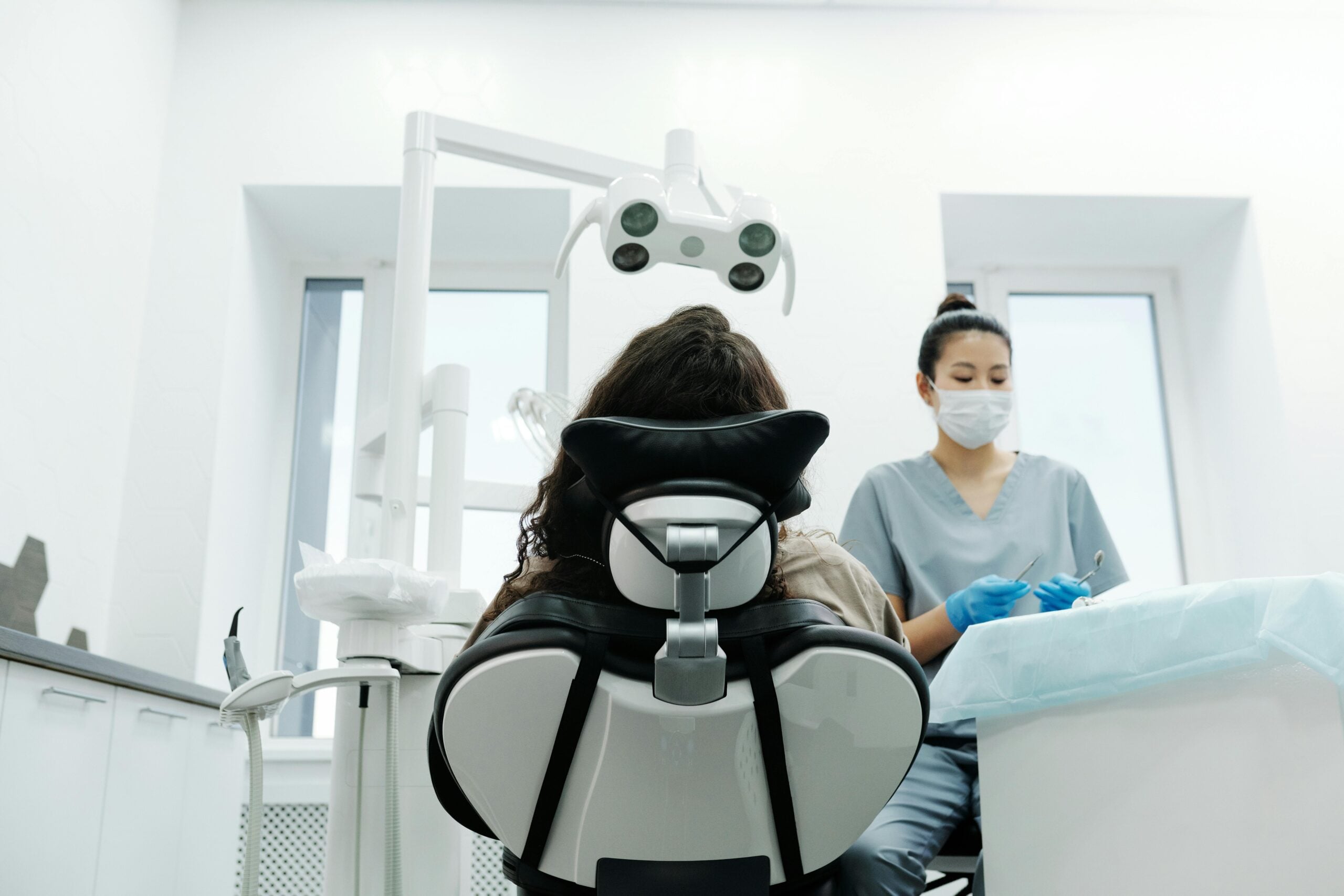
At a routine checkup, a child snores and mouth breathes. Pediatric dental visits are a chance to spot risks early by checking lip seal, tongue posture and mobility, palatal width, crossbites, and tonsil visibility, alongside questions about sleep quality and daytime focus. When findings suggest obstruction or fragmented sleep, dentists refer to sleep medicine or ENT for testing and care. Growth‑guided orthodontic steps are then timed to improve function while medical issues are addressed [7].
For adults, dentists screen for snoring, dry mouth, morning headaches, tooth wear, and a scalloped tongue. After a medical diagnosis of obstructive sleep apnea, dentists can deliver mandibular advancement devices, adjust them to improve symptoms, and track comfort and fit. Because these appliances may shift tooth positions and bite over time, scheduled follow‑up and occlusal monitoring are essential parts of safe care [8].
Teamwork strengthens results. Dentists share airway and bite findings with primary care and sleep physicians, coordinate with ENT when structural blockage is suspected, and align orthodontic plans with medical therapy. This approach ensures tooth movement respects tongue space and jaw joint health, while medical partners manage diagnosis and sleep outcomes. Reviews emphasize dentistry’s evidence‑based role in screening, oral appliance therapy after diagnosis, and long‑term follow‑up within an interdisciplinary model [9].
In this airway friendly orthodontics overview, dentists help patients navigate when to watch, when to refer, and when dental treatment can safely support better breathing. Next, we will show how specific records and measurements guide those choices. Early screening and steady collaboration make care safer.
Patient Success Stories and Outcomes
Patient success stories and outcomes focus on more than straight teeth. Families often report quieter nights, easier nasal breathing, and better daytime focus after airway‑guided care. Clinically, we look for improved lip seal, a stable tongue‑to‑palate rest posture, and a comfortable bite. These changes point to function that is safer and more sustainable over time.
One parent noticed snoring eased within weeks of habit training. Early wins often come from small steps, such as teaching a gentle lip seal and tongue posture while planning arch development. We document changes with photos, digital models, and simple breathing checks, then review sleep and daytime symptoms at each visit. When a medical sleep diagnosis is involved, outcomes like AHI or oxygen measures are managed and verified by sleep physicians, while we align tooth movement with that care. This teamwork keeps dental changes coordinated with medical goals.
In growing patients, guided transverse development can create room for teeth and the tongue, which supports nasal habits and reduces mouth‑open sleep. Parents may notice calmer bedtimes, fewer dry‑mouth wakings, and clearer speech patterns. Teens often describe easier nasal breathing during sports and less morning jaw tension. Adults typically report improved chewing comfort and fewer bite‑related headaches when alignment protects tongue space and balances forces. Retention emphasizes function, so myofunctional exercises and periodic checks help results hold as tissues adapt.
We measure success by what patients feel and what we can confirm. That includes steadier sleep, a bite that stays comfortable, and arches that remain roomy for the tongue on follow‑up records. If symptoms recur, we adjust habits, review nasal comfort, and coordinate with medical partners as needed. For planning visits and updates, see our current hours. In this airway friendly orthodontics overview, outcomes are judged by better breathing, smoother function, and lasting stability.
Long-Term Benefits of Airway-Friendly Approaches
Airway-friendly orthodontics aims for results that last by supporting how you breathe, sleep, and bite. The long-term benefits include more stable alignment, a calmer jaw system, and habits that keep the tongue on the palate and lips gently sealed. When the airway is considered from the start, smiles tend to function better over time. This airway friendly orthodontics overview explains why those gains hold up.
Picture a teen who grows into adulthood with quiet sleep and an easy lip seal. In children, guiding arch width and jaw position to fit the tongue encourages nasal breathing, which helps the palate maintain its shape and room. Muscle patterns also change. Simple exercises that train the tongue and lips reinforce new positions, so retainers do not fight old habits. Together, these steps reduce relapse risk because teeth rest in an arch that works with natural posture and airflow.
Adults benefit from protection, not just correction. Planning that preserves tongue space and balances bite forces lowers strain on teeth and joints, which supports comfort years later. Coordinating with medical care when snoring or sleep apnea is present helps align dental changes with therapy, reducing unintended bite shifts and improving nightly airway support. As mouth breathing eases and nasal breathing improves, patients often report less dryness and easier chewing, which can make daily hygiene and gum care more manageable.
Sustainability comes from follow-through. Retention is designed around function, with checks on sleep symptoms, nasal comfort, and bite forces, not only tooth position. Small adjustments to appliances, plus ongoing habit reinforcement, help the system stay stable as tissues adapt. For many patients, this means fewer post-treatment surprises, steadier sleep, and a bite that remains comfortable under everyday use.
In practical terms, airway-aware choices today can pay off in comfort and stability for years. Next, we outline how follow-up and retention plans protect these gains over time. Long-term function depends on breathing well and biting well.
Integrating Orthodontics into Overall Health
Integrating orthodontics into overall health means planning tooth and jaw movement alongside breathing, sleep, jaw joint comfort, and gum health. We look at how the nose, tongue, and muscles work together, then choose timing and tools that support clear airflow and a stable bite. Care often includes coordination with primary care, sleep medicine, or ENT so dental changes fit your health picture. In this airway friendly orthodontics overview, the mouth is part of the whole body.
A teen with allergies, restless sleep, and crowding walks in. Mouth posture, nasal airflow, and tongue position affect how jaws grow and how teeth settle. Nasal breathing helps the tongue rest on the palate, which encourages a wider, more stable upper arch. Better sleep can ease clenching, reduce morning jaw tension, and improve daytime focus. Because these systems interact, we pair orthodontics with habit coaching and medical input when needed.
Clinical reasoning guides the sequence. We address urgent issues first, such as active decay, gum inflammation, or painful joints, so tissues are ready for movement. If mouth breathing or low tongue posture is present, we add simple myofunctional exercises and discuss allergy care with your medical team. Braces or aligners are then planned to protect tongue space and balance bite forces, not just straighten teeth. When snoring or sleep apnea is diagnosed medically, we coordinate around therapies like mandibular advancement devices, while monitoring tooth positions and joint comfort.
What does this look like for patients? Visits begin with questions about sleep, nasal comfort, headaches, and chewing, followed by an exam of lip seal, tongue mobility, and bite mechanics. Records are chosen carefully, with 3D imaging used only when findings will change decisions. Follow‑up tracks symptoms, muscle tension, and bite stability, not only tooth alignment. Next, we show how your history and exam findings translate into specific, safer treatment choices. Breathing well supports smiling well.
Future Trends in Airway and Orthodontic Care
The future of airway and orthodontic care is more personalized, preventive, and team‑based. Expect earlier screening for breathing and sleep issues, plus treatment plans that protect tongue space while guiding tooth and jaw position. Digital tools will help us measure, track, and adjust care so results stay comfortable and stable over time. In this airway friendly orthodontics overview, trends point to function first, then esthetics.
A teen athlete wants better sleep and a stable bite before senior year. Clinics are moving toward simple, earlier screening that blends questions about sleep and allergies with checks of lip seal, tongue posture, and nasal airflow. When risks are spotted early, habit coaching and growth‑aware guidance can start sooner, often with fewer appliances. This prevention mindset aims to support nasal breathing and healthy jaw growth before problems set in.
Technology will serve as a helper, not a driver. Three‑dimensional planning will become routine, with cone‑beam computed tomography (CBCT) used selectively to add detail when it changes decisions, since CBCT provides true 3D views of craniofacial structures that can inform airway‑related planning [10]. Custom, 3D‑printed appliances and precisely staged aligner or bracket plans will focus on preserving tongue space and balancing bite forces. Expect smarter software that flags crowding risks, torque limits, and transverse needs, while clinicians keep final control. Simple home symptom tracking for sleep quality, nasal comfort, and jaw tension will guide pacing and retention between visits.
Team care will expand. Dentists, orthodontists, primary care, sleep medicine, and ENT will coordinate more often, so dental changes fit with medical therapies when snoring or sleep apnea is present. In children, timing will match growth windows to widen arches safely and encourage nasal habits. In adults, movement will stay precise and protective, coordinated around any oral sleep appliance or medical treatment. Retention will focus on function, with exercises that keep the tongue on the palate and lips gently sealed, so results hold with less effort.
For patients, this means clearer plans, fewer surprises, and care that supports how you breathe, sleep, and chew. The goal is simple: breathe well, sleep well, bite well.
Frequently Asked Questions
Here are quick answers to common questions people have about Airway-Friendly Orthodontics: The Big Picture in Glendale, AZ.
- What is airway-friendly orthodontics?
Airway-friendly orthodontics is a treatment approach focused not only on straightening teeth but also on improving breathing and sleep quality. It emphasizes the importance of nasal breathing, tongue posture, jaw growth, and sleep patterns in overall oral health. The main aim is to achieve a bite that is functional and supports a clear airway throughout life, integrating habits and medical collaboration when necessary.
- How does airway-friendly orthodontics differ from traditional orthodontics?
While traditional orthodontics focuses mainly on aligning teeth and correcting bites, airway-friendly orthodontics includes considerations of breathing and sleep. This approach assesses how the jaws, tongue, and nasal passages function together and plans treatments that safeguard the airway. Methods such as habit training and myofunctional exercises are used alongside braces or aligners to ensure that airway space is not compromised.
- What are some benefits of integrating airway-friendly approaches in orthodontics?
The benefits of airway-friendly orthodontics include improved sleep quality, better nasal breathing, and overall more stable dental arches. By considering factors like tongue space and lip seal, this approach not only aligns teeth but also supports long-term airway health, often resulting in fewer sleep disturbances and improved day-to-day focus.
- Why is interdisciplinary management important in airway-friendly orthodontics?
Interdisciplinary management is crucial because it combines dental care with medical insights to address comprehensive airway and orthodontic health. Collaboration with sleep medicine, ENT specialists, and primary care ensures that treatment plans are holistic and address any underlying medical issues that could affect oral health and dental alignment.
- What innovative techniques are used in airway-friendly orthodontics?
Innovative techniques in airway-friendly orthodontics include slow, physiologic expanders that align teeth while protecting airway space, habit training exercises for improving tongue posture, and myofunctional therapy. For adults, precise aligner and bracket plans are used to maintain tongue space and balance bite forces, often coordinated with medical therapies for sleep-related concerns.
References
- [1] Effectiveness of a myofunctional therapy program in the treatment of mouth breathing in patients with dental malocclusion: a pilot clinical trial. (2026) — PubMed:41919899 / DOI: 10.1590/2317-1782/e20250033en
- [2] Side effects of mandibular advancement devices in obstructive sleep apnea patients – observational results of a randomized controlled trial. (2026) — PubMed:41634250 / DOI: 10.1007/s11325-026-03576-4
- [3] Approach to obstructive sleep apnea: Interdisciplinary considerations for optimal management. (2026) — PubMed:41534935 / DOI: 10.46747/cfp.720125
- [4] Transverse Maxillary Correction: Leaf Expander vs. Rapid Maxillary Expansion Appliances-A Systematic Review and Meta-Analysis. (2026) — PubMed:41897108 / DOI: 10.3390/children13030396
- [5] External apical root resorption in endodontically treated versus vital teeth following orthodontic treatment: a systematic review. (2026) — PubMed:41773286 / DOI: 10.23736/S2724-6329.25.05285-4
- [6] Implications of orthodontic treatment on esthetics, oral health and quality of life in adult patients. (2026) — PubMed:41733384 / DOI: 10.17219/dmp/147756
- [7] Craniofacial Sleep Medicine: The Important Role of Dental Providers in Detecting and Treating Sleep Disordered Breathing in Children. (2022) — PubMed:35884041 / DOI: 10.3390/children9071057
- [8] Obstructive Sleep Apnea: The Expanding Role of Dental Sleep Medicine-A Systematic Review of Mandibular Advancement Devices, Treatment Efficacy, and Occlusal Complications. (2026) — PubMed:41590186 / DOI: 10.3390/dj14010062
- [9] Awakening to opportunity: Dentistry’s role in the evidenced-based management of adult obstructive sleep apnea-a narrative review. (2026) — PubMed:41793398 / DOI: 10.1016/j.adaj.2025.12.020
- [10] CBCT in orthodontics: the wave of future. (2013) — PubMed:23579915 / DOI: 10.5005/jp-journals-10024-1291